Auto Shanghai 2025 sees old vs new, tech vs legacy
Domestic and international brands make an effort to win over customers in different ways
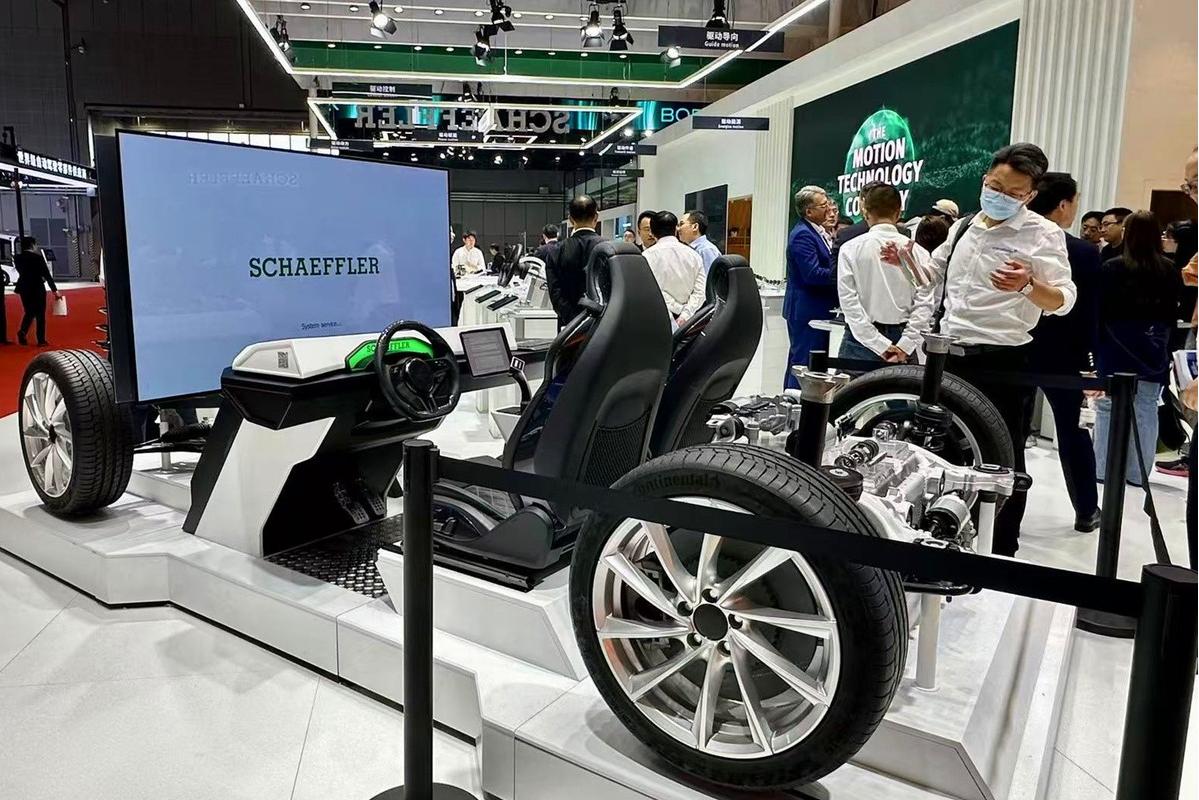
With booths of more than 1,000 exhibitors spread across 16 halls at the National Exhibition and Convention Center in Shanghai, Auto Shanghai 2025 is intimidatingly big for one who wants to see them all in person.
But to some extent, a walk into one or two halls will reveal the story of two groups: China's fast-growing carmakers clamoring for attention with their high-tech and publicity stunts, while global automotive giants remind visitors of their glorious past.
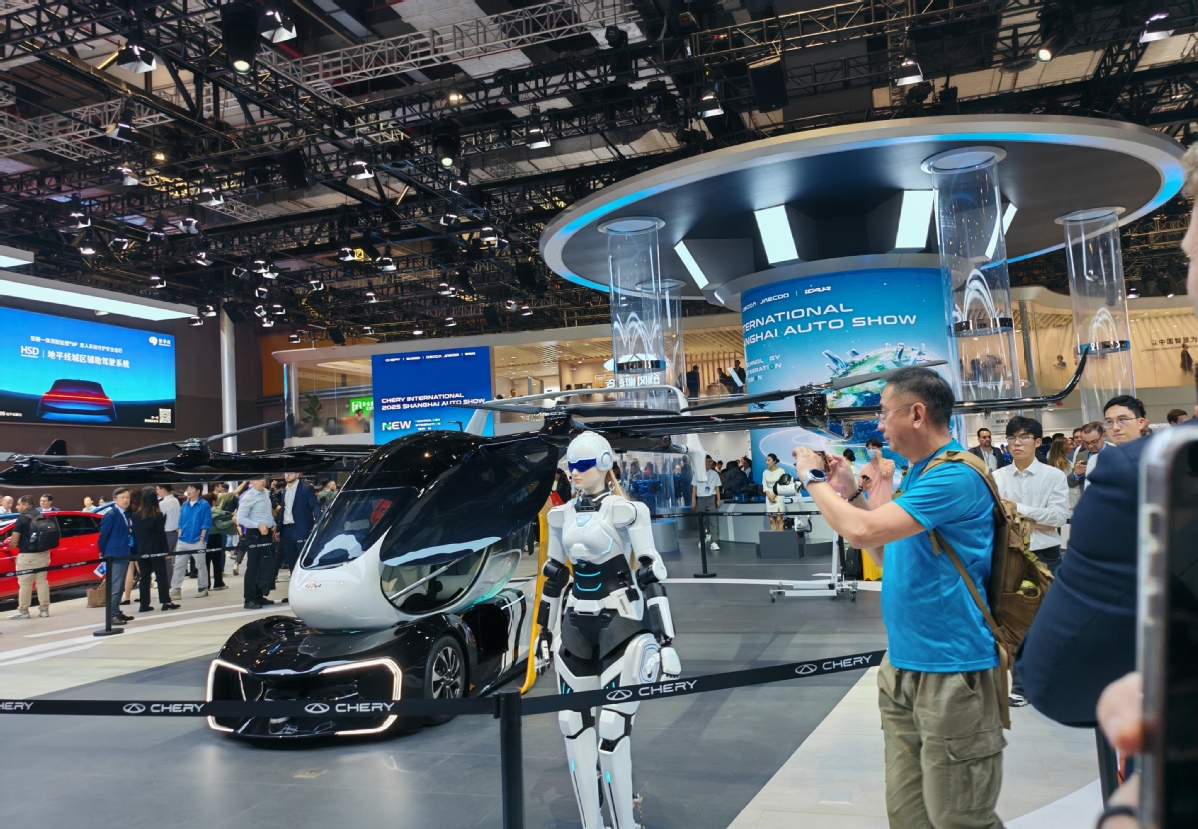
With humanoids, chips and flying cars, China's automakers are making the biennial event for car aficionados into a tech show. The message was clear: "look at us, we're not just automakers — we're technology companies."
On Wednesday, the opening day of the event, XPeng unveiled its latest AI foundation model, trained to interpret complex driving conditions and operate intelligent robots.
Sharing the spotlight was PX5, a humanoid robot nicknamed Iron, standing 178 centimeters tall with 22 degrees of freedom in its hands.
The robot performed expressive motions that, according to XPeng, pointed to a future where cars, robots, and smart ecosystems are fully integrated.
"Ten years ago, electric models were rarities at car shows but now they dominate. I believe, robots will become commonplace in 10 years," said CEO He Xiaopeng.
Robots are also seen at other Chinese carmakers' booths including those of Geely's Zeekr, Changan'Deepal and Chery.
Among the highlights at Nio's booth is the flagship ET9, which starts to 'dance' to music every now and then, showing the capabilities of its suspension system.
William Li, the company's CEO, emphasized lifestyle touches too, showcasing how the trunk of the newly launched Onvo L90 could serve as a seat for fishing.
"It's not enough to build vehicles," said an industry observer. "They need attention to sell vehicles."
While the new players are pushing boundaries and buzzwords, legacy brands are playing a more grounded hand.
Their message? "We've been here before — and time will tell who will be the final winner."
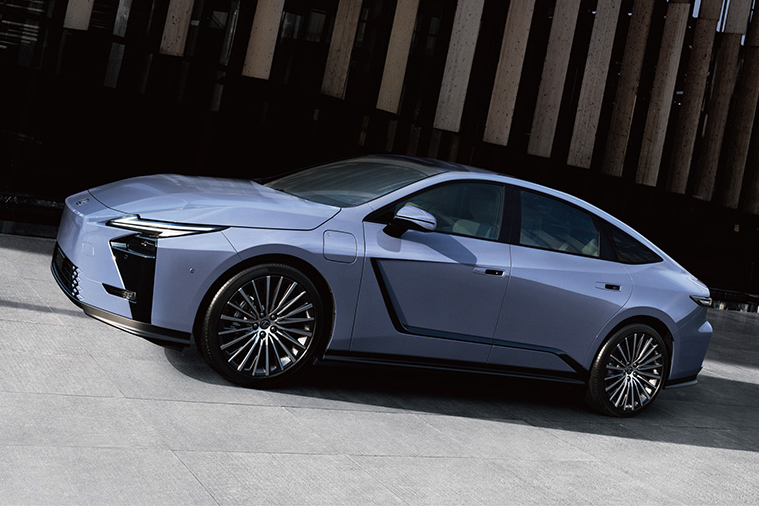
Toyota's premium brand Lexus spotlighted the craftsmanship behind its flagship LS sedan by presenting the first-generation LS400 alongside its latest LS and ES models.
The display focused on Japanese touches like Nishijin brocade and hand-applied metal leaf, reinforcing the brand's emphasis on enduring quality.
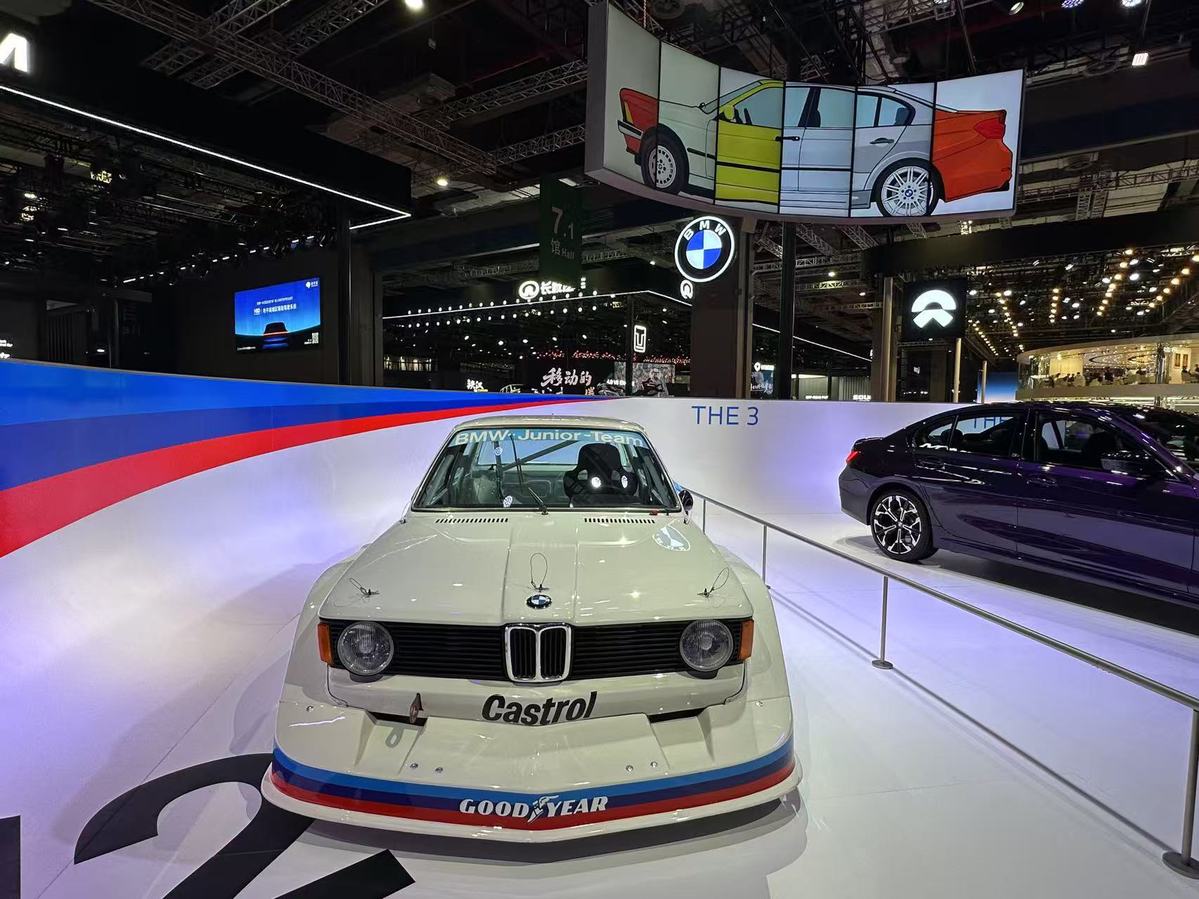
BMW's booth is equally deliberate in its messaging. Alongside its Neue Klasse car — the brand's vision of future electrified driving — stand the 320 Group 5 and a special "50 Years of 3 Series" edition made for China.
Volkswagen leaned into nostalgia as well. In a pre-show video on Tuesday, the company spotlighted archival images of the Santana in 1980s China, a period when bicycles dominated the roads.
"We put China on wheels, and we are reliable," the message implied.
Despite the contrast in tone and tactics, both camps face the same fundamental question: how to outperform and eventually outlive rivals in the hyper-competitive market.
Some brands have been forced out of the market, such as DS and Suzuki, and others out of business, including HiPhi, Jidu and Neta.
That is probably one reason that Nio's Li made a public display of key handover to CATL boss Robin Zeng to sway potential car buyers. Even Wei Jianjun, chairman of Great Wall Motor, went to interact with visitors, making coffee for them.
Chinese brands are eyeing global markets. XPeng reported a 370 percent increase in overseas deliveries in Q1 2025.
Nio's Li said its new Firefly subbrand is set to enter 16 overseas markets by year's end. Leapmotor, bolstered by its deal with Stellantis, is eyeing EV platform exports as a new growth engine.
Global brands, meanwhile, are adapting their vehicles steadily and also repeating their commitment of "In China, for China".
One day ahead of the auto show, Mercedes-Benz unveiled its long-wheelbase CLA, built on the new MMA platform, which boasts a range of up to 866 kilometers and ByteDance's Doubao large language model.
FAW-Audi's new A5L is the first gasoline vehicle to feature Huawei's latest ADAS system.
Li Fenggang, executive vice-president of FAW-Audi Sales Co, said it approached Audi for cooperation back in 2019.
Six brands, including Toyota and Cadillac, also announced further collaborations with Chinese tech firm Momenta. Honda, for its part, is working with DeepSeek and ByteDance to embed more localized intelligence.
Over years of fast, even dizzying development, what was once a question of "old versus new" may now become "how to blend both" in China's automotive sector.
The show, like the city of Shanghai itself, reveals that success in the next chapter of mobility will demand more than just technology or legacy: it will require imagination, patience, and the ability to evolve without losing one's soul.