Journey through Shanghai's culture and history (I)
Shanghai has introduced six new cultural heritage routes that weave together the city's rich historical narratives, from prehistoric settlements and architectural wonders to underwater archaeology, industrial heritage, and traditional music. These thoughtfully designed trails bring to life the cultural treasures throughout the metropolis, offering residents and visitors a deeper connection to Shanghai's multilayered past.
Part one presents three routes that transport travelers across different eras of Shanghai's civilization. Each journey reveals unique aspects of the city's development, making them perfect for cultural enthusiasts seeking to explore Shanghai beyond its modern skyline.
Route 1: Trace the origins of Shanghai civilization
➡️ Itinerary: Shanghai Songze Site Museum → Fuquanshan Historical Site → Qinglong Pagoda → Qinglong Temple → Jinze Ancient Town
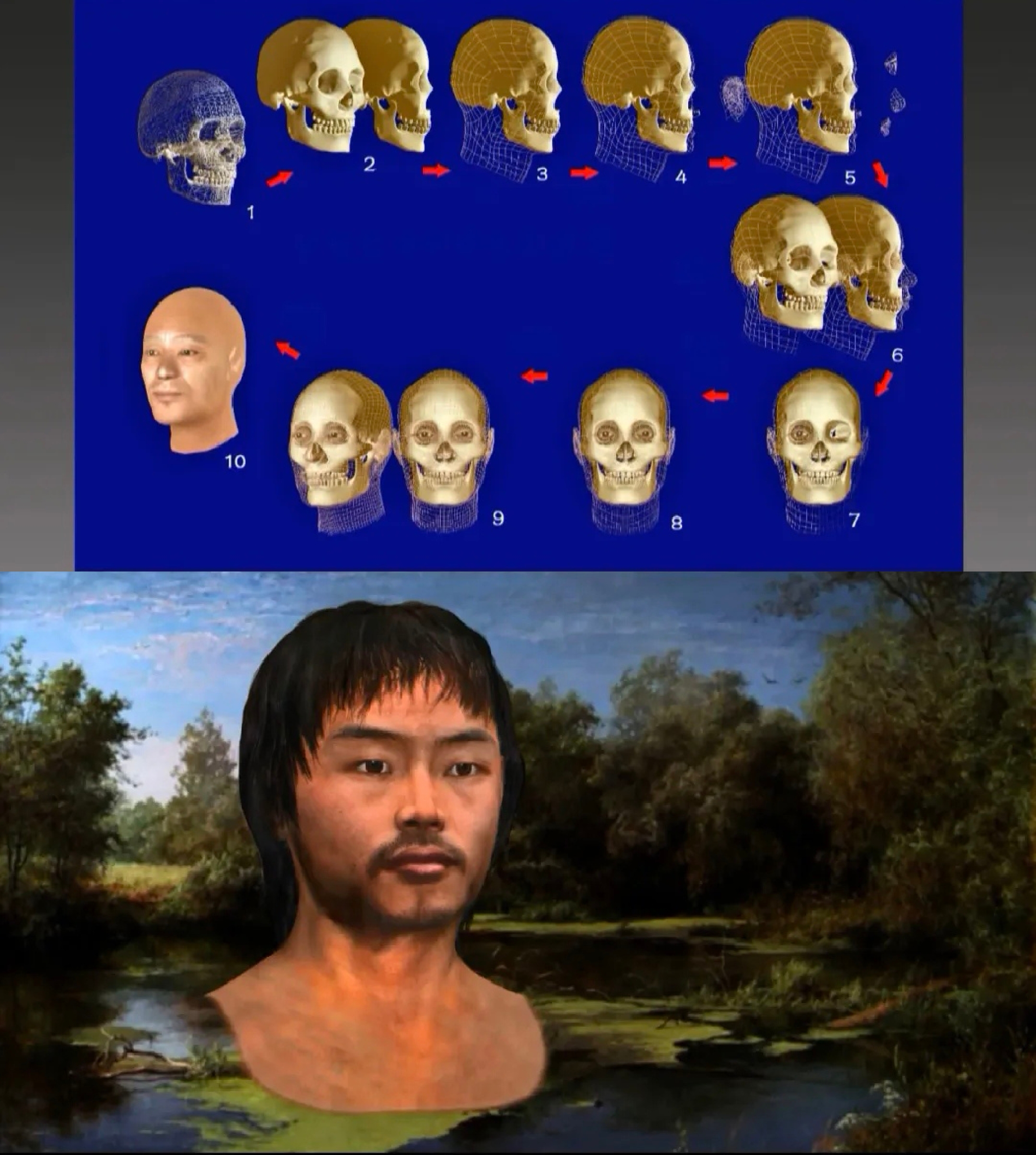
This route explores the earliest traces of human activity in the Shanghai region. The journey begins at the Shanghai Songze Site Museum, where visitors encounter evidence of the city's first inhabitants, including early rice cultivation and Neolithic village life dating back more than 6,000 years.
The Fuquanshan site reveals remarkably preserved cultural layers spanning multiple ancient civilizations. The distinct strata illustrate the transition from the Majiabang Culture (c. 5000-4000 BC) through the Liangzhu Culture (c. 5300-4300 BC), earning the site the nickname "oriental earthen pyramid" for its archaeological significance.
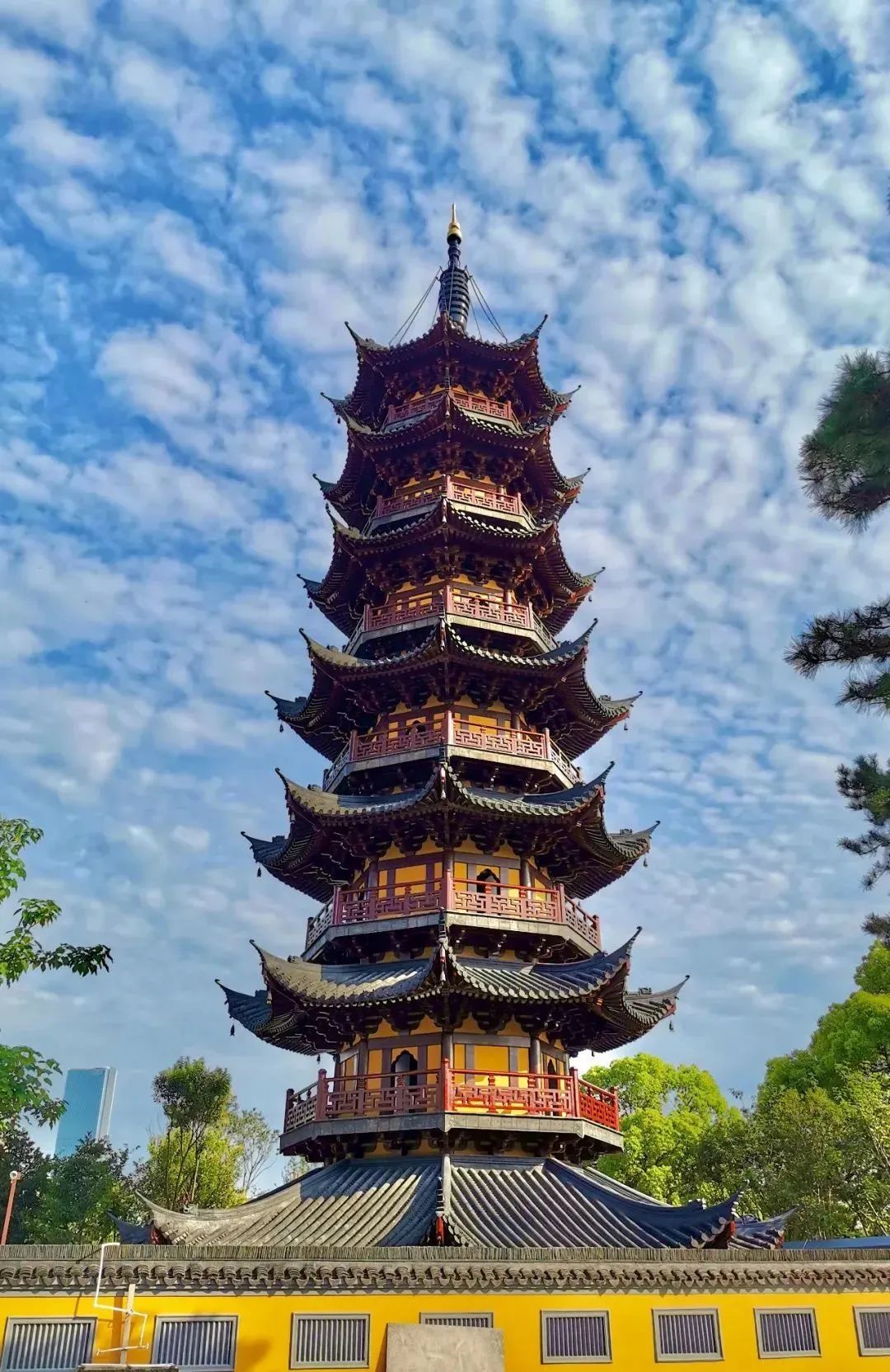
The route continues to the ruins of Qinglong town, which flourished during the Tang (618-907) and Song (960-1279) dynasties as a vital hub along the Maritime Silk Road. The Qinglong Pagoda, one of the few remaining historical structures from the town, served as an essential navigational landmark for sea vessels heading to Qinglong Port.
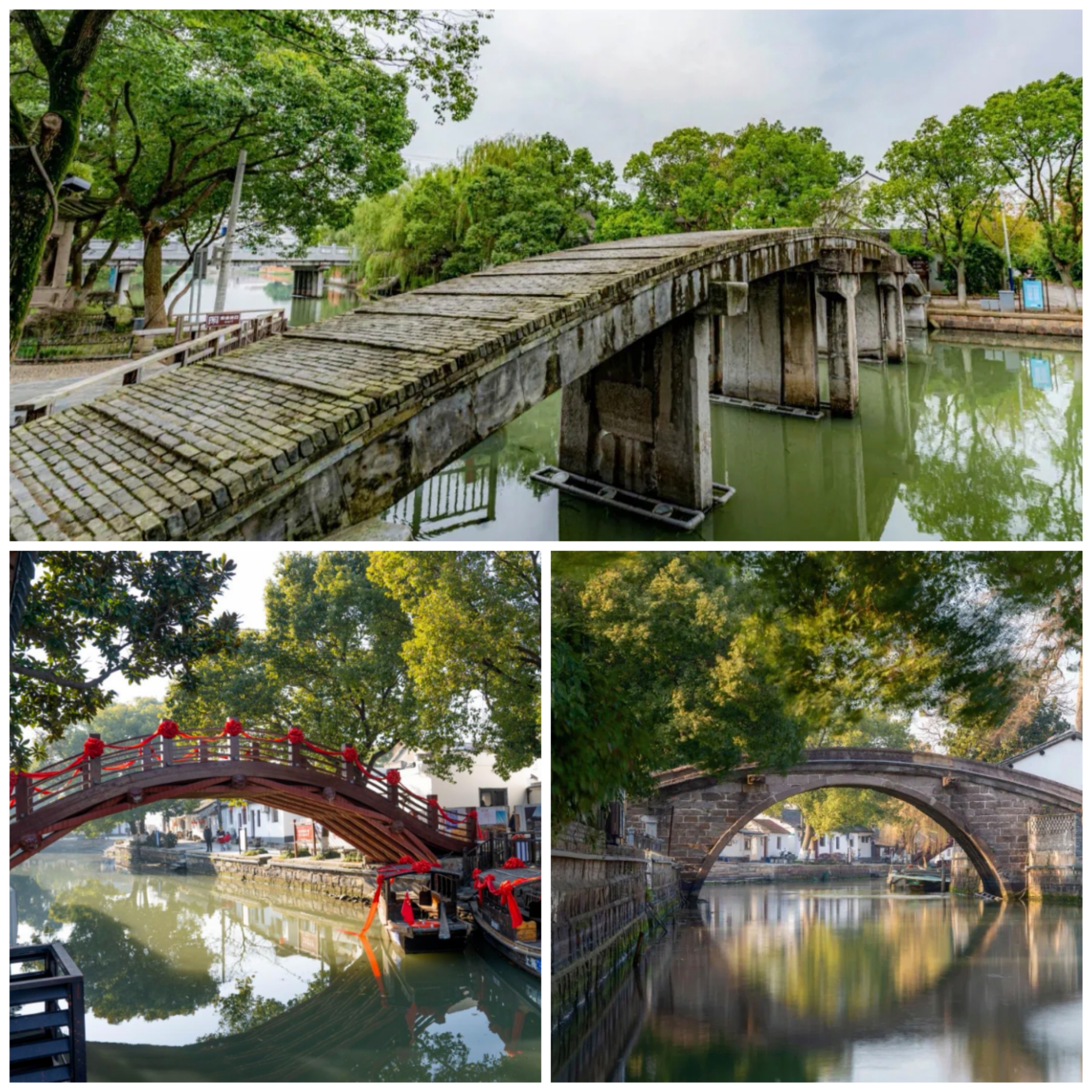
The final stop is Jinze Ancient Town, famous for its remarkable collection of stone bridges. Representing the Song, Yuan (1271-1368), Ming (1368-1644), and Qing (1644-1911) dynasties, the bridges allow visitors to step back in time and witness the evolution of architectural styles firsthand.
Route 2: Immersive journey through Song and Yuan culture
➡️ Itinerary: Longhua Pagoda → Banshui Shanfang Teahouse → Zhenru Temple → Shanghai Yuan Dynasty Water Gate Museum
This route connects several nationally protected heritage sites that exemplify the cultural sophistication of the Song and Yuan periods.
The journey begins at Longhua Pagoda. This elegant structure stands as Shanghai's most completely preserved wooden pagoda, showcasing advanced architectural techniques through its intricate bracket systems.
At Banshui Shanfang Teahouse, visitors can engage in authentic Song-style tea ceremonies. The experience includes examining fine celadon porcelain fragments that demonstrate the exquisite craftsmanship of the period.
The tour continues to Zhenru Temple's main hall, the only surviving Yuan Dynasty wooden structure in Shanghai. Here, innovative augmented reality technology helps visitors visualize how these interlocking wooden pieces distribute weight throughout the building, revealing the genius of traditional Chinese architecture.
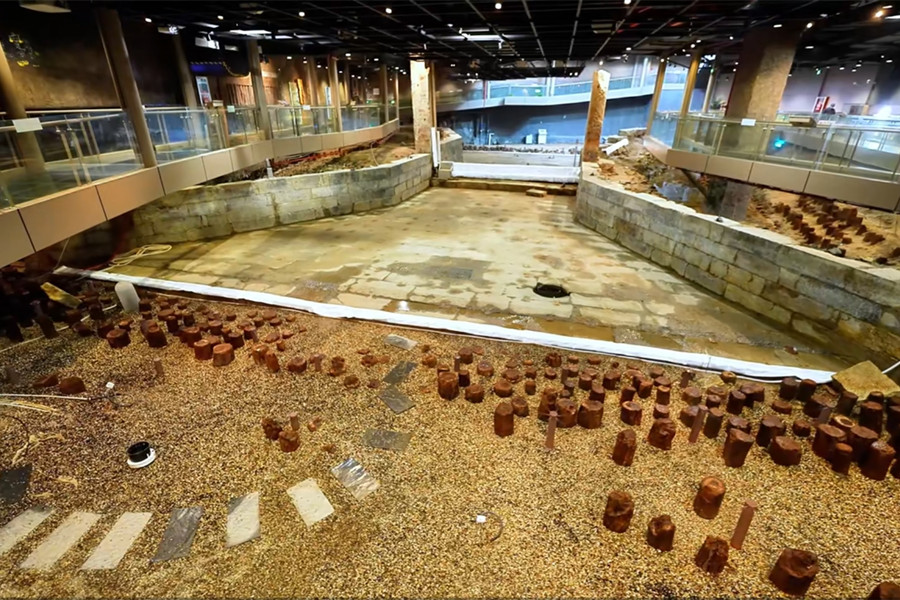
The journey concludes at the Shanghai Yuan Dynasty Water Gate Museum. Visitors can explore the ingenious system of stone gates, wooden barriers, and drainage channels that controlled the flow of the Wusong River. The sophisticated hydraulic engineering systems demonstrate how ancient Shanghai residents managed water resources.
Route 3: Explore the ancient coastal defense system
➡️ Itinerary: Fengxian Museum → Huating Seawall (Fengxian section) → Qingxi Ancient Town
This route focuses on the Huating Seawall, a massive coastal defense project constructed during the Qing Dynasty. Stretching nearly 4 kilometers, this historical marvel represents the most advanced seawall technology of its era in the Jiangnan region.
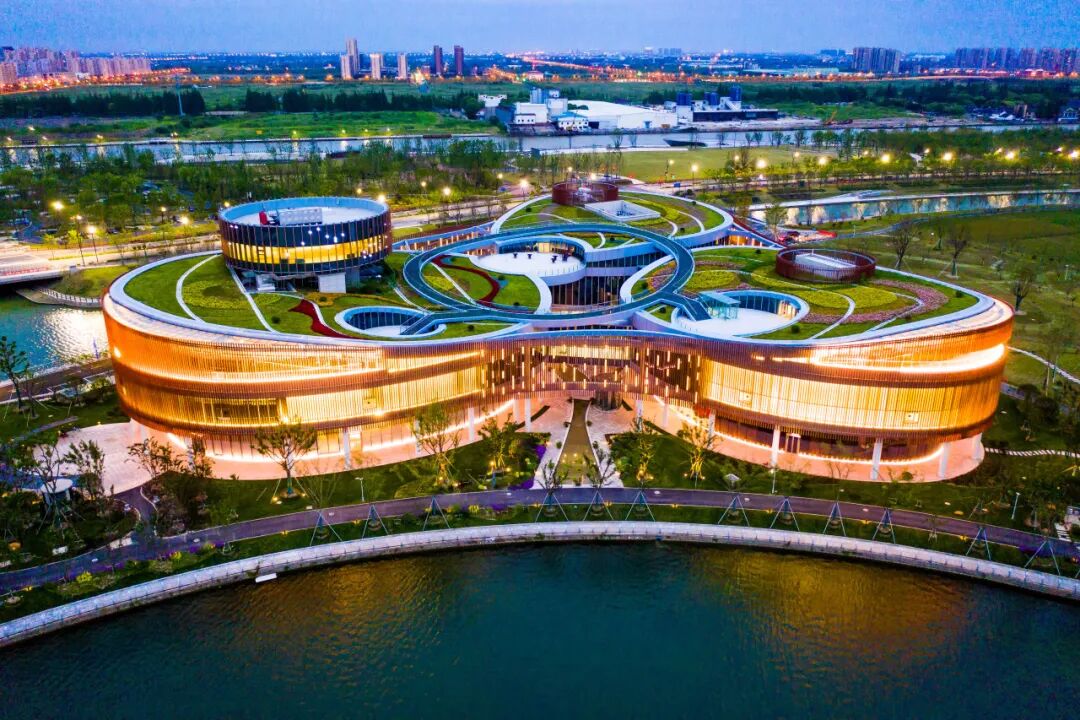
The journey begins at Fengxian Museum, where a dedicated seawall exhibition provides comprehensive insight into the structure's historical development and cultural significance.
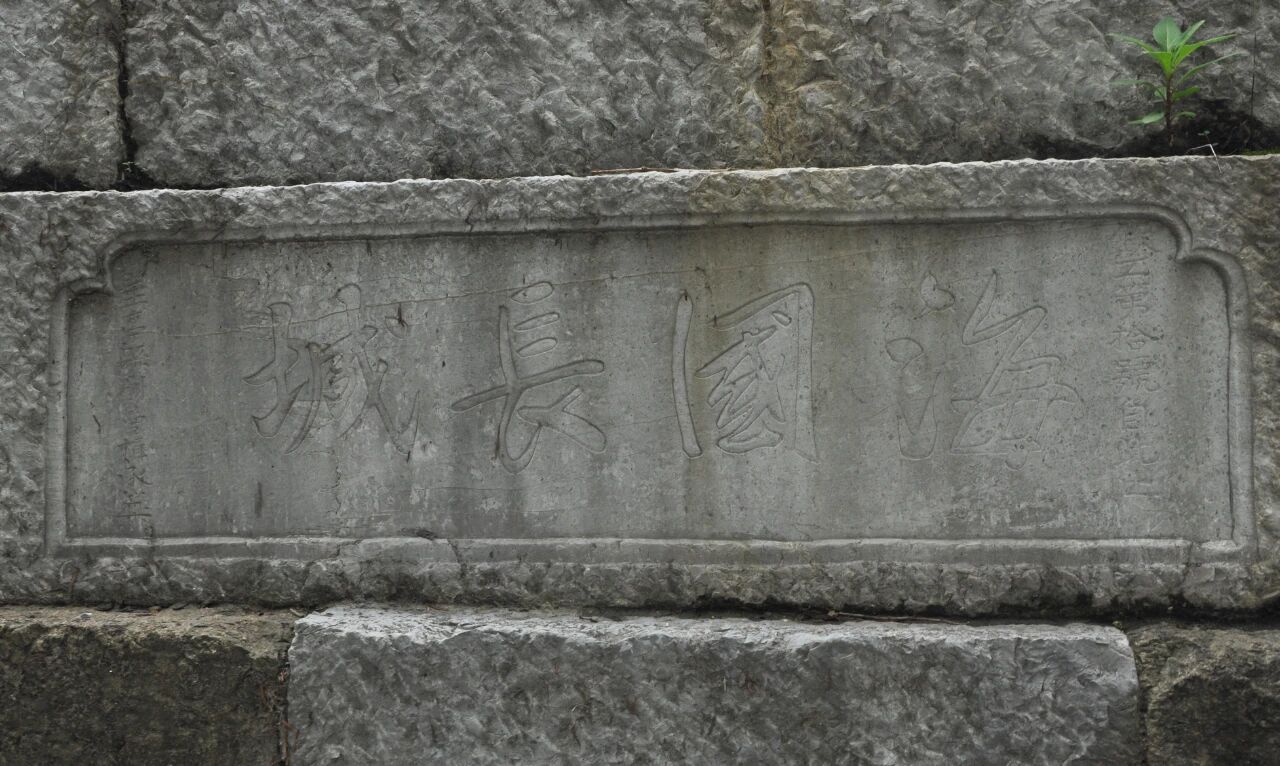
Visitors then walk along the well-preserved Fengxian section of the seawall, where intricate stone carvings and inscriptions document its construction. This immersive experience allows visitors to appreciate the monumental effort involved in reclaiming land from the sea.
The route concludes in the Qingxi Ancient Town, where the seawall's protective presence enabled the development of a unique community. The town's architecture, customs, and daily life still reflect centuries of adaptation to the coastal environment.
Sources: WeChat account of Shanghai Municipal Administration of Culture and Tourism at "shanghaitourism", Shanghai Cultural Heritage Conservation Research Center