Yangpu's campus heritage: History built in brick and books
As Shanghai's cultural and educational heart, Yangpu district is home to numerous renowned universities, many with historic buildings that have witnessed over a century of academic heritage.
These structures range from solemn Chinese classical revival and eclectic Sino-Western designs to clean-line modernist styles, all of them together telling the story of China's modern educational and architectural evolution.
In early winter, when leaves turn gold and russet, a stroll through these campuses offers a uniquely reflective experience.
01 | University of Shanghai for Science and Technology
Located at No 516 Jungong Road, the university traces its origins to the University of Shanghai, also known as Hujiang University, founded in 1906. Once among the city's most prestigious institutions alongside St. John's University, it was also the country's first to officially admit both men and women students.
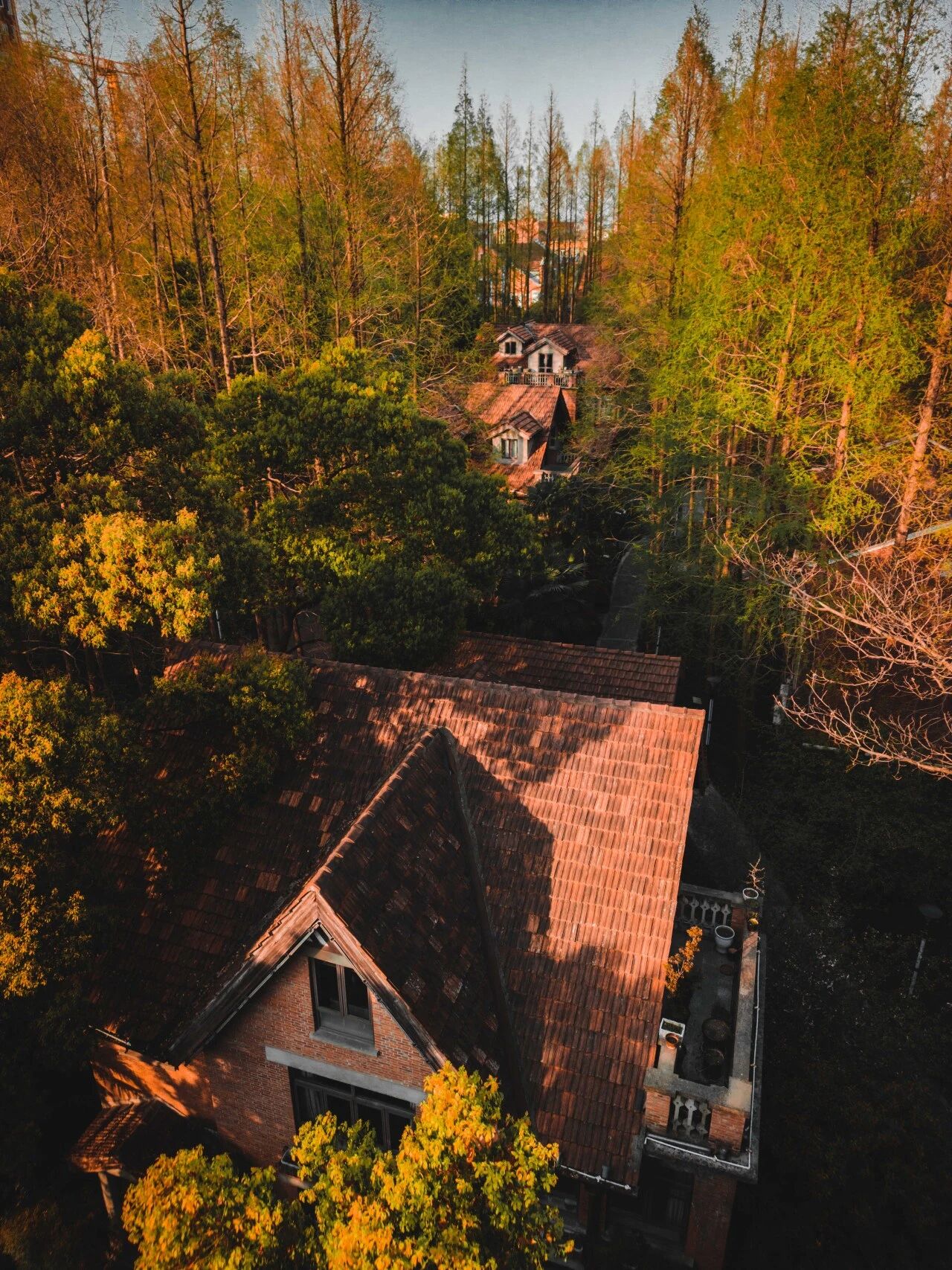
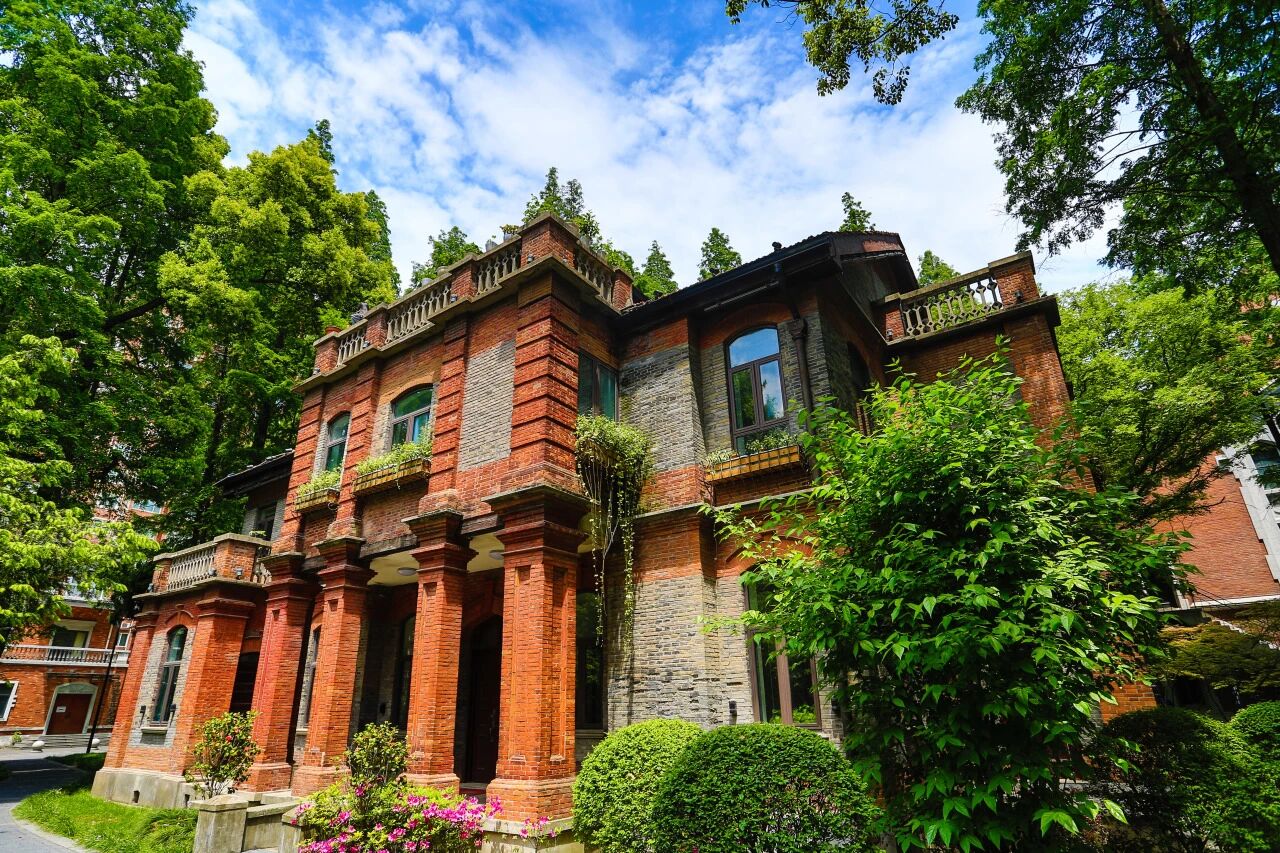
The campus was master-planned by US architect Henry Killam Murphy. More than 30 of its buildings are listed as national key cultural heritage sites, with 27 recognized as Shanghai's outstanding historical architecture. Structures from the Hujiang University era, such as the Yates Hall and the auditorium, vary in form yet share a cohesive late Romanesque and Gothic style.
If you go: Book campus entry via the "平安上理" WeChat account (search for ID "pinganshangli").
02 | Shanghai University of Sport
The university's administration building at No 650 Qingyuan Ring Road, widely known as the "green tile building", was designed by noted modern Chinese architect Dong Dayou and completed in October 1933. Damaged during the war in 1937, it has been carefully restored in phases since 1952 and remains a landmark of the campus.
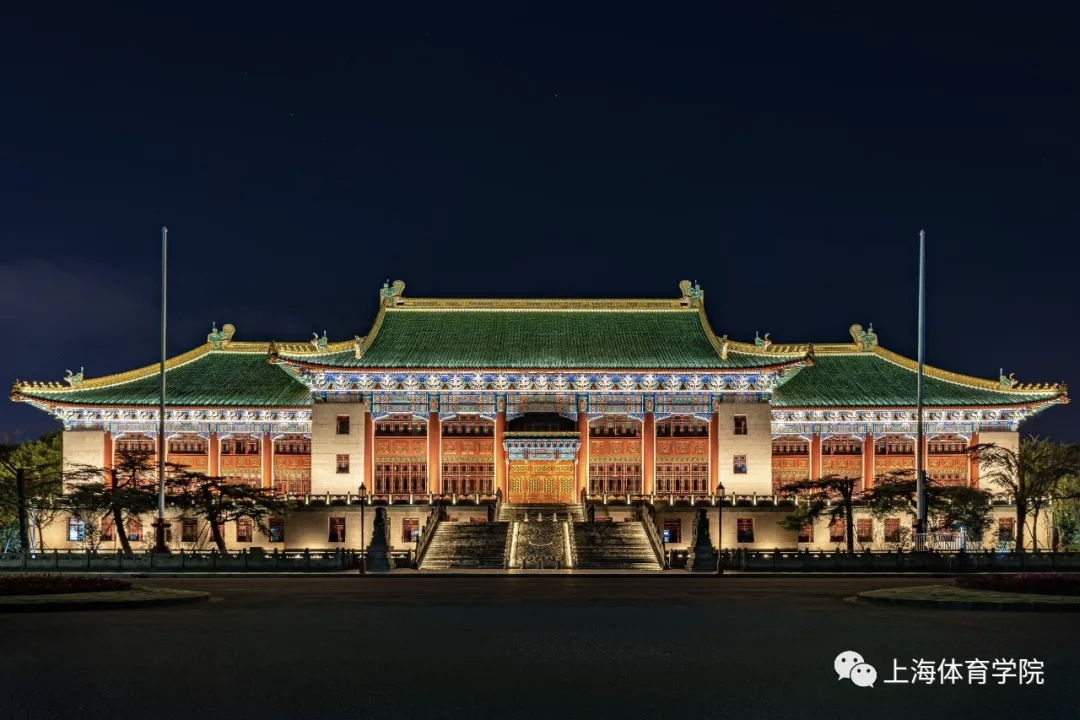
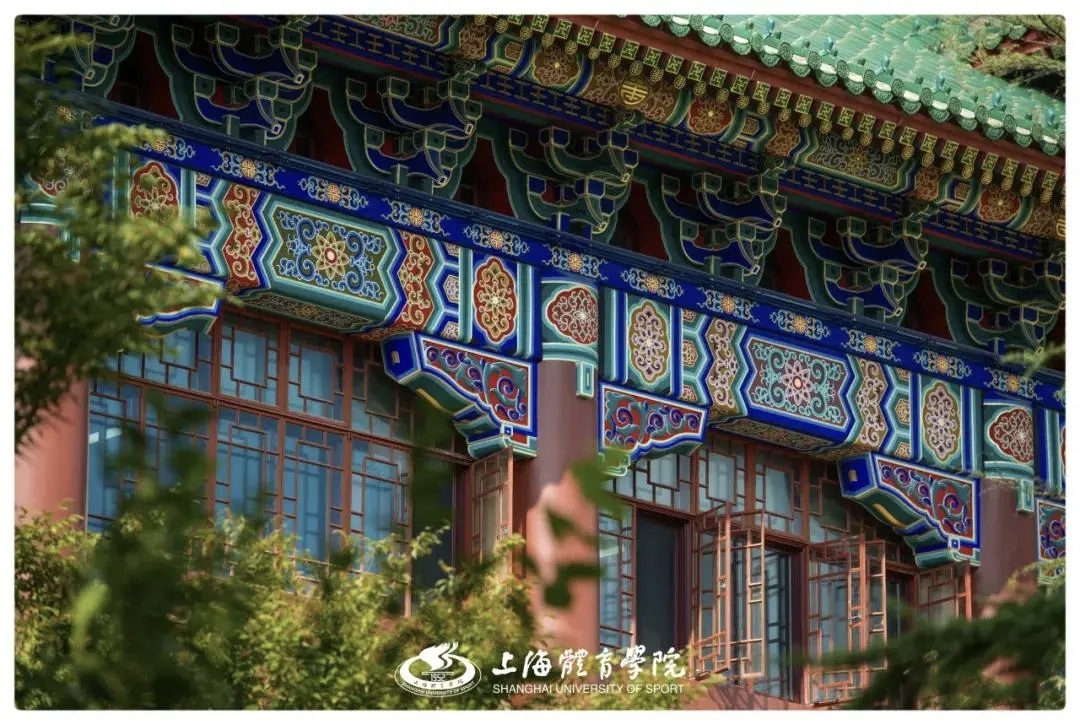
The four-story structure is a prime example of palatial Chinese classical revival style, marked by a symmetrical layout, textured faux-stone walls, a central hip-and-gable roof with glazed green tiles, and flanking hip roofs. Its red columns, painted brackets, terrace railings, granite steps, and ceremonial ramps reflect both grandeur and refined aesthetics.
If you go: No reservation required. Visitors may enter by presenting a valid ID (e.g., passport) at the gate for verification.
Open: Weekdays 5:30 am – 7:30 am & 5:30 pm – 8:30 pm; weekends and holidays 5:30 am – 8:30 pm.
03 | Fudan University
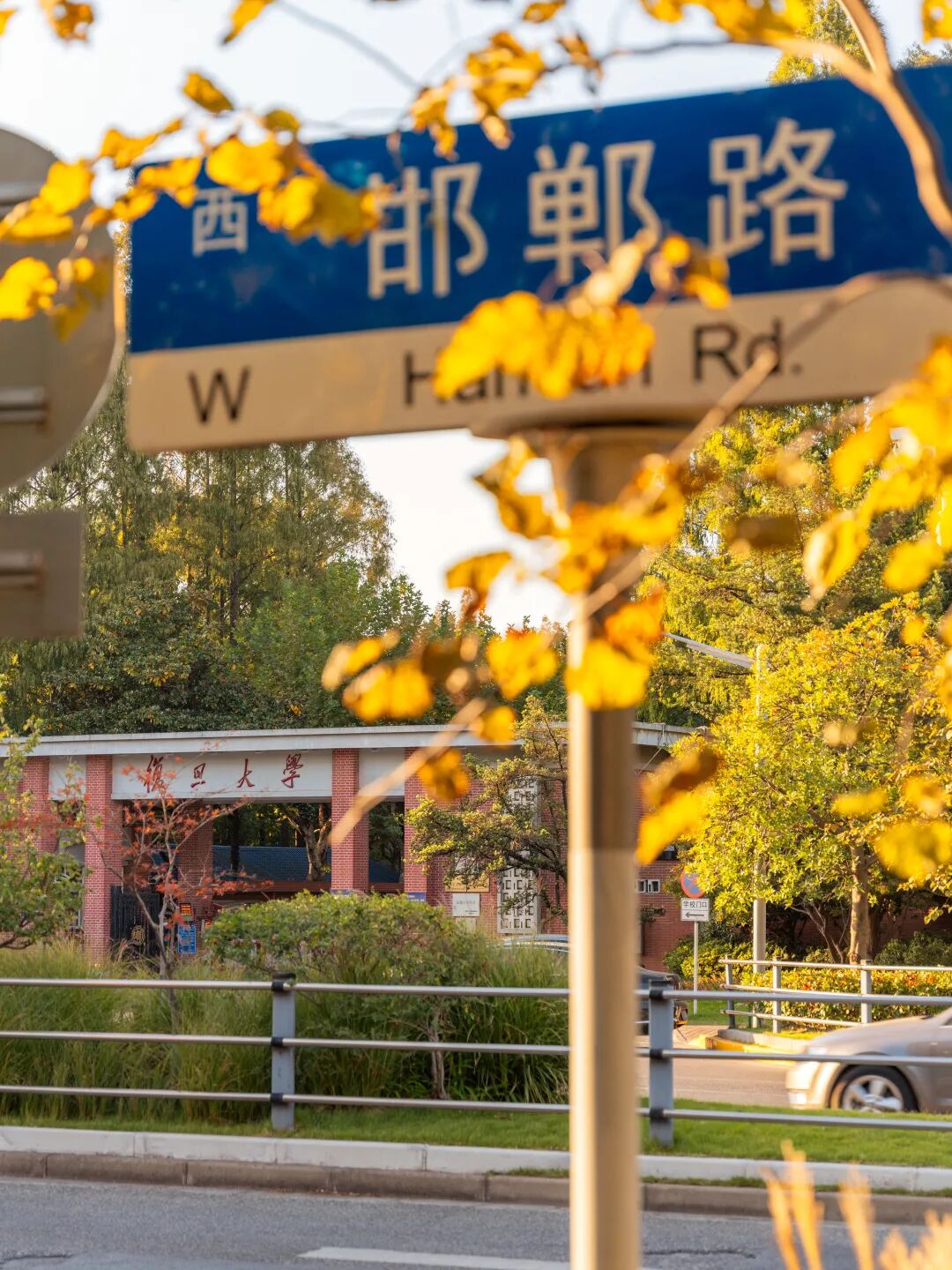
Founded in 1905 on Huashan Road by educator Ma Xiangbo, Fudan University moved to its current site at No 220 Handan Road after then-president Li Denghui secured land in Jiangwan in 1918. The campus was designed by Henry Killam Murphy, blending traditional Chinese palace layout with the US mall planning style popular at the time.
Several historic buildings remain, including Zibin Building, Xianghui Auditorium, the university's history museum, and the former residence of educator Chen Wangdao. All are designated as Shanghai cultural heritage protection units or outstanding historical architecture.
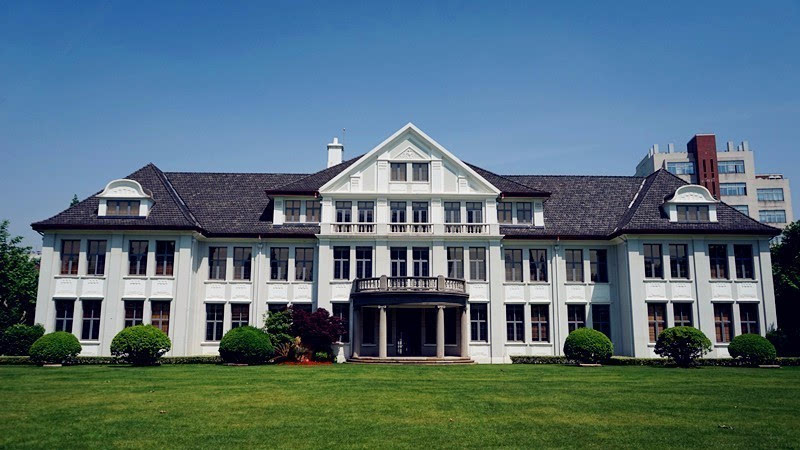
If you go: Visitors may register one day in advance via the "复旦信息办" WeChat account (search for ID "fduxxb"), selecting either the morning (6-11 am) or afternoon (1-10 pm) entry slot.
Open: Daily from 6 am to 10 pm
04 | Tongji University
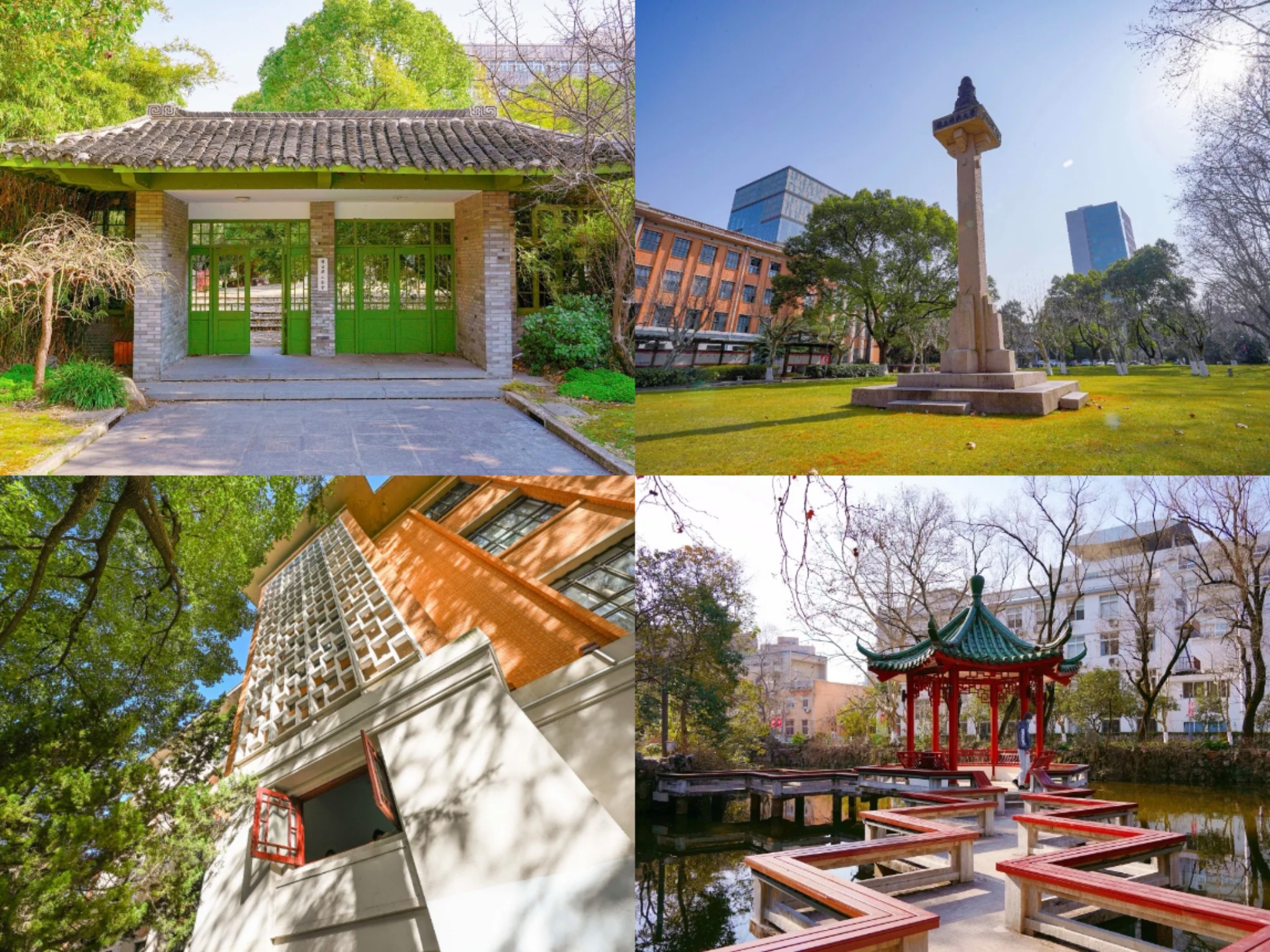
Tongji University, at No 1239 Siping Road, traces its origins to the Deutsch Medical School founded in 1907 by German doctor Erich Paulun. After relocating during wartime to Lizhuang in Sichuan province, the university returned to Shanghai in 1946, occupying a former secondary school built in the early 1940s.
Eight buildings constructed after 1949 — many designed by Tongji faculty and alumni, including architects Wu Jingxiang and Wu Lusheng — were collectively designated in 2005 as Shanghai's outstanding historical architecture.
These preserved buildings blend Chinese and Western styles. The badminton gym, Engineering Laboratory, and Wenyuan Building all carry notable historical significance. Among them, Wenyuan Building has been featured in both World Architecture History
and Chinese Architecture History.
If you go: No reservation needed. The public may enter during opening hours by presenting a valid ID at designated gates.
Open: 6:30 am to 10 pm.
Sources: WeChat account of Shanghai Historical Building Protection Administration Center, Yangpu district administration of culture and tourism, universities mentioned above