Explore the West Nanjing Road Historical and Cultural Block
Nestled in the heart of Shanghai's city center, the West Nanjing Road Historical and Cultural Block offers far more than just high-end shopping along its renowned main thoroughfare. Venture north or south from West Nanjing Road, and you'll encounter quiet neighborhoods lined with charming residential streets and elegant public buildings, each revealing a distinct chapter of Shanghai's layered past.
Here are four of the block's architectural gems, waiting to be discovered.
Alley 68 Fengxian Road
Tucked away in Alley 68, Fengxian Road, the Xiwang residential compounds date back to the early 1900s. Originally called Wangjiasha, the name comes from the numerous Wang families who once lived in the area. The buildings exemplify the English Queen Anne style, with red brick facades, pitched roofs with dormer windows, and meticulous attention to detail.
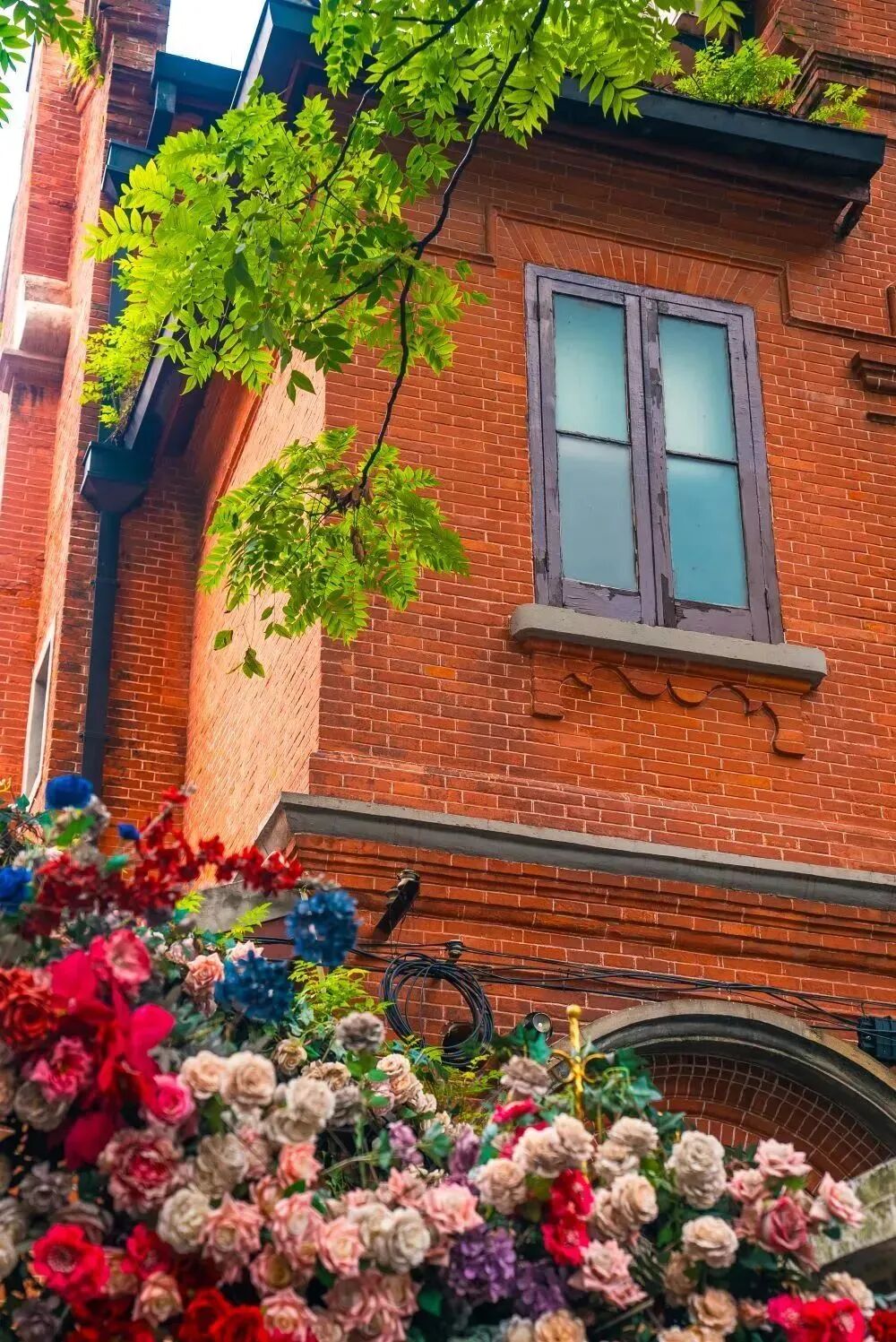
Twelve three-story houses line up in two neat rows, their red and gray brick walls accented with decorative waistlines. Over the years, the compound has been home to an eclectic mix of residents: US journalist Agnes Smedley, Yueju Opera star Qi Yaxian, and violinist Tan Shuzhen, to name a few.
In 2018, the neighborhood added a new cultural landmark: Shanghai's first lane museum. The Xiwang Gardenlane Museum, open to the public and free of charge, celebrates the city's alleyway culture and preserves memories of old Shanghai life.
No 816 Middle Yan'an Road
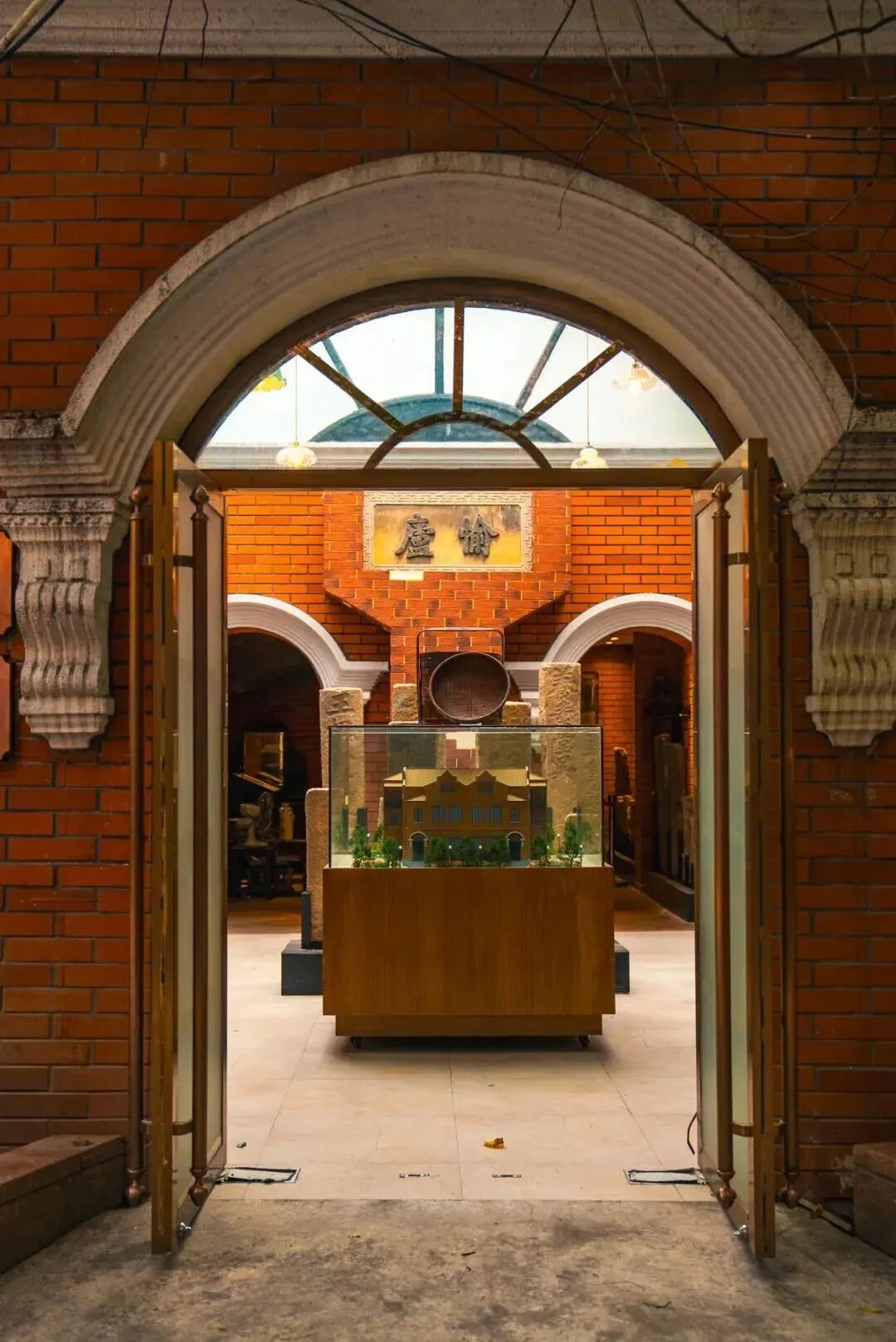
Built in 1933, this elegant three-story home once belonged to the Yan family, prominent Shanghai industrialists. Its design captures the spirit of 1930s Shanghai — where East met West in unexpected ways.
The building wraps around a central courtyard, with 71 rooms connected by corridors. Look closely at the facade, and you'll spot Art Deco influences alongside traditional Chinese touches: carved wooden brackets between concrete beams, cloud-patterned pillar tops, and Chinese motifs on wooden doors. Outside, a pond, winding bridges, and ancient trees create a serene garden atmosphere.
Since 2014, the building has housed the headquarters of Jiefang Daily. Carefully restored, it now fulfills a new purpose while honoring its past. Exhibition spaces inside regularly feature displays on Shanghai's history and culture.
No 173 North Shaanxi Road
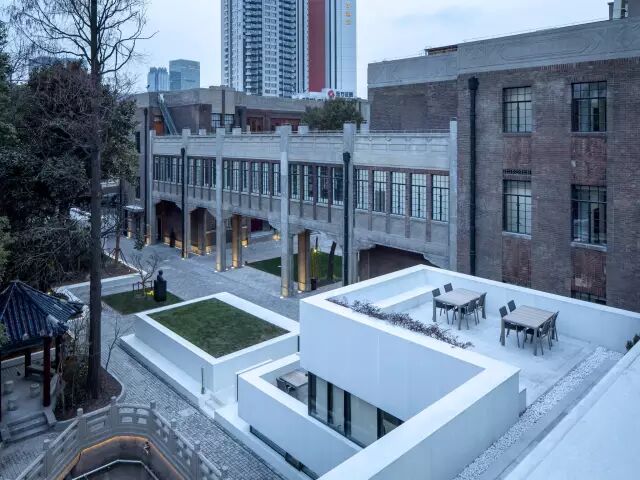
Rising more than 40 meters above North Shaanxi Road, the former Cosmopolitan Apartment was built in 1934 and stands as one of modern Shanghai's few apartment buildings designed by a Chinese architect.
The complex centers around a 10-story main tower, with wings that step up in height on either side. The Spanish influence is unmistakable, evident in details such as the decorative window heads and the projecting entrance canopy. Glass bricks set into the walls and ceilings allow natural light to filter through.
Cosmopolitan Apartment has long attracted artistic residents. Writers and performers, including Li Jianwu, Jin Shan, Zhang Ruifang, and Wang Danfeng, once called this place home. Today, it remains a residential building — a living piece of Jing'an district's history.
No 369 North Shaanxi Road
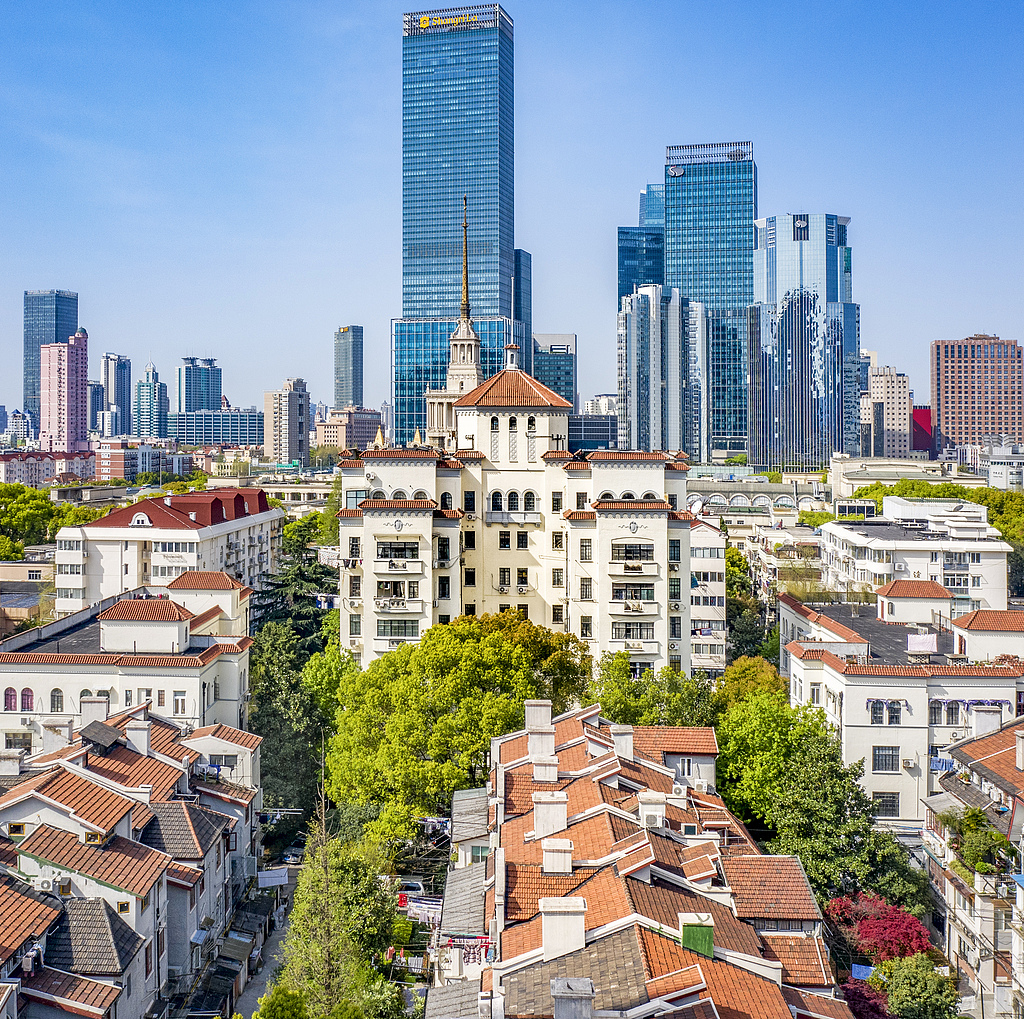
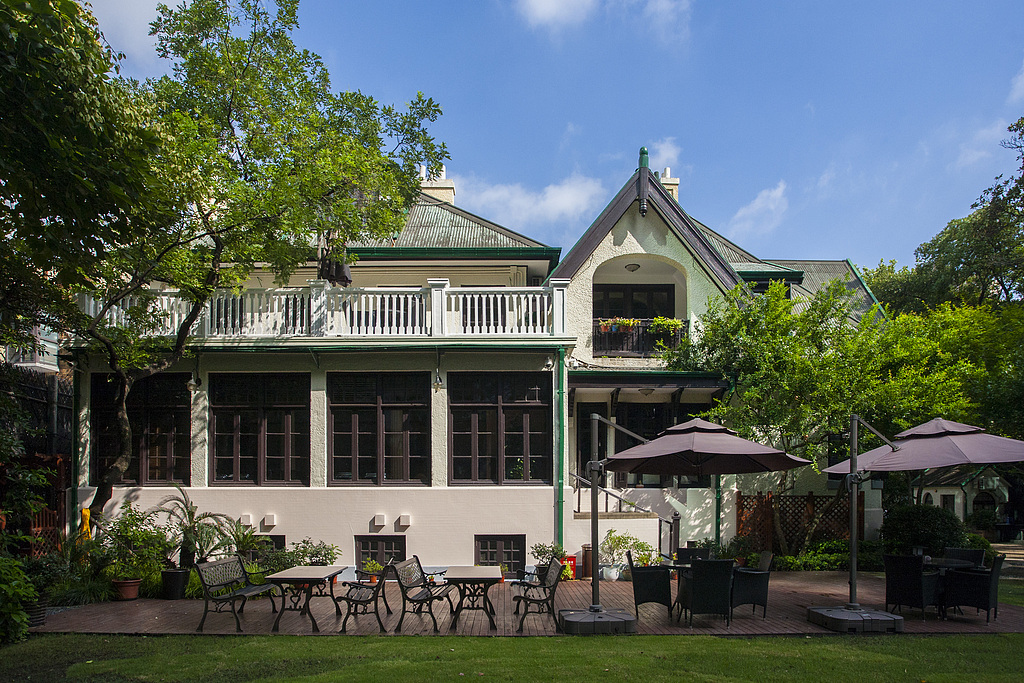
Step through the iron gate at No 369 North Shaanxi Road, and you've entered one of Shanghai's most storied residences. Built in 1908, this English-style garden villa was purchased in 1918 by Charles Jones Soong, a prominent industrialist whose daughter, Soong Ching Ling, would become one of the most influential women in modern Chinese history.
The three-story villa covers about 660 square meters, set with a 980-sq m garden. Inside, stained-glass windows, Roman columns, and fireplaces lend a distinctly English culture. The ground floor reception rooms feature lauan wood flooring and period furnishings. Upstairs were the family's private quarters. Outside, a century-old magnolia tree stands guard over the garden.
Today, the building serves as the office of the Shanghai Soong Ching Ling Foundation, carrying forward the family's legacy of public service.
Source: Shanghai Historical Building Protection Administration Center