Beyond the screen: A cinematic trail through Changning
The 28th Shanghai International Film Festival opened on June 12. Beyond the theater seats, a cinematic journey awaits in the streets of Shanghai. This 2.3-kilometer walking trail guides visitors through stories hidden in Changning district's plane tree-lined neighborhoods, reviving the golden years of the silver screen.
First stop: Xinhua Road
Xinhua Road, first built in 1925, is known as "Shanghai's No 1 garden avenue" and is one of the city's 64 preserved roads. As a cornerstone of Shanghai's film culture, it is home to the newly renovated Shanghai Film Art Center, alongside former residences of numerous cinematic luminaries, giving the street a quiet continuity between living history and contemporary film appreciation.
(1) Shanghai Film Art Center
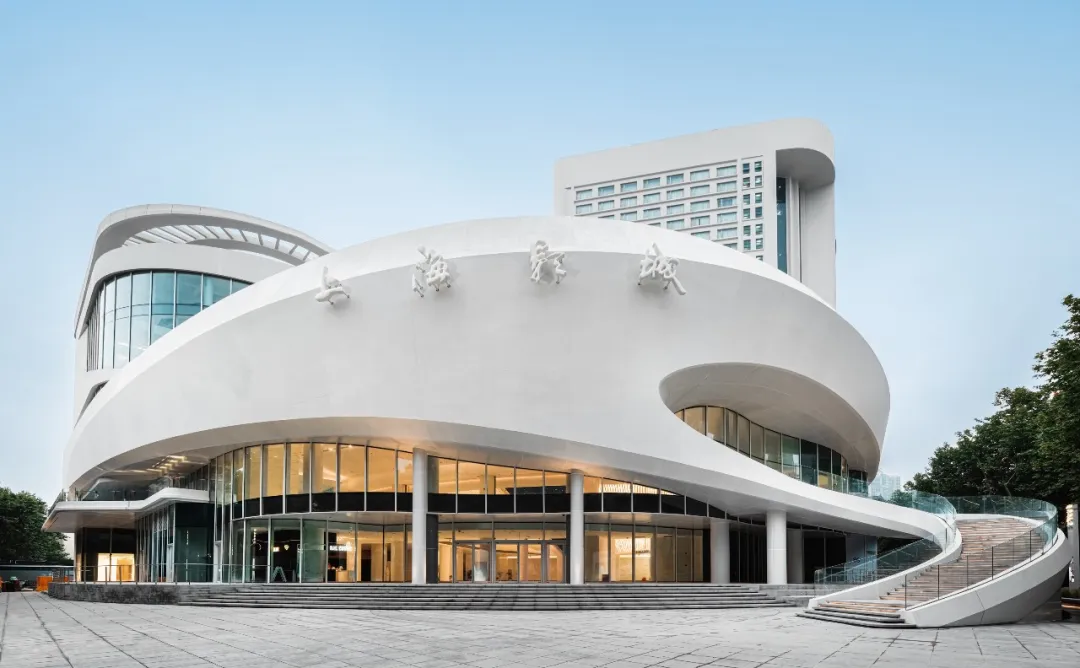
Located at No 160 Xinhua Road, the Shanghai Film Art Center is the city's first five-star cinema and the main venue of the Shanghai International Film Festival. The inaugural SIFF was held here in 1993. Following its 2023 renovation, the center introduced Asia's first Dolby Theatre.
(2) Tai'an Road
Tai'an Road runs between Huashan Road and Wukang Road. Though it stretches a mere 514 meters — a 10-minute walk from end to end — a closer look reveals that this street once housed numerous film professionals.
- Former residence of He Lyuting: He Lyuting was a renowned Chinese composer in the 1930s who wrote theme songs and scores for more than 20 films, including Angels on the Road and Crossroads. From 1956, he lived at Alley 76 on Tai'an Road until he died in 1999 at the age of 96.
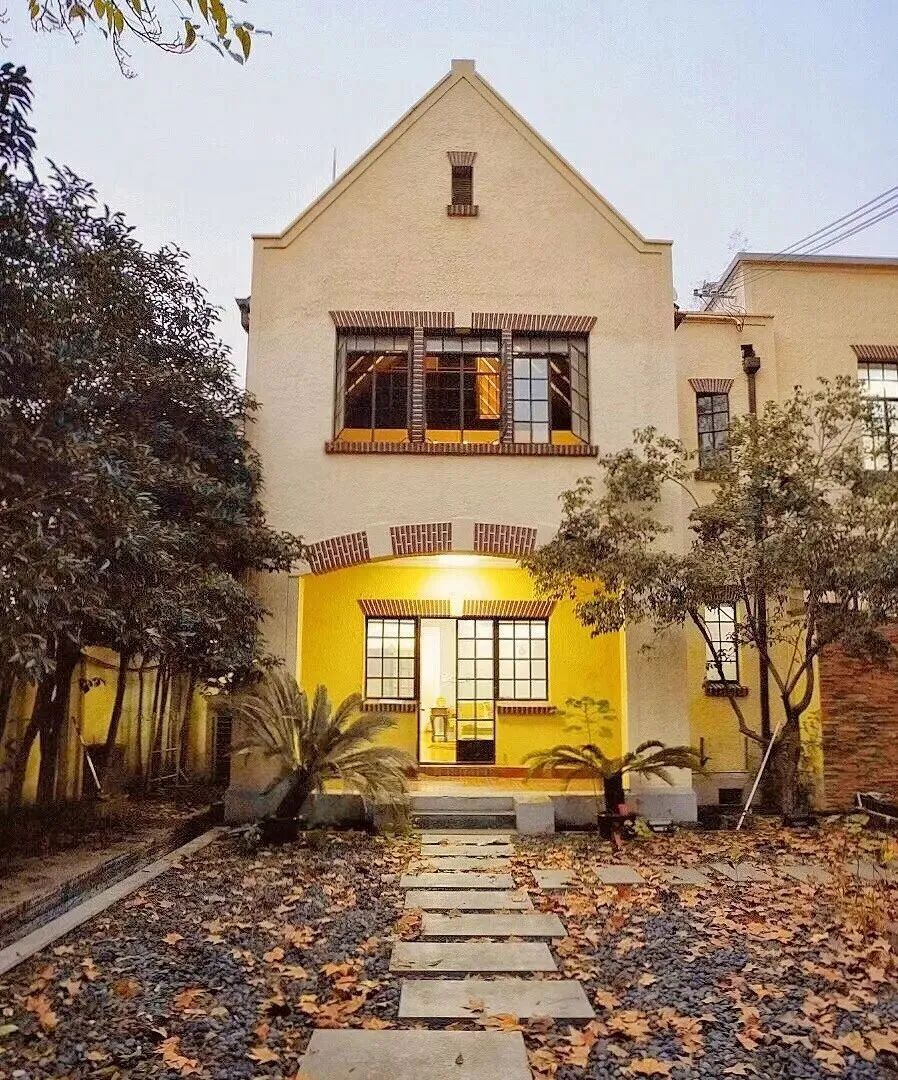
- Former residence of Huang Zuolin: Weileyuan, located at Alley 120 Tai'an Road, is a premium villa complex built in 1924. No 1 is a Spanish-style single-family garden residence and the former home of acclaimed director Huang Zuolin. From 1941, he lived here for more than half a century, creating and rehearsing over 100 plays and films on the premises. The residence also preserves memories of his interactions with George Bernard Shaw, serving as a living testament to the development of modern Chinese theater. This year marks the 120th anniversary of Huang's birth, and SIFF will screen his representative film Phony Phoenixes.
Second stop: Panyu Road
Panyu Road, originally named Columbia Road, is also one of Shanghai's 64 preserved roads. It features Sun Ke Villa and the former residence of Hungarian-born architect Laszlo Hudec — both designed by Hudec — which are now part of the Columbia Circle commercial zone. With their distinctive Shanghai-style character, these landmarks have become cinematic favorites, frequently appearing in films and TV dramas as vivid representations of old Shanghai on screen.
(1) Hudec Memorial Hall
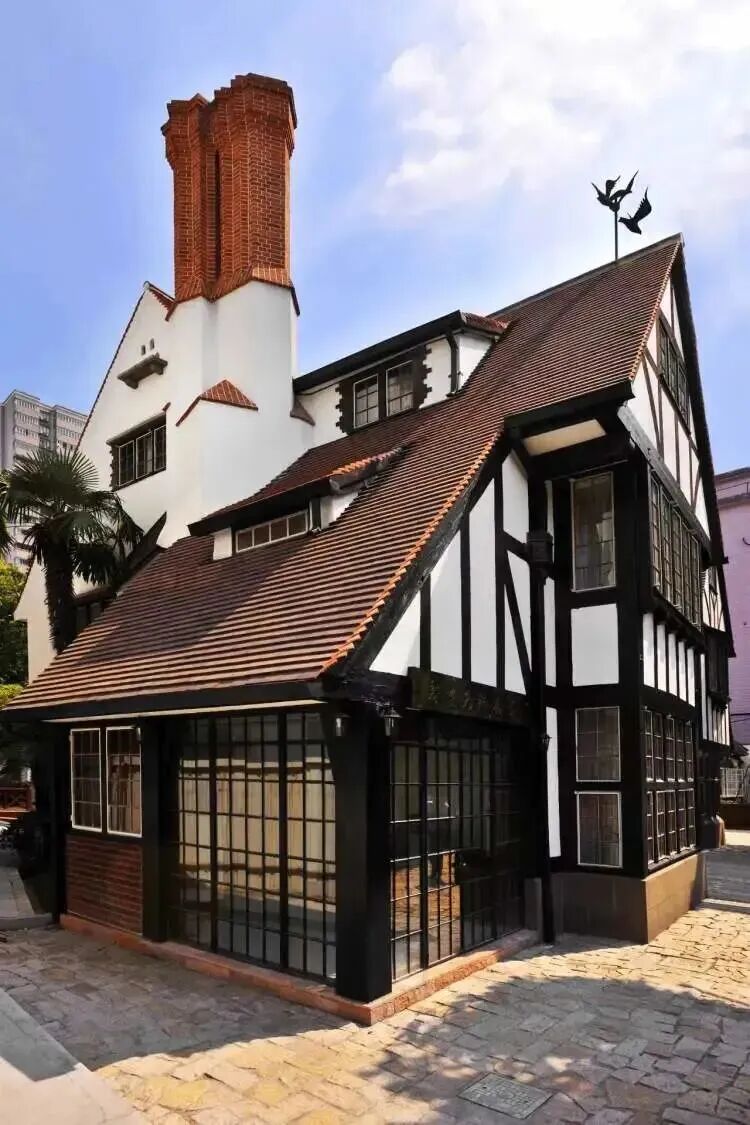
Located at No 129 Panyu Road, the Hudec Memorial Hall is the former residence of Laszlo Hudec, completed in 1931. Hudec's architectural legacy in Shanghai is both rich and enduring, with iconic landmarks such as the Park Hotel, the Grand Cinema, the Wukang Building, and Sun Ke Villa. His designs have been featured in numerous films, including B for Busy, Leaving Me, Loving You, Empire of the Sun, Countess, and The Last Tycoon.
(2) The inspiration behind Empire of the Sun
Empire of the Sun, directed by Steven Spielberg and based on the semi-autobiographical novel by British sci-fi master J.G. Ballard, draws on Ballard's childhood memories in Shanghai. His former residence stands at what is now No 508 Panyu Road. Ballard later wove his experiences of life on Panyu Road into the pages of Empire of the Sun.
This year's SIFF will also screen Spielberg's masterpieces A.I. Artificial Intelligence and Ready Player One, offering audiences an opportunity to revisit these modern classics on the big screen.
(3) Z58
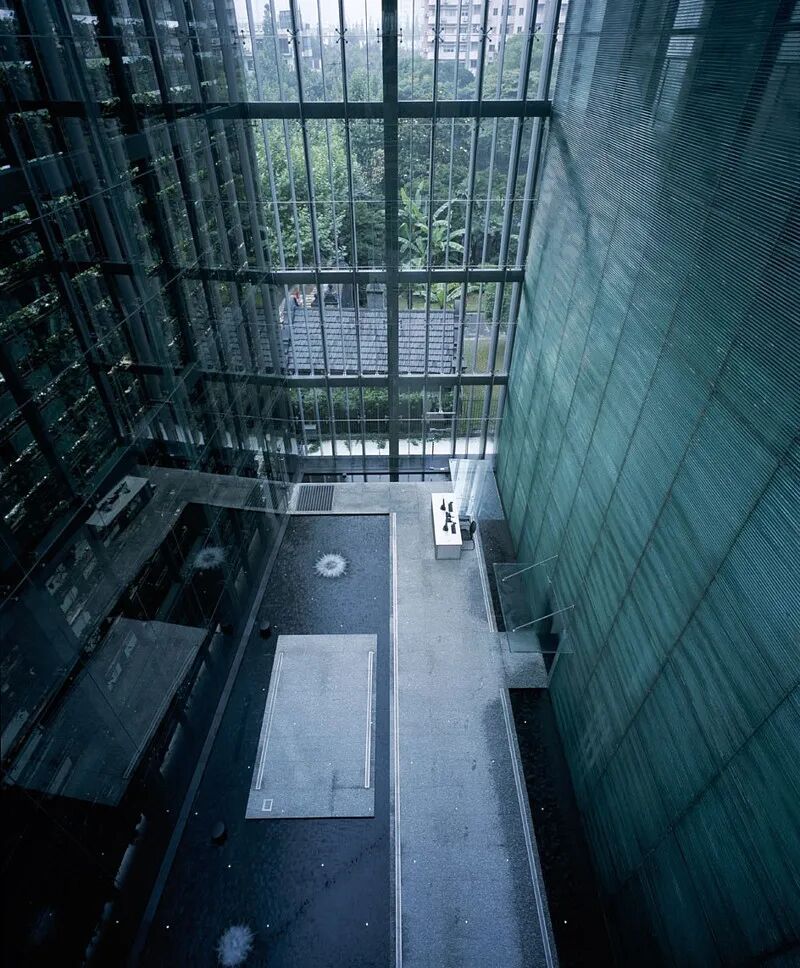
Z58 is located at No 58 Panyu Road. Once a three-story watch factory, the building has been transformed into a contemporary commercial space. Its latticed exterior walls are lined with mirrored stainless-steel planters overflowing with ivy, while the reflective surfaces capture and mirror passersby on the street. The site also served as a filming location for the film Tiny Times.
Third stop: Yuyuan Road
Yuyuan Road is steeped in cinematic history, long serving as a favored filming location for Republic of China-era dramas and an important film screening venue in Changning.
No elaborate sets are needed. The plane trees and old villas that line the street create a distinctly modern cinematic aesthetic, shaping the atmosphere as much as any production design ever could.
(1) No 699 Yuyuan Road
The family home of the female protagonist in director Xie Jin's film The Last Aristocrats was filmed at Yan's Garden, located at No 699 Yuyuan Road. This British-style garden villa was once the residence of a wealthy Jewish businessman. Its understated elegance and shifting tides of history closely mirror the protagonist's journey from a life of privilege to one marked by displacement.
A defining figure of China's third generation of filmmakers, Xie Jin remains a recurring presence at SIFF. His film The Red Detachment of Women is on this year's screening list.
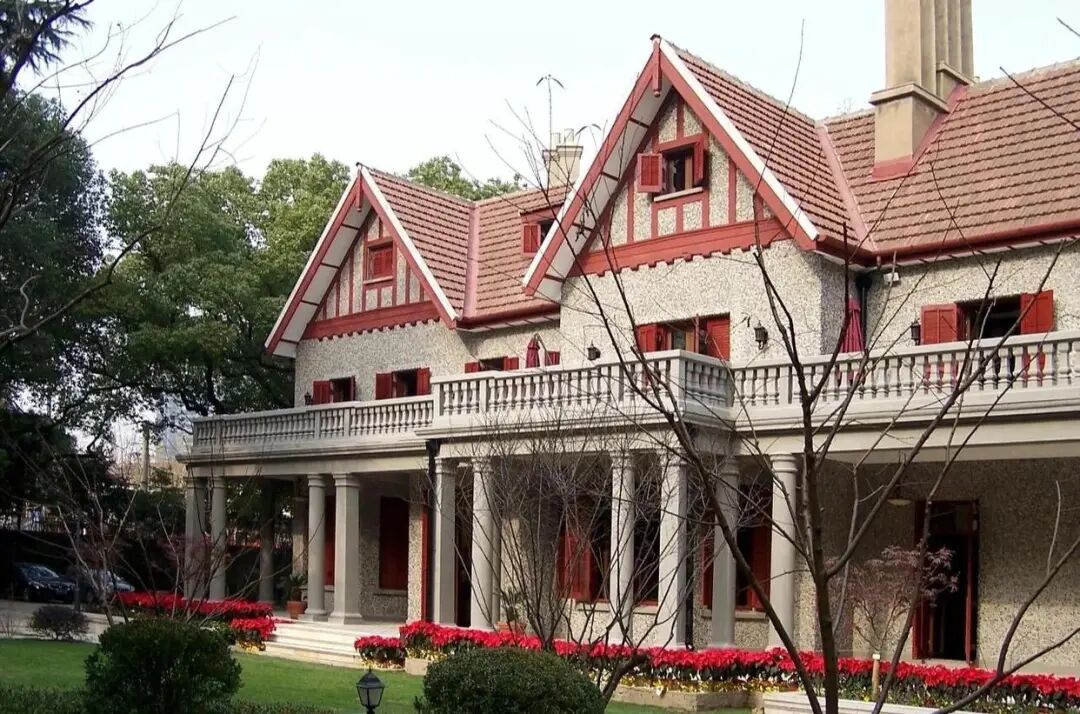
(2) Alley 749, Yuyuan Road
Alley 749 on Yuyuan Road, with its authentic old Shanghai alleyway charm, has appeared in two Republic of China-era films: Ang Lee's Lust, Caution and Ann Hui's The Golden Era. The setting’s textured streets and lived-in atmosphere capture the layered sense of history that both productions seek to evoke.
For those drawn to cinema in this period, this year’s SIFF program also features Flowers of Shanghai and Hidden Blade, both of which continue to explore the mood and complexity of the era.
Source: Changning district government