Three routes to discover Baoshan's intangible cultural heritage
For those seeking a different side of Shanghai, Baoshan district offers a journey through its rich intangible cultural heritage. Ranging from folk art exhibitions and ceramic studios to century-old culinary traditions and craft workshops, the following three routes invite visitors to uncover the district's cultural treasures.
Route 1: Shanghai Baoshan International Folk Arts Exposition → Shanghai Ceramic S&T Art Museum → Gaolaozhuang
Shanghai Baoshan International Folk Arts Exposition
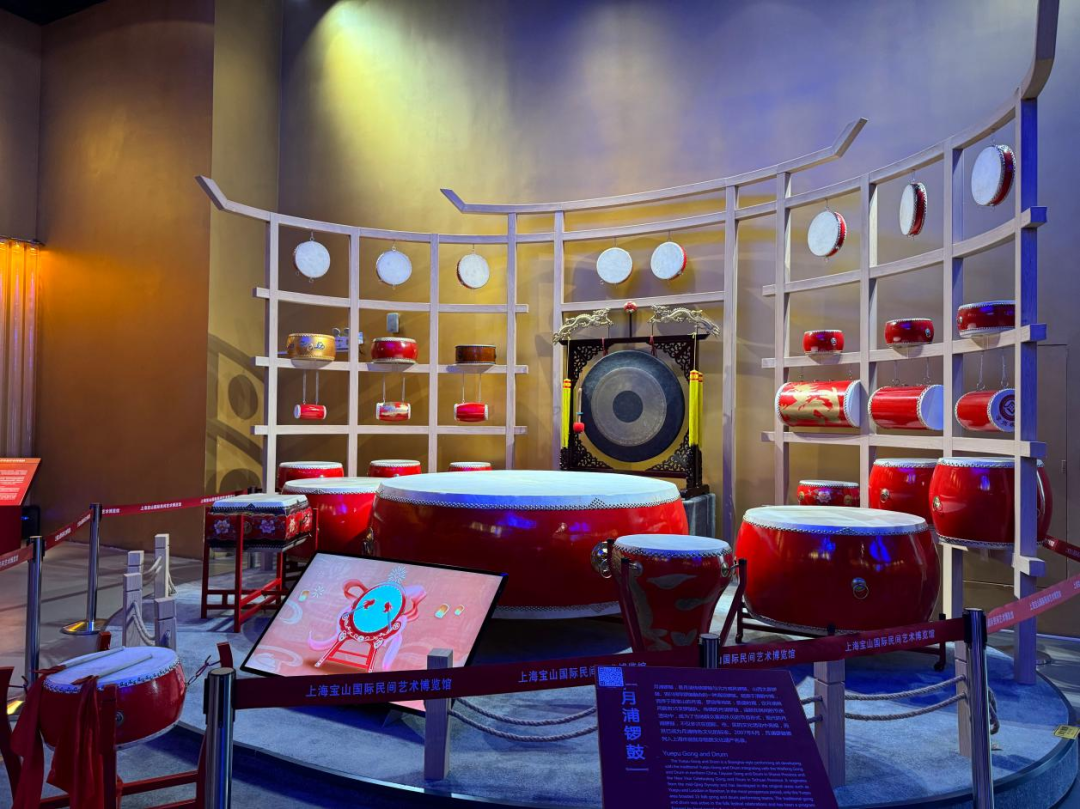
Designed with a Chinese knot motif, the building stands as China's only museum dedicated to folk arts and cultures from around the world, while also serving as a municipal heritage preservation base in Shanghai.
The first floor features galleries showcasing folk art from the Asia-Pacific, Africa, the Middle East, Europe and North America, and Latin America, as well as interactive zones. The second floor houses an exhibition of Chinese tea ware spanning various dynasties.
Address: No 4788 Hutai Road, next to Gate 1 of Gucun Park
Open: Tuesday to Sunday, 9 am – 4 pm (closed on Mondays, last entry at 3:30 pm)
Admission: 30 yuan ($4.44) for adults
Shanghai Ceramic S&T Art Museum
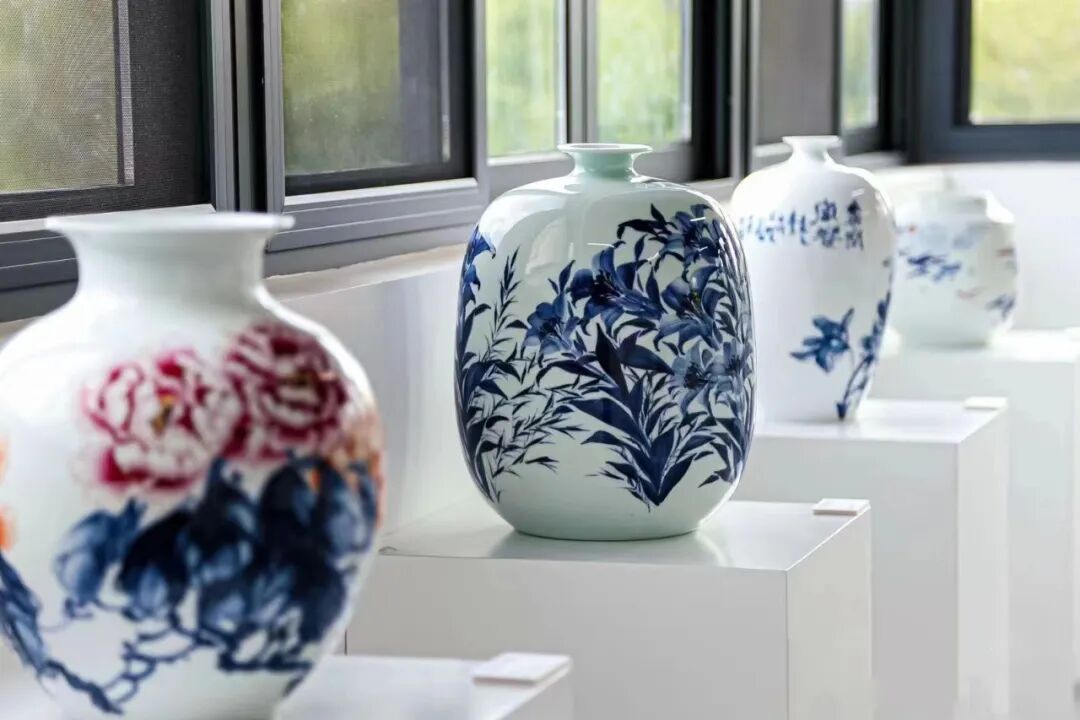
As Shanghai's first multidisciplinary science museum dedicated to ceramics, the venue combines art exhibitions, interactive technology displays, and hands-on creative workshops. Its 12 exhibition zones cover raw materials, production processes, modern technological applications, and works by master ceramists.
Visitors can also try their hand at pottery throwing or painting their own cup on-site.
Address: No 578 Songfa Road
Open: Daily, 9:30 am – 5 pm
Gaolaozhuang
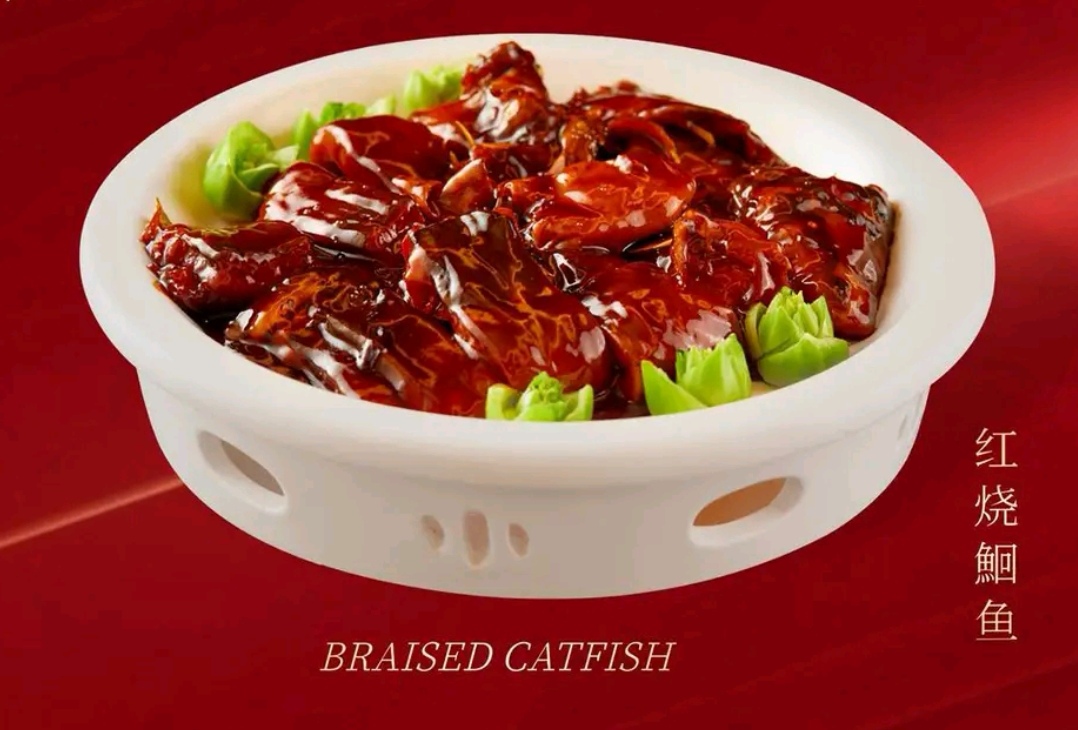
This restaurant serves Baoshan braised longsnout catfish, whose cooking technique is recognized as a municipal-level intangible cultural heritage item. The cooking technique involves a precise sequence of high and low heat to achieve a tender, melt-in-the-mouth texture. Its signature flavor is subtly sweet at first, followed by a savory finish.
Address: No 118 Julian Road
Open: Daily, 10 am – 9:30 pm
Route 2: Wood Museum → Yaoyao mutton restaurant → Gucun knot art workshop → Dachang intangible heritage workshop
Wood Museum
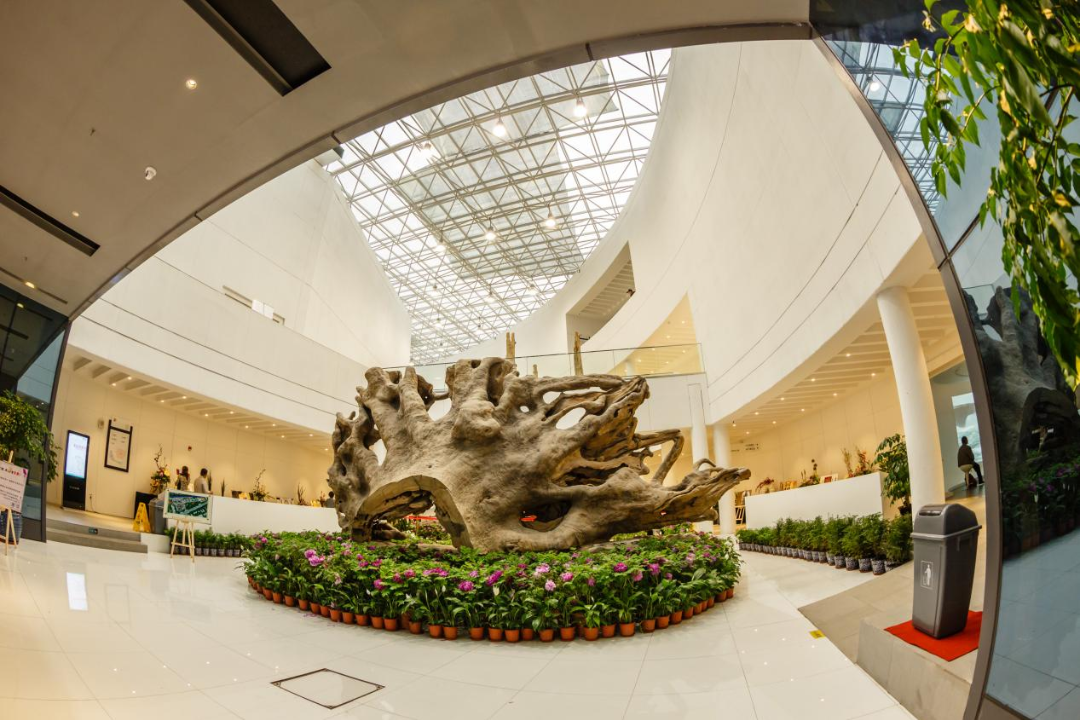
As China's first museum dedicated to wood culture, this venue’s centerpiece is a Dream of the Red Chamber-themed furniture collection, crafted over a decade from precious woods. It features 16,000 carved figures and 2,000 scenes across 2,000 square meters of carved surfaces. Other highlights include petrified wood fossils and hands-on woodworking experiences.
Address: No 2751 Hutai Road
Open: Tuesday to Sunday, 9 am – 5 pm (closed on Mondays, last entry at 4:30 pm)
Admission: 60 yuan for adults
Yaoyao mutton restaurant
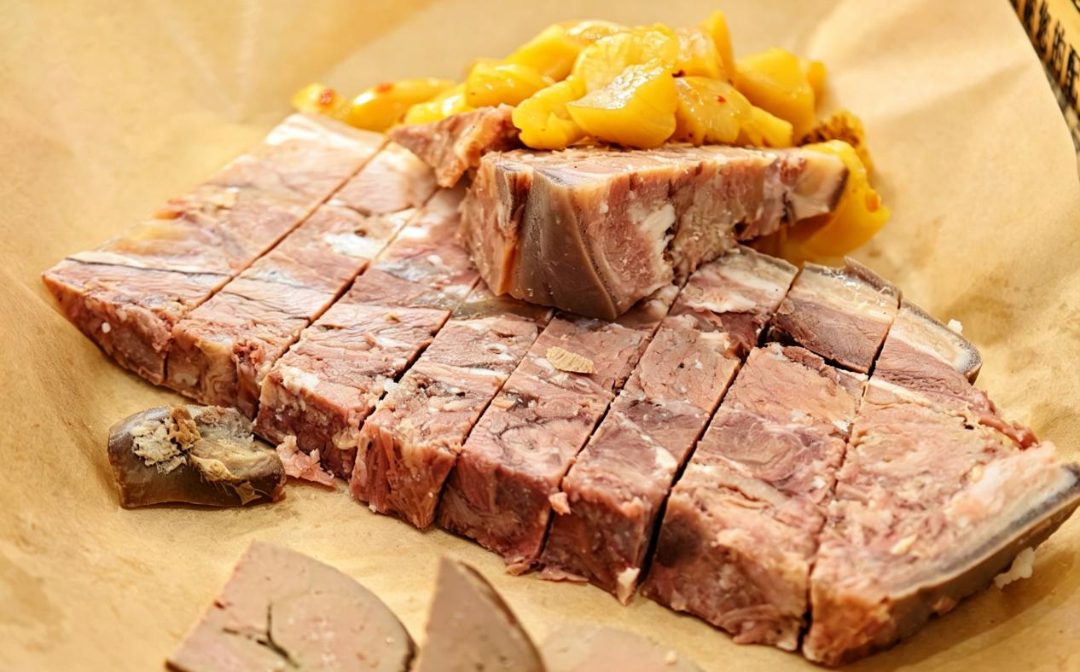
The restaurant is known for its Baoshan-style sliced mutton, a dish listed as a district-level heritage item. The tradition dates back to the early 20th century, with recipes passed down through generations. The sliced mutton is tender and served with a rich, savory broth.
Address: No 2925 Hutai Road
Open: Daily, 5 am – 6 pm
Gucun knot art workshop
Based on traditional Chinese knotting techniques, Gucun knot art weaves in decorative and symbolic elements that reflect Shanghai's distinctive cultural character. Visitors can try their hand at beading and knotting during their visit.
Address: Zone C2-4, No 2695 Hutai Road
Open: Daily, 9:30 am – 6 pm (advance reservation required)
Dachang intangible heritage workshop
This is the first subdistrict-level heritage workshop in Shanghai. It features 11 heritage crafts, including palm weaving, metal painting, Shanghai velvet embroidery, Shanghai-style paper-cutting, and knot art. Two of these — Jiangnan silk and bamboo music and mortise-and-tenon joinery — are recognized as municipal-level heritage items.
Address: 4F, No 2010-1 Hutai Road
Route 3: Baoshan Youli souvenir shop → Hongluyuan Hotel → Leihong Dendrobium Ecological Park → Baoshan Temple
Baoshan Youli souvenir shop
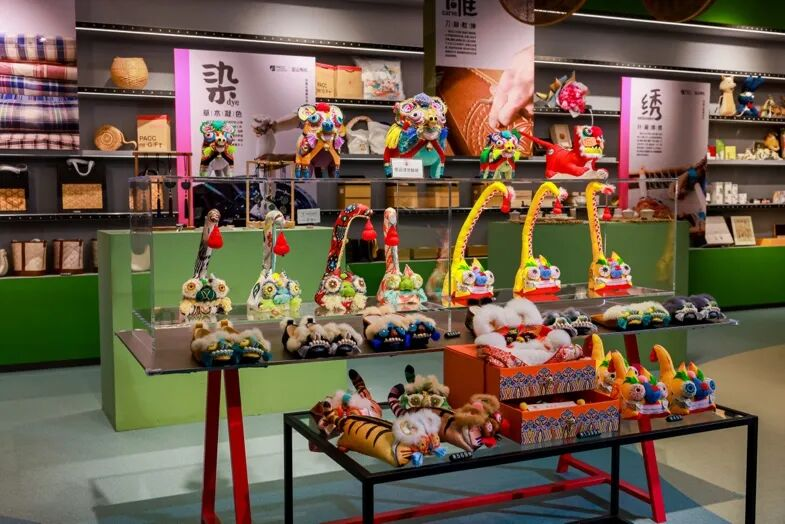
Located on the basement level of Long Beach Tower, this shop curates a range of heritage-themed products, including sachets and inlaid crafts. Visitors can enjoy panoramic views of the Baoshan riverside from the observation tower while exploring local intangible cultural heritage at the creative store.
Address: B1, No 59 Yunhai Road
Open: Daily, 9:30 am – 7:30 pm
Hongluyuan Hotel
The hotel traces its origins back to the renowned Hexing Restaurant on the historic Wusong Street and is a direct inheritor of the authentic Baoshan-style braised longsnout catfish culinary technique. A 5-minute walk from the hotel brings visitors to the Baoshan riverside walkway. Here, guests can savor the authentic taste of braised catfish while taking in the breathtaking view of where the Yangtze River, Huangpu River, and Wenzao River converge.
Address: No 40 Youyi Road
Open: Daily, 9:30 am – 1:30 pm and 4 – 9 pm
Leihong Dendrobium Ecological Park
Located in a water-source protection zone, the park cultivates dendrobium orchids on fruit trees. In collaboration with local heritage bakers, it has introduced new pastries infused with dendrobium and flowers.
Address: No 18 Xinjianzhai, Xinlu village, Luojing town
Baoshan Temple
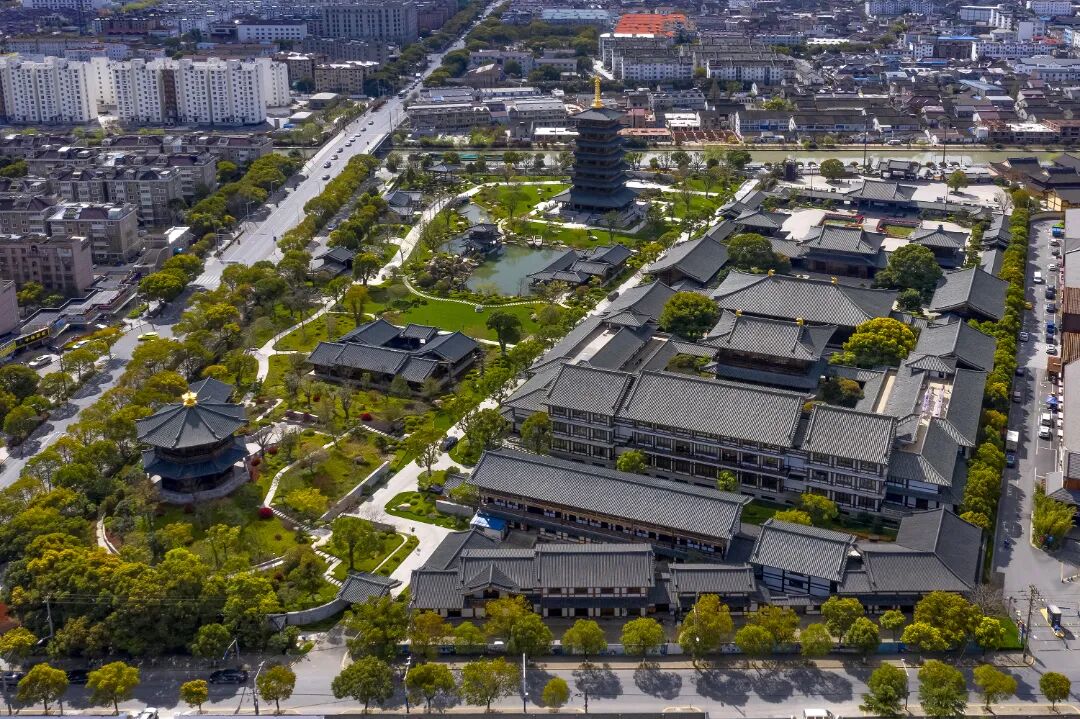
Built in the late Tang (618-907) architectural style, the temple is constructed entirely using mortise-and-tenon joinery and African padauk wood, without a single nail.
The complex is laid out along a central axis, with the Hall of Heavenly Kings, the Hall of Mahavira, and the Main Shrine Hall framed by towering pagodas and winding corridors, offering visitors a journey through a millennium of history.
Address: No 518 Luoxi Road
Open: Daily, 7 am – 4 pm
Admission: 20 yuan
Please note that opening hours, ticket prices, and available activities are subject to change. It is advisable to confirm with each venue before visiting.
Sources: Baoshan district administration of culture and tourism, Baoshan district cultural heritage protection center