Countryside Escapes | Qingpu: Farms, art, and waterside villages
As part of the 2026 Golden Autumn Consumption Season, Shanghai has introduced countryside travel routes across nine districts.
This installment explores Qingpu district, with three routes covering mushroom farms, forest markets, historic villages, traditional crafts, and rural art spaces.
Route 1: Mushroom picking and waterside strolls
Suggested route:
Mo Farm → Xihong Farmers Market → Jingbo Qinhan Fashion Center → Hemu Water Street → Songze Yingxiang
Mo Farm
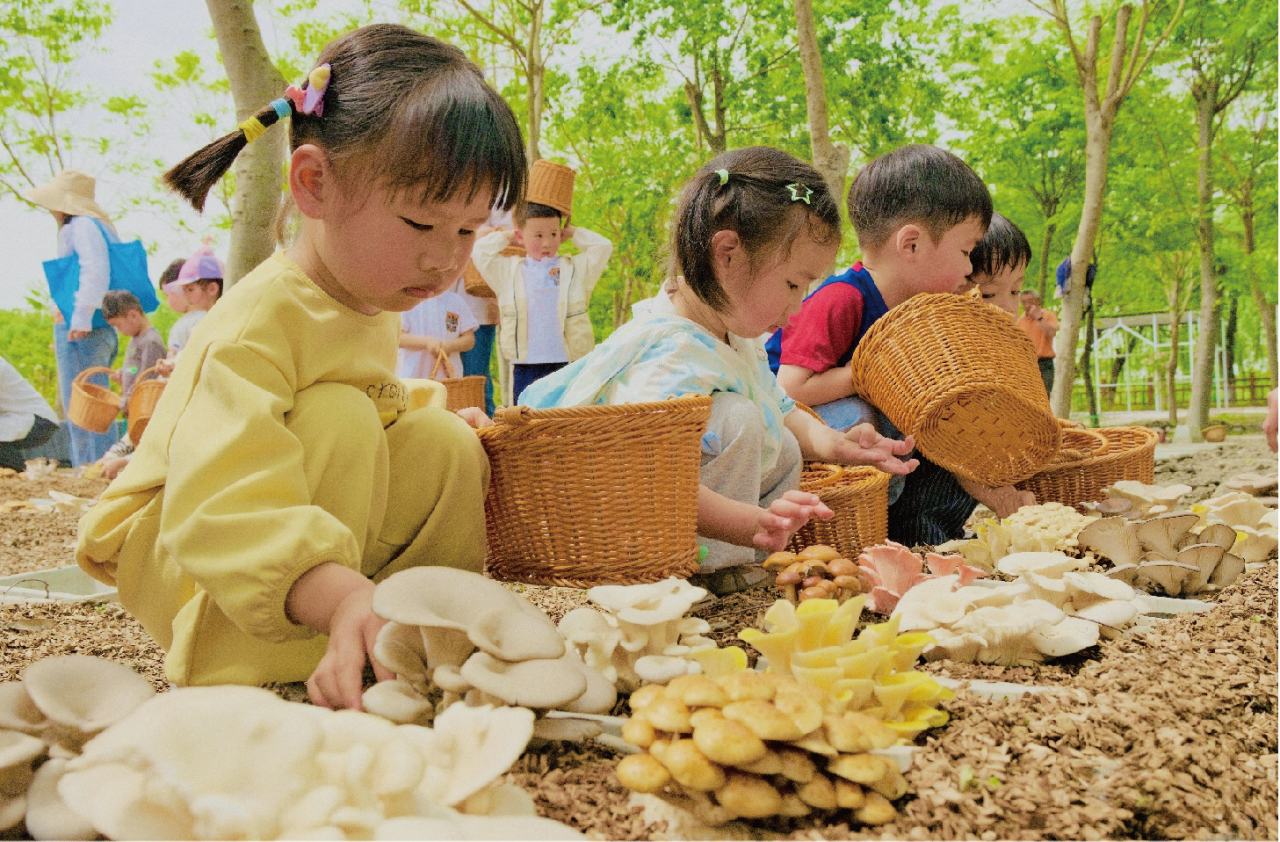
Start in Fangxia village in Zhaoxiang town at Mo Farm, a 108-mu (7.2-hectare) mushroom-themed ecological farm.
Visitors can pick mushrooms, learn how they are grown, and cook freshly harvested mushrooms on site. The farm also offers educational activities for families and camping.
Jingbo Qinhan Fashion Center
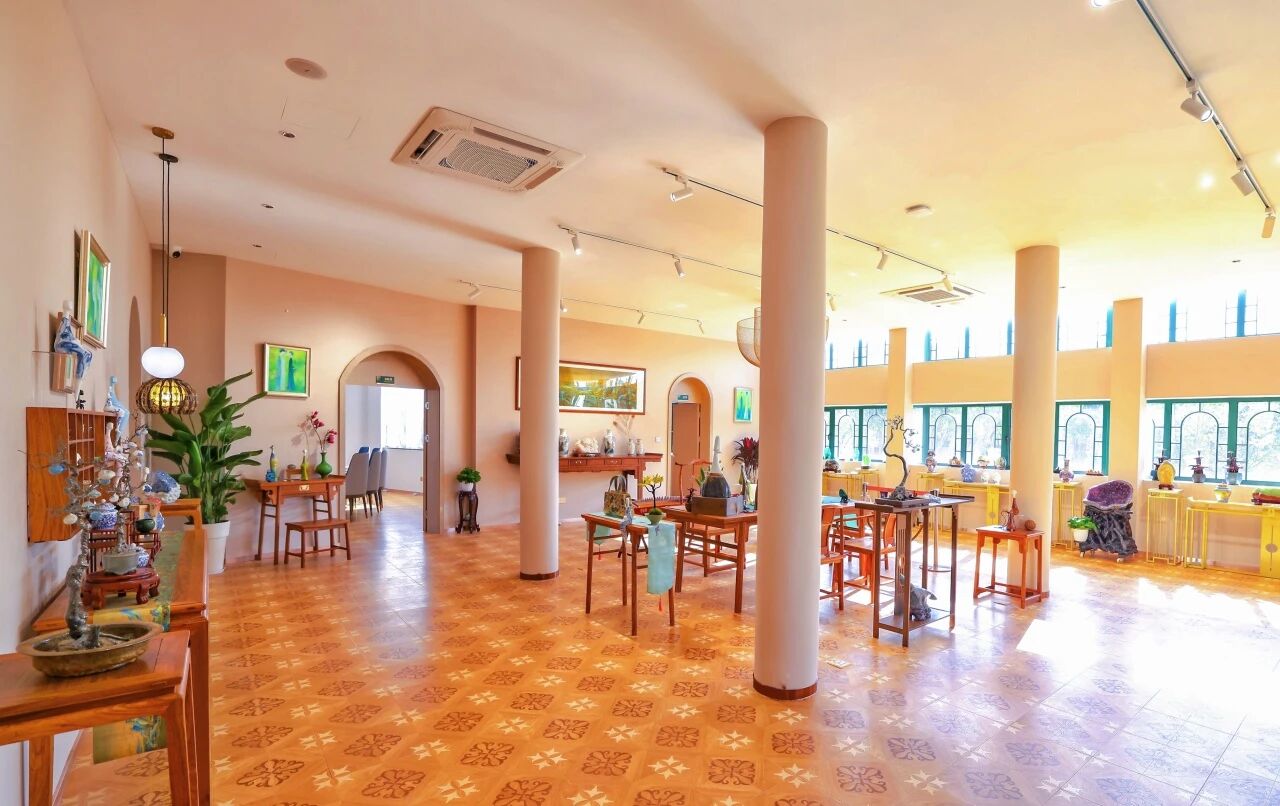
Jingbo Qinhan Fashion Center specializes in Shanghai-style qipao and offers displays and custom tailoring services.
The Mediterranean-style building also houses cultural products, intangible cultural heritage experiences, and spaces for tea and coffee. Its creative drinks include a dendrobium latte.
Hemu Water Street
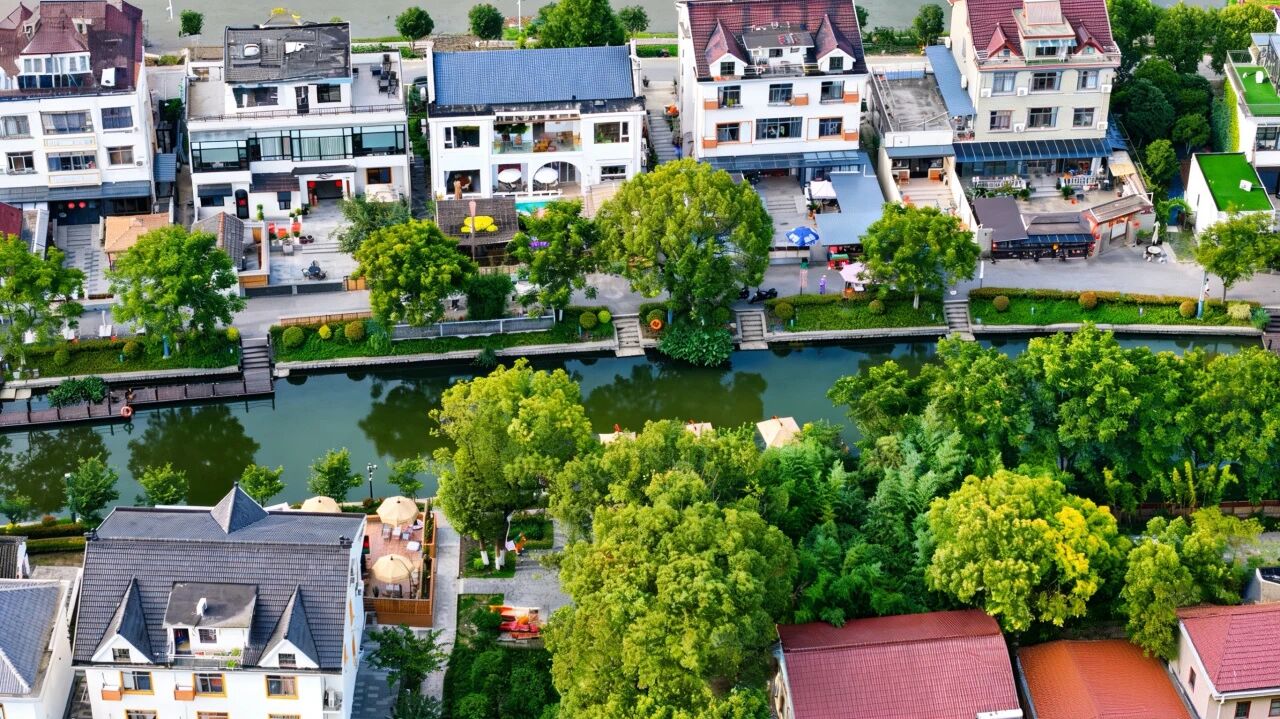
In neighboring Hemu village, Hemu Water Street stretches along both banks of the Xujing River. More than 20 businesses line a stretch of less than 300 meters, including cafes, restaurants, book bars, boutique teahouses, and guesthouses.
Qingpu Bailian Outlets Plaza is also nearby for those interested in shopping.
Songze Yingxiang
Songze Yingxiang draws on the area's prehistoric heritage, which dates back around 6,000 years. The site blends history with contemporary village life. Attractions include the Songze cultural space, Luyuyuan Archaeological Park, and century-old farmhouses.
Route 2: Rural heritage and creative spaces in Liantang
Suggested route:
Xulian Village Agricultural Ecology Museum and Xiehou Campsite → Zhuangyan Temple → Dongshe Village History Museum → Art-M Cultural and Creative Industry Park
Xulian Village Agricultural Ecology Museum and Xiehou Campsite
The Xulian Village Agricultural Ecology Museum features an approximately 200-square-meter exhibition space showcasing the characteristics and growth stages of Jianghai 21, a variety of Chinese mitten crab.
Nearby, Xiehou Campsite has a 7,000-square-meter lawn. Built around the village's crab-farming industry, the campsite combines outdoor recreation with educational activities about crab cultivation.
Zhuangyan Temple
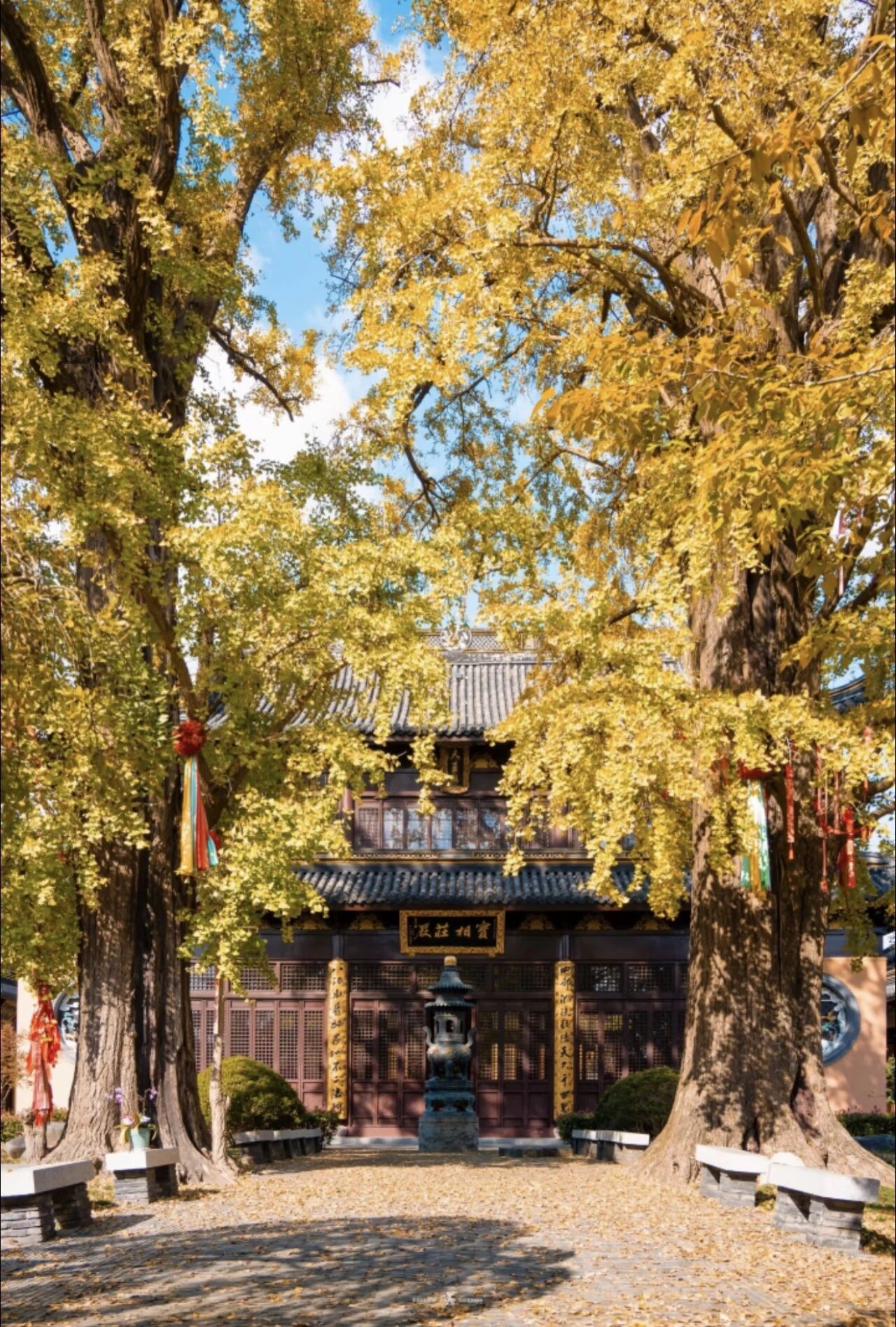
Zhuangyan Temple dates back more than 700 years to the Yuan Dynasty (1271–1368). The site is home to two ancient ginkgo trees, each more than 500 years old and protected as Grade I ancient trees in Shanghai.
Dongshe Village History Museum
Housed in a converted traditional village home, Dongshe Village History Museum tells the story of the village and its residents.
The museum has three exhibition halls. One preserves the house's original earthen cooking stove, another traces the village's development, and the third displays old household objects donated by villagers.
Art-M Cultural and Creative Industry Park
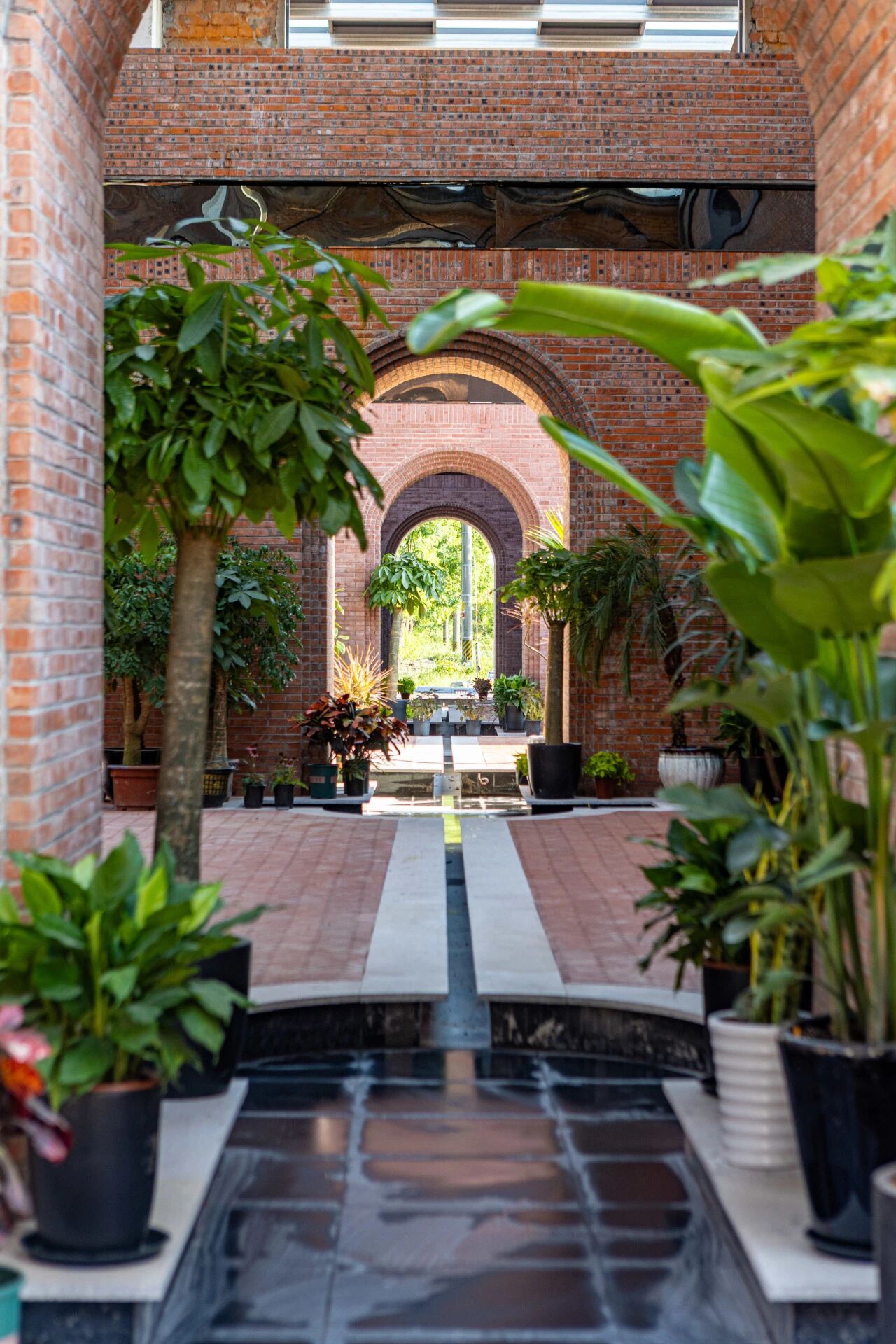
The final stop is Art-M Cultural and Creative Industry Park, a 4.2-hectare complex converted from old factory buildings.
The park brings together intangible cultural heritage workshops, farming experiences, exhibitions, cultural activities, and recreational facilities.
Route 3: Art, coffee, and village life
Suggested route:
Ruru Original Coffee & Tea → Yeyouju Incense-Making Studio → Xishiwan Art Village → Brewdog Cafe & Bar
Ruru Original Coffee & Tea
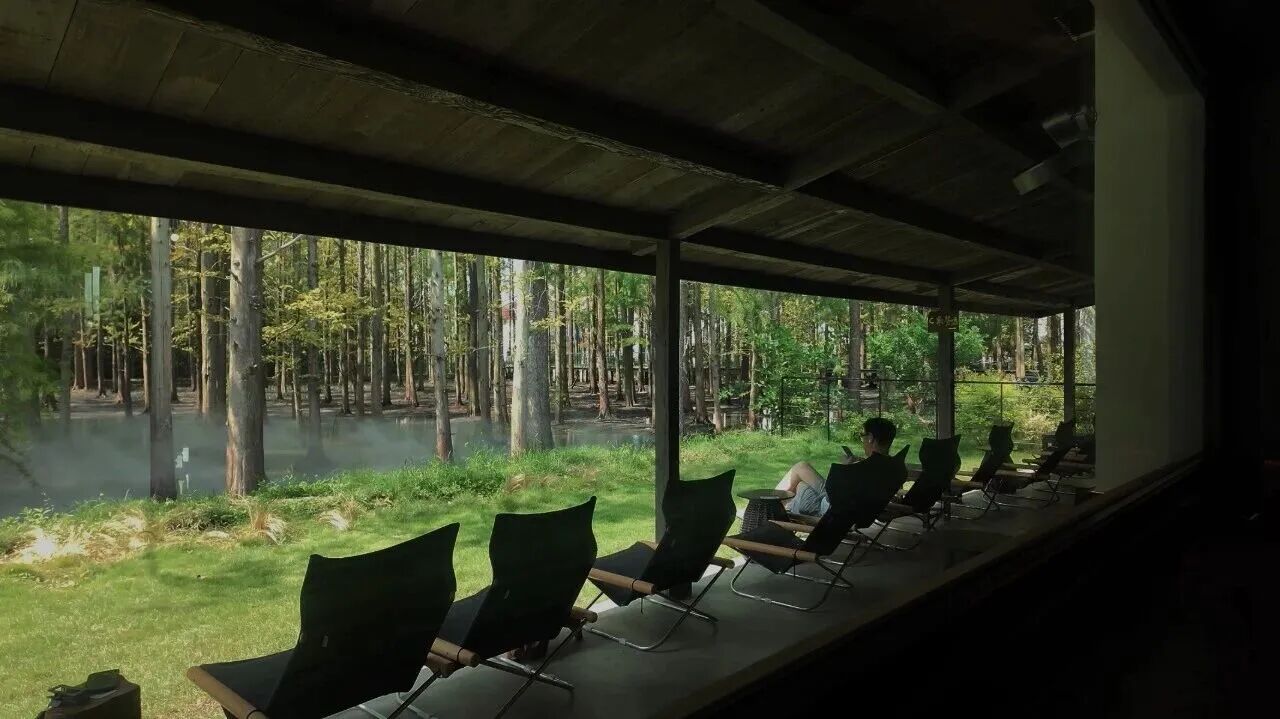
Ruru Original Coffee & Tea serves specialty coffee, Chinese-style tea drinks, and light meals in a rural setting.
Its garden space focuses on traditional Chinese cultural practices, offering activities such as tea ceremonies, incense appreciation, flower arranging, and sound-based relaxation sessions.
Yeyouju Incense-Making Studio
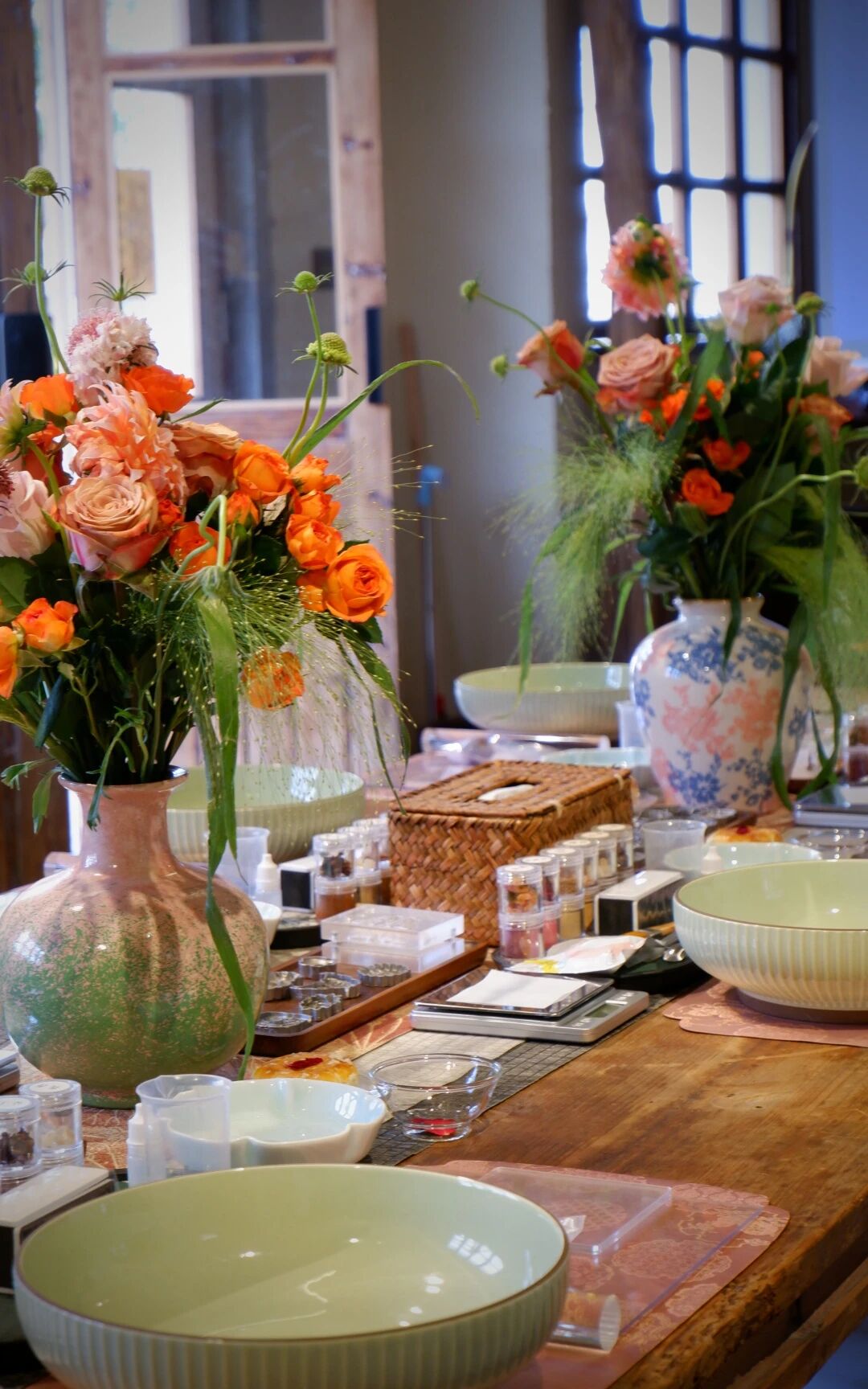
Yeyouju Incense-Making Studio specializes in traditional Chinese blended incense, an intangible cultural heritage practice. The person who runs the studio was formerly an independent filmmaker who became interested in incense-making through his work. He later shifted his focus to natural aromatic materials, drawing inspiration from plants and seasonal scents.
Xishiwan Art Village
Xishiwan Art Village regularly hosts art exhibitions, creative markets, art salons, and hands-on workshops.
Brewdog Cafe & Bar
Created by local music enthusiasts, Brewdog combines a daytime cafe with an evening bar and music space.
The courtyard displays personal collections from local enthusiasts, while the stage hosts musical performances. There is also a recording studio upstairs.
Source: Shanghai Municipal Commission of Agriculture and Rural Affairs