Intangible Cultural Heritage of Shanghai: Shanghai Qipao (Cheongsam)
[Video produced by the Shanghai Intangible Cultural Heritage Protection Centre and Shanghai Ximeng Cultural Media Co]
The qipao, or cheongsam, is a traditional dress that takes inspiration from ethnic Manchu attire.
In 1920s Shanghai, it was trendy for women of all ages to wear qipao. It served as both everyday clothing for doing household chores and as formal attire for special occasions.
Fashion changes. But style endures.
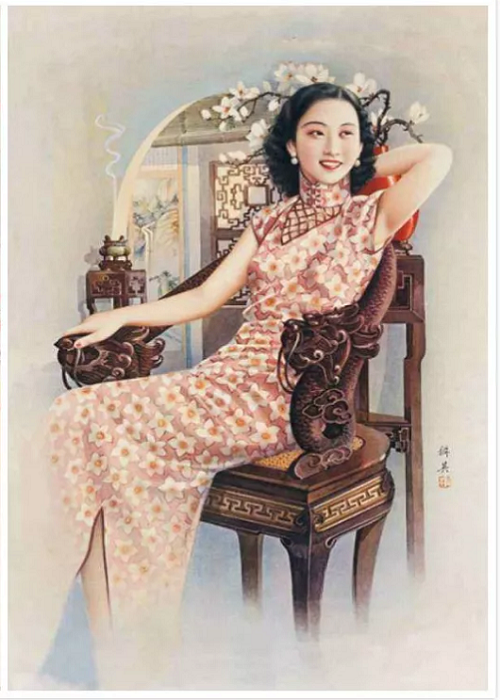
A woman in qipao. [Photo/WeChat account: shanghaifabu]
In the 1930s, Shanghai's tailors experimented with and, in turn, embraced Western tailoring techniques. They incorporated such features as fitted busts, cinched waists, shoulder seams and cuffed sleeves into the qipao, accentuating the women's curves, which is known as "haipai qipao".
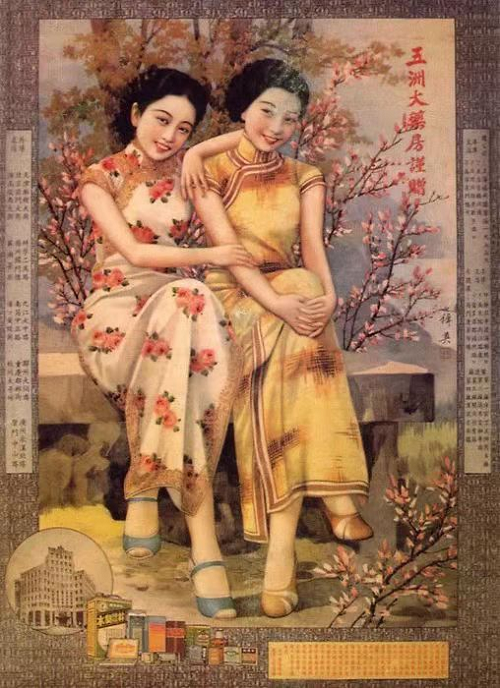
Women in qipao. [Photo/WeChat account: shanghaifabu]
Tailors further innovated upon the design, fabric selection and craftsmanship of the qipao, making the "haipai qipao" an instant hit in Shanghai and, subsequently, popular throughout the country.
In 2011, the tailoring of Longfeng cheongsams was listed as a national-level intangible cultural heritage.
Longfeng cheongsam involves nine techniques: inlaying, rimming the inlaid pieces, making fringes, sewing curving lines, embroidering, painting, hollowing, carving and making knotted buttons.
Inlaying, or xiang in Chinese, involves attaching silk strips to the seams of the qipao, creating a sense of layering.
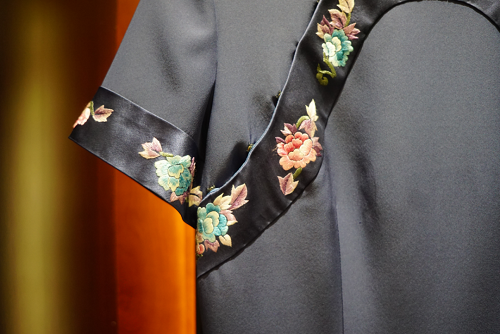
Rimming the inlaid pieces. [Photo/WeChat account: shanghaifabu]
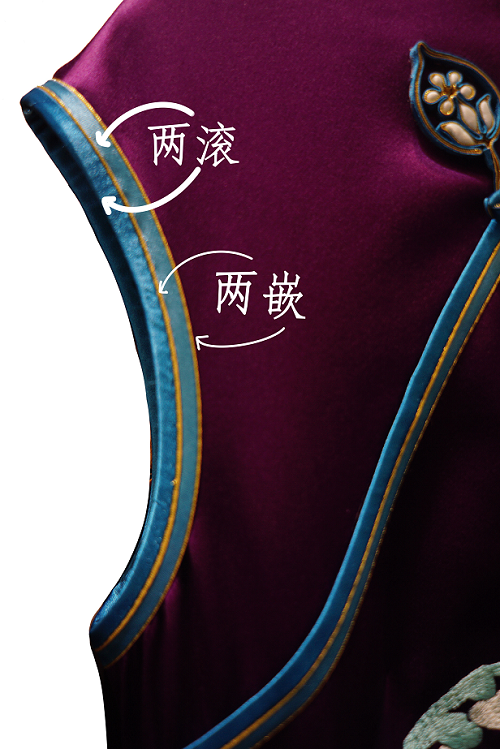
Making fringes. [Photo/WeChat account: shanghaifabu]
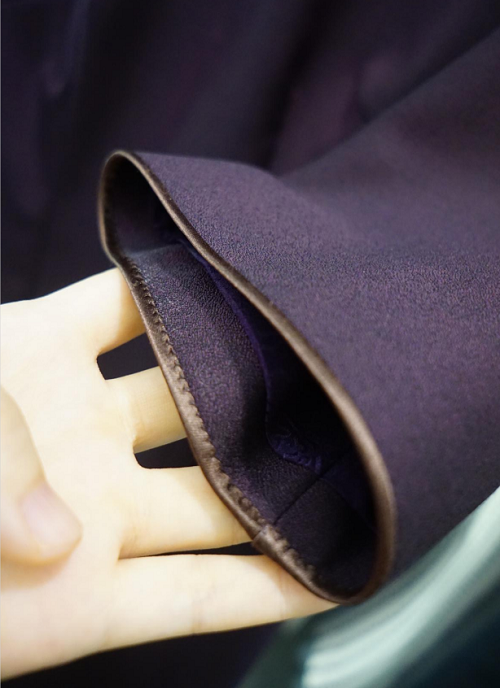
Sewing curving lines. [Photo/WeChat account: shanghaifabu]
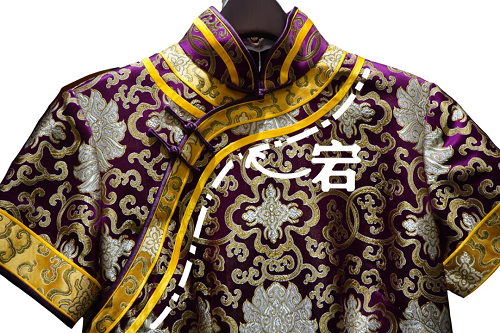
Hollowing and carving. [Photo/WeChat account: shanghaifabu]
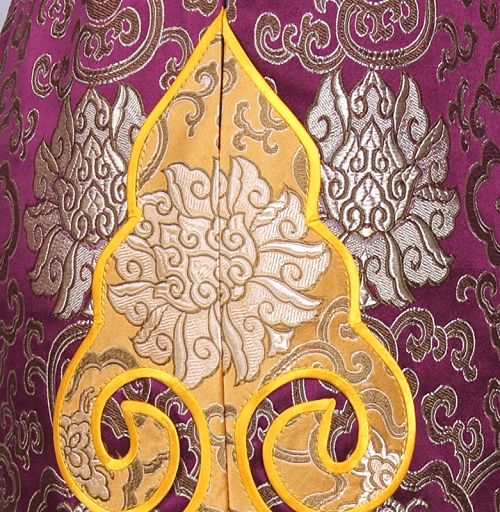
Making knotted buttons. [Photo/WeChat account: shanghaifabu]
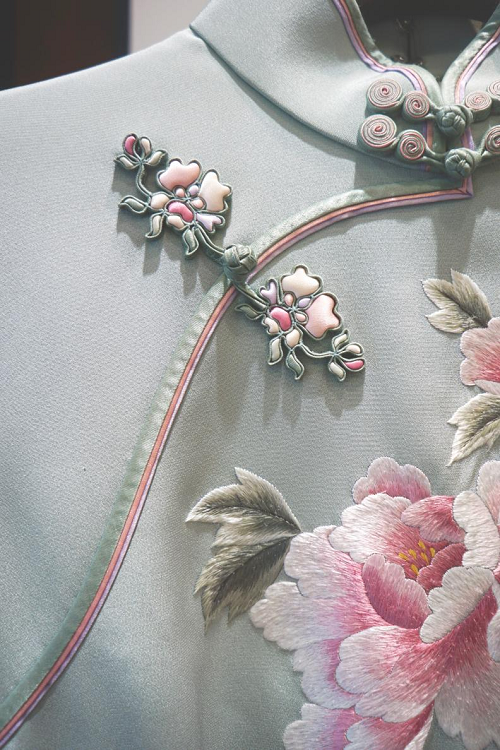
Embroidering. [Photo/WeChat account: shanghaifabu]
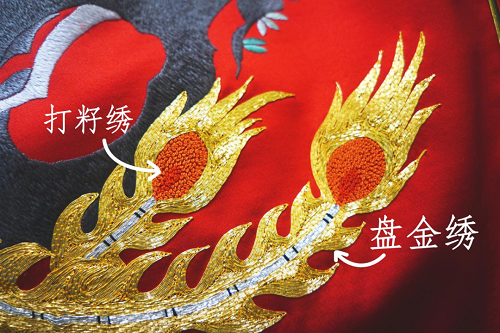
Embroidery. [Photo/WeChat account: shanghaifabu]
Sources: shanghaifabu WeChat account, Shanghai Intangible Cultural Heritage Protection Centre and Shanghai Ximeng Cultural Media Co
Editor's Pick

FAQs
- What if my passport expires but my Chinese visa is still valid?
- Can pets and owners depart from different countries while complying with customs regulations?
- Can a minor travel to China and stay in a hotel without a parent's presence?
- Who is eligible for the 240-hour visa-free transit policy in China?