Unveil the hidden layers of culture on Changning's century-old roads
In the heart of Changning district, two historic roads — Yuyuan Road and Changning Road — weave through a mosaic of cultural neighborhoods and heritage architecture. Over years of thoughtful planning, once-closed walls have opened, connecting parks, alleys, and art zones into a vibrant urban canvas. Step into a world of architectural beauty, artistic energy, and everyday life in Changning's historic blocks.
Changning Financial Park
The Changning Financial Park office campus integrates the original Xinhua village (Alley 1320 Yuyuan Road) and Lian'an Fang residential area (Alley 1352 Yuyuan Road).
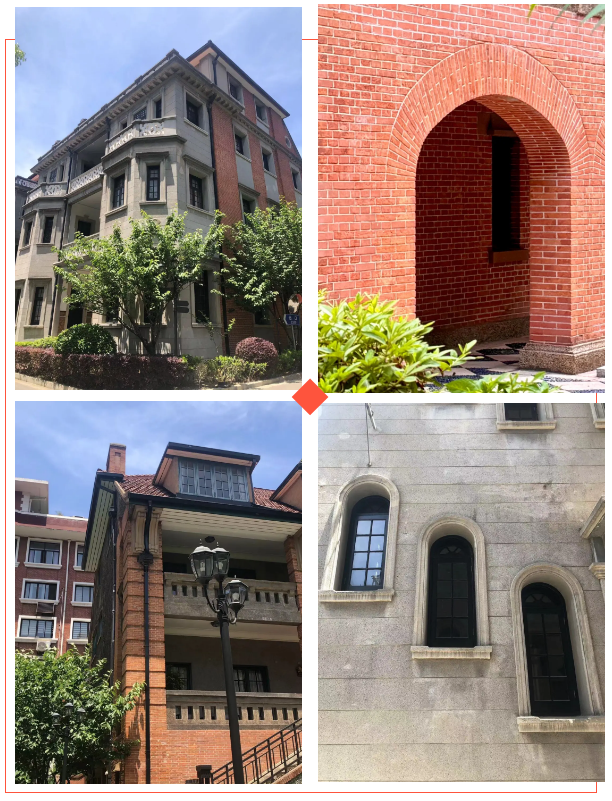
Five British-style villas (Nos 10, 11, 12, 15, 18), built in 1925, feature brick-timber structures with pebble-clad walls and clean red-brick accents at the corners. Their pitched roofs are topped with distinctive red-brick chimneys.
No 18 was once the residence of Dong Zhujun, founder of the William King Hotel, now known as the Jin Jiang Hotel. Nearby, four Baroque-style villas (Nos 5-8), built in 1926, stand as independent garden residences with red-brick facades, sloped roofs, and elegant interiors featuring carved wood paneling and tiled fireplaces.
West Park Mansions
Located at No 1396 Yuyuan Road, just south of Changning Road, West Park Mansions earned its name from its proximity to Zhongshan Park (formerly known as the Western Park).
Completed in 1928, the building has housed notable figures including Peking Opera artists Tong Xiangling and Tong Zhiling, and Deng Zhonghe, a pioneer of China's national textile industry.
The British-modern-style apartments were equipped with elevators, spiral staircases, and other modern amenities for their time. To the south, a nearly 1,000-square-meter garden has since been incorporated into a bird-watching garden that connects with Zhongshan Park's migratory-bird habitat.
Hengchang Li
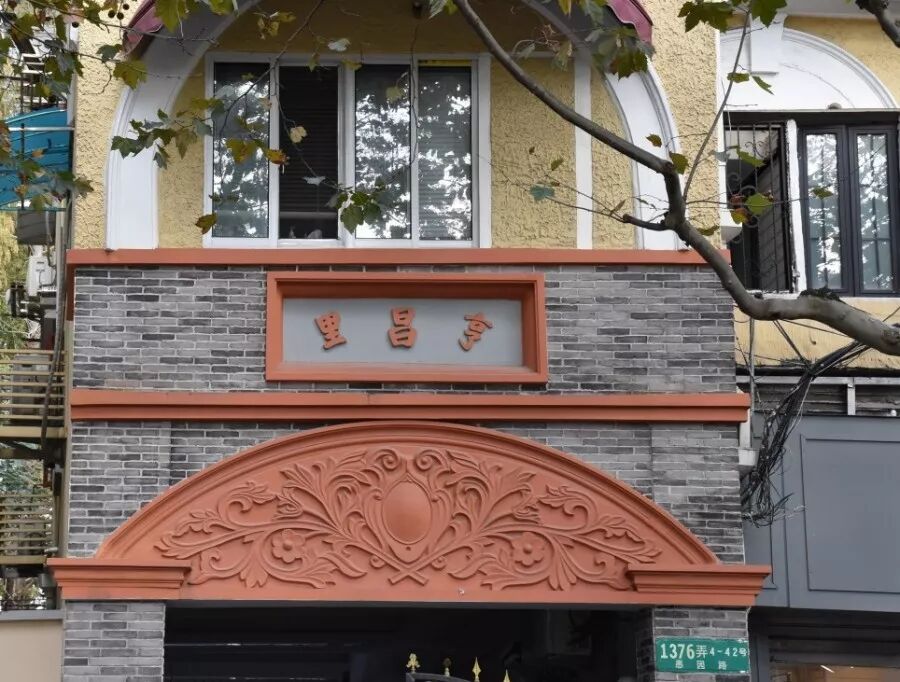
Hengchang Li residential area (No 1376 Yuyuan Road) was built in 1925 by the Shanghai department stores Sincere and Wing On, both founded by overseas Chinese merchants. The area consists of 25 three-story homes arranged in five rows and originally housed the stores' senior staff.
The architecture reflects its founders' heritage. Features such as front-porch balconies instead of courtyards are characteristic of Cantonese-style lane housing. Meanwhile, the louvered windows on the second-floor balconies show a distinct Southeast Asian influence.
Zhaofeng Park & Zhaofeng Villa
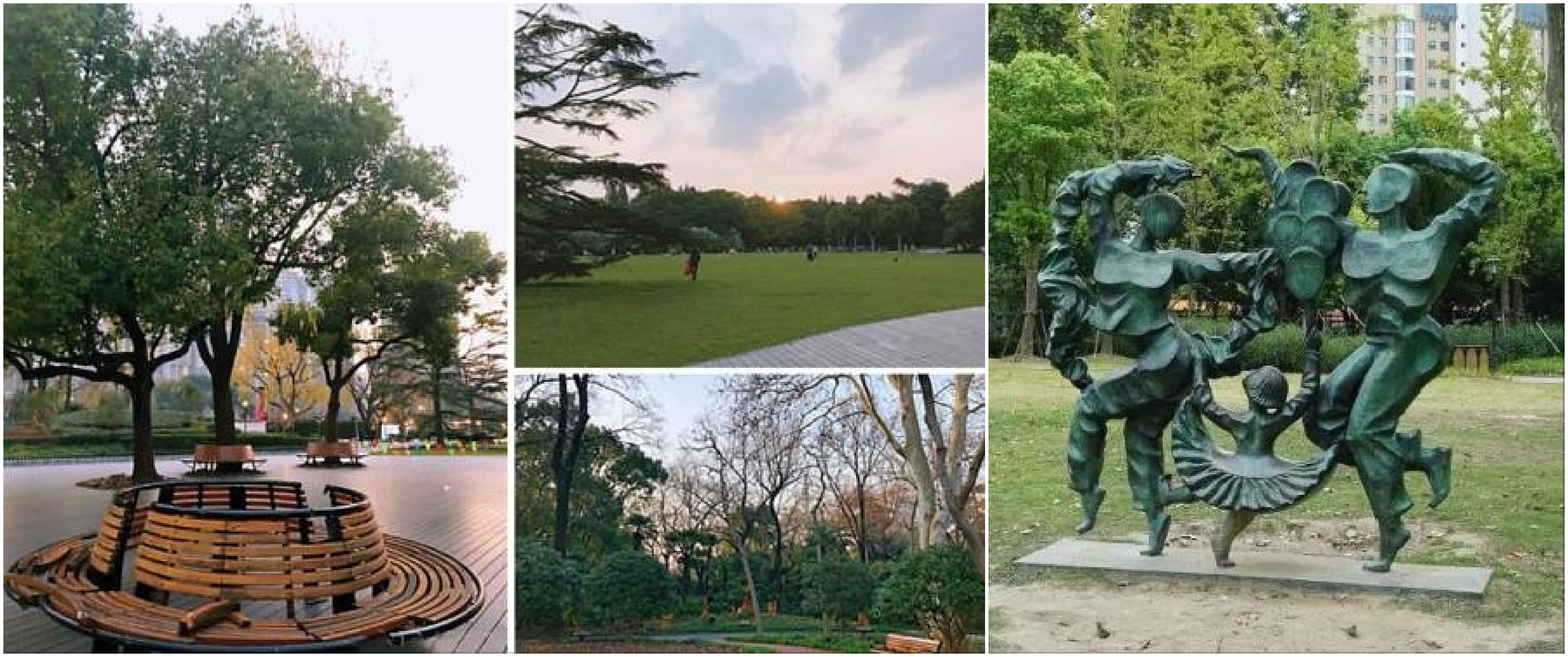
Zhaofeng Park (today's Zhongshan Park) was originally designed in 1914 as the private estate of British merchants, the Hogg brothers.
Covering over 210,000 sq m, it later opened to the public and was renamed Zhongshan Park in 1944 in honor of Sun Yat-sen, becoming Shanghai's oldest surviving urban park.
A 150-year-old plane tree still stands witness to its history, and in 1922, Shanghai's first public bus route started nearby.
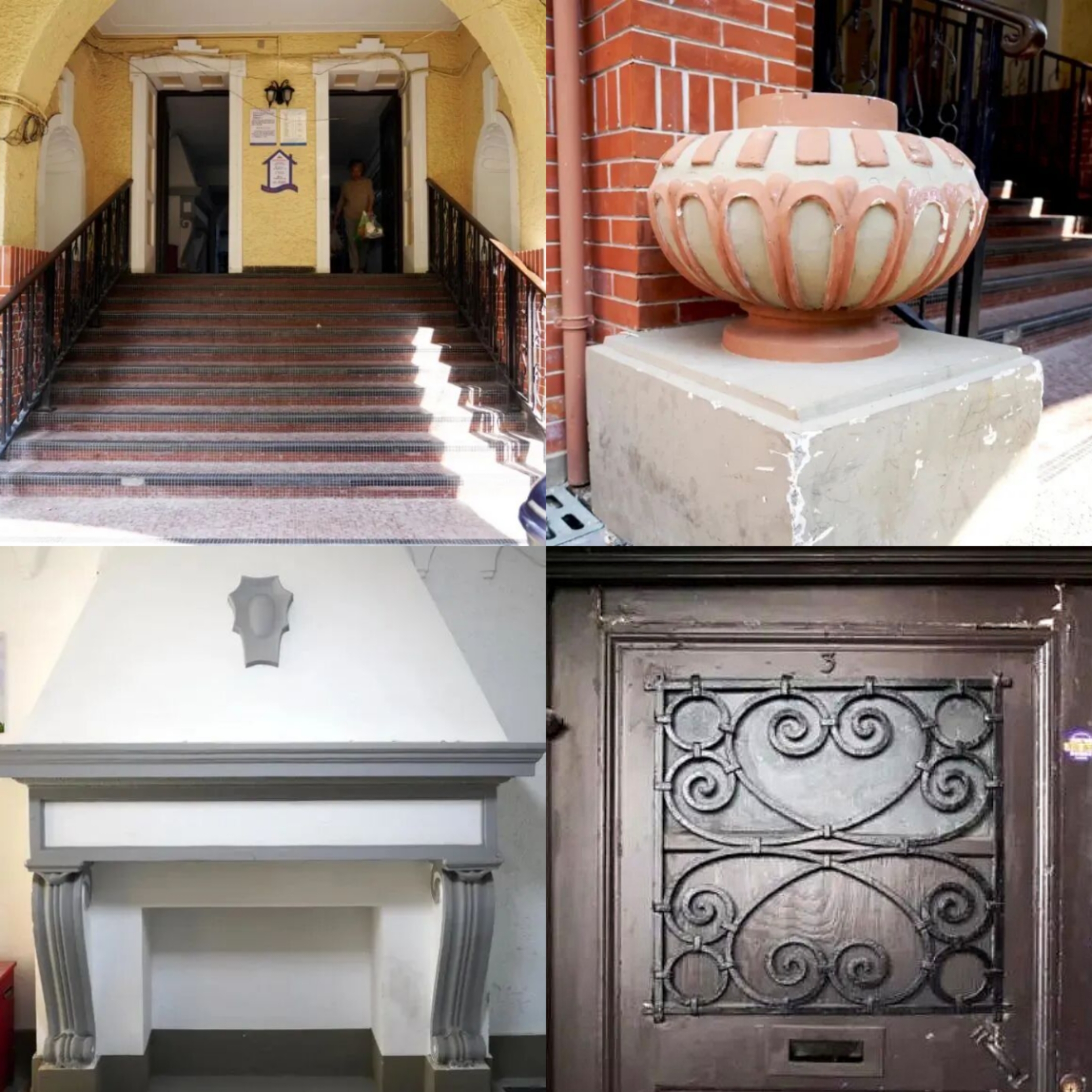
Zhaofeng Villa (Alley 712 Changning Road), built in several phases beginning in 1929, takes its name from the adjacent park.
The compound blends modern lane houses, detached garden villas, and a few contemporary apartments, with varied facades featuring textured plaster, exposed red brick, and glazed tiles. Decorative brick lintels, geometric wooden doors, and mosaic entrance steps add to its refined, understated charm.
Yuyuan art & lifestyle block
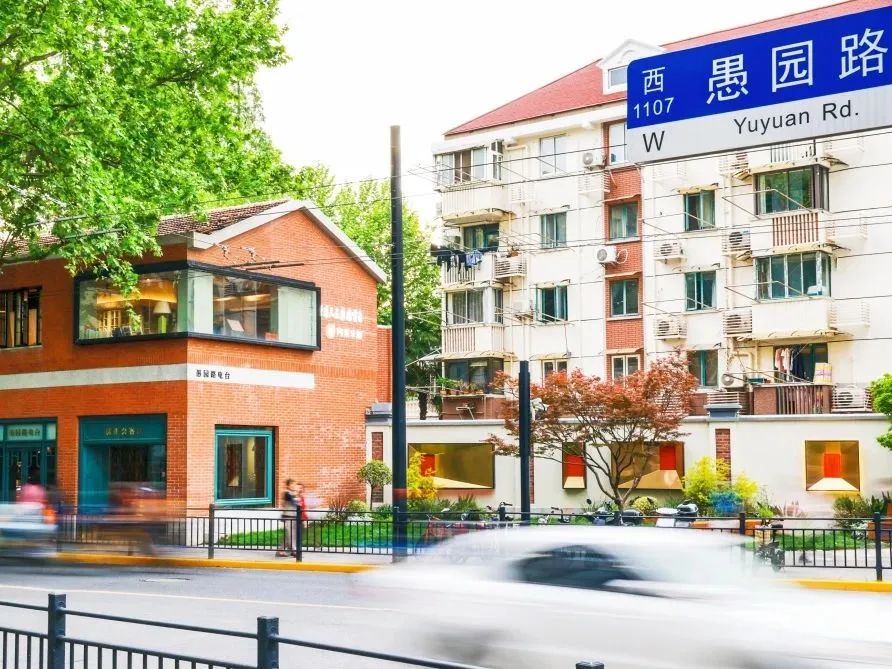
Dating to 1911 and preserved through successive road-widening projects, Yuyuan Road carries a century of stories. Its tree-lined blocks are home to 108 old villas, 60 protected historic buildings, and 11 heritage sites — from Neoclassical mansions and Spanish-style homes to Shikumen lanes with revolutionary histories. Former residents include scientist Qian Xueshen and writer Shi Zhecun.
Since 2015, Changning has pursued gradual urban renewal, preserving local life while welcoming art spaces, curated boutiques, and cozy cafes. Public spaces such as Hongji lawn and Yuyuan public market have become community stages where daily life and creativity naturally intertwine.
Sources: Shanghai Municipal Commission of Housing and Urban-Rural Development, Shanghai Historical Building Protection Administration Center, Shanghai Housing Architectural Design Institute Co Ltd, Changning district housing security and administration bureau
FAQs
- What if my passport expires but my Chinese visa is still valid?
- Can pets and owners depart from different countries while complying with customs regulations?
- Can a minor travel to China and stay in a hotel without a parent's presence?
- Who is eligible for the 240-hour visa-free transit policy in China?