Shanghai a 'paradise' for global vintage shoppers
Would you fly across the world just to buy a secondhand jacket?
For a growing number of fashion-forward travelers, the answer is a resounding "yes".
Once known primarily for its futuristic skyline and historic charm, Shanghai is now gaining international fame for something that is both hip and tactile: vintage clothing.

From American sportswear to rare Y2K (retro-futuristic fashion associated with the late 1990s to the early 2000s) treasures, the city's secondhand scene is quickly becoming a must-stop destination for collectors and curious tourists alike.
At the heart of this trend is Generation Z's obsession with nostalgia. From the comeback of instant peel-apart film to the recent boom in CCD cameras, young people in Shanghai are turning to the past to redefine what's cool now.
And nowhere is this retro renaissance more vivid than in the vintage clothing stores packed into the city's historic neighborhoods.
A street called style
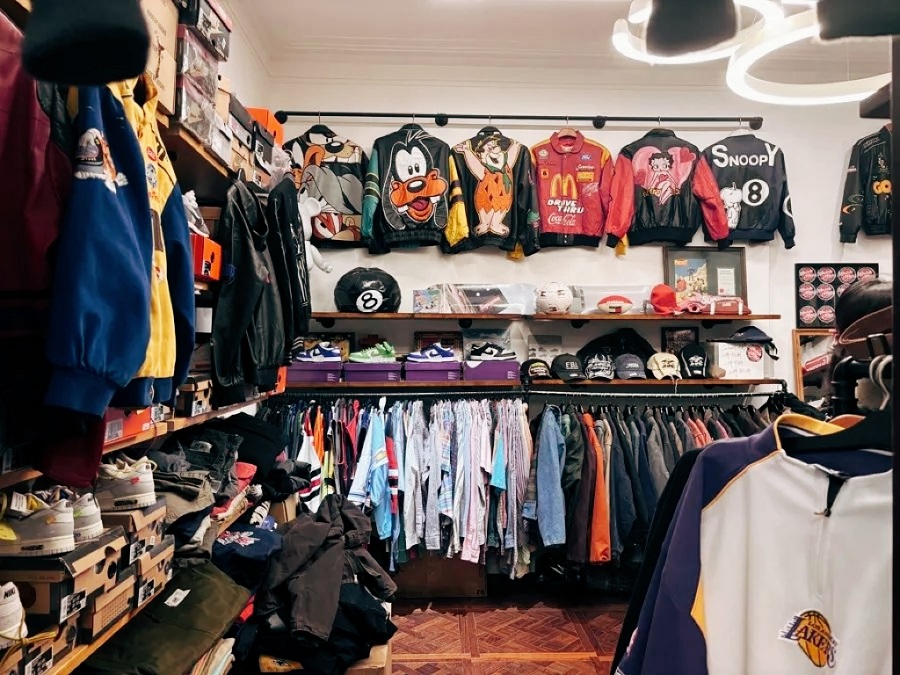
One of the epicenters of this movement is the Yongkang Road area. Here, in a row of cozy, curated boutiques, shoppers can find everything from American varsity jackets to rare European military wear.
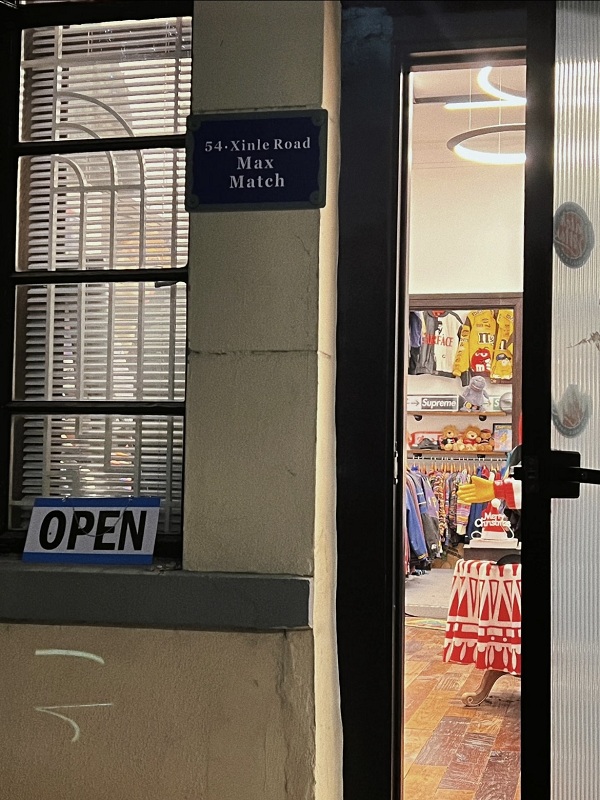
The area's most famous shop, Max & Match, is a mecca for vintage lovers — and celebrities.
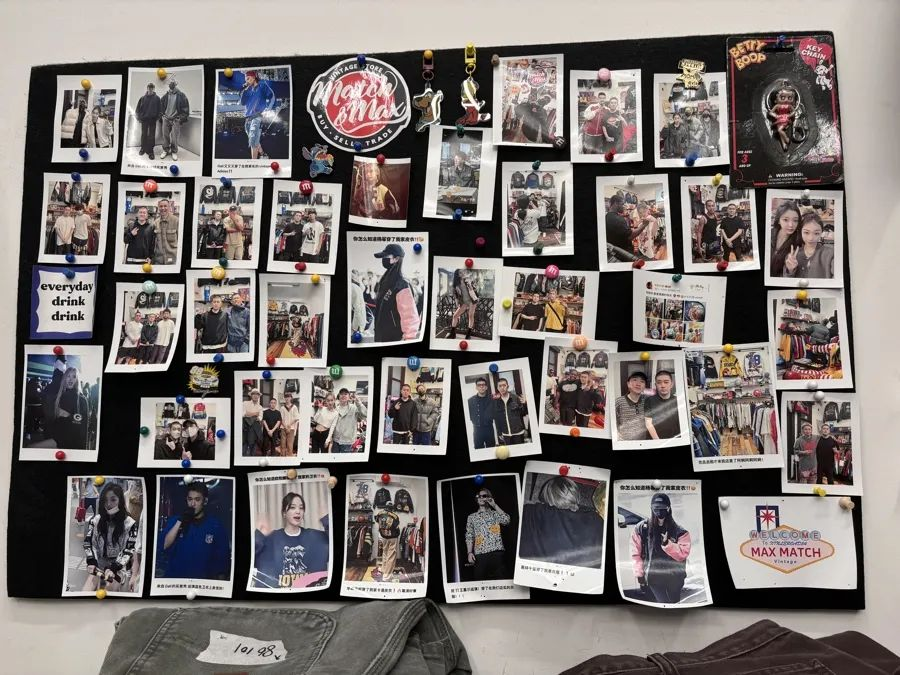
"Customers often arrive straight from the airport, dragging suitcases behind them," said a store employee. "They've seen us on social media and this is their first stop in the city."
One visitor from Ningbo of Zhejiang province splurged on a rare NBA jersey for 2,899 yuan (over $400). "It's a one-of-a-kind piece," she said. "That alone made it worth the price".
Vintage is not just secondhand
But what makes vintage different from just "used clothes"?
According to Ian, a collector in his early twenties, "Vintage refers to items that are at least 20 years old and have historical or cultural value — often, they're unique." He adds that most vintage clothing items being sold in Shanghai date back to the 1980s to the early 2000s.
The passion for vintage is as much about the stories as the style.
At Max & Match, nearly every item comes with a backstory — from a Mickey Mouse varsity jacket worn by Michael Jackson to a windbreaker embroidered with details from the 1996 Atlanta Olympics. The store's owner personally travels abroad to handpick inventory, ensuring authenticity and uniqueness.
A city of contrasts, a market of layers
Beyond the boutique-lined streets of the city center, the Lingshi Road Clothing Market offers a different flavor of vintage apparel hunting.
Here, among cramped stalls and bargain racks, shoppers haggle for hidden gems — like three blazers for a couple hundred yuan. For students and budget-conscious shoppers, it's a paradise of potential.
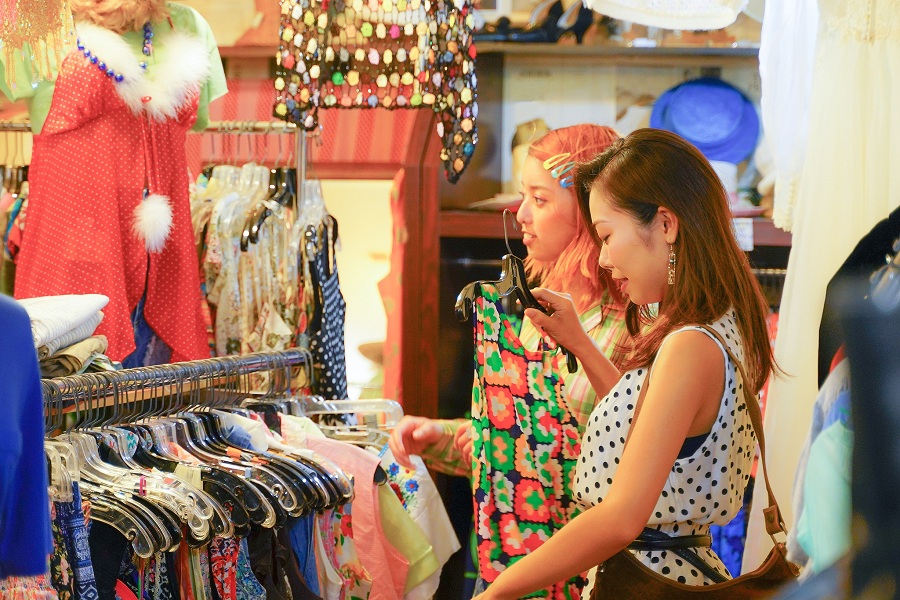
Ian, a frequent visitor to the market, calls it "the best place for people who have time but not a big budget". The experience of digging through piles, bargaining with vendors and stumbling upon a diamond in the rough is a thrill for many.
And on China's popular social media platform Xiaohongshu, guides like "How to Bargain on Lingshi Road" and "16 Vintage Pieces for 720 Yuan" regularly go viral.
This tiered pricing model reflects the maturity of Shanghai's vintage fashion ecosystem — the city caters to everyone from seasoned collectors to first-time buyers.
Vintage as aesthetic, identity and emotion
For many young people born in the digital age, buying vintage is more than a shopping experience — it's a way to connect with the past.
Ian, a Beatles fan, collects faded George Harrison T-shirts. "He died before I was born," he says. "But wearing something that carries his spirit feels like I'm holding a piece of history."
And in a fast-moving metropolis like Shanghai, that connection matters. Vintage stores, often nestling in buildings beneath plane trees, are not just retail spaces — they're cultural hubs.
Here, shoppers snap photos with vintage cameras, share style tips over coffee and — above all — simply slow down.
"Shanghai is really a vintage paradise," says Zhou, a young collector from East China's Anhui province. Each vintage piece carries a trace of the past — a memory stitched into fabric.
Source: Shanghai Observer