Understanding Gen Z consumption in Shanghai
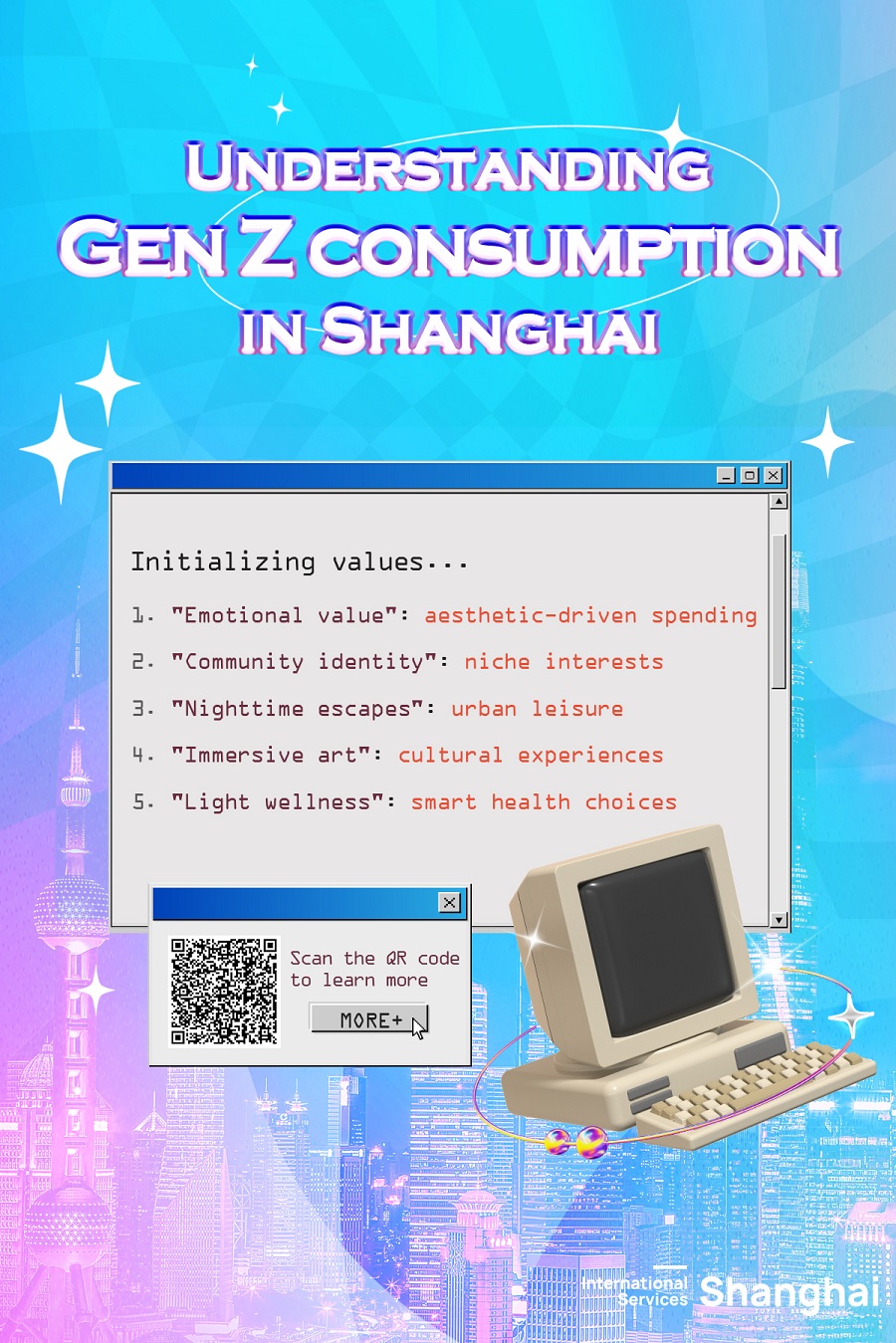
According to China's seventh national population census, Shanghai's Gen Z population has reached 4,430,174 — about 17.8 percent of the city's total population — significantly higher than the national average.
With the large influx of non-permanent residents and tourists — 390 million domestic visits and over 6.7 million international visits in 2024, many of whom are young — Shanghai's Gen Z-driven consumption market is expanding rapidly.
The term Generation Z first emerged in Western sociology and marketing studies, referring to the cohort born after the Millennials — Generation Y, typically defined as those born between 1980 and 1995.
As true digital natives, Gen Z grew up with the internet and are inherently familiar with smartphones, social media and short video platforms. Their lifestyle, consumption habits and values are deeply shaped by digital culture — and in turn, they are reshaping the consumer ecosystem.

Emotional value, aesthetic-driven spending
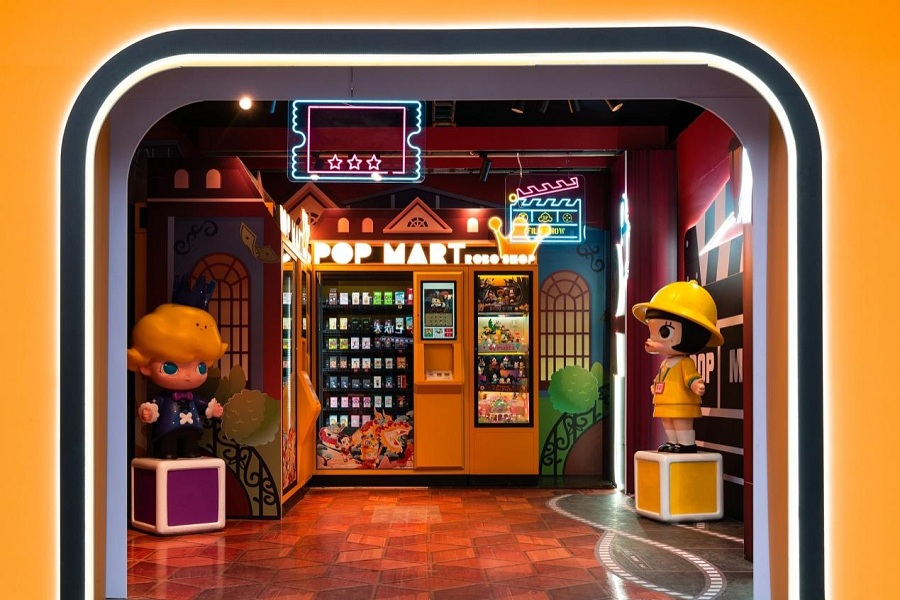
For today's Gen Z, consumption is no longer just about utility — it's about emotion. They are willing to pay a premium for products that deliver aesthetic pleasure, companionship, or a sense of healing. Emotional resonance and shared visual aesthetics with a brand significantly influence their purchasing decisions.
Examples:
- Pop Mart x Hirono (First store in the world)
Hirono, the first emotional blind box series launched by Pop Mart in 2021, was created by artist Lang. Transforming sensitive emotions into visual art, Hirono's melancholic yet spirited image has struck a chord with young consumers.
- The Call I Missed art exhibition by Thai artist Wisut Ponnimit (First exhibition in China; now to Aug 3)
Featuring paintings, sculptures, video works and interactive installations, this exhibition merges Thai culture with Eastern philosophical introspection, offering visitors a deeply healing artistic journey.
- Qi Ao Mu She (First store in Shanghai)
A modern spa that fuses traditional Chinese aesthetics with therapeutic services, offering a serene "urban retreat" through its integration of hot springs, cuisine, culture and design — a one-stop experience for body and soul.

Community identity, niche interests

In the age of social media, niche hobbies and fandoms have become identity markers and social signals for Gen Z. One notable trend is the booming "guzi economy" — derived from the English word "goods" — which revolves around the merchandise from popular anime, comics, games and novels.
Examples:
- Bailian ZX Creative Centre & Jing'an Joy City
As one of China's most ACGN-friendly cities, Shanghai is actively integrating this subculture into its retail scene. Traditional malls are transforming into specialized spaces by hosting IP-themed events and increasing ACGN-related content. Bailian ZX represents a full-scale ACGN transformation, while Jing'an Joy City offers a hybrid ACGN-retail experience, drawing waves of young consumers.

Nighttime escapes, urban leisure
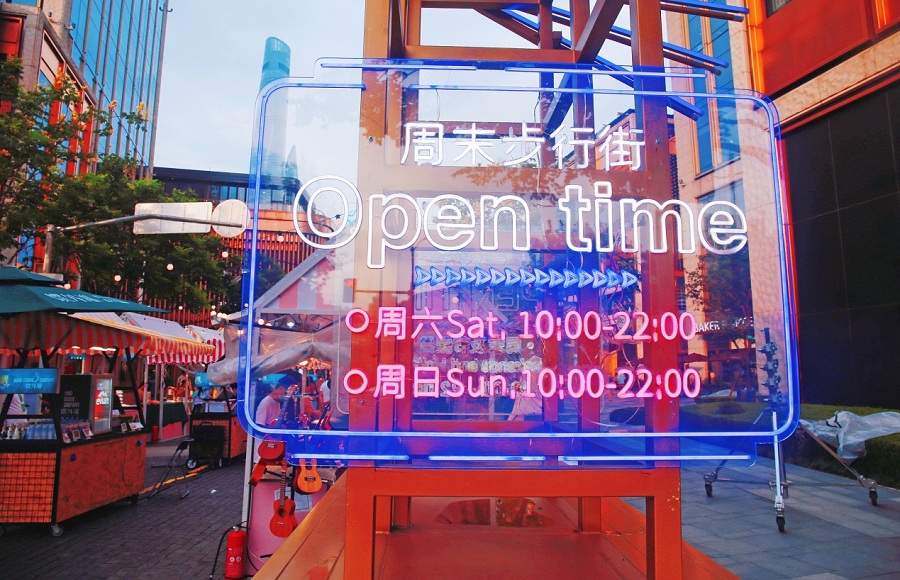
Gen Z is driving the growth of nighttime consumer culture in Shanghai, seeking escape through immersive theater, underground live houses, pop-up bars, late-night games and social activities like night cycling or all-night role-playing games.
Examples:
- INS (2024 Shanghai Night Festival launch site)
INS — short for Into Nothing Serious — is a night playground that combines esports, live music food, and retail. It's built on the "1+1+N" model: one pass, one concept and countless creative elements. It attracts large crowds and builds consumer loyalty, becoming a benchmark for night economy formats.
- Daxue Road (One of China's first national-level nighttime cultural and tourism zones)
With its eclectic mix of restaurants, bars, bookstores and cafes, Daxue Road has become a favorite hangout for Gen Z. During the 2024 Summer Shanghai International Consumption Season, its Moroccan-themed night market brought together over 70 brands — creating a vibrant, immersive street festival that extended nightlife until 10 pm and beyond.

Immersive art, cultural experiences

For Gen Z in Shanghai, watching a show is part of a broader cultural and consumer experience. While they value artistic content, they are equally practical — considering cost-effectiveness and convenience. Expenses related to shows often go beyond ticket prices, encompassing dining, retail and fan-led events.
Examples:
- Sleep No More & Asia Mansion
Premiering in Shanghai at the McKinnon Hotel in 2016, Sleep No More redefined what theater could be: not just a performance to watch, but an experience to enter. In April, a revamped version launched with updated ticket tiers and added interactive elements, attracting a new wave of young audiences.
This immersive performance trend has helped transform traditional cultural venues into broader lifestyle hubs. A prime example is Asia Mansion.
Known for hosting both large-scale and experimental shows, it represents a new kind of cultural complex. Its synergy with nearby businesses — late-night restaurants, extended-hour cafes and fan-organized support events — blurs the line between art and everyday life. These surrounding establishments not only serve theatergoers but also attract curious newcomers, who may eventually become regular cultural consumers themselves.

Light wellness, smart health choices

Intensive fitness routines haven't yet become mainstream among Shanghai's Gen Z. Instead, they prefer wellness options with a high return on investment and enjoyable experiences. These include dietary adjustments and affordable leisure activities such as hiking or camping to unwind.
Examples:
- Rucker Park "sports+" complex
Going beyond traditional courts, Rucker Park integrates basketball, food, indoor golf, darts, PS5 gaming and karaoke — creating a one-stop space for fitness and entertainment that caters to both sports lovers and casual visitors.
- "Enjoy Shanghai" sports coupon program
This year, Shanghai injected 60 million yuan ($8.35 million) into sports consumption through coupons, supporting over 600 venues across diverse activities. The initiative is widely seen as lowering entry barriers and making health-oriented lifestyles more accessible to the broader public.
Sources: Shanghai Observer, official WeChat account of Shanghai Electronic Commerce Promotion Center via "shxfzdy", Shanghai Jing'an Media Center, Shanghai Administration of Sports