Shanghai mayor outlines 2026 priorities
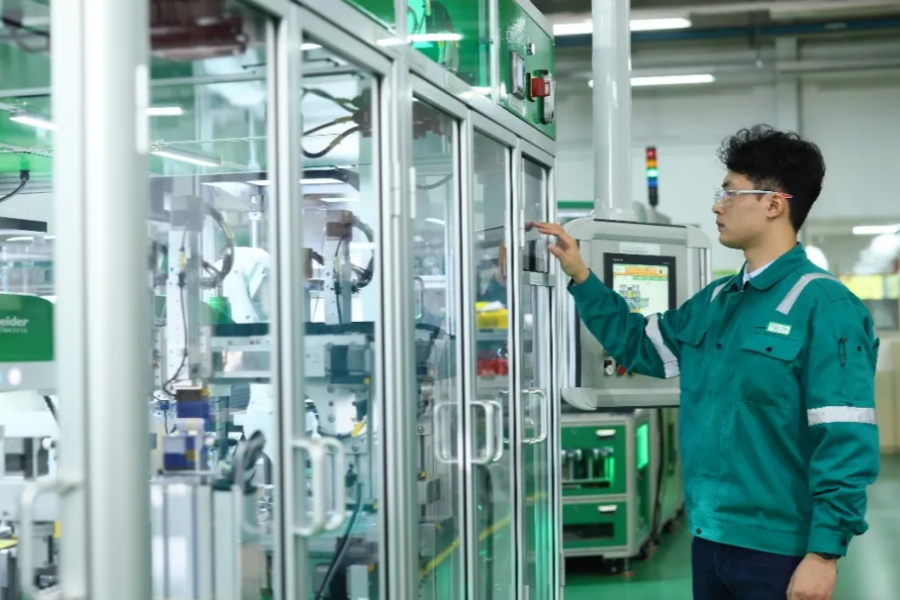
Shanghai Mayor Gong Zheng has outlined the city's priorities for high-quality development in 2026 in a signed article recently published on Xinhua Daily Telegraph.
The year 2026 marks the start of the city's 15th Five-Year Plan period (2026-30). This year, Shanghai aims to boost domestic demand, deepen high-level reform and opening-up, and improve public well-being, all as part of its long-term vision to become a globally influential modern socialist metropolis by 2035, said the article.
Key points are as follows:
I. Boosting domestic demand
1. Stimulating consumer spending
- Optimizing the consumer goods trade-in programs, further expanding service consumption, and promoting the debut economy (first stores and first launches), nighttime economy, livestreaming economy, and silver economy.
- Enriching offerings in digital consumption, leisure & lifestyle consumption, and cruise tourism, and encouraging inbound spending.
- Organizing major consumption events such as the Shanghai Shopping Festival to promote deeper integration of culture, commerce, tourism, sports, and exhibitions.
2. Expanding effective investment
- Encouraging private investment in areas such as science and technology innovation, industrial upgrading, urban renewal, and public welfare.
3. Stabilizing foreign trade and investment
- Implementing the updated Catalogue of Encouraged Industries for Foreign Investment, and further enhancing the capabilities of Shanghai-based regional headquarters of multinational corporations and foreign-funded R&D centers.
II. Expediting 'five centers' construction
1. International economic center
- Accelerating the development of a "2+3+6+6" modern industrial system with advanced manufacturing as its backbone:
- 2: Promoting the digital and green transformation of traditional industries.
- 3: Developing three leading industries: integrated circuits, biomedicine, and artificial intelligence.
- 6: Striving to build clusters of six emerging pillar industries: next-generation electronic information, intelligent connected new energy vehicles, high-end equipment, advanced materials, new energy and green low-carbon, and fashion-related consumer goods.
- 6: Cultivating six future industries: future manufacturing, future information, future materials, future energy, future space, and future health.
- Enhancing the quality of the service sector and strengthening its clustered development.
2. International financial center
- Building a global renminbi asset allocation center and risk management center, exploring the establishment of an offshore financial system, and enhancing cross-border financial services.
- Advancing the development of the pilot zone for financial reform, supporting science and technology innovation.
3. International trade center
- Ensuring services for the 9th China International Import Expo.
- Advancing digital, offshore, and green trade.
- Accelerating the construction of a hub for the allocation of bulk commodity resources.
- Supporting leading enterprises in establishing a global supply chain management center.
4. International shipping center
- Deepening the institutional reforms of the Shanghai Shipping Exchange.
- Supporting digital innovation and development in maritime trade.
- Advancing the construction of international green shipping corridors.
- Opening more international medium- and long-haul air routes, including routes to countries involved in the Belt and Road Initiative.
5. International science and technology innovation center
- Supporting national laboratories in better fulfilling their role as the "core platform and lead integrator of the innovation and industrial chain" for tech innovation.
- Encouraging leading research universities and institutes to explore mission-oriented management systems.
- Promoting the development of pioneering zones for basic research and implementing a new national system for tackling core technologies.
III. Integrating tech and industry innovation
1. Accelerating the industrial application of major scientific and technological achievements
- Developing an innovation ecosystem that integrates government, enterprises, universities and research institutes, financial institutions, service providers, and end-users.
- Strengthening the commercialization of scientific and technological achievements.
- Supporting proof-of-concept platforms, pilot testing platforms, and high-quality incubators to enhance their service capabilities.
2. Promoting intelligent, green, and integrated industrial development
- Advancing the implementation of the "AI+" initiative, enhancing the development of computing infrastructure, industry-specific datasets, and vertical models, and accelerating the intelligent transformation of key industries.
- Encouraging deeper integration between the modern services sector and advanced manufacturing.
3. Boosting the integrated development of education, technology, and talent
- Optimizing the layout of forward-looking and cutting-edge disciplines, while improving mechanisms for cultivating top innovative talent and talent urgently needed.
- Accelerating the development of a global talent attraction network and continuously strengthening teams of strategic scientists and leading tech experts.
IV. Advancing high-level reform and opening-up
1. Promoting Pudong New Area as a pioneer of China's socialist modernization
- Continuing to advance comprehensive reform pilot projects, facilitating cross-border investment, financing, and settlement, and accelerating the clustering of international organizations in the area.
- Establishing a comprehensive bonded zone for science and technology innovation, and further implementing the Group Open Innovation Center (GOI) plan.
2. Strengthening the China (Shanghai) Pilot Free Trade Zone and the Lin-gang Special Area
- Further optimizing the layout of the Shanghai FTZ and deepening high-level institutional opening-up.
- Supporting the Lin-gang Special Area in expanding its functions in offshore trade and cross-border data flows.
3. Advancing the development of the Hongqiao International Open Hub
- Promoting functional integration and spatial optimization within the core area of the Hongqiao International Central Business District.
4. Ensuring high-quality construction and operation of the Eastern Hub International Business Cooperation Zone
- Exploring a system facilitating the cross-border movement of goods and people.
- Hosting major events, including the 2026 Appliance and Electronics World Expo (AWE 2026) and the inaugural Overseas Investment Fair.
- Promoting the clustered development of international professional service institutions.
5. Boosting the integrated development of the Yangtze River Delta region
- Promoting the high-quality development of the Shanghai (Yangtze River Delta) International Science and Technology Innovation Center.
- Accelerating key cooperation initiatives, such as joint infrastructure development.
- Advancing institutional innovation in the Yangtze River Delta Eco-Green Integrated Development Demonstration Zone.
V. Improving public well-being
1. Promoting urban renewal
- Accelerating the renovation of urban villages and the comprehensive transformation of old housing.
- Improving the multi-tiered rental housing supply system.
- Building 100 new parks in 2026, bringing the total number to 2,000 by 2035, and improving 15-minute community life circles.
2. Strengthening social services
- Enhancing employment support for key groups, including people with disabilities.
- Advancing age-friendly home renovations and improving the non-family caregiving services.
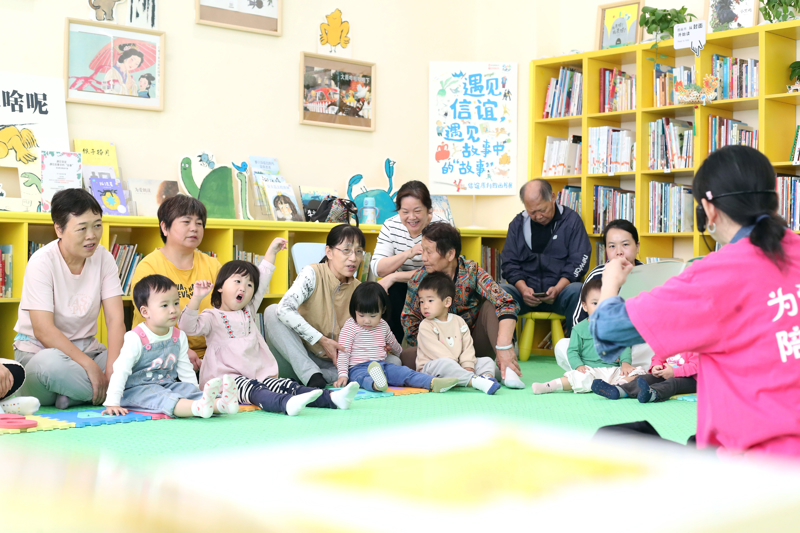
- Optimizing birth support policies and incentives, and expanding inclusive childcare and preschool services.
3. Ensuring public safety
- Strengthening risk management in key areas such as construction and fire protection, and improving the public security system to maintain Shanghai as one of the safest cities in the world.
Source: Xinhua Daily Telegraph