Guide to coffee shop layout and compliance
For coffee and tea beverage operators, achieving compliance through effective store layout is crucial, as it directly influences the approval of food business licenses and the management of daily food safety.
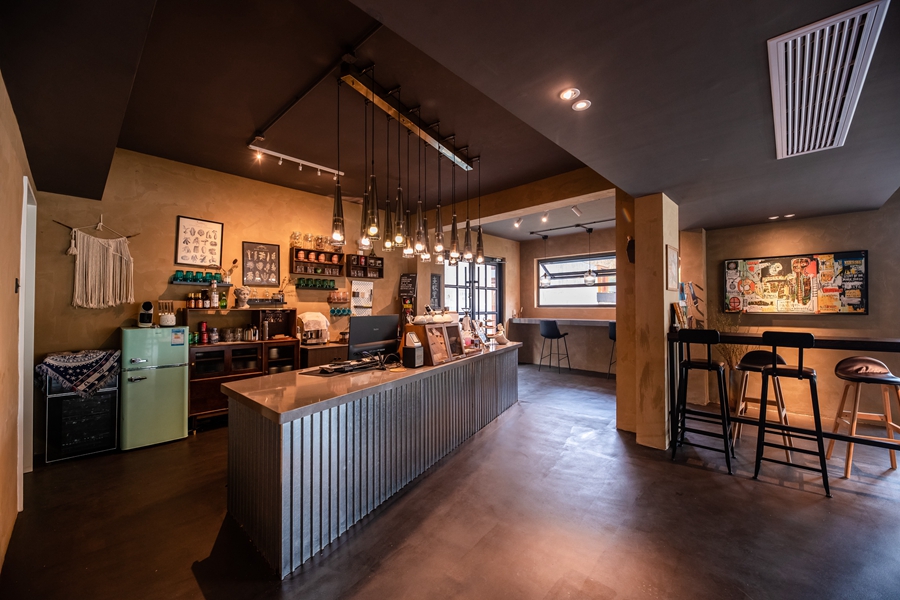
Based on Shanghai's new rules for food business licensing review, the city's market regulation authority breaks down key requirements to help businesses open more efficiently and in accordance with regulations.
Core points include:
- Adequate water supply and drainage systems
- Effective pest prevention and control measures
- Proper refrigeration and freezing equipment
- Dedicated food and beverage preparation areas
- Comprehensive cleaning and sanitizing facilities
1. Basic conditions
Coffee business premises must be equipped with a stable power supply capable of supporting equipment load, along with a compliant water supply and drainage systems.
2. Interior design and functional zoning
The layout shall be divided into four core functional zones to align with operational workflows. Additional auxiliary areas, such as changing rooms, may be arranged where necessary:
- Raw material storage area: For storing all types of raw materials — ensure protection against moisture, dust, and pests.
- Food and beverage preparation area: Core operation zone — ensure ample space and reasonable equipment placement.
- Finished product serving area: For placing finished products — avoid contamination.
- Cleaning and sanitizing area: Separated from the preparation area, dedicated to the cleaning and disinfection of tableware
Note: An on-site dining area may be provided depending on the size and layout of the premises.
3. Material selection for different areas
Floors: Use non-absorbent, smooth, and wear-resistant tiles.
Walls: Choose non-absorbent, easy-to-clean materials. In areas frequently exposed to moisture, opt for tiles or stainless steel.
Doors and windows: Construct with durable, non-absorbent materials, such as aluminum alloy and glass.
Ceiling: Utilize non-absorbent, corrosion-resistant materials. Avoid using wooden panels or ordinary plasterboard.
4. Construction standards
- Floors: Ensure that floors are level and free of depressions to prevent water accumulation.
- Moisture-prone areas: In areas frequently exposed to moisture, install wainscoting at least 1.5 meters high, finished with tiles or stainless steel.
- External doors and windows: Install air curtains, insect screens, and rodent-proof barriers.
- Ceilings: Ensure ceilings are structurally sound, free of cracks, and designed to prevent pest breeding.
5. Equipment
Sinks:
- Provide two dedicated sinks for tableware, one for use before disinfection and the other for after disinfection.
- Include a separate handwashing sink in the preparation area.
- Ensure that tableware cleaning sinks are not used for cleaning tools.
Drainage:
- Equip floor drains with filter screens and water seals.
- Ensure the openings of metal strainers at drain outlets are less than 10 millimeters in any dimension.
Refrigeration:
- Use temperature-controlled displays that meet various storage temperature requirements.
- Sanitization and clean storage:
- Thermal disinfection is preferred for sanitizing tableware.
- Use sealed, clean storage cabinets for holding items after disinfection.
Other requirements:
- Use covered, non-manual waste bins.
- Equip dedicated rooms with purified water systems.
- Ensure that ice production uses potable water.
Source: Shanghai Municipal Administration for Market Regulation