Shanghai Museum to spotlight ancient Chinese civilization of Hongshan Culture
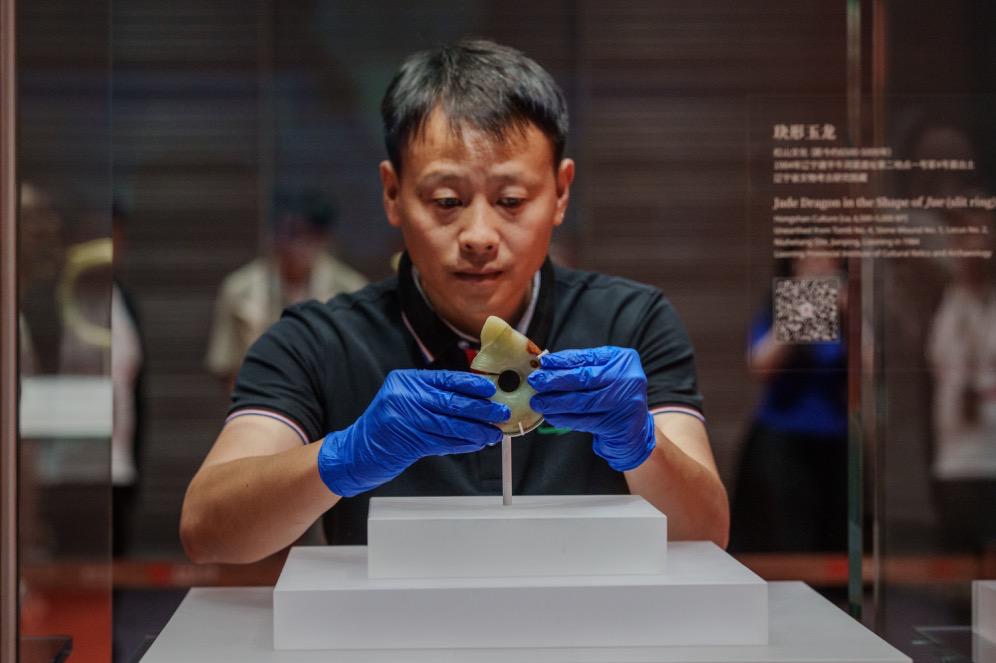
The Shanghai Museum will open a new exhibition featuring the ancient Chinese civilization of Hongshan Culture.
Going on at the Shanghai Museum East from June 26 to Oct 8, Legends of Dragon will be the fourth installment in the institution's serial exhibitions entitled The Essence of China.
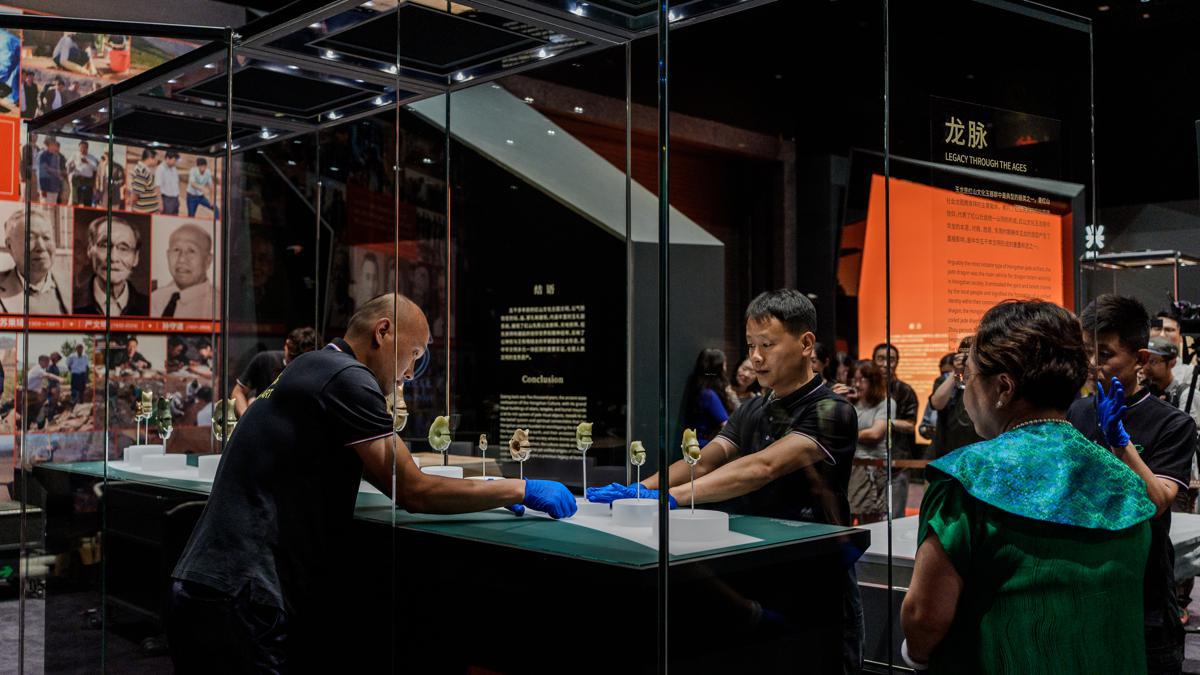
The exhibition will bring together more than 300 artifacts from 20 museums and archaeological institutions around China, to showcase findings of the archaeological exploration of the Hongshan Culture through the past century.
The Hongshan Culture is an important Neolithic archaeological culture in Northern China, dating back to about 6,500-5,000 years ago. It covers an area of around 200,000 square kilometers, including today's western Liaoning province, southeastern Inner Mongolia autonomous region, and northern Hebei province.
Located at Hongshan (meaning "red mountain" in Chinese) in Chifeng city, Inner Mongolia autonomous region, the Hongshanhou site is a significant discovery site of the Hongshan Culture and the place after which the culture is named.
Around 5,500 years ago, the Hongshan Culture developed a complex ritual system characterized by altars, temples, and burial mounds, as well as jade artifacts such as the iconic jade dragon. This period marked the emergence of a more sophisticated social structure and the formalization of spiritual beliefs. Regarded as one of the earliest state-level societies in China, the culture is considered a foundational element — or "taproot system" — of Chinese civilization.
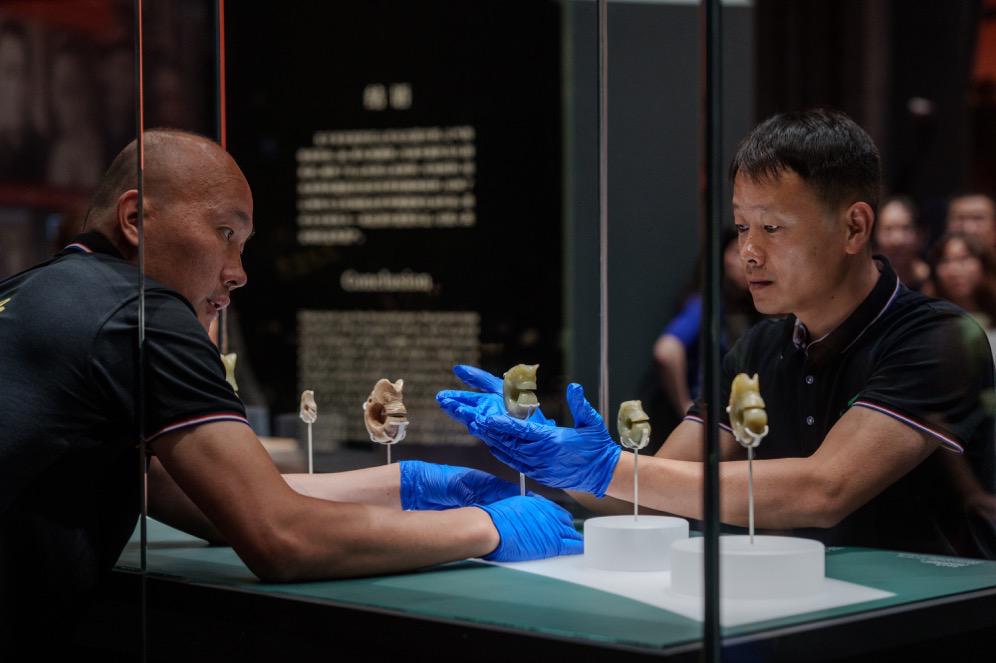
The archaeological discoveries at the ancient state of the Hongshan Culture bear strong testimony to the fact that Chinese civilization is a highly inclusive continuum with a distinct identity.