History of traditional Chinese medicine on display
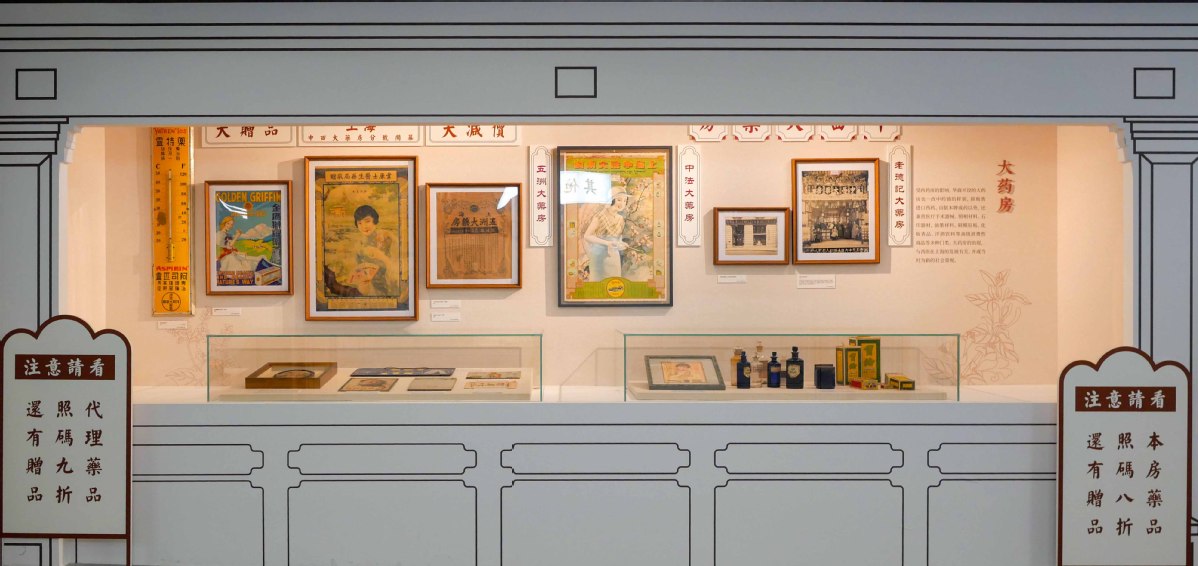
A new exhibition at Shanghai History Museum explores the development of traditional Chinese medicine (TCM) practices in the city through more than 300 artifacts, including a treasured first print copy of Bencao Gangmu, or Compendium of Materia Medica, by Li Shizhen (1518-1593).
Li spent almost 30 years compiling the encyclopedia, considered to be one of the greatest medical works in Chinese history, which consists of 52 volumes, with medical substances categorized into three main types: minerals, plants and animals.
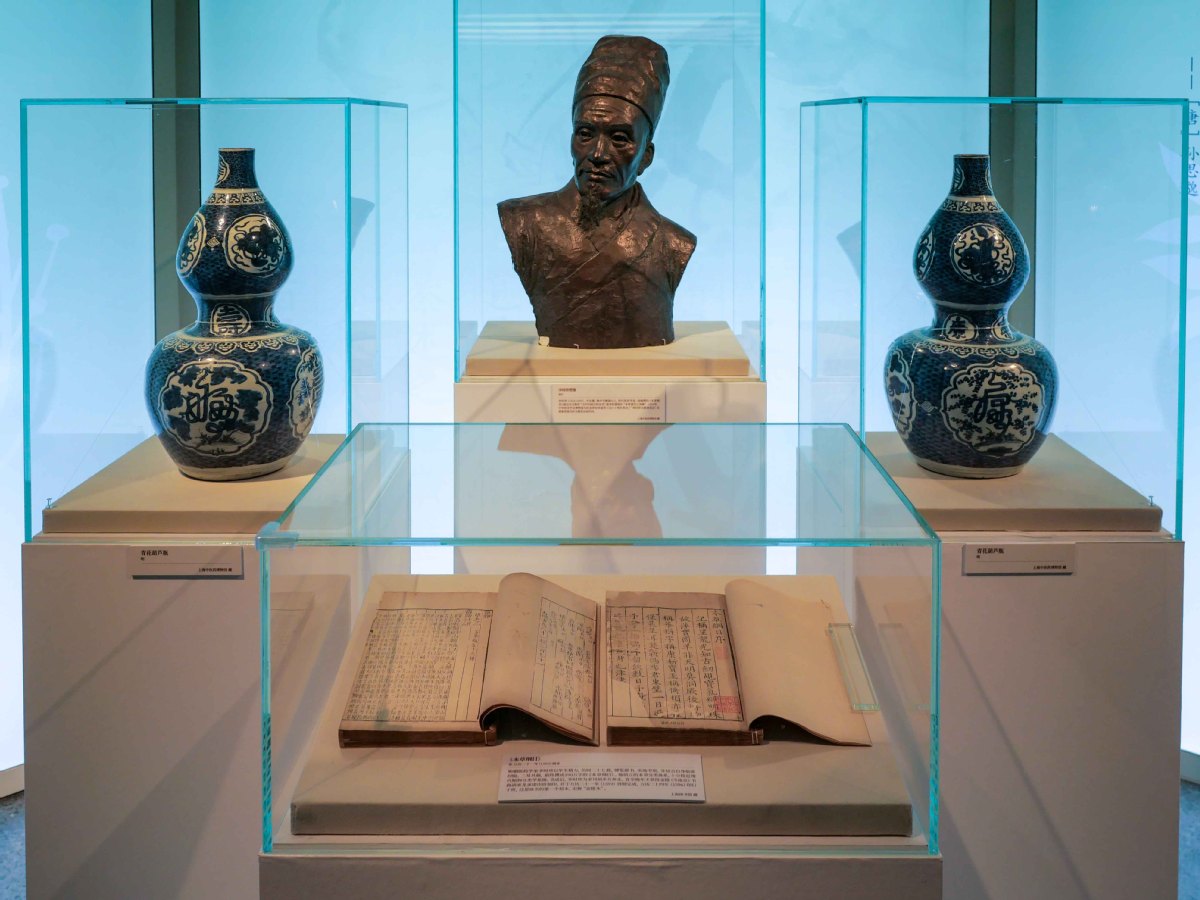
About 160 editions of the work have been discovered to date, the earliest being the Jinling edition, which is considered to be the original version. The copy on display at the History Museum has been loaned from Shanghai Library for one week.
The exhibition - Heritage, Harmony, Health: The Wisdom of Shanghai TCM for Modern Well-Being - which is running at the museum until March 1, presents traditional Chinese medicine not only as a practice of healing but also as a way of life practiced by people over millennia, permeating their daily diet and routines.
"This is not an educational exhibition about TCM, instead, it uses the history of the city as a starting point to interpret the profound connection between traditional Chinese medicine culture and the city of Shanghai," said Wang Chenglan, curator of the exhibition, who is an associate researcher at the museum.
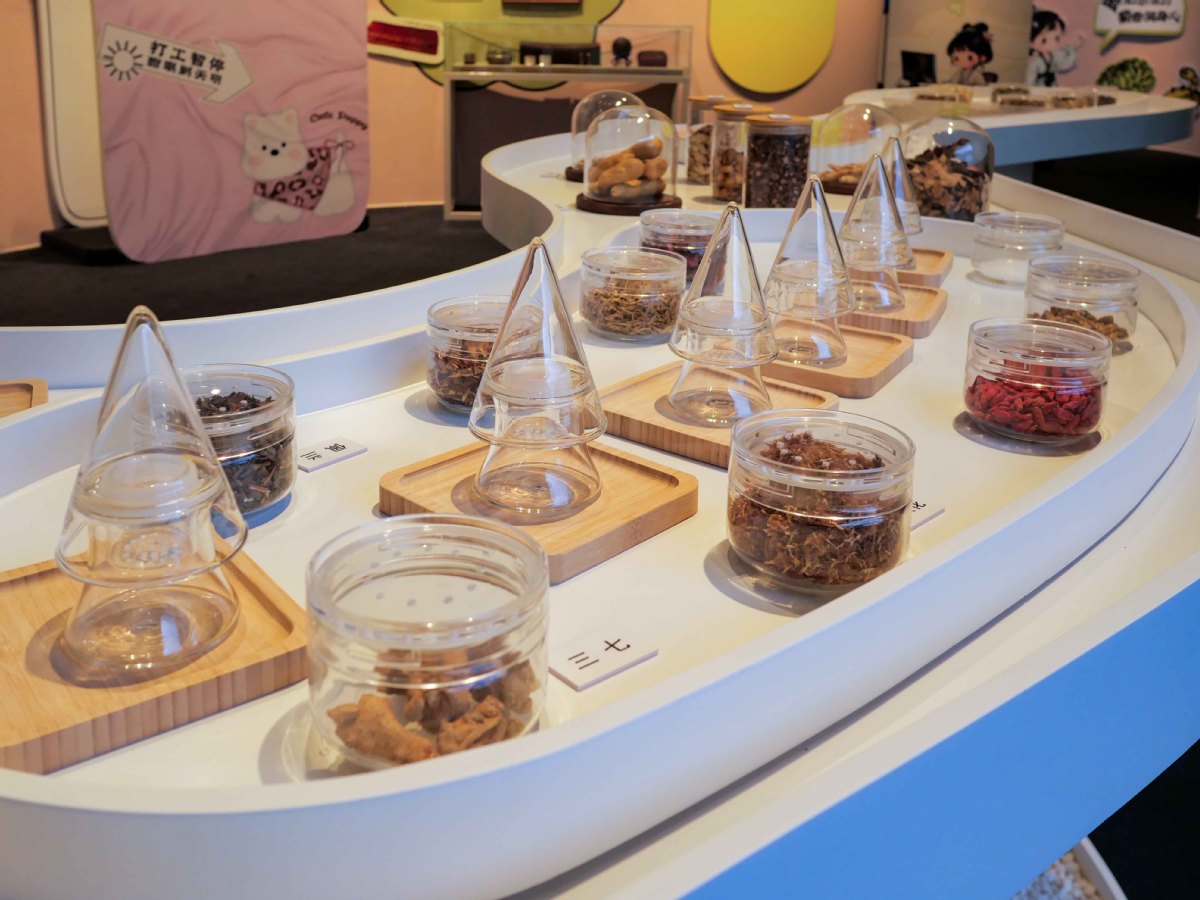
The exhibition follows the theme of "medicine, herbs and wellness", focusing on how traditional Chinese medicine has taken root in Shanghai, integrated Chinese and Western practices and become a part of modern urban lifestyles.
The first chapter of the exhibition highlights the rise of Shanghai as an important center of TCM from the mid-1800s to the early 20th century.
Driven by population growth and commercial prosperity, Shanghai has been a national distribution center for medicinal materials since the mid-19th century.
Traditional Chinese pharmacies, influenced by Western drugstores, have since expanded their range of business to meet the commercial demands of the 21st century.
The second chapter of the exhibit introduces the modern development of the TCM profession, tracing the founding of schools, medical associations, and the establishment of new educational and practical systems.
The third chapter showcases how TCM ideas and beliefs have been widely adopted and practiced by Chinese people through a diverse collection of artifacts.