Ancient Han Dynasty treasures to go on show in Shanghai
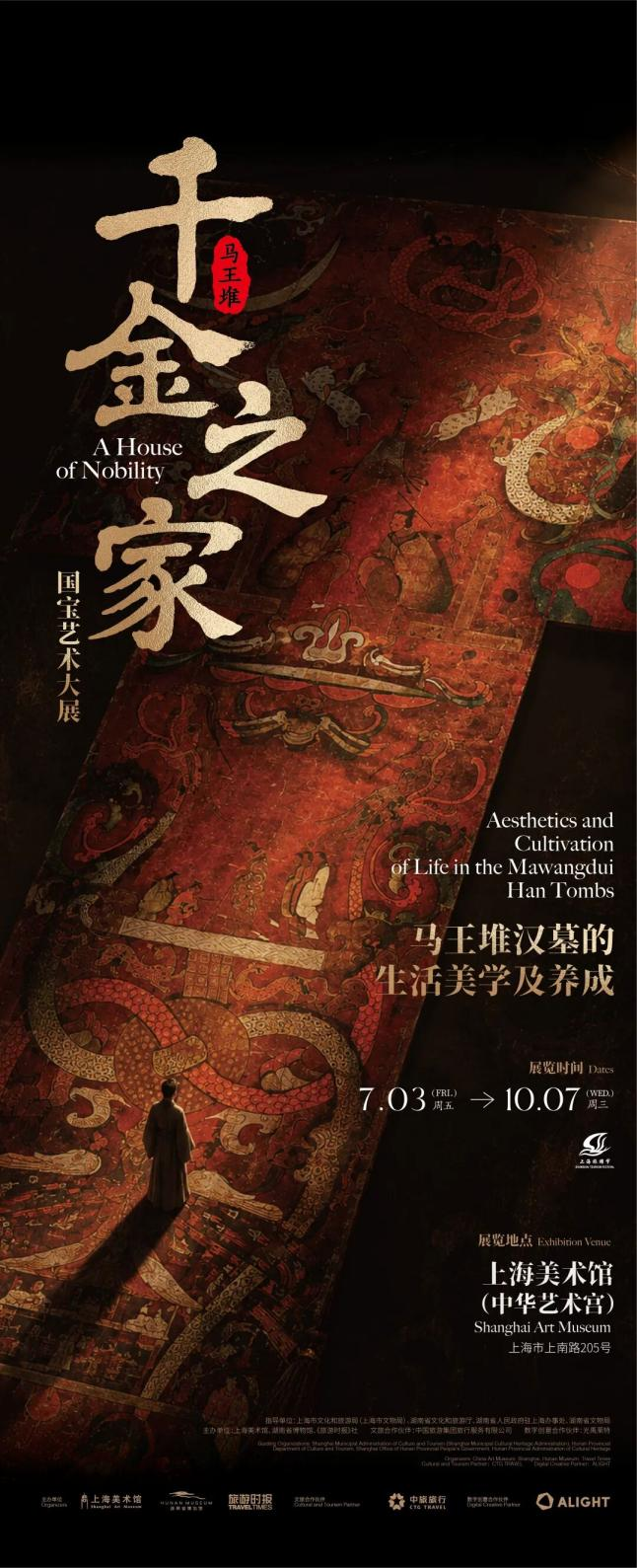
The exhibition A House of Nobility: Aesthetics and Cultivation of Life in the Mawangdui Han Tombs will run from July 3 to Oct 7 at the Shanghai Art Museum, marking the largest and highest-level exhibition of the Mawangdui Han Tombs outside Hunan province.
The exhibition will present the daily life of Han Dynasty aristocrats, represented by Lady Xin Zhui, whose body was incredibly well-preserved when unearthed after being buried in the tomb more than 2,000 years ago, while showcasing the craftsmanship, cosmology, ritual culture, and medical knowledge of the early Western Han Dynasty (206 BC-AD 24).
The exhibition will include three national treasures prohibited from being exhibited outside China. It will also feature three historic firsts, including artifacts making their public debut and others being displayed outside Hunan for the first time.
The originals of two rare T-shaped silk paintings from different periods will be shown during the exhibition.
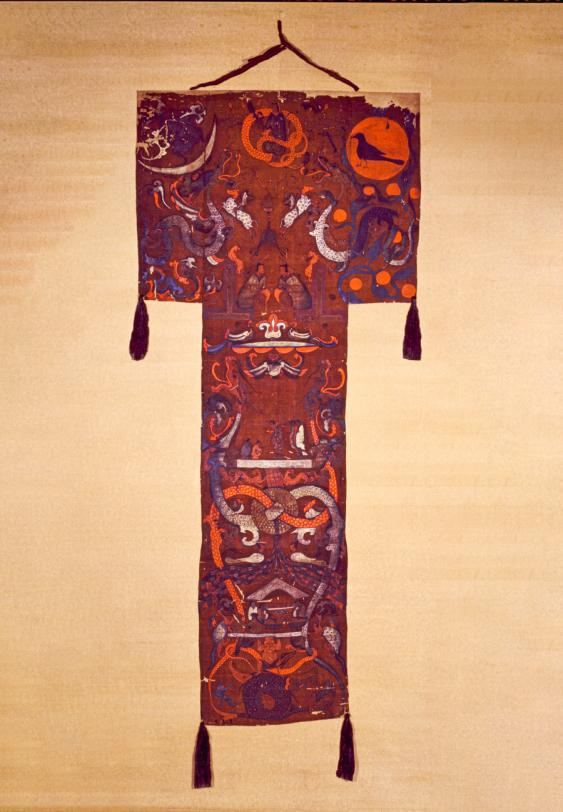
The T-shaped silk painting from Mawangdui Han Tomb No 1, among the first group of cultural relics prohibited from being exhibited outside China, will be displayed from July 3 to Aug 16. Also known as feiyi (flying garment), the painting reflects Han Dynasty views of the universe and life.
From Aug 18 to Oct 7, the T-shaped silk painting from Mawangdui Han Tomb No 3 will go on display. The work, the largest known painted silk painting from the Han Dynasty, presents a cosmological order through images of heaven, earth, and human life. Compared with the T-shaped silk painting from Tomb No 1, it is earlier in date, larger in scale, and richer in meaning.
The exhibition marks the first time the originals of the T-shaped silk paintings from the tombs of Xin Zhui and her son will be displayed outside Hunan as part of the same exhibition.
Another highlight is the first public display of an embroidered cushion featuring a cloud-riding pattern on qi silk with paired-bird lozenge designs. It is the earliest known silk mat discovered through archaeological excavation and reflects the living customs of Han Dynasty aristocrats.
The original painted double-layer rectangular lacquer cosmetic box, part of the third group of cultural relics prohibited from being exhibited outside China, will be displayed outside Hunan for the first time. The lacquered gauze cap stored inside the box is the earliest known physical example of a black gauze cap.
An original silk manuscript fragment of Zhouyi (The Book of Changes), part of the third group of cultural relics prohibited from being exhibited outside China, will also be displayed. It is one of the earliest known manuscript copies of Zhouyi.
The exhibition is set to move beyond traditional artifact display by using contemporary visual presentation to interpret Mawangdui culture. It will be divided into three sections focusing on Han Dynasty pattern aesthetics, objects, and views of life and the universe.
The exhibition will also feature immersive settings, including Li Cang's government office, Xin Zhui's dressing room, kitchen, and fitness room, and spaces for medical consultation and incense experiences. Some replica artifacts will be placed in lifestyle settings, where visitors can use a digital fitting mirror for interactive experiences.
Wang Yichuan, executive director of the Shanghai Art Museum, said the museum will organize themed activities such as lectures and art workshops during the exhibition to help visitors better understand Mawangdui culture and Han Dynasty aesthetics.
The exhibition will partner with 20 hotels and more than 70 merchants in the Expo area through a ticket-stub and consumption-voucher benefit program, creating a range of Mawangdui-themed experiences. More than 40 outlets of Xun Xiang Ji, a Hunan cuisine chain branded in English as Spice X, for example, plan to offer a special Mawangdui-themed set menu.
Sources: Shanghai Municipal Administration of Culture and Tourism, Jiefang Daily