Yuyuan light show: 30 years aglow, brighter days ahead
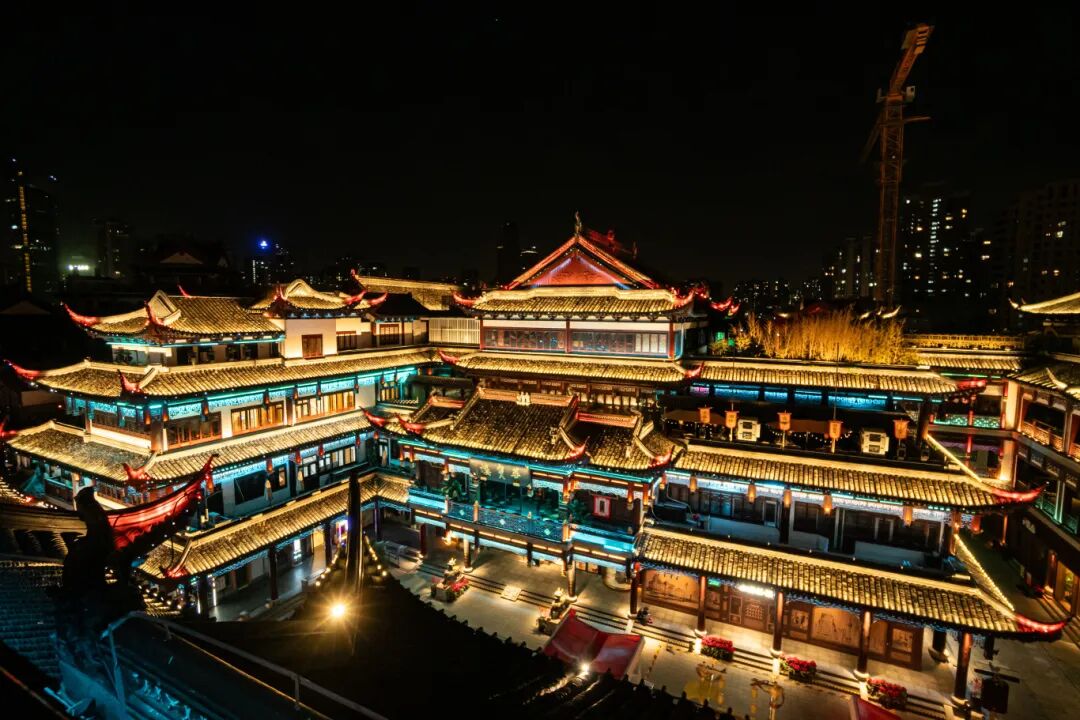
As drums pulse and flutes resonate through the evening air, an amber glow cascades down the traditional upturned eaves of Yuyuan, lighting up the complex like a slowly unfolding scroll of winter poetry.
Starting this month, the Yuyuan light show runs nightly in three-minute sequences, adding a dynamic note to the area's seasonal cultural narrative.
For a long time, Yuyuan Garden has been a cultural landmark and commercial heart of Shanghai, known for its annual lantern festival. Now, the launch of a permanent, year-round lighting system signals a shift for this historic block — from a festival highlight to a destination where light and artistry can be enjoyed at any time.
Origins: Lighting up the city
Lantern festivals in Shanghai date back to the Han Dynasty (206 BC-AD 220), with the area around the City God Temple and Yuyuan Garden becoming a center of activity during the Ming (1368-1644) and Qing (1644-1911) dynasties.
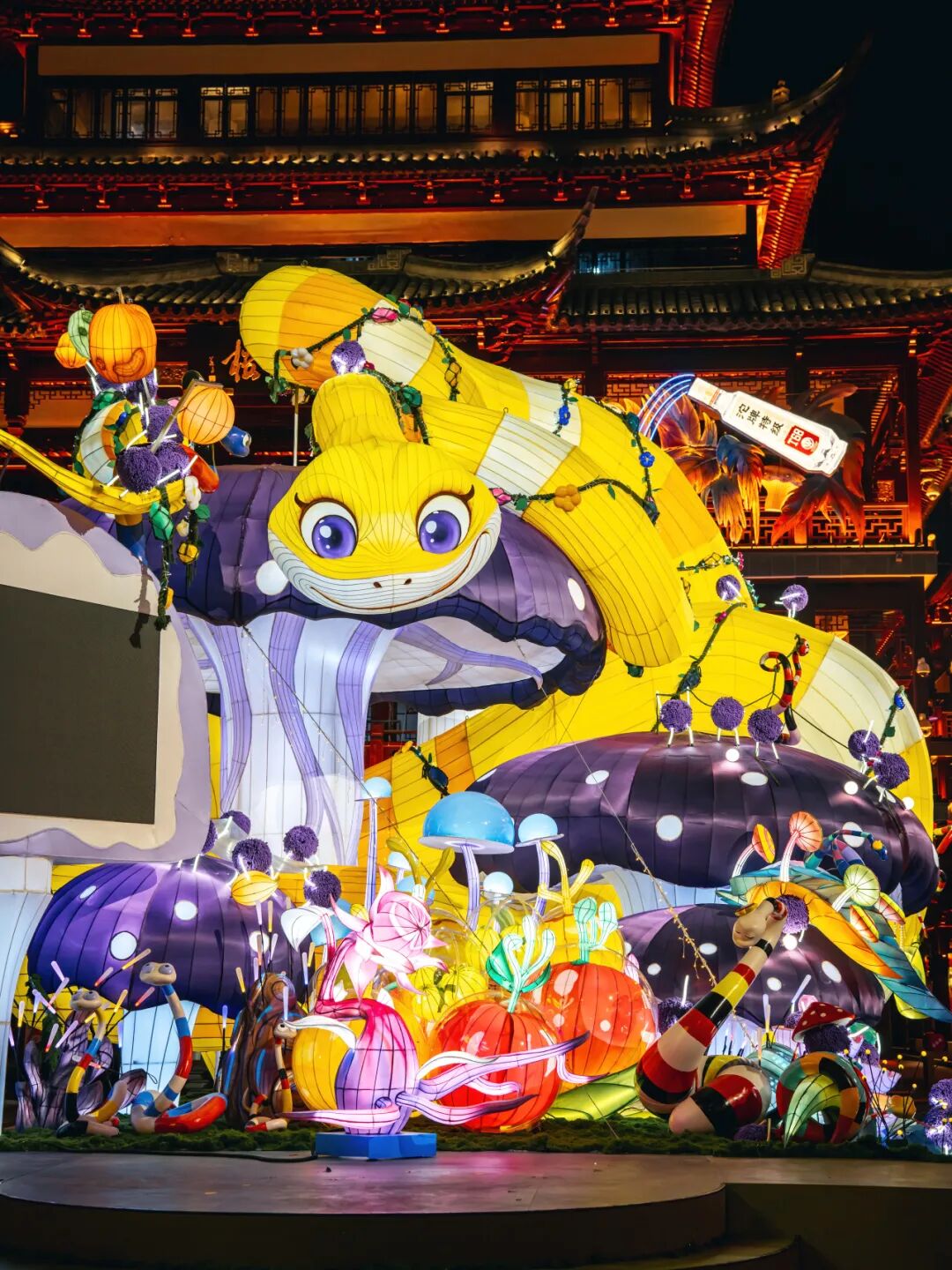
In 1995, Yuyuan Garden Malls began hosting an official event named the Yuyuan Garden Lantern Festival. That year, the Year of the Pig, according to the Chinese zodiac, featured a charming five-meter-long pig lantern that quickly became the centerpiece in the main square.
Rooted in traditional craftsmanship, the festival marked the beginning of Yuyuan's enduring relationship with light. Early editions relied on intangible cultural heritage skills such as frame painting, lantern inscription, paper-cutting, and needle-pricking to create handcrafted figures from mythology and auspicious animals. These works filled the city with festive energy during Spring Festival and gradually became an essential symbol of Shanghai during Chinese New Year.
Elevation: From festival to heritage
In 2011, the Yuyuan Garden Lantern Festival was officially listed as a national-level intangible cultural heritage item, lifting it from a seasonal folk event to a key cultural heritage practice.
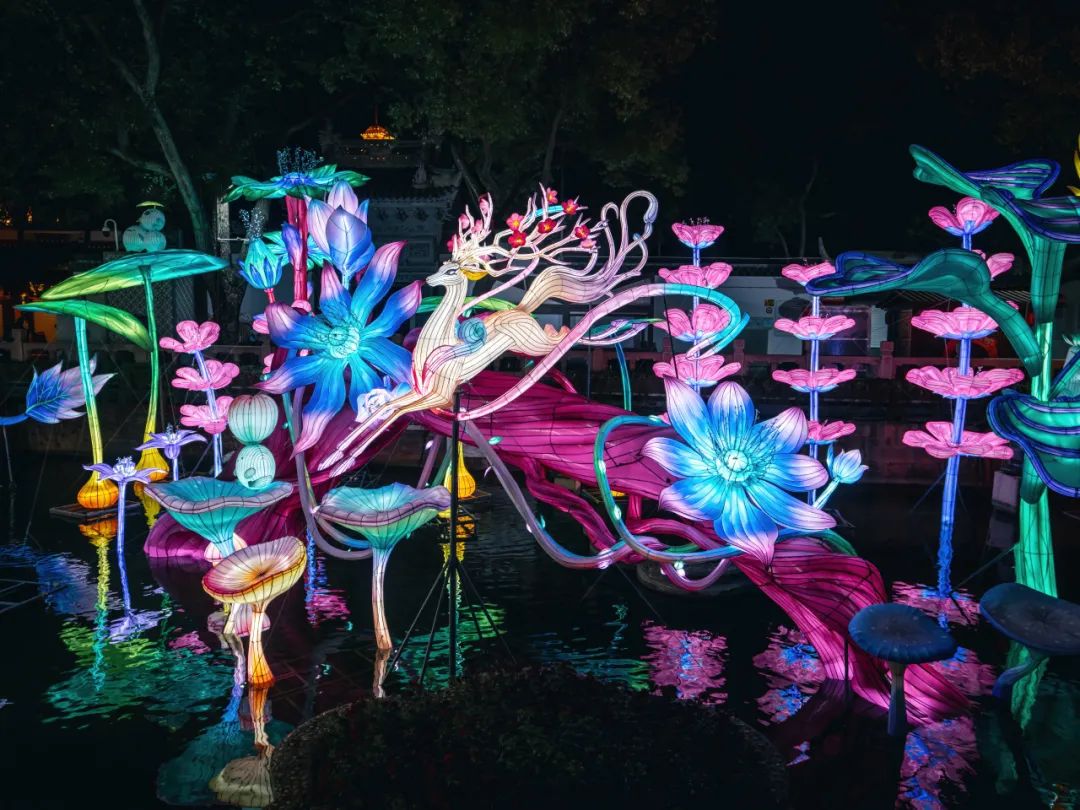
During this phase, while preserving traditional lantern-making techniques, the festival began to emphasize thematic storytelling and cultural depth. Annual designs drew inspiration from the Chinese zodiac or timeless stories, with installations based on literary works such as Classic of Mountains and Seas, Journey to the West, and Dream of the Red Chamber. These creations encouraged visitors not just to admire the spectacle but to appreciate the stories and traditions they carry.
Innovation: Technology enhances historical learning
As part of ongoing urban renewal, the restoration and commercial upgrading of the Yuyuan area included modernizing its lighting infrastructure.
In 2025, the Yuyuan four-season light system debuted. A smart control system jointly developed by Chinese and French teams synchronizes over 70,000 sets of lights, while customized spectral technology and musical scores allow the historic architecture to reveal a different, nocturnal beauty.
This established a dual-track model: the traditional lantern festival continues the warmth of handicraft and festive ritual, while the permanent light show expands the experience across time, allowing the art of light to transcend seasons and transform with different themes.
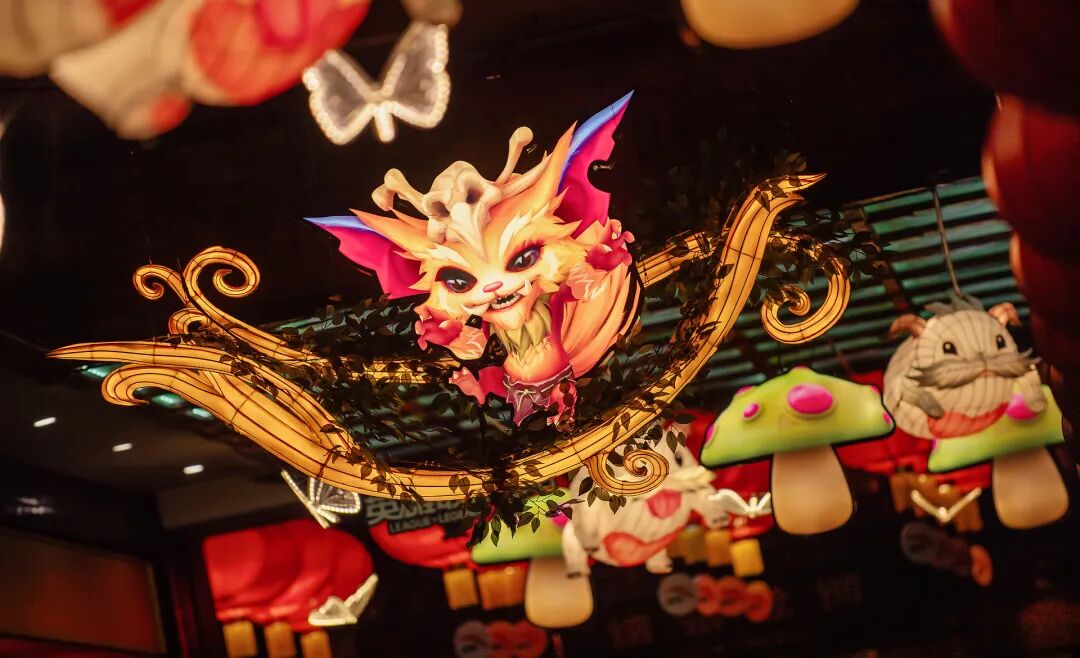
For example, the summer edition employs lively rhythms and dynamic lighting to connect with younger audiences, incorporating elements from anime and electronic music. Data shows that during the summer event period, daily visits to Yuyuan Garden Malls exceeded 160,000, with total footfall surpassing 7.5 million. Visitors under 35 years old accounted for over 60 percent of the attendees.
Expansion: From site-specific to district-wide
The upcoming 2026 Year of the Horse Yuyuan Garden Lantern Festival is set to achieve a spatial breakthrough by extending its displays for the first time to Fuyou Road and Middle Fangbang Road, creating a visual dialogue with the Bund Finance Center.
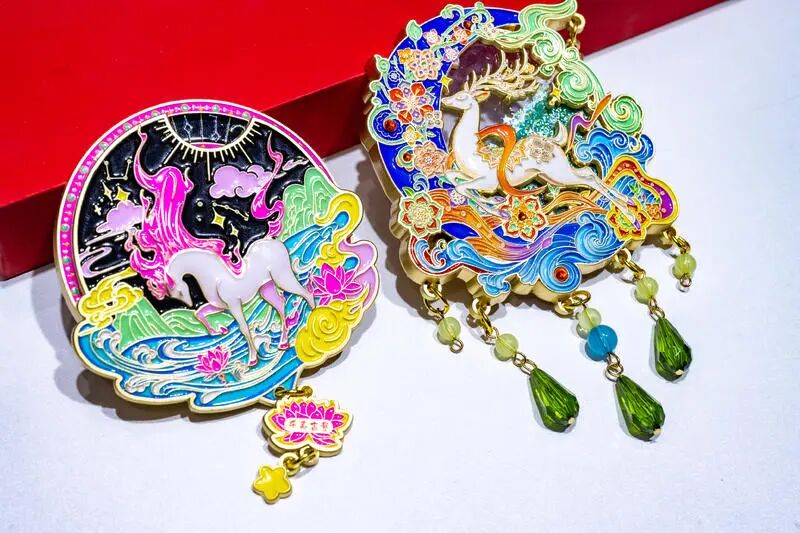
This marks Yuyuan's shift from a contained attraction to a district-wide roaming experience, laying the groundwork for a historical-cultural storytelling zone linked by light.
Visitors may follow these trails of light through scenes where past and present meet, embarking on an urban exploration across time.
Sources: Wenhui Daily, thepaper.cn