Shanghai unveils designs for Huangpu main venue of upcoming intl flower show
Organizers have unveiled the first batch of design plans for the Huangpu main venue of the 2026 Shanghai International Flower Show, offering a preview of a citywide floral celebration set to run from April 18 to May 10 under the theme "Shanghai in Bloom, Instant Wonder".
Anchored by twin core exhibition zones in Xintiandi and Gucheng Park, the venue will extend through major landmarks and commercial areas that span Yuyuan Garden, Nanjing Road Pedestrian Street, Huaihai Road, and Sinan Mansions, creating a spring floral route that links flowers, urban life, and city memory across the district.
Over the 23-day exhibition, the venue will feature 40 themed installations and more than 60 urban floral windows across five main sections: World Garden, Curator Garden, Specialty Garden, Urban Floral Windows, and the Forest Art Season.
Stretching from Xintiandi to Gucheng Park through some of Shanghai's best-known historic and commercial areas, the route is designed to transform Huangpu into what organizers describe as an invisible yet palpable floral trail. Visitors can begin in bustling shopping districts and follow the scent of flowers into the spring charm of Shanghai's shikumen neighborhoods, or start among the blooms nestled within the city's older residences, before returning to lively streets for a coffee.
Part 1: World Garden section brings global landscape visions to Huangpu
The World Garden section, spanning Xintiandi and Gucheng Park, will bring together renowned landscape and horticultural design teams from countries including the United States, the United Kingdom, and the Netherlands. Centered on the festival theme, the section is built around ecological symbiosis, allowing diverse regional planting styles to coexist within a compact urban space. Each garden is conceived as a readable green poem, blending ecology, art, and technology to create immersive, sustainable, and low-carbon landscapes.
Xintiandi area
— Floating Garden
Designed by MLA+B.V. of the Netherlands, Floating Garden is envisioned as a poetic rehearsal for the future. Instead of standing behind an embankment looking down, visitors are invited to walk down the steps and get closer to the water's edge.
Within this shared space shaped by water, people are no longer mere spectators to the city, but part of a living system linking river, sea, and urban life. The design seeks to reimagine Shanghai's future relationship with water and suggest a more resilient mode of urban growth shaped by its rhythms.
— Rings of the City
Designed by Sasaki of the US, Rings of the City condenses the historical trajectory of the Taipingqiao area, from a natural water town to a bustling urban neighborhood and then to a modern metropolis, into a three-layered landscape.
The lower layer recreates the area's original watery environment through lively water systems and native aquatic plants. The middle layer reflects the warmth of old-city life through shikumen flower windows and richly planted borders. The upper layer sketches a contemporary urban future through minimalist floral arrangements and technological lighting.
By layering space over time, the garden allows urban memory to grow visibly and creates a dynamic experiment in which the passage of time, the evolution of civilization, and the sustainable growth of the city can all be read in a single landscape.
— Carrier of Time
Designed by AECOM from the US, Lee Parks of the UK, and Geoff Farquhar-Still of Australia, Carrier of Time uses the seed as a vessel of time, interpreting the spread, encounter, and continuation of life across time and space. The design draws on four natural modes of seed dispersal by water, wind, animals, and self-dispersal, transforming the journey of life into a landscape that can be experienced, sensed, and contemplated.
The garden invites visitors to experience the force time gives to life and the vitality with which living things travel across time and space, pass from generation to generation, and continue growing toward the future.
— Where Nature Meets the City
Designed by Laurie Chetwood of Chetwoods Architects of the UK, Where Nature Meets the City follows a developmental narrative of "old city, green city, future city".
'Through a layered sequence of landscapes, it traces the city's path from urban repair and renewal to ecological revival. Beginning with the preservation and revitalization of historic urban fabric, moving through the integration and reconnection of green spaces, and extending toward a forward-looking vision that is smart, low-carbon and livable for both life and work, the design serves as both a microcosm of urban development and a vivid expression of ecological progress. Grounded in nature, shaped by ecology, and oriented toward the future, it conveys a clear vision of harmony between people and nature.
— Hamburg Garden
Designed by Zhao Yuanming of Shanghai Manke Landscape Design Co Ltd, Hamburg Garden uses waves as its core concept, reflecting the shared port-city character of Hamburg and Shanghai.
The rolling and converging waves symbolize four decades of friendship and cooperation between the two cities, while the undulating flower waves point to deeper future cooperation in culture, the economy, and education. The layered wave imagery also helps reconstruct urban space and outlines a future of diverse coexistence and harmonious development.
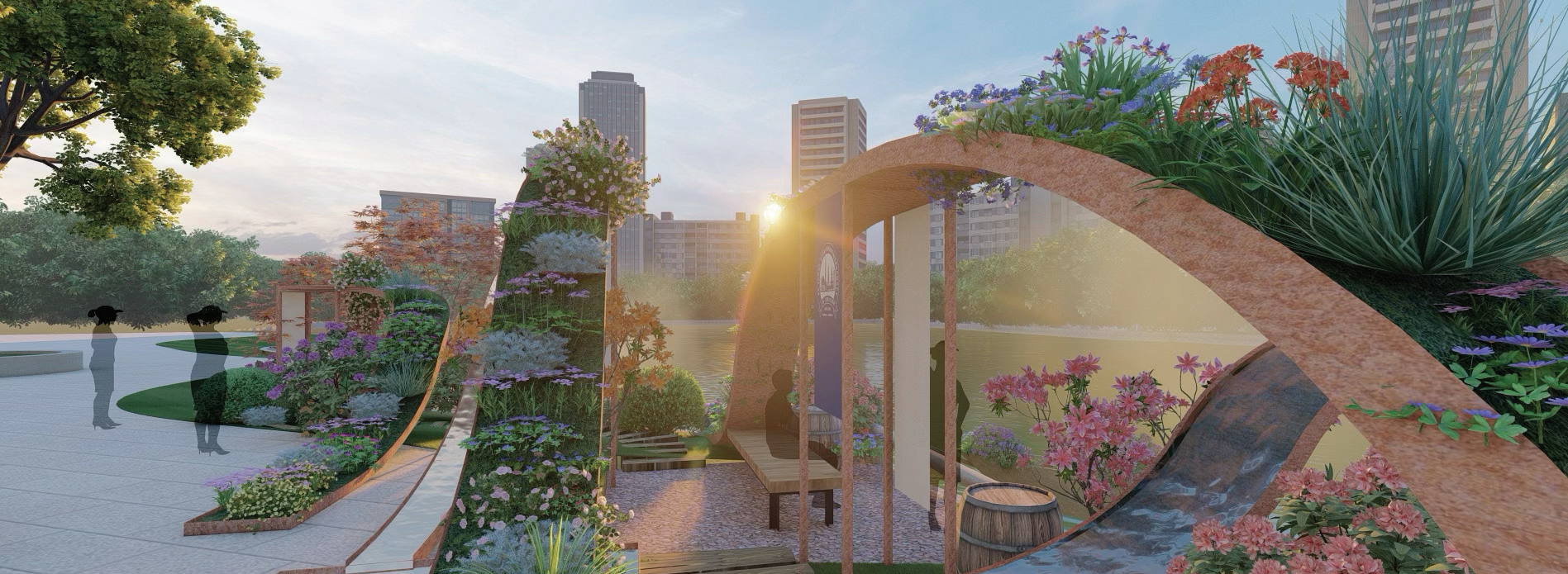
— Heart of the White Magnolia
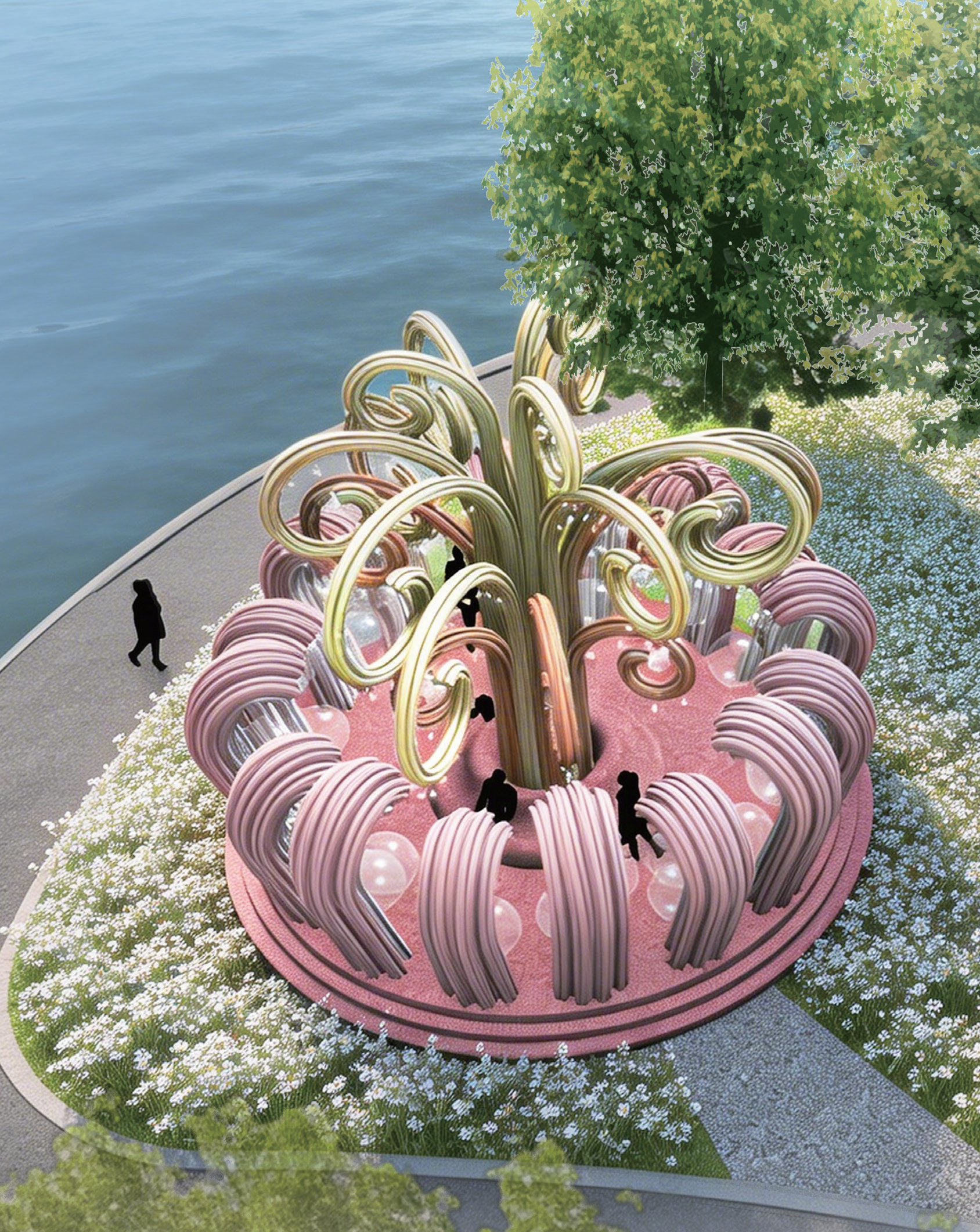
Created by Martha Schwartz Partners of the US, Heart of the White Magnolia draws inspiration from the magnolia family, a botanical "living fossil".
The design pays homage to magnolias, which survived not through conquest but through symbiosis, relying on beetles for pollination long before the emergence of bees. As a representative of the magnolia family, Shanghai's white magnolia blooms in early spring and symbolizes purity, resilience, and renewal. Through this magnolia-inspired artwork, the design asks who the city's own "pollinators" are — those who nourish urban life — and suggests that, like the white magnolia, people may find harmony and flourish together in the city.
Gucheng Park area
— Rishe Garden
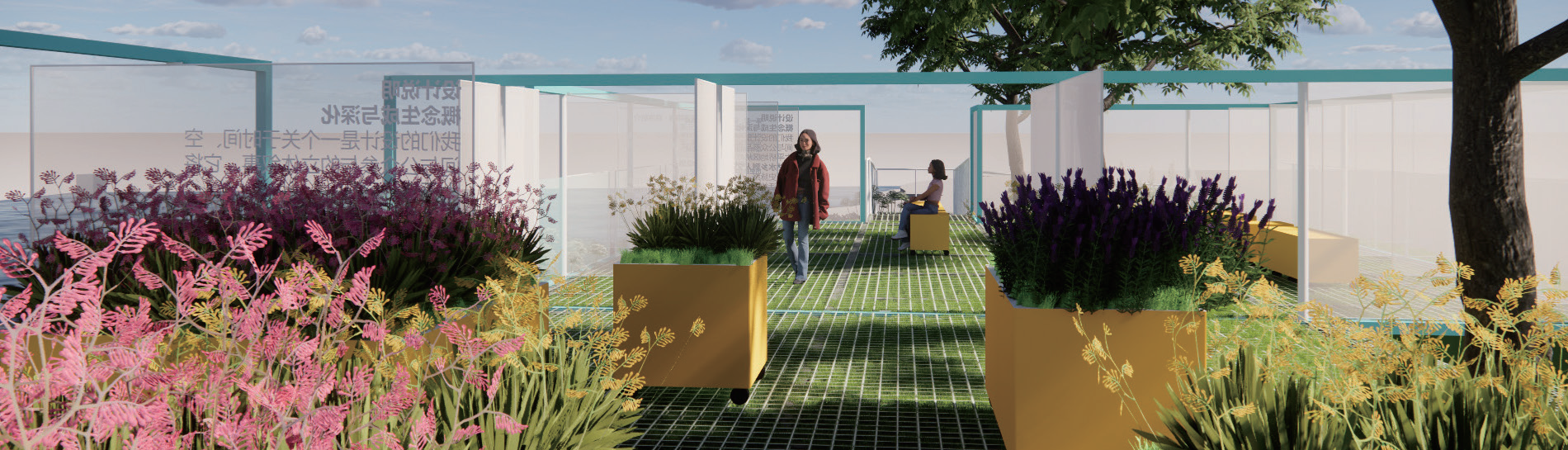
Designed by the School of Landscape Architecture at Beijing Forestry University together with Atelier DYJG, Rishe Garden takes inspiration from the famed Shanghai garden of the Ming Dynasty (1368-1644).
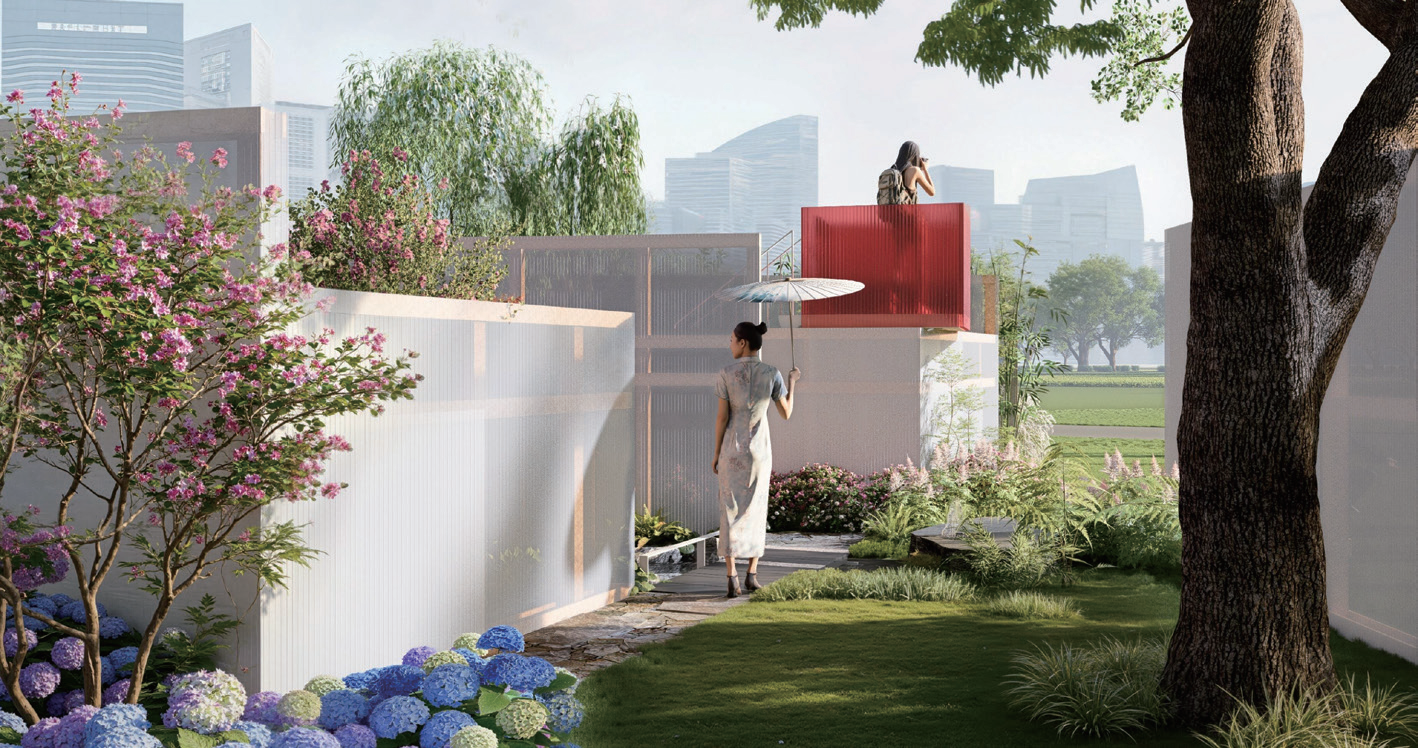
Drawing from historical scrolls such as The Thirty-Six Views of Rishe Garden, the design adopts the spirit of "wandering the garden until delight emerges" and reconstructs the experience of movement through a classical Chinese garden in a contemporary setting.
Transparent polycarbonate walls, winding paths, still water, and carefully arranged plantings form poetic scenes that echo named spaces from the original garden. Rather than replicating the past, the project uses a concise contemporary language to enter into dialogue with classical aesthetics, allowing a vanished garden to meet the narratives of the present.
— Mist Forest
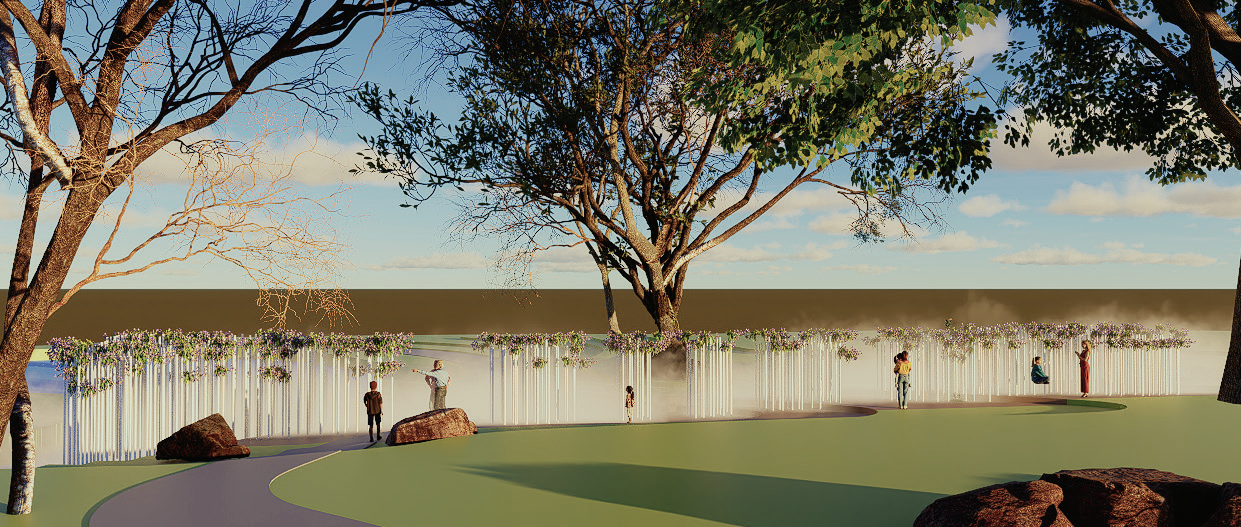
Designed by Latz+Partner of Germany, Mist Forest draws on both the Chinese legend of Chang'e flying to the moon and the German poem Abendlied (Evening Song).
A double-layer bamboo structure suspends air plants and pale orchids to create a veiled botanical screen, while a misting system builds an ethereal atmosphere. Still water reflects the sky and moonlight, and the bamboo structure draws on imagery from Alpine drying racks alongside traditional Chinese bamboo craft, highlighting a fusion of cultures. Fresh and tranquil by day, the garden becomes starry and dreamlike by night, offering an immersive experience that moves between the earthly and the spiritual, and between East and West.
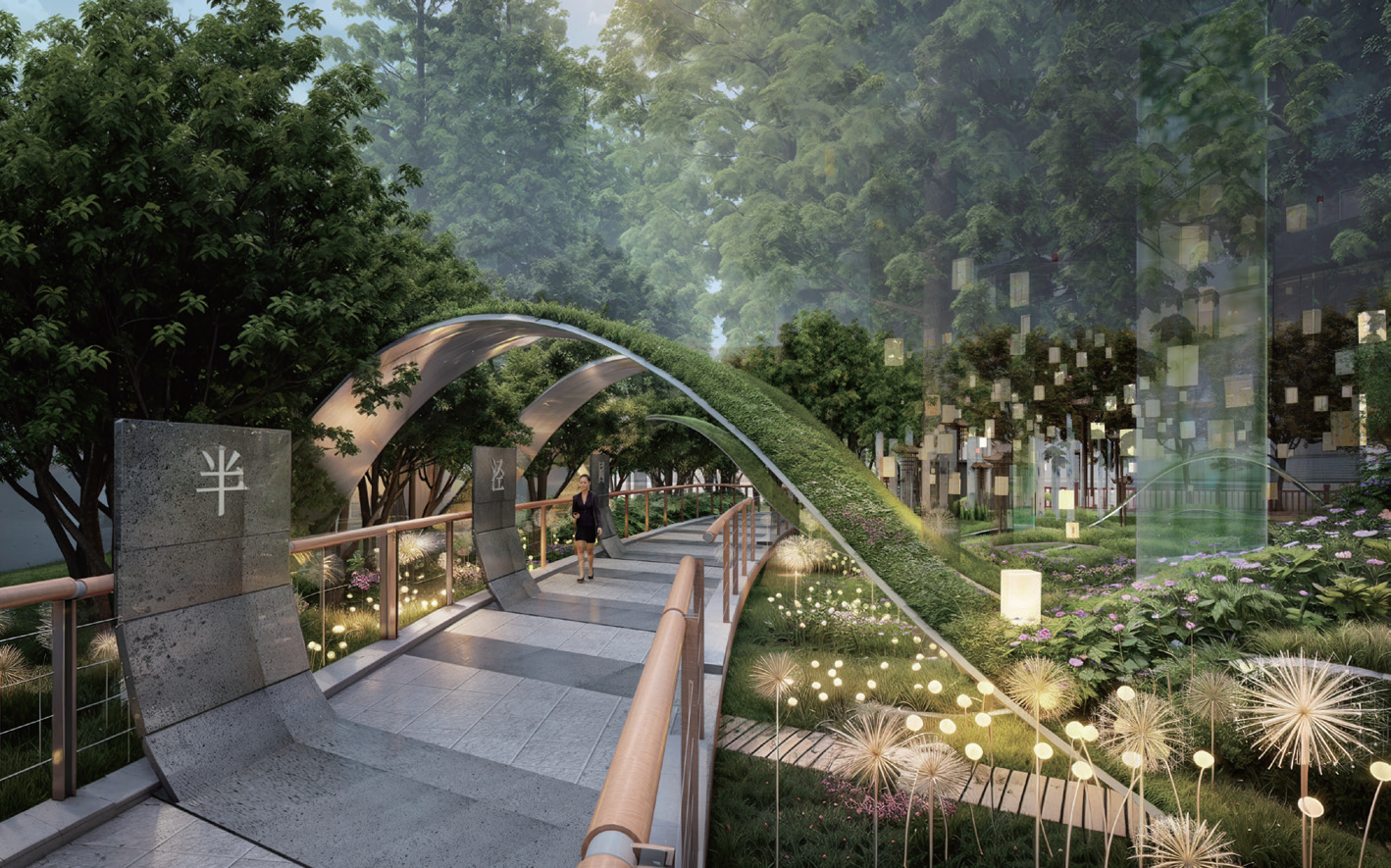
— Haze and Waters of Banjing
Designed by Lu Weihong and Zhu Yuhui, Haze and Waters of Banjing is framed as a contemporary landscape narrative about time, memory, and the origins of life.
Inspired by Shanghai's vanished Banjing Garden and other lost gardens of the old city, the design condenses memory into two core elements: a curtain of light and shadow, and a flower mound of origins.
The semi-transparent curtain changes with the light, while the planted mound spreads like naturally formed veins of color across the land. A winding path leads visitors through spaces of shifting light and darkness, reality, and illusion. Through minimalist means, the project reconstructs local cultural memory and reflects on loss and rebirth.
Part 2: Specialty Garden explores culture, ecology, and urban imagination
Distributed across the Taipingqiao area, Fuxing Park, and Gucheng Park, the Specialty Garden section takes "dialogue across time and space" and "fusion of scene and emotion" as its core ideas. Combining traditional and modern elements through diverse artistic approaches, this section seeks to present an encounter between flowers and humanistic landscapes.
Xintiandi area
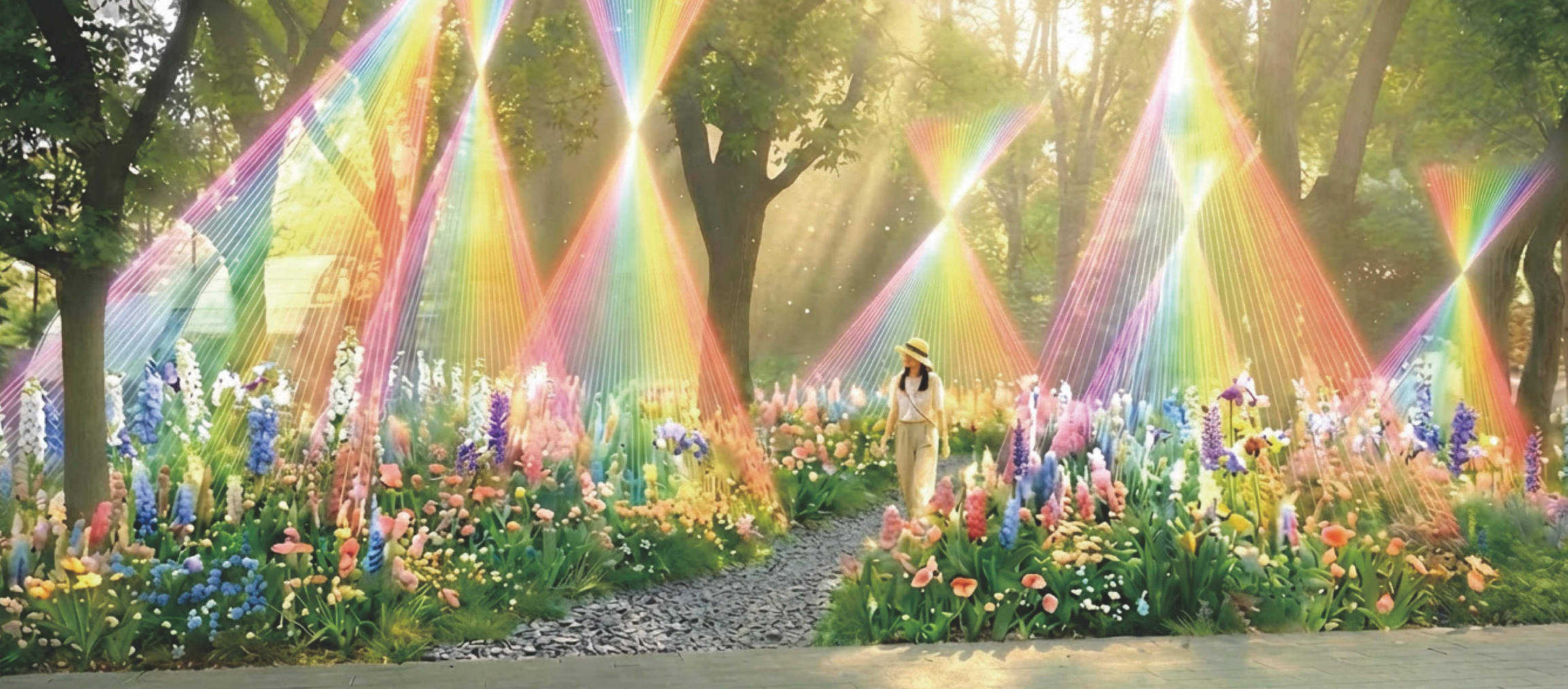
— Prism of Life
Planned by the Huangpu greening authorities, and the Yuyuan subdistrict community health service center, and designed by Li Zhongwei, Prism of Life is based on the concept of an "interwoven prism in the forest".
Colored lines arranged to evoke a prism allow natural light to filter through and cast rainbow-like spectra among the trees. As sunlight passes through the staggered lines, shifting beams move like veins of life across the ground and surrounding plants, creating a luminous woodland setting. The project is intended both as a visual spectacle and as a metaphor for the diversity and interconnection of life.
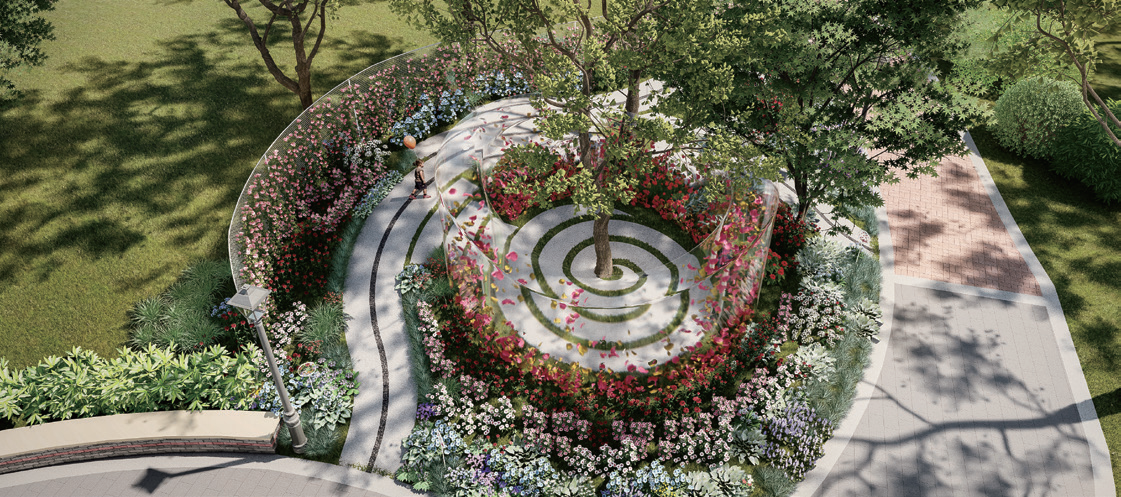
— Roses of Time
Designed by Jin Yifeng, Roses of Time uses the rose as its central theme. Transparent acrylic is heat-bent, polished, and shaped into petal-like art forms that appear to float lightly through controlled airflow.
The project traces the evolution of the rose from ancient wild varieties to the "queen of flowers in its many cultivated forms today. Its color palette shifts from warmth and brightness to softness and romance before blending into blue-gray tones, echoing the flower's layered transformation across time. The floating petals symbolize the shining moments of individuals in the city, while the accumulation of countless blossoms becomes an image of urban prosperity itself, a reminder that flourishing cities are built through the collective efforts of many.
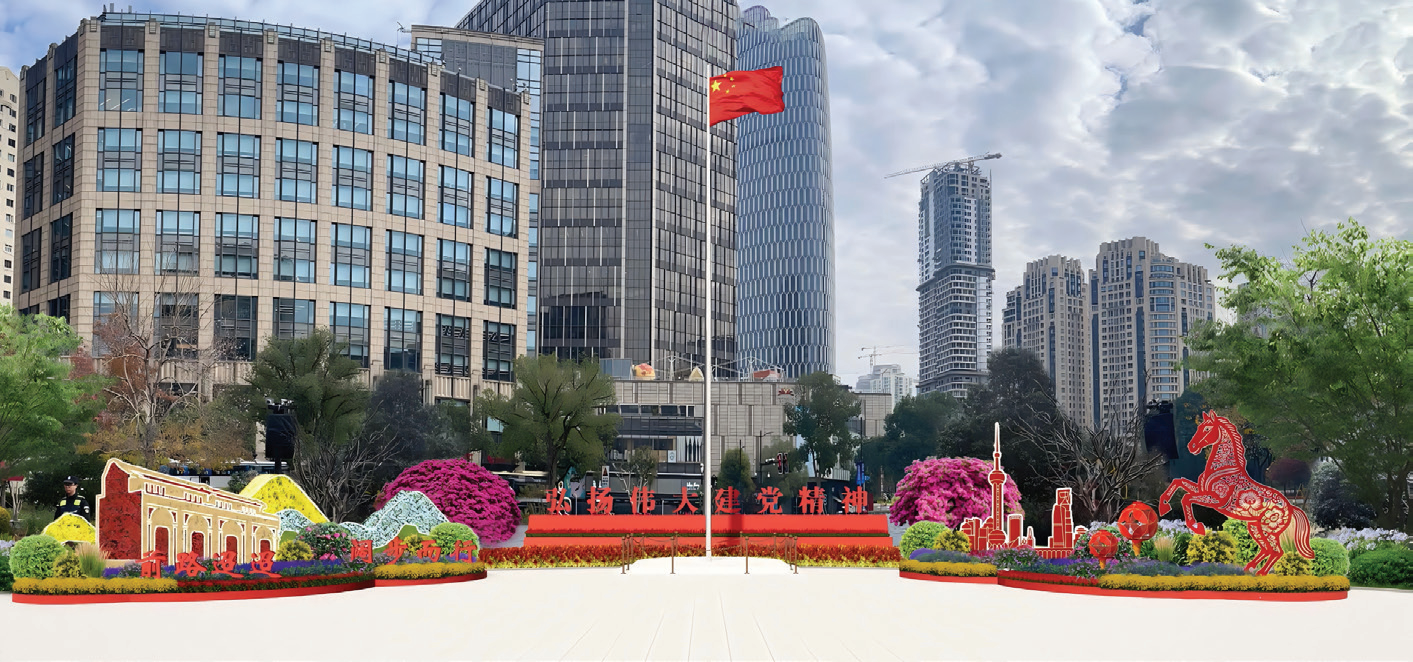
— Embarking on a New Journey, Advancing in a New Era
Designed by Zhejiang Humanities Landscape Co Ltd, Embarking on a New Journey, Advancing in a New Era takes ecological values and a forward-looking spirit as its key themes.
One side of the flower bed features topiary inspired by the site of the First National Congress of the Communist Party of China, alongside a New Year message about moving boldly forward, while also referencing the idea that lucid waters and lush mountains are invaluable assets.
The other side uses leaping horses, lanterns, and the Shanghai skyline as central elements, symbolizing renewal in the Year of the Horse and the city's revitalized energy in development. Together, the installation blends red culture, ecological value, and festive aspiration in a single uplifting landscape.
— Forest Healing Through the Language of Flower Borders
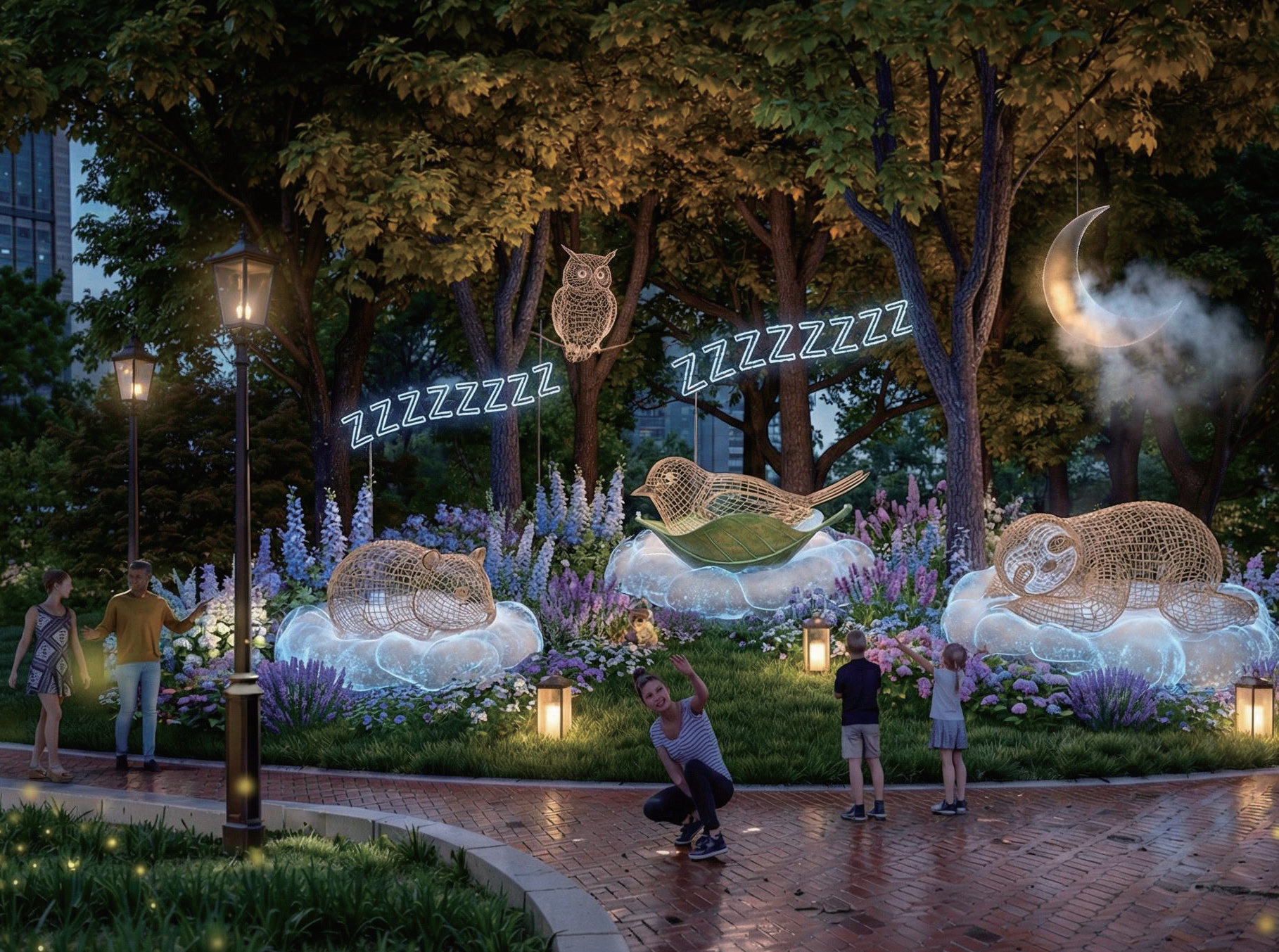
Planned by the Huangpu greening authorities, the Huangpu district health commission, and Shuguang Hospital affiliated with Shanghai University of Traditional Chinese Medicine, and designed by Wang Dongdong at Shanghai Landscape Architecture Design and Research Institute, Forest Healing Through the Language of Flower Borders addresses sleep anxiety in modern urban life.
Using animals such as sloths, hamsters, and owls as playful symbols of different sleep states, the project builds a threefold healing space of nature, warmth, and technology. Blue-purple flower borders planted with aromatic and medicinal herbs such as lavender and hyssop create a calm and soothing atmosphere, inviting visitors to step away from urban noise and rediscover a sense of peace and vitality.
— Osmanthus Crossing Through Time
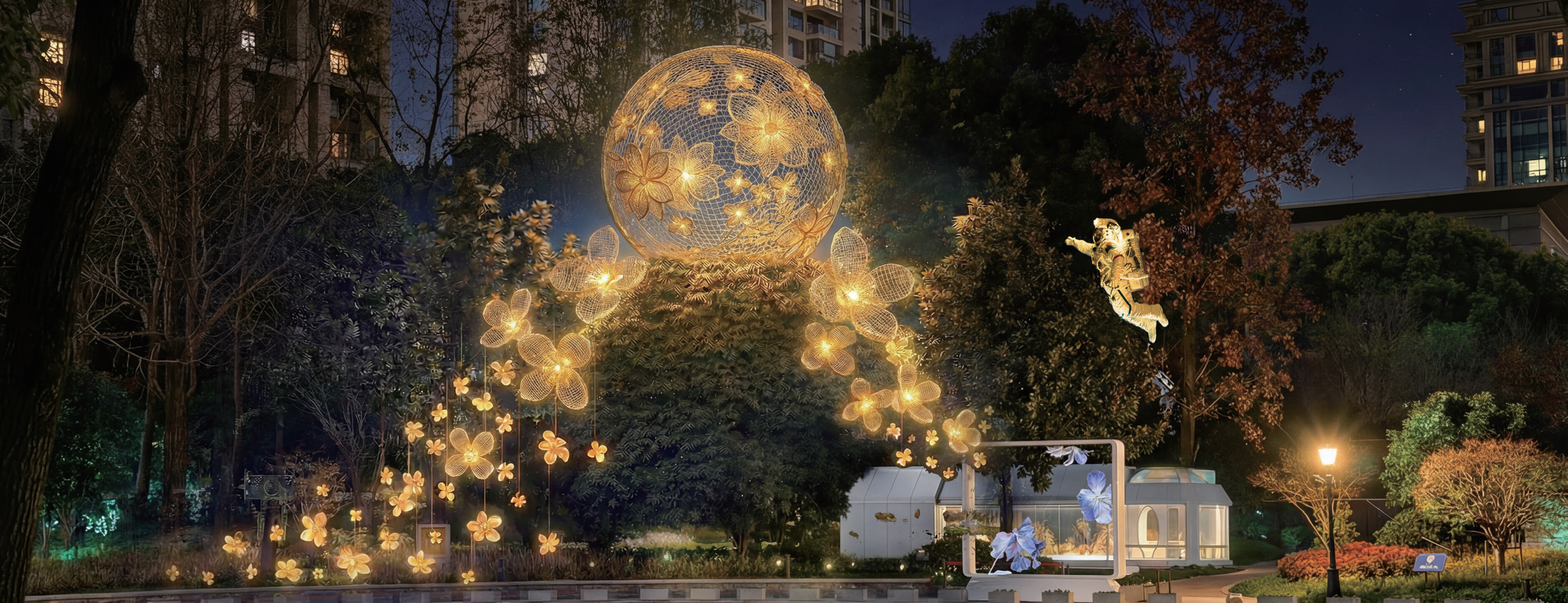
Designed by Chen Chen at Shanghai Landscape Architecture Design and Research Institute, Osmanthus Crossing Through Time uses the Moon and the Earth as dual themes, combining aerospace imagery with natural vitality.
Visitors can immerse themselves in a space-like environment while also exploring displays on aerospace science and viewing plants developed through space technology. The project brings together flowers, ecology, science, and cosmic imagination within a single setting.
— Anywhere Door
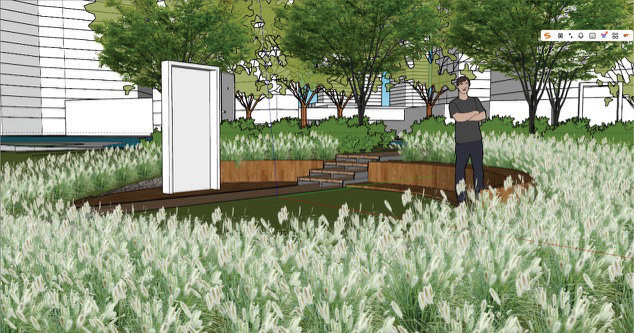
Designed by the Department of Landscape Architecture at Tongji University's College of Architecture and Urban Planning, with Shen Jie, Wang Yu, Ren Yicheng, and others, Anywhere Door introduces three “doors of time” within the garden.
The first represents the past, framing Iris Cafe Garden, a preserved work from the 2025 Shanghai International Flower Show. The second represents the present, opening visually onto the Gucheng Park exhibition area. The third represents the future, suggesting an unseen but dazzling world beyond.
— Hengduan Mountains Workshop
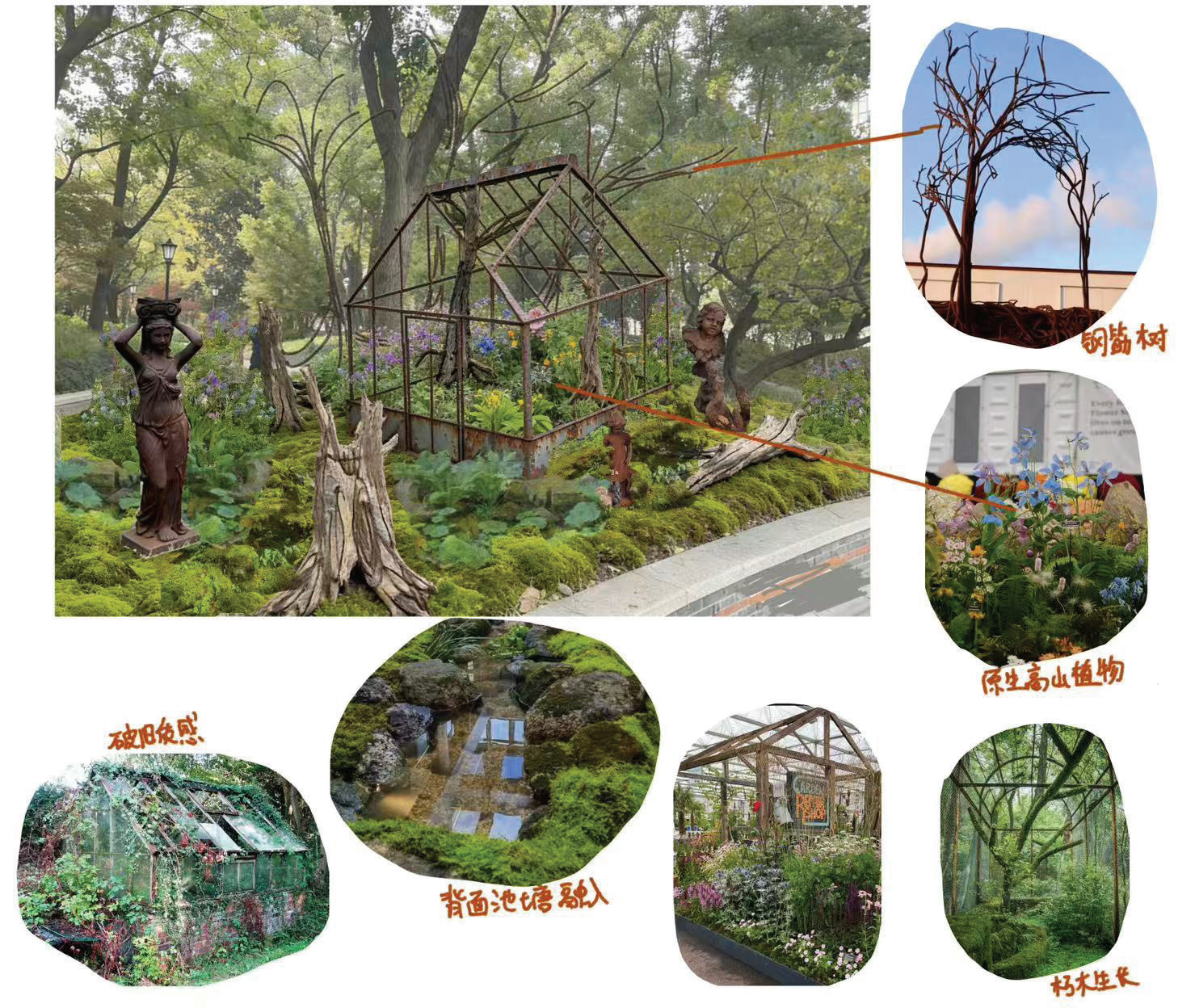
Designed by Lulu's Farm, Hengduan Mountains Workshop centers on alpine plants and places them within the rusted iron skeleton of a workshop, creating a ruin garden of striking visual tension.
Broken tools and weathered textures speak of the past, while rare alpine plants from the Hengduan Mountains, including blue poppies, primroses, and peonies, take root and bloom freely in the urban setting. Through a sharp contrast between ruin and flourishing flowers, the installation highlights nature's capacity for self-repair and rebirth, conveying a spirit of resilience and life growing through adversity.
— Native Plant Cloud
Designed by Shanghai SFYY, Native Plant Cloud follows the natural slope of the site and uses recycled paint buckets to create cloud-like boundaries that function as both steps and planters.
Seasonal native plants are selected for their delicate spikes and subtle gradations of color, producing a floral landscape that feels light, airy, and mist-like. The project presents native plants both as the genetic foundation behind many cultivated flowers and as a bridge between ecological wildness and contemporary imagination.
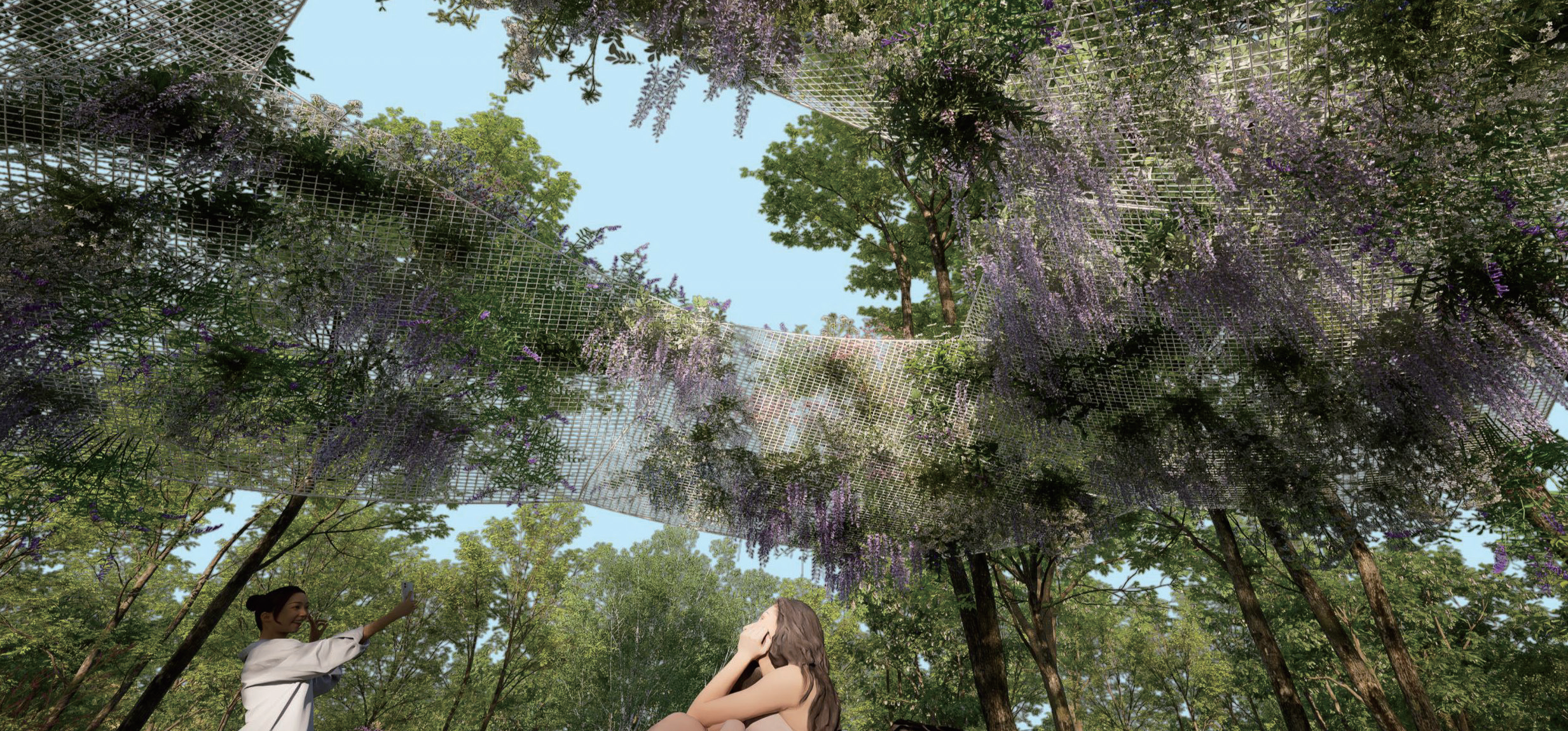
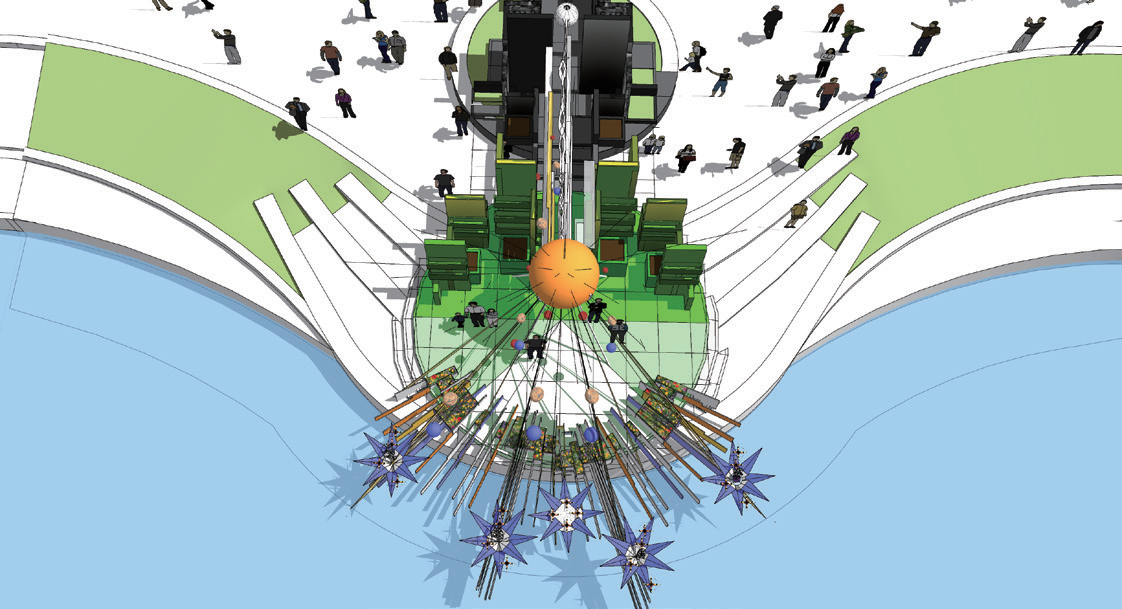
— Step onto the Flower Road
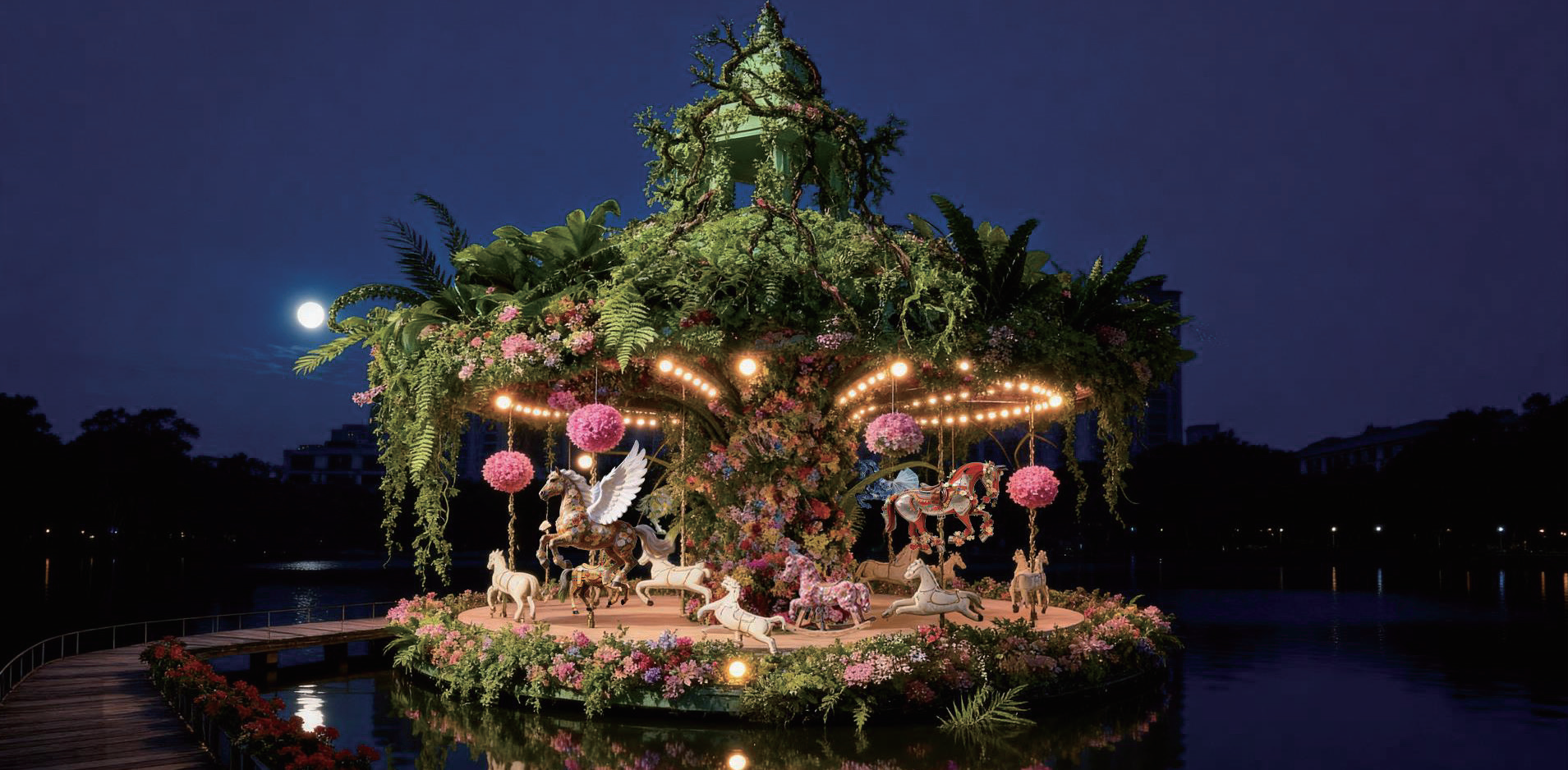
Designed by Zhang Wenjie Vega and Huaxi, Step onto the Flower Road is set on a waterside stage and draws on the carousel horse as a childhood memory associated with old Shanghai.
These once-familiar merry-go-arounds from shikumen neighborhoods are transformed into gentle floral installations that appear to float on the water. The surface reflects the skyline of the Bund and carries the soundscape of the Huangpu River, while the carousel horse becomes a metaphor for returning to memory and easing the spirit. The installation is conceived as a tender, healing waterside landscape where visitors can set aside fatigue and rediscover inner calm.
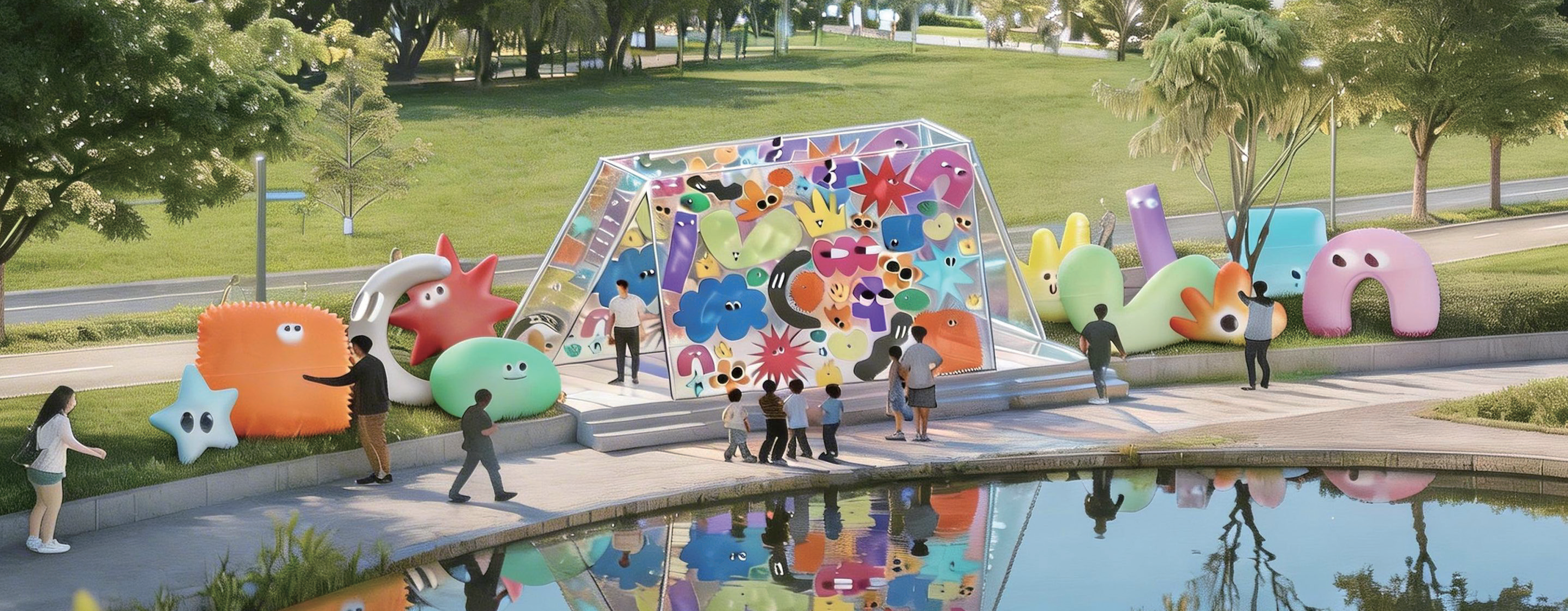
— Emotion Garden
Planned by the Huangpu greening authorities and the Shanghai Mental Health Center, and designed by Pan Shan from Shanghai Fish Design, Emotion Garden takes Robert Plutchik's Wheel of Emotions as its conceptual foundation.
Combining color, fragrance, plants, and Gustav Klimt-inspired visual language, the garden creates a gentle refuge in which emotions such as joy, trust, sensitivity, and anxiety are not judged or suppressed, but instead seen and accepted. The project uses the garden as a container and nature as a healing force, encouraging visitors to face their inner selves and embrace emotional wholeness.
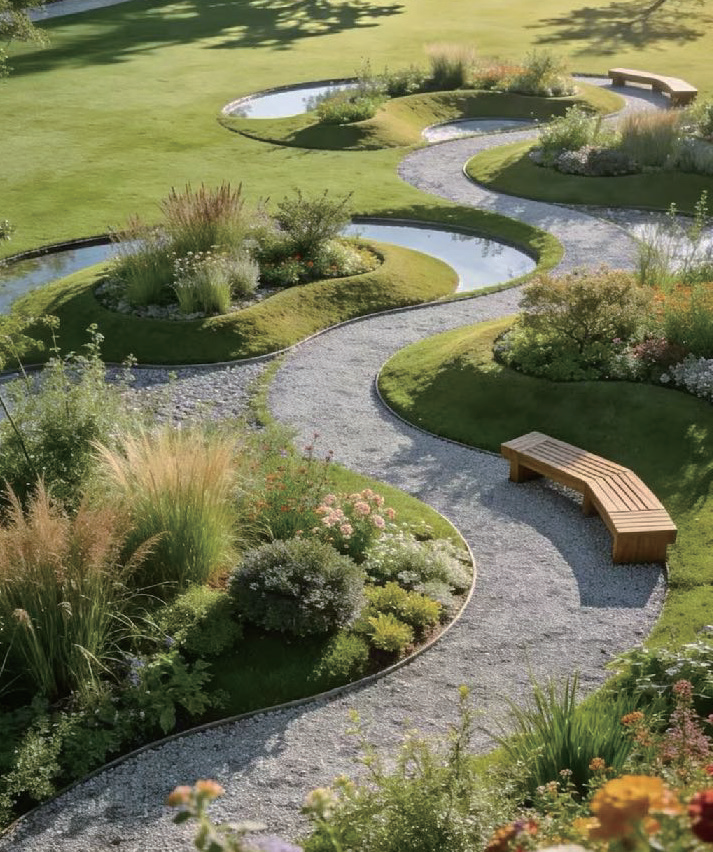
— Joy Archipelago
Designed by Beijing Caomu Zangyuan Cultural and Creative Co Ltd together with blogger Yewu, Joy Archipelago is located on the main lawn of Fuxing Park and transforms the open grass area into organically undulating and interconnected ecological islands inspired by natural water ripples and cellular structures.
While extending the French garden heritage of Fuxing Park, the project also incorporates contemporary low-carbon ecological ideas. Ornamental grasses, perennial flowers, and locally adapted plants create dynamic, seasonally changing communities that highlight the beauty of wildness and time.
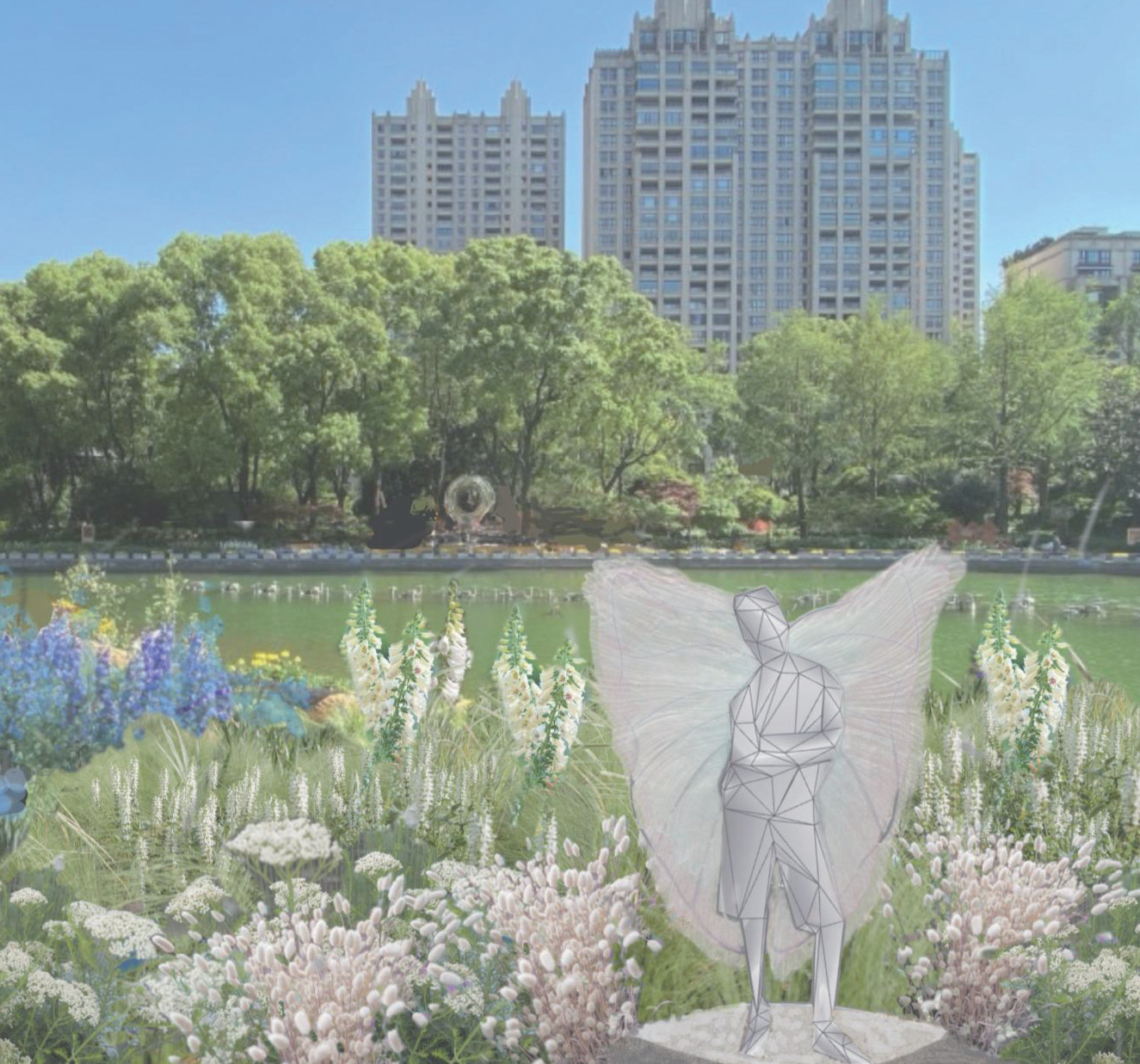
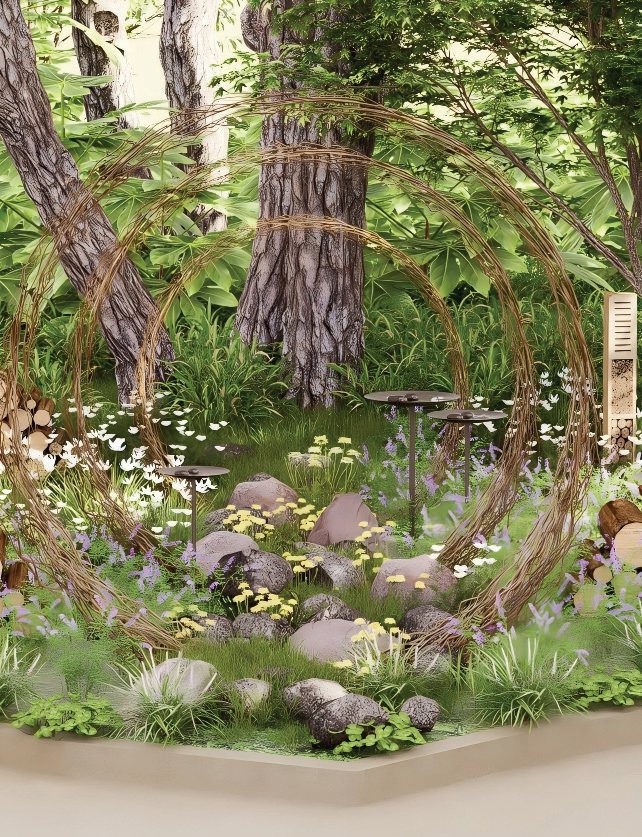
— The Pollinator-Friendly Garden
The Pollinator-Friendly Garden addresses the growing threats faced by pollinating insects, including habitat loss, pesticide exposure, and climate change.
Rather than serving simply as an ornamental garden, it is framed as an urban ecological intervention rooted in science and aimed at biodiversity protection. Native plants, nectar- and pollen-rich species, shallow water sources and "insect hotels" are arranged to support pollinators through feeding, nesting, and overwintering, while low-intervention management reduces pesticide use and preserves microhabitats.
Gucheng Park area
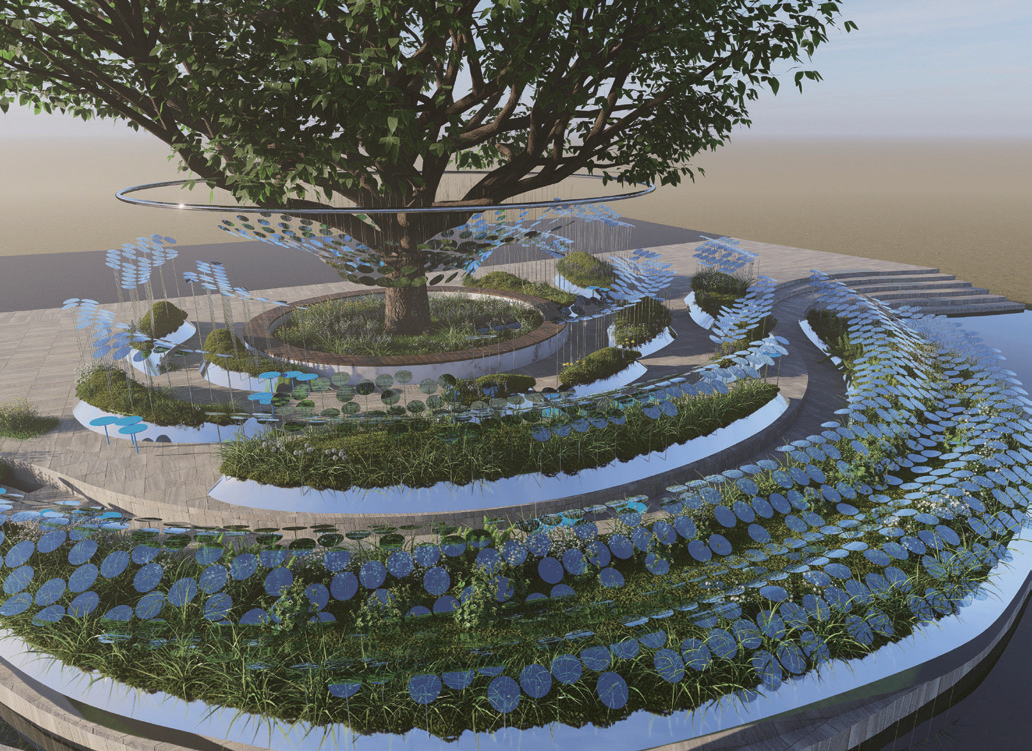
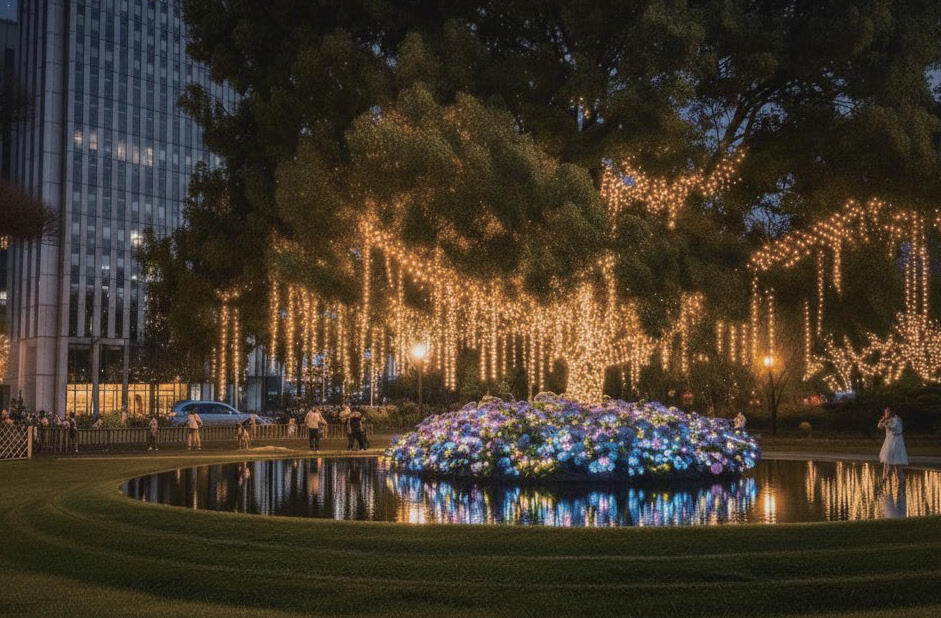
— Mirror of the Ancient Tree: Floating Isle of Blossoms
Designed by Li Zhongwei, Mirror of the Ancient Tree: Floating Isle of Blossoms centers on a large tree and uses mirrored stainless steel laid on the ground to reflect the canopy and sky, creating a striking symmetrical composition above and below.
Hydrangeas are arranged on a floating flower island, while rippling grassy forms heighten the dreamlike effect. The project explores the relationship between reality and reflection, nature, and intervention, transforming reverence for a great tree into an immersive contemporary landscape.
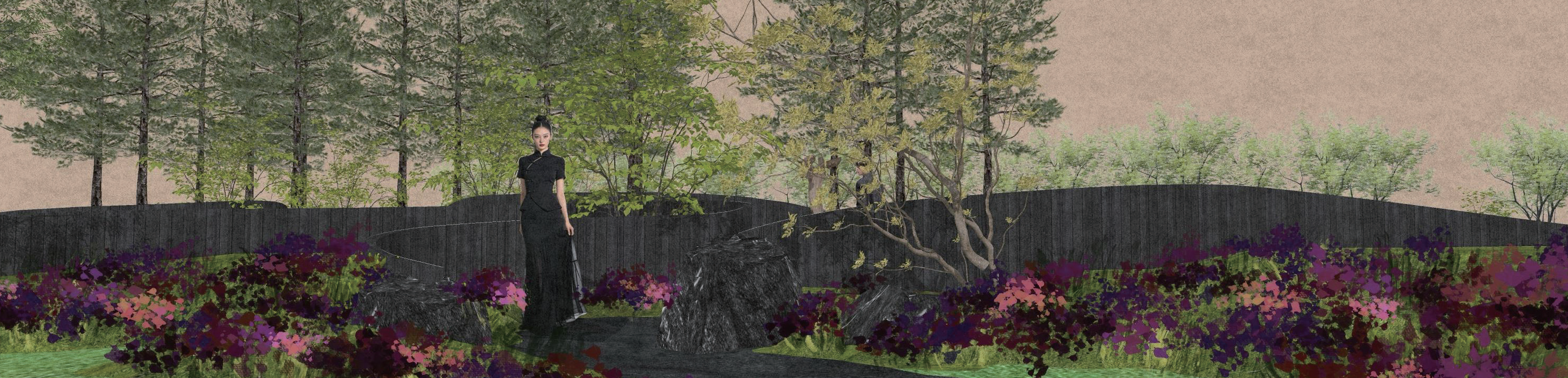
— Chanting by the Ink River
Designed by Wu Zhiyin, Chanting by the Ink River takes the spirit of Chinese landscape painting as its starting point and draws inspiration from the Huangpu River.
Flowing curves are translated into streamlined carbonized-wood walls and black gravel, forming a "river of time" that stretches from the texture of the old city toward the skyline of Lujiazui. Its color palette of black, dark red, and deep purple creates a dialogue between restraint and expression, blending ink-like subtlety with rich color. The work is presented as more than a floral display, serving as a lens of time and space through which Shanghai's distinctive urban resonance can be felt.
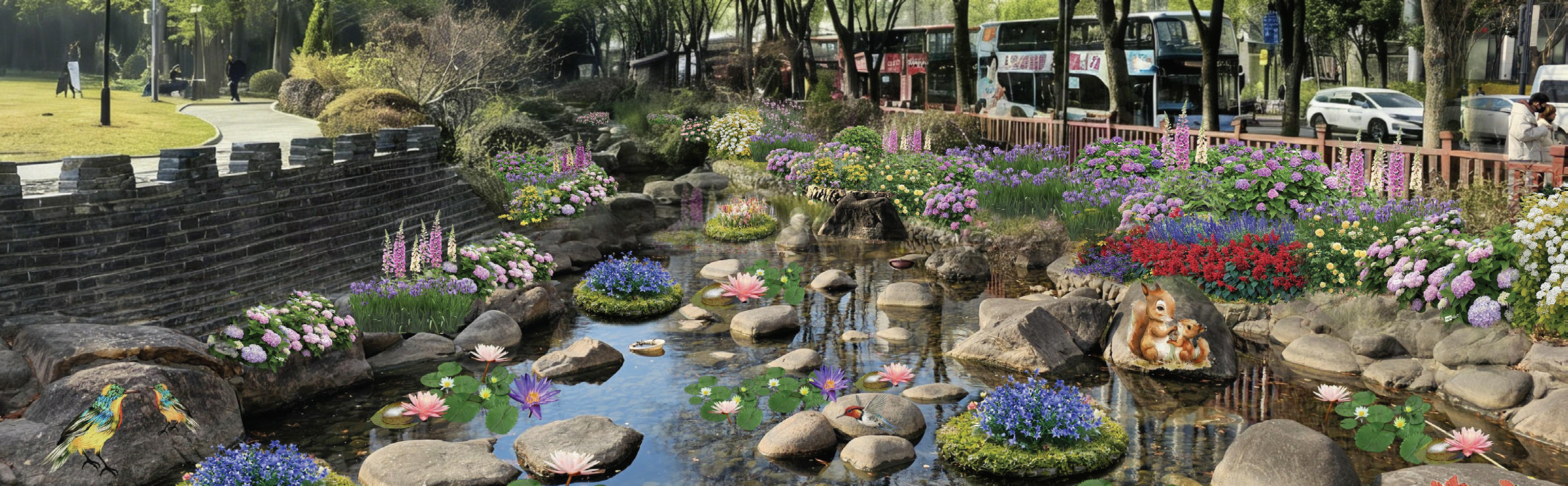
— Tracing the Flower Stream
Designed by Shanghai Gongqing Forest Park, Tracing the Flower Stream brings the signature atmosphere of the park's "Monet Garden" into Gucheng Park.
Drawing on three defining elements, color, waterfront setting, and flower borders, the design creates a vivid flower stream beneath the old city wall. The result allows the romance of the forest and the cultural texture of the old city to intertwine, offering visitors both impressionistic floral charm and a sense of urban memory.
— Heart Nest: Returning to the Source
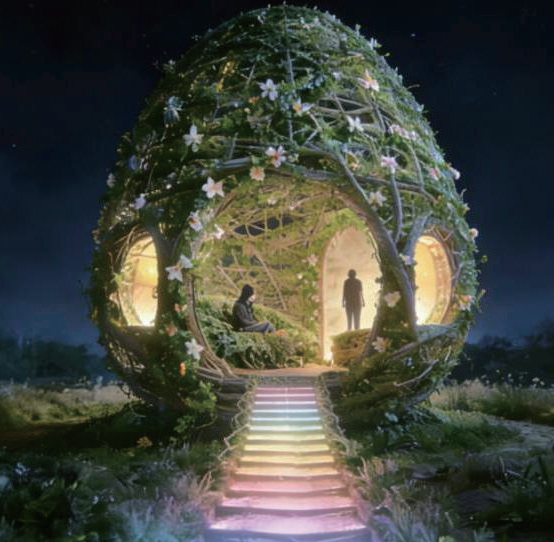
Designed by Yan Wenhua and Lyuwen (Shanghai) Cultural and Creative Co Ltd, Heart Nest: Returning to the Source is conceived as a neighborhood-scale ecological healing structure guided by a focus on both physical and mental well-being.
It integrates ecological psychology and landscape healing, art therapy and attachment theory, and mindfulness with multisensory experience, aiming to form a complete loop of cognitive reshaping, emotional immersion, and behavioral transformation.
Source: Huangpu district government