Wildlife reintroduction program revitalizes ecosystem in Pudong
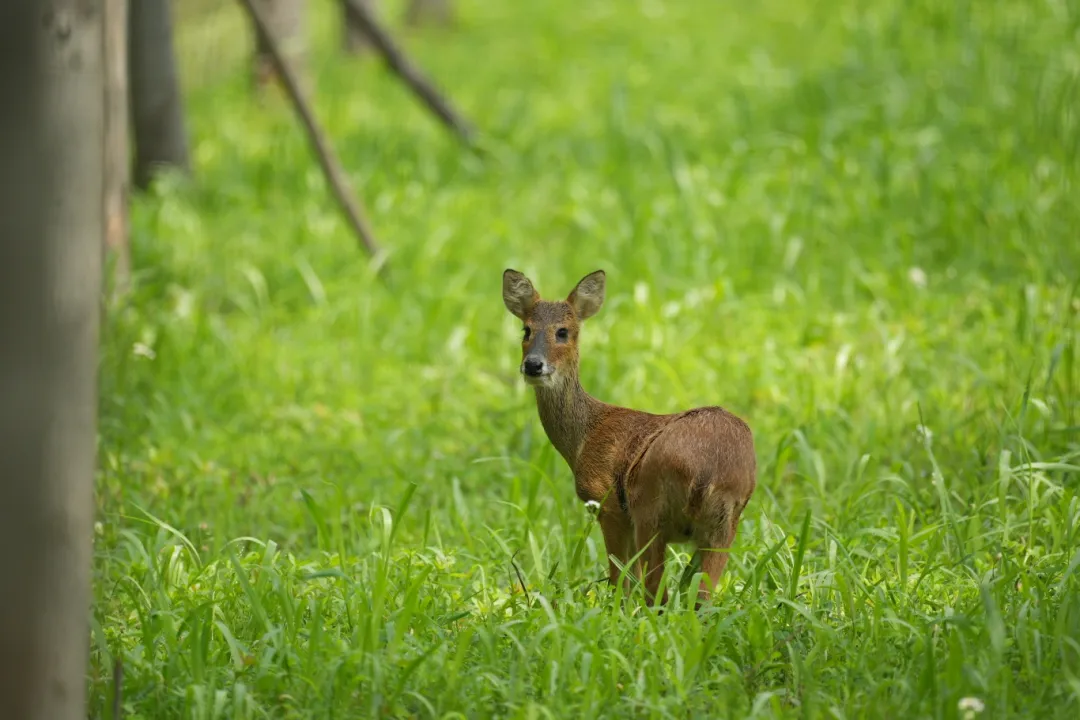
In Pudong New Area lies a place once overlooked but now revitalized. Through careful restoration, the Laogang Water Deer Micro-Population Habitat has become a sanctuary for Chinese water deer as well as many other wildlife species.
The habitat is situated in a solid waste utilization base in Laogang town. While the woodland vegetation of the area was relatively healthy, biodiversity remained limited, and stagnant water systems led to inferior water quality.
To improve the local ecosystem, conservationists decided to reintroduce the Chinese water deer, or Hydropotes inermis, as the flagship species of the area. Through measures such as modifying terrain and planting vegetation as food sources for deers, the ecosystem has been comprehensively improved.
By dredging riverbeds and reshaping culverts and slopes, the previously clogged waterways have regained vitality. New pumping stations and box culverts now serve as the habitat's "heart", circulating life through the waterways. These restored flows have enhanced water quality, fostering a thriving ecosystem of fish and aquatic plants.
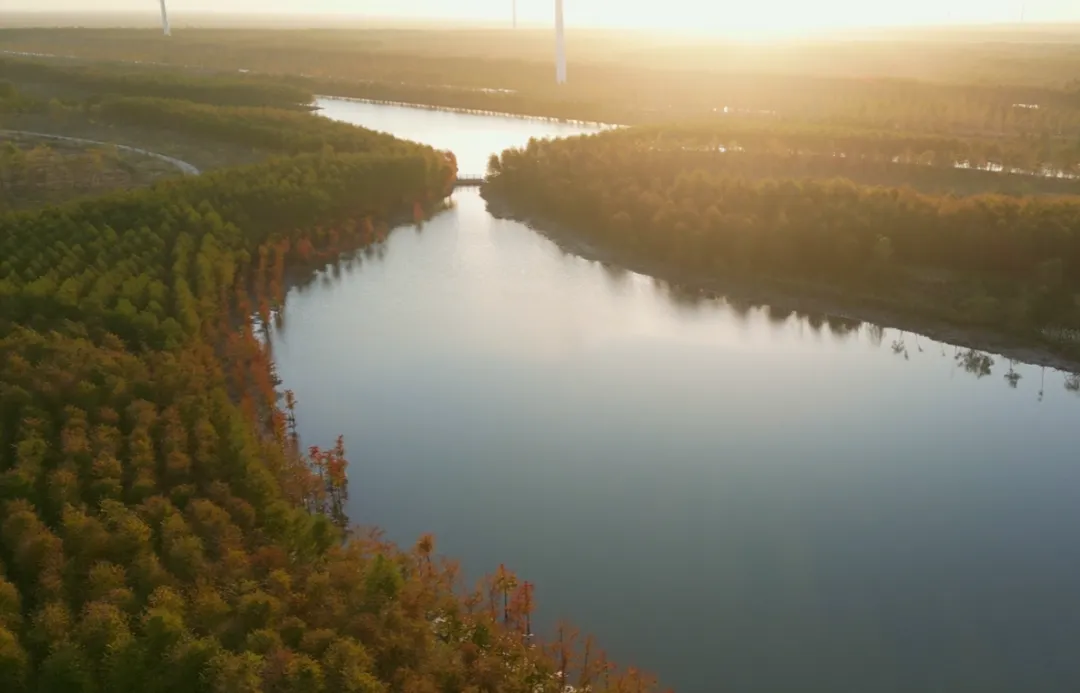
Native plants, including deer favorites like bur clover and shepherd's purse, were planted in layered, mixed patterns. Additionally, concealed riverside vegetation was created to provide deer with refuge for hiding, drinking, and resting.
The habitat, covering an area of 1,659 mu (110 hectares), is divided into three zones: breeding, rewilding, and pre-release.
So far, 30 deer have been reintroduced and now reside in the breeding zone. Once the population reaches a sufficient size, they will be transferred to the rewilding zone for rewilding training.
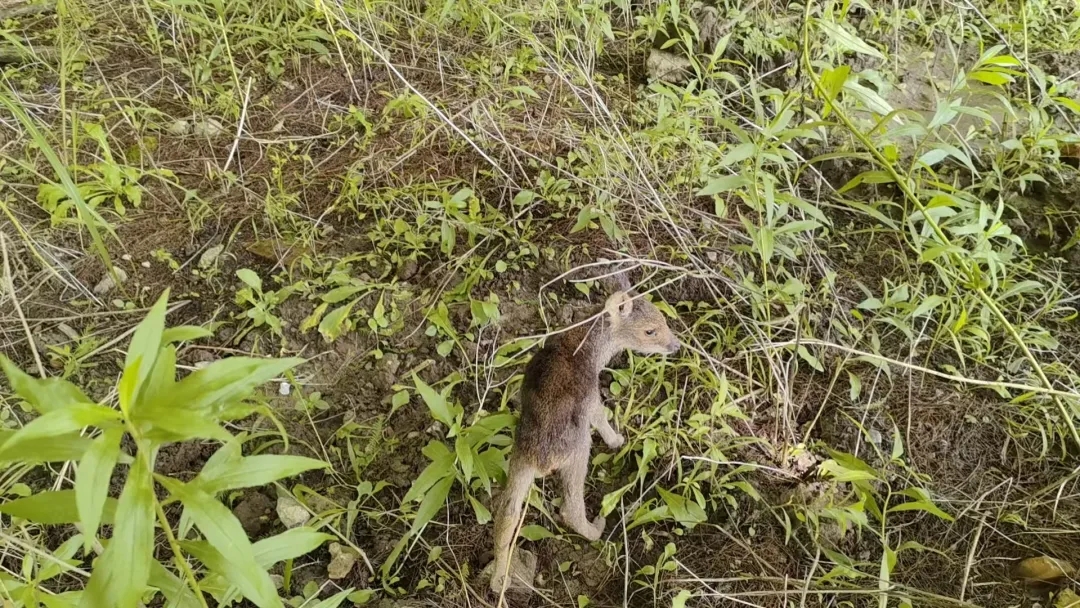
On May 24, the first fawn in the habitat was born, and 14 newborns have since been recorded.
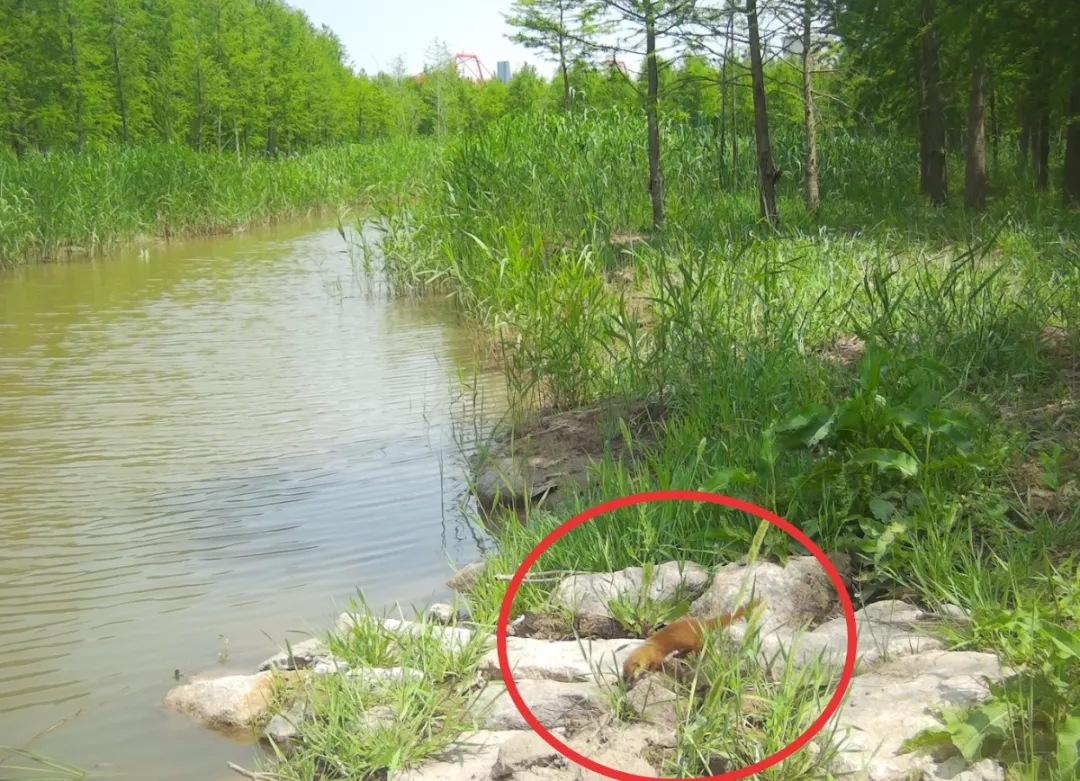
Deer are not the only beneficiaries of the restored ecosystem. The number of bird species in the habitat has jumped from 12 to 41, with butterflies, hedgehogs, and yellow weasels also joining the revived ecosystem.
Source: Pudong New Area Bureau of Ecology and Environment