Wild animals return to Changning's habitat gardens
Changning district has created 32 habitat gardens across its 10 subdistricts and towns, helping bring wild animals back to the city center.
The 32 habitat gardens span old residential compounds, commercial housing estates, schools, office buildings, and industrial parks, providing food, water, and shelter for animals.
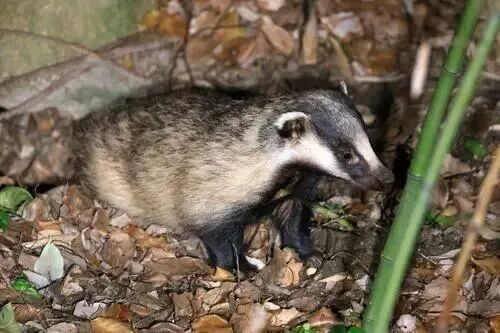
Since these gardens were established, a pair of badgers first spotted four years ago at Changxin Habitat Garden in Xinjing town has grown to eight and has now settled on the south bank of the Lujiabang River. Meanwhile, raccoon dogs that traveled along the district's outer-ring greenway to Leyi Habitat Garden in Lyuyuan Xincun No 8 Community have produced a second generation.
The 55-hectare, 6.25-kilometer Changning Outer Ring Ecological Greenway serves as a corridor linking suburban and urban habitats, allowing animals to move into the city and rest in community gardens along the way.
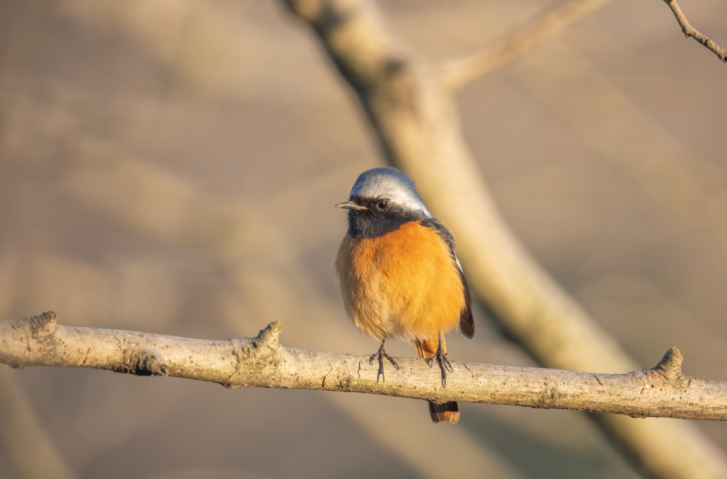
Birdwatchers first recorded a brown crake there in April 2024, and the species bred there for the first time that June.
District surveys have documented red-bellied squirrels, hedgehogs, Siberian weasels, raccoon dogs, 36 bird species, five amphibian species, and 113 insect species.
Native ferns, magnolias, wild chrysanthemum, Chinese tallow trees, and parasol trees create diverse, layered plant communities.
Changning extends the habitat model beyond residential communities. Loushan Middle School built the district's first campus habitat garden as part of a nature-based curriculum. The Place and IBP International Business Park have converted commercial spaces into habitat gardens.
Source: Changning district information office