Guide for overseas visitors to enter and exit Eastern Hub Intl Business Cooperation Zone
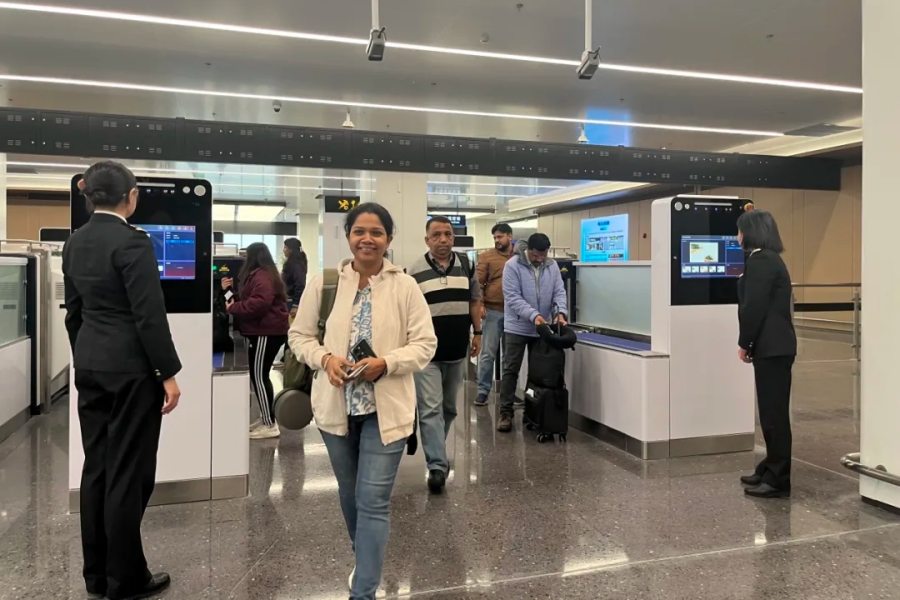
The Shanghai Eastern Hub International Business Cooperation Zone offers a highly streamlined entry process for overseas business visitors, built around visa-free access and integrated digital services. With a registered invitation from a domestic host submitted 48 hours before arrival, visitors can enter via Shanghai Pudong International Airport and remain within the zone for up to 30 days without a visa.
The process is designed for efficiency. Travelers present a valid passport and invitation certificate, move through dedicated fast-track channels, and are transferred directly to the zone via shuttle services. Baggage handling, customs clearance, and even departure check-in can be completed within the zone, significantly reducing time spent at the airport.
For those needing to travel beyond the zone into other parts of China, standard visa or entry permit requirements apply, with application support available on site.
The following are detailed entry and exit procedures for overseas visitors:
I. Entry procedures
1. Before arrival
(1) Obtaining an invitation registration certificate
Overseas travelers invited by domestic organizations for business exchanges, international conventions, or training can enter the Eastern Hub IBCZ at Pudong International Airport without a visa. They must present a valid invitation registration certificate, which allows them to stay in the zone for up to 30 days. This certificate becomes invalid once they exit the zone.
Domestic inviting organizations may apply for the certificate through the zone's integrated service platform, which is then issued electronically. The inviting organization will forward the certificate to the invited individual.
To obtain this certificate, international travelers need to provide the following information to the inviting organization:
- A photo of a valid international travel document with at least six months of remaining validity.
- A recent passport-style photo.
- Personal details: name, gender, date of birth, nationality, type of travel document, document number, email address, and contact number.
Once travelers receive the invitation registration certificate, they can log in to the zone's integrated service platform by using the certificate number and their pre-registered email to verify it. They must present this electronic certificate when entering or exiting the zone and to access related services.
(2) Overseas check-in
Inbound travelers should present the valid invitation registration certificate to the airline during check-in at their departure airport for flights to Pudong International Airport. This allows them to board without a Chinese visa.
(3) Checked baggage entry registration
The business cooperation zone offers shuttle bus services for overseas passengers and their baggage between Pudong International Airport and the zone.
After checking in their baggage at the departure airport overseas, travelers can use the zone's integrated service platform (via mobile) to pre-register their checked baggage for entry into the zone. Upon arrival at Pudong International Airport, the zone's baggage service staff will transport the registered baggage to its baggage claim area by dedicated baggage shuttle buses, based on the pre-registered information.
Travelers need to provide details such as the flight number and baggage tag barcode. For more information, please consult the "Checked Baggage Entry Service Guide".
2. Pudong International Airport
![The Shanghai Pudong International Airport. [Photo IC].jpg](/cmsres/c8/c86a61ac046541ae81fcd35b04bbf292/f93d532247692b5d0db6d2ba950237a8.jpg)
(1) Arrival and VIP lounge access
Upon arrival at Pudong International Airport, inbound passengers should follow the airport signage to the "dedicated customs health inspection channels for the business cooperation zone".
After completing the customs health inspection, visitors can proceed to the zone's waiting lounge via designated channels. Those entering the zone are required to present their invitation registration certificate for entry verification and show their baggage tag barcode to confirm the registration of any checked baggage.
(2) Taking a shuttle bus
Once a dedicated shuttle bus arrives, inbound passengers can board it to travel to the entry hall of the zone. Be sure to have the invitation registration certificate ready for this process.
3. International business cooperation zone
(1) Guest entry check
Inbound passengers can enter the zone after verification and approval by the immigration administration at the entry hall. They must present a valid travel document and an invitation registration certificate, and follow the hall signage for guidance.
Passengers arriving from Pudong International Airport are not required to fill out arrival cards, and no entry stamps will be affixed to their travel documents by the immigration administration.
(2) Baggage entry check
The customs inspection channels for goods entering the zone are equipped with self-service facilities. International passengers can easily pass through the gates by following the signage and route guidance.
If prompted, passengers must cooperate with the inspection of their hand baggage. Customs will perform a risk screening to ensure that no prohibited or restricted inbound items are brought into the zone. Once cleared, the baggage will be allowed entry.
(3) Claiming baggage
Checked baggage undergoes a customs inspection. If any issues are detected, inbound passengers will be notified in person, via SMS, phone calls, or broadcast to address the matter. If no issues are found, the baggage will be sent to the baggage claim area for retrieval.
After entering the business cooperation zone, passengers can independently retrieve their checked baggage by following the signage and route guidance. Alternatively, they can authorize their accommodation within the zone to collect the baggage on their behalf and deliver it directly to the room.
If the checked baggage does not arrive on time or is damaged, passengers should seek assistance from the zone's staff for resolution.
(4) Conducting activities within the zone
Once the required entry procedures are completed, inbound visitors may move freely within the zone and engage in various permitted activities.
I. Exit procedures
A. Exit from the zone and departure from the Chinese mainland
1. International business cooperation zone
(1) Activities within the zone
After completing activities within the zone, overseas visitors may exit the zone and depart from the country.
(2) Departure check-in
Overseas visitors departing the zone on international or regional flights from Pudong International Airport may complete flight check-in and checked baggage handling within the zone. There are three available check-in methods:
- Traditional check-in: Passengers can complete their check-in and baggage drop-off within the zone. They have the option to use either manual counter services or self-service kiosks for a convenient check-in experience.
- Reservation check-in: For special flights that require check-in reservations, passengers can register for a departure check-in reservation on the integrated service platform up to 24 hours in advance. This process involves providing flight information and scheduling an arrival time at the check-in counter.
- Assisted check-in: If passengers are unable to complete check-in and baggage drop-off in person within the zone, they may apply for assisted check-in via the integrated service platform. Upon appointment, designated staff will collect passengers' travel documents and baggage at a scheduled time and handle the check-in procedures on their behalf. Once completed, the staff will return the travel documents, boarding passes, and baggage claim tags to the passengers. (Note: For transit flights, check-in may only be carried out by designated staff at the airport terminal.)
For detailed procedures on departure check-in, reservation, and assisted check-in, please refer to the "Departure Check-in Reservation Service Guide".
(3) Exit verification and departure
Overseas visitors shall exit the zone through the joint inspection hall by presenting valid travel documents, an invitation registration certificate, and a boarding pass. They shall follow the hall signage and route guidance to undergo customs inspection, health quarantine, and verification by the immigration administration before exiting the zone. For those exiting the zone for departure via Pudong International Airport, there is no need to fill out departure cards, and the immigration administration will not stamp passports.
(4) Security screening and outbound goods inspection
Overseas visitors shall complete security screening and outbound goods inspection by following the hall signage and route guidance. A "single integrated inspection" model is adopted for both security and customs procedures, under which checked and carry-on baggage are subject to civil aviation security checks simultaneously. If any checked baggage is flagged during customs X-ray inspection, it will be automatically diverted to a centralized processing area or a self-service inspection station for remote unpacking and inspection.
If overseas visitors purchase duty-paid goods within the zone, they may declare the tax refund form to customs upon exit and proceed with departure tax refund procedures through a designated tax refund agency.
2. Pudong International Airport
(1) Shuttle transfer to terminal
Overseas visitors shall wait in the waiting lounge of the zone's departure hall and use the shuttle bus services to reach designated drop-off points at the terminals: Remote Boarding Gate 211 at Terminal 1 and Remote Boarding Gate D232 at Terminal 2. Upon arrival, they shall follow terminal signage and staff instructions to proceed to their boarding gates.
Checked baggage will be transported via a dedicated baggage transfer system to the baggage drop-off areas at the airport terminals.
(2) Boarding and departure
Overseas visitors, along with their checked baggage, shall board international or regional flights and depart with their checked baggage.
B. Exit the zone for entry into other regions of China
1. International business cooperation zone
(1) Activities within the zone
After completing activities within the zone, foreign visitors may exit the zone and proceed to other regions within China.
(2) Entry procedures
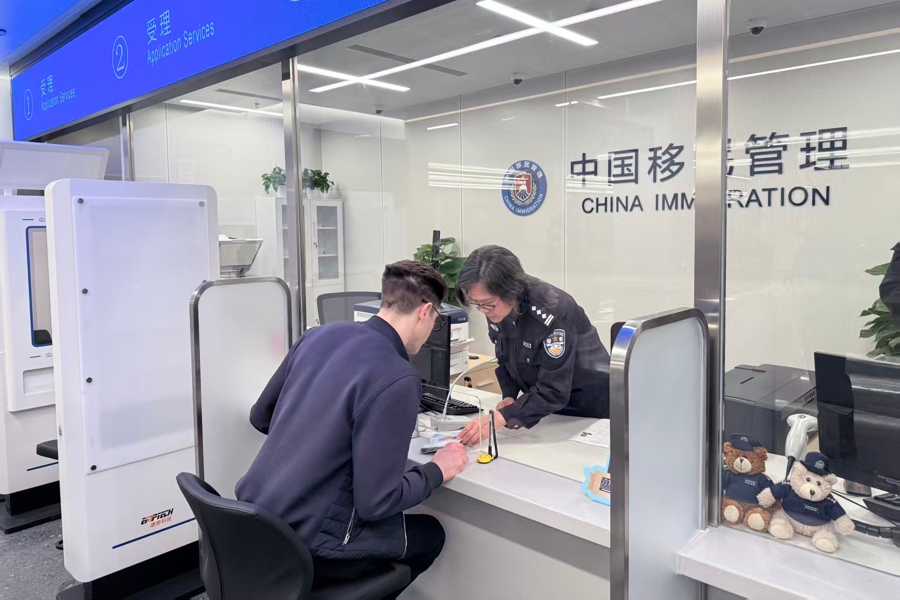
Foreign visitors who wish to enter other regions of China after staying in the zone must complete entry procedures with valid travel documents and entry permits. Immigration service counters are available within the zone for assistance. Visitors who are not eligible for visa-free entry may apply for port visas or temporary entry permits in accordance with relevant Chinese regulations.
(3) Entry inspection for overseas visitors
Foreign visitors entering China must complete an Arrival Card for Foreigners if they hold a visa or are from a visa-exempt country. Those eligible for the 240-hour visa-free transit policy should submit a temporary entry declaration to the immigration administration.
The inbound hall of the zone is equipped with self-service terminals for foreign entry declarations, as well as manual processing channels. Visitors should follow signage and route guidance. Once their documents are verified and approved by the immigration administration, they may exit the zone and enter other regions of China.
(4) Entry inspection for baggage
The inbound hall of the zone features intelligent transfer robots, customs digital assistants, and declaration terminal devices to assist with on-site consultation, declaration, and inspection services for baggage transfer.
Foreign visitors exiting the zone can simply scan the code and follow the prompts to proceed through the gates. If needed, they may be asked to undergo baggage inspection. Visitors whose baggage inspection results raise concerns will be directed to the centralized inspection area for manual inspection.
Foreign visitors can use the Customs Fingerprint Service for Entry and Exit (海关进出境人员指尖服务) or the Customs Clearance Assistant (通关宝一体化服务平台) WeChat mini-programs to complete customs declaration procedures in advance. Alternatively, they can make their declarations through on-site self-service terminals. Customs entry declarations are categorized into item declarations, pet declarations, unaccompanied baggage, currency declarations, and non-taxable item declarations.
After completing the declaration, visitors should follow the hall signage and route guidance to the customs self-service inspection counters. Customs officers will remotely review documents and items, annotate and stamp the inspection results, and visitors can then self-print the declaration form.
2. Entry into other regions of China
Foreign visitors may proceed from the business cooperation zone to other regions within China.
Related: Visiting Eastern Hub IBCZ: What overseas visitors need to know
Sources: National Immigration Administration, Shanghai Eastern Hub International Business Cooperation Zone Authority
Note: The English text is for reference only. In case of any discrepancies, the Chinese version shall prevail.