IBLAC: L'Oreal chairman calls Shanghai its top global innovation hub
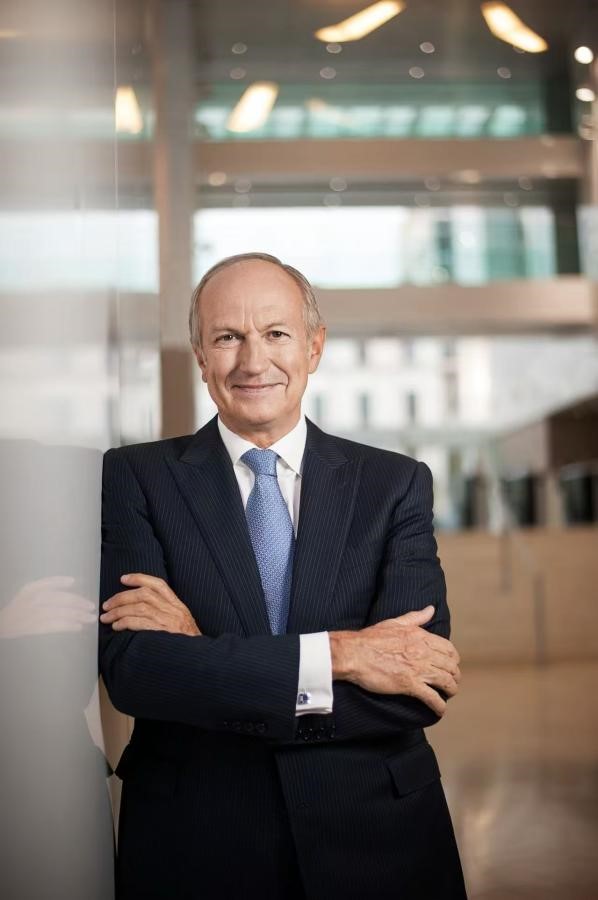
Shanghai has become L'Oreal's leading global innovation hub, Chairman Jean-Paul Agon said on the sidelines of the 38th meeting of the International Business Leaders' Advisory Council for the Mayor of Shanghai.
Founded in 1989, IBLAC brings together international business leaders and industry experts to advise Shanghai on its development and opening-up. A total of 42 multinational executives from 14 countries took part in this year's edition on Oct 11.
With this year's IBLAC meeting focusing on innovation and development in Shanghai's service sector, Agon said the city demonstrated how consumer demand, research, and artificial intelligence could work together to create new products and enhance consumer services.
Agon, who has participated in IBLAC for seven years, said he valued the council because it provided executives from around the world with a direct channel to offer advice, ask questions, and share suggestions with Shanghai's mayor. He described such an advisory mechanism as unusual among major international cities.
Agon said Shanghai remains one of L'Oreal's most important and sophisticated consumer markets, and it has also become central to the group's development of new products, technologies, and ways of serving consumers. "Shanghai has become, I would say, the number one innovation hub for L'Oreal worldwide," he said.
The company has located its China and North Asia headquarters, research and innovation center, and key marketing and innovation teams in Shanghai. It has also been upgrading its research and innovation center in Pudong New Area.
Agon said Shanghai consumers were highly knowledgeable about beauty, quick to embrace new products, and demanding in terms of quality. Their feedback helps the company's local teams develop innovations for China and test ideas with potential for other markets. "If you make it in Shanghai, you will make it everywhere in the world," he said.
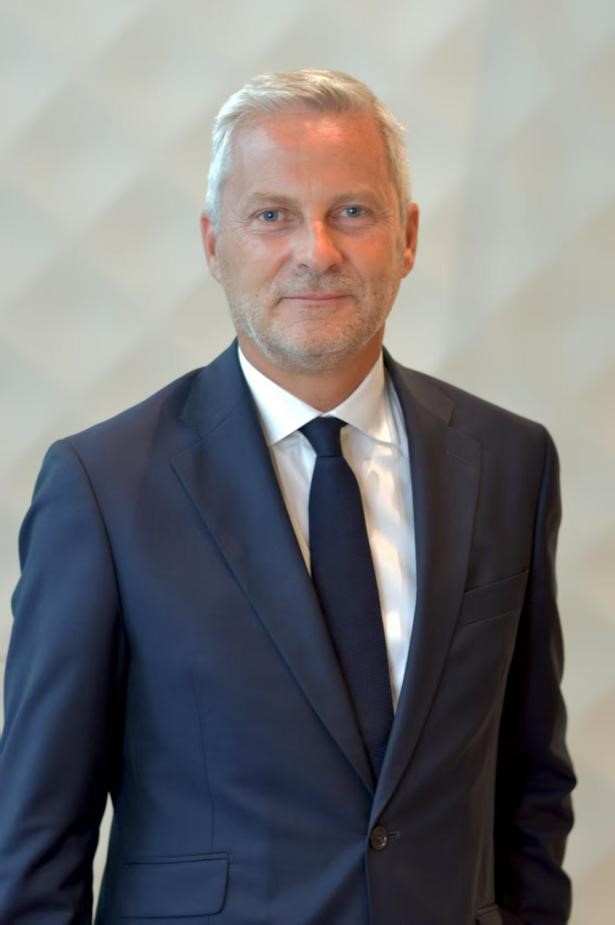
Vincent Boinay, president of L'Oreal's North Asia and CEO of L'Oreal China, said Shanghai stood out for its speed, sophistication, and service.
He said consumers in the city were influencing not only which products companies developed but also how brands communicated and delivered services. Boinay cited the popularity of short-form dramas and the use of Chinese AI platforms such as Qwen and DeepSeek to search for products and brands as examples of shifting consumer behavior.
Artificial intelligence is also being applied directly to consumer services. One example is a generative AI beauty adviser device introduced by makeup brand 3CE, providing consumers with product information and personalized recommendations.
Boinay said the examples showed how L'Oreal was using consumer insights and digital technology in Shanghai to develop products and services.
According to L'Oreal, AI also helps researchers simulate ingredient performance and accelerate new formulation development. Agon said the technology should support, not replace, people, improving employees' work, consumer experiences, and research capabilities.
L'Oreal plans to continue investing in talent, research, and innovation in Shanghai. Boinay said the city's universities provided access to skilled graduates, while its technology companies and startups broadened opportunities for collaboration.
Agon also highlighted Shanghai's business environment and the support provided by the municipal and Jing'an district governments, which he said had helped the company develop its operations, creativity, and talent base.
China is currently L'Oreal's second-largest market worldwide, with substantial room for further growth. Agon said that Shanghai's digital infrastructure, AI capabilities, responsiveness to consumer demand, and extensive service network position it to become a leading global center for innovative services.