Intelligent robots aid elderly rehabilitation in Shanghai
At Shanghai's Gaohang Community Rehabilitation Center, robots are assisting patients with repetitive rehabilitation exercises, helping many regain their ability to walk.
Xu, a stroke patient in his 60s who suffered left hemiplegia and dysphagia in 2022, gradually regained the ability to eat independently and walk with the aid of a walker after two months of treatment at the center.
During his therapy, Xu trained with a robotic exoskeleton for early standing and walking exercises, an upper limb rehabilitation robot to improve joint activity, and a digital occupational therapy system to enhance cognitive function and hand-eye coordination.
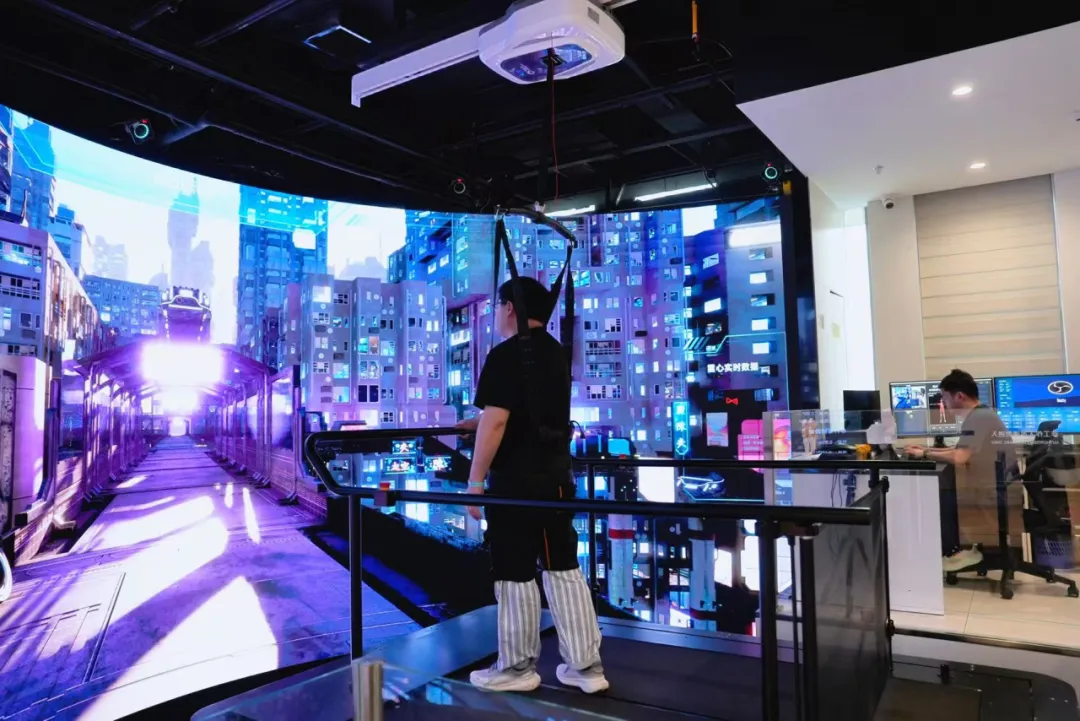
This intelligent rehabilitation solution, which integrates human therapists and intelligent robots, is provided by Fourier, an embodied intelligence firm based in Pudong New Area.
The solution features a range of complementary, data-connected robots covering neurological, orthopedic, and pain rehabilitation. It has been implemented in over 300 clinical departments nationwide, including dozens of community-based rehabilitation facilities in Shanghai, addressing the growing demand for elderly rehabilitation services.
According to data from the Shanghai Municipal Bureau of Civil Affairs, 37.6 percent of Shanghai residents who hold a local household registration or hukou were aged 60 or above by the end of 2024.
Qiu Jiadi, deputy director of the rehabilitation department at Gaohang Community Rehabilitation Center, said the center has served more than 4,600 rehabilitation patients since introducing Fourier's intelligent rehabilitation solution in 2022.
By taking over repetitive and standard rehabilitation tasks, robots allow human therapists to focus on complex cases, personalized treatment strategies, and psychological counseling.
Since 2021, Shanghai has prioritized the development of community rehabilitation centers, including the integration of rehabilitation robots. By the end of 2025, the city had established 155 such centers.
With "AI-assisted" rehabilitation included in medical service pricing items, access to advanced rehabilitation services has improved.
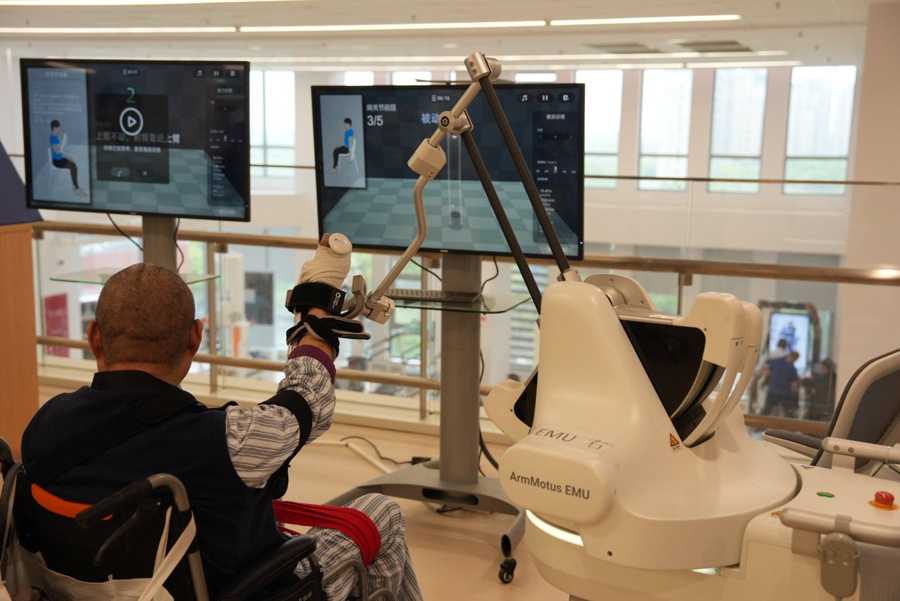
Shanghai's embodied intelligence companies are continuing to develop solutions to meet diverse elderly care needs.
At the 2025 World Artificial Intelligence Conference, RobotGym unveiled QiJia Q1, a passenger-carrying wheelchair humanoid robot designed for elderly individuals who are partially or completely disabled, as well as those living alone.
In April, Shanghai Shuyi Liankang Technology Co Ltd and RobotGym signed a cooperation agreement to drive innovation in elderly care service models.
Other initiatives include AgiBot, which is testing robot applications in nursing homes to provide emotional support, as well as companies such as Shanghai Huihua Intelligence, Keenon Robotics, and DroidUp, which are developing companionship robots, intelligent delivery systems, and bionic robots.
Source: Official WeChat account of the Publicity Department of CPC Pudong New Area Committee (ID: pdnews)