Chinese New Year's Eve
Chuxi, or Chinese New Year's Eve, is the final day of a year in the Chinese calendar. The term "Chuxi" combines "除 chú", meaning to renew, and "夕 xī", meaning night. It symbolizes the evening when the old year gives way to the new, representing both an ending and a fresh beginning.
For Chinese people, Chinese New Year's Eve is the most important day of the year. No matter how far they may have traveled, people make their way home to reunite with family, bidding farewell to the past year and welcoming the new one together.
Spring couplets
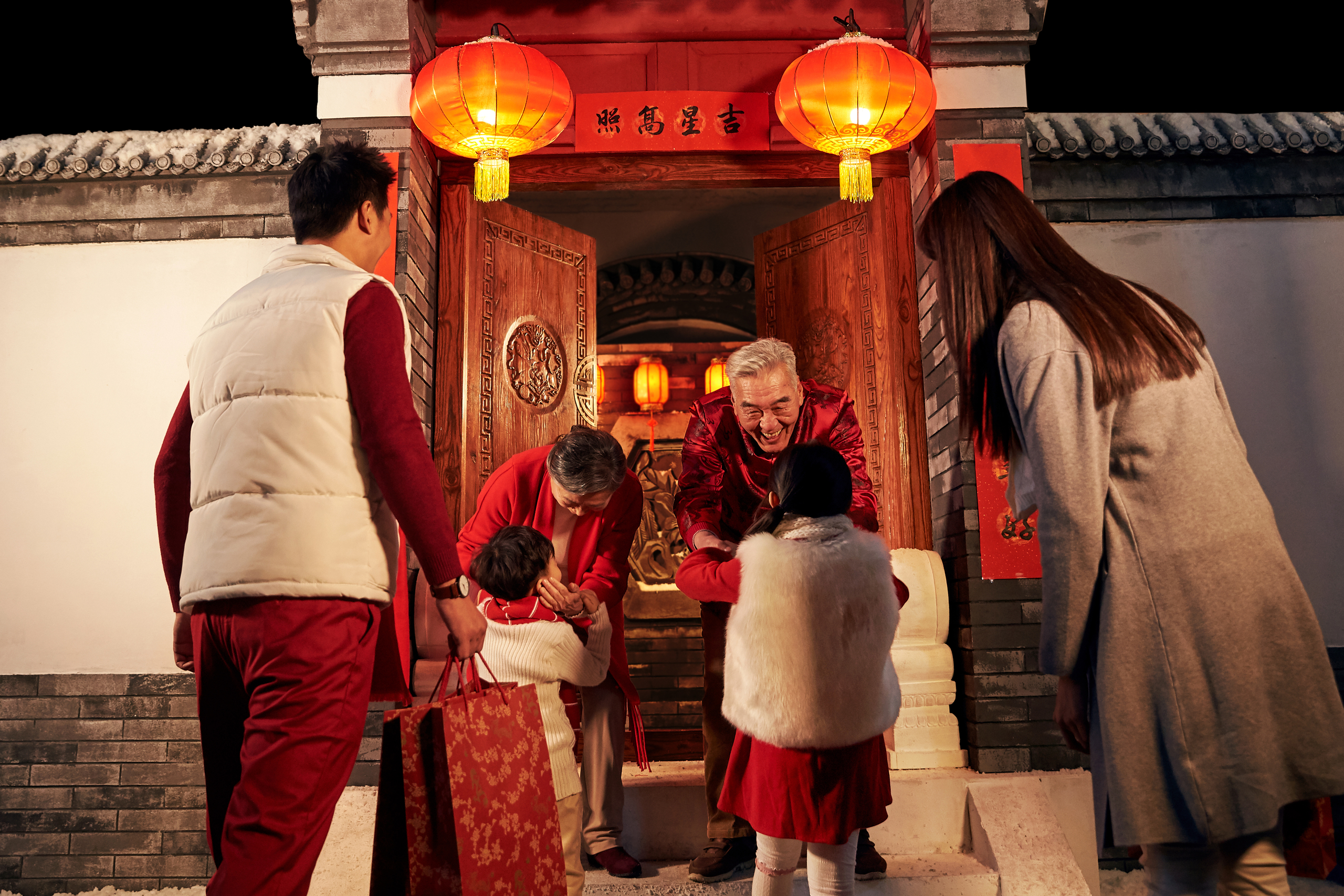
Spring couplets convey good wishes and hopes for the year ahead through poetic pairs of verses. Families select and display red couplets on their doors to enhance the festive atmosphere.
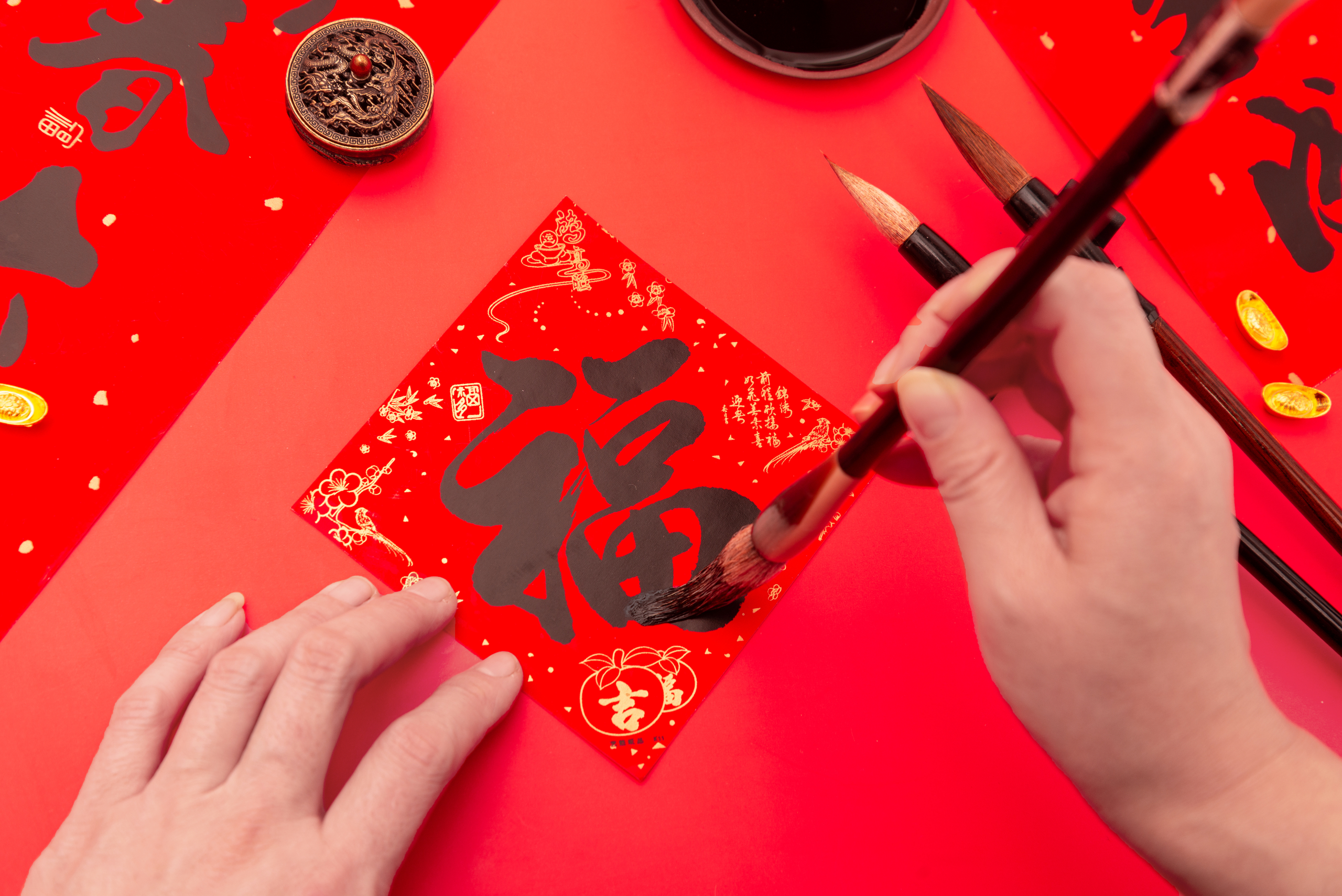
Alongside the couplets, the character "福 fú" (meaning "good fortune") is also pasted on doors to welcome blessings into the home. On cabinets and storage spaces, it is often displayed upside-down. This is a playful pun in Chinese: the word for "upside-down" (倒 dào) sounds the same as the word for "arrive" (到 dào). So, an upside-down "福" symbolizes "good fortune arrives", a popular and auspicious visual pun during the New Year.
Window decorations with paper-cuts
Festive paper-cuts, often called "window flowers", bring color and life to homes during the season, symbolizing good luck and prosperity through artistic and exaggerated designs.
Common motifs include fish, longevity symbols, and characters for fortune and reunion, each reflecting hopes for family conviviality and harmony.
The reunion dinner
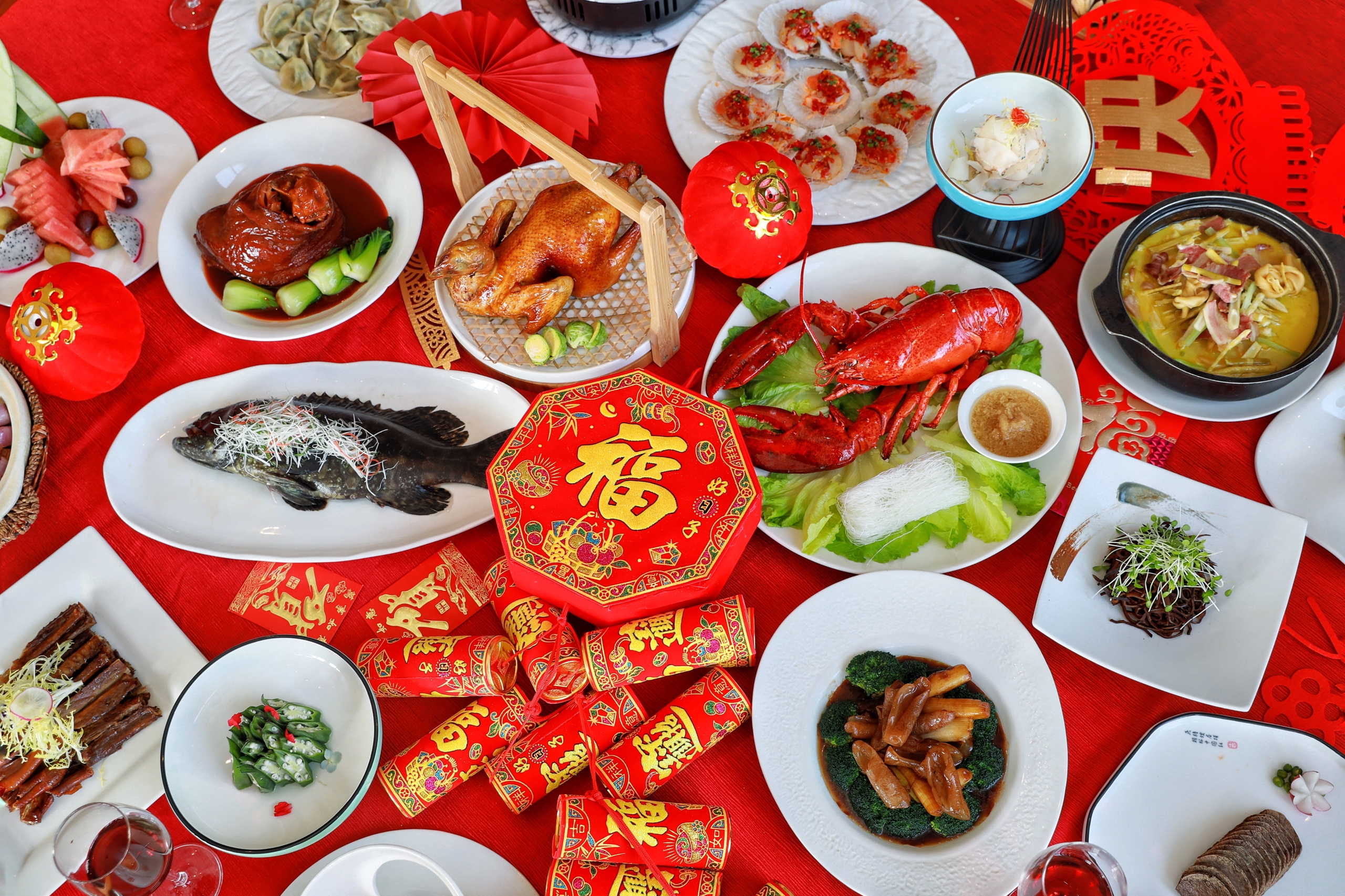
The reunion dinner, also called the Chinese New Year's Eve feast, is a centerpiece of the celebration. It is the most important family meal of the year.
In southern China, families often enjoy tangyuan, round glutinous rice balls with sweet or savory fillings, whose shape echoes the ideal of family togetherness. In the north, dumplings, or 饺子 (jiǎo zi), are essential.
The name "饺子" echoes the phrase "交子" (jiāo zǐ), referring to the turning point at midnight, capturing the spirit of passage from the old year into the new.
Across regions, fish is a must-have dish because the Chinese word for "fish" (鱼 yú) sounds like the term for "surplus" (余 yú), expressing the wish for abundance and prosperity in the year ahead.
Staying up late
After the feast, families often stay awake together, chatting, sharing stories, and enjoying one another's company late into the night, or even until dawn, to greet the new year. This custom, called "守岁" (shǒu suì), translates as "guarding the year" and is thought to promote longevity and well-being.
A well-known legend tells of a monster named "祟" (suì) that would emerge on New Year's Eve to bring harm to sleeping children. To protect them, families began keeping lights on and staying up through the night, a practice once called "guarding against Sui". Over time, the similar-sounding character "岁" (suì), meaning "year", replaced the original term, turning the vigil into a positive ritual of "guarding the year".
Giving red envelopes
As part of the night's observances, elders present red envelopes containing money to the younger generation. Known as "压岁钱" (yā suì qián), these gifts originally served a protective purpose: the term plays on the resemblance between "岁" (suì, year) and "祟" (suì, the evil spirit). Thus, "压岁钱" first meant "money to ward off the Sui monster", offered to safeguard children.
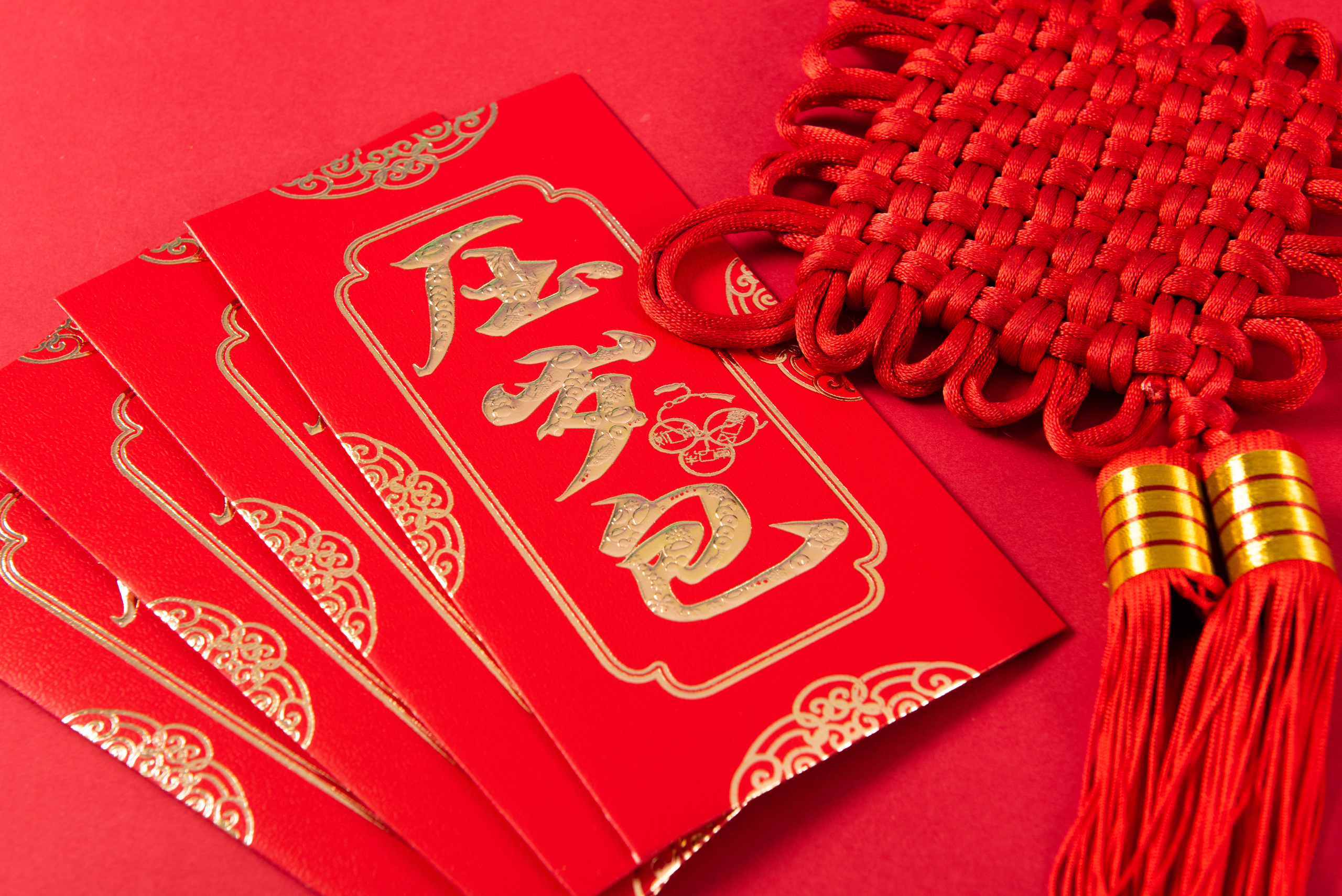
While this protective meaning lingers, today red envelopes primarily convey affection and good wishes from older to younger family members, carrying hopes for their health, safety, and joy in the new year.
Sources: WeChat account of Changning district information office at "shchangning", People's Daily, Xinhua, CCTV News, China Education News