Chinese New Year's Day
The first day of the first month in the Chinese calendar, which falls on Feb 17, marks the most significant traditional festival in China — Spring Festival. Commonly referred to as 过年 (ɡuò nián, passing the year), it represents the richest and most important celebration in Chinese culture. In folk tradition, Spring Festival is not just a single day but a period that extends from Laba Festival, observed on the eighth day of the last month of the Chinese calendar, or from Little New Year, through Lantern Festival. Among these, New Year's Eve and New Year's Day mark the height of the festivities.
New Year visits
One of the most important customs during Spring Festival is making New Year visits, a tradition through which people bid farewell to the old year, welcome the new, and exchange heartfelt wishes.
Visits usually begin at home. Younger family members greet elders early in the morning, offering blessings for health, longevity, and good fortune. When meeting others outside, people commonly exchange greetings such as 新年好 (xīn nián hǎo) and 新年快乐 (xīn nián kuài lè), both meaning "Happy New Year".
It is also typical to wear one's best attire, especially for children, who often receive new garments for the occasion. New Year visits continue throughout the first 15 days of the Chinese calendar. Guests typically bring gifts for their hosts, while elders present red envelopes containing gift money to younger members, symbolizing wishes for safety and good fortune in the year ahead.

Festive foods
On Chinese New Year's Day, people in northern China typically eat dumplings, which are shaped like ancient silver ingots and symbolize attracting wealth and prosperity. In southern regions, people often enjoy glutinous rice balls and rice cakes, representing family reunion and the hope for continuous improvement year after year.

Honoring ancestors
Ancestor worship is another meaningful practice observed on the first day of the new year, expressing reverence for forebears while seeking their blessings. Some families display ancestral portraits and arrange offerings such as incense, candles, tea, and fruits before gathering together to pay their respects.
Traditional taboos
According to folk traditions, there are several taboos observed on this day. Sweeping the floor is avoided, as it is believed this would sweep away wealth and good luck. Other customs include avoiding breaking objects, using knives or scissors, throwing water outside, and quarreling — all to preserve harmony and fortune for the year ahead.
A new zodiac year begins
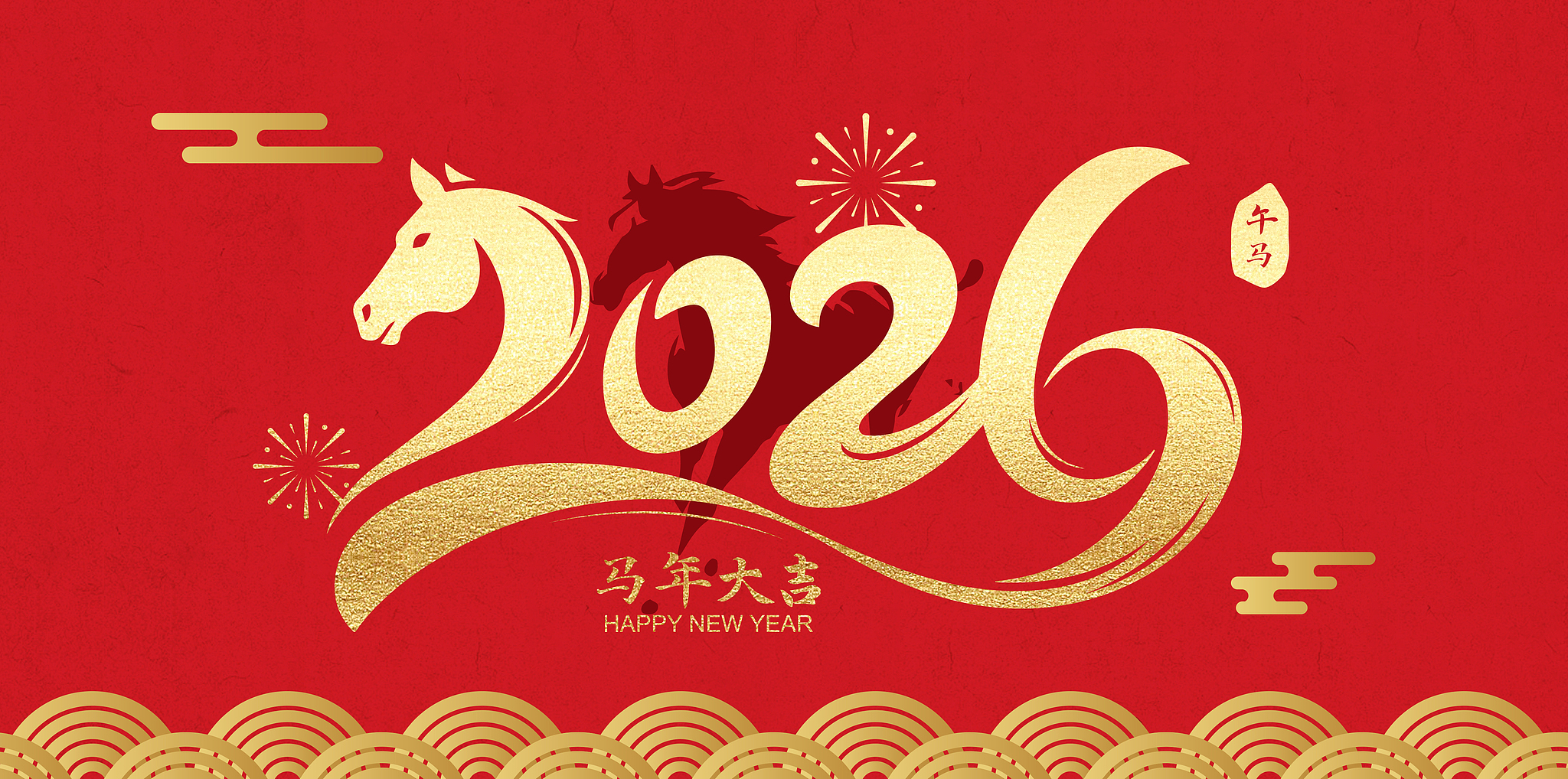
The first day of the year also marks the beginning of a new zodiac cycle. The year 2026 is the Year of the Horse, the seventh animal in the Chinese zodiac.
The horse holds a special place in Chinese culture, symbolizing strength, speed, vitality, and an enterprising spirit. Throughout history, horses have played essential roles in warfare, agriculture, and trade, making them enduring symbols of progress and resilience.
Horses also feature prominently in literature, idioms, and sayings. One well-known example, the idiom 马到成功(mǎ dào chénɡ ɡōnɡ, success as soon as the horse arrives), is often used to express smooth and timely achievement. Celebrated in poetry and art throughout the ages, the horse is widely regarded as an emblem of power and momentum. People born in the Year of the Horse are often seen as energetic, ambitious, and forward-looking.
Sources: WeChat account of Yangpu district news center at "shanghai-yangpu", General Office of the Shanghai Municipal People's Government