Lantern Festival
Lantern Festival (元宵节, yuán xiāo jié), celebrated on the 15th day of the first month in the Chinese calendar, marks the final important occasion of Spring Festival.
The first month is called "yuán", which means "the beginning", and the 15th day coincides with the night of the first full moon. The word "xiāo" means "night" — so "yuán xiāo" essentially refers to the first full moon night of the new year.
The festival evolved over centuries, with various accounts of its origin, but by the Han Dynasty (206 BC-220), the 15th day of the first month was already recognized as a major holiday.
Today, the festival is best known for three beloved customs across folk traditions: viewing lanterns, solving riddles written on them, and enjoying glutinous rice balls.
Viewing lanterns
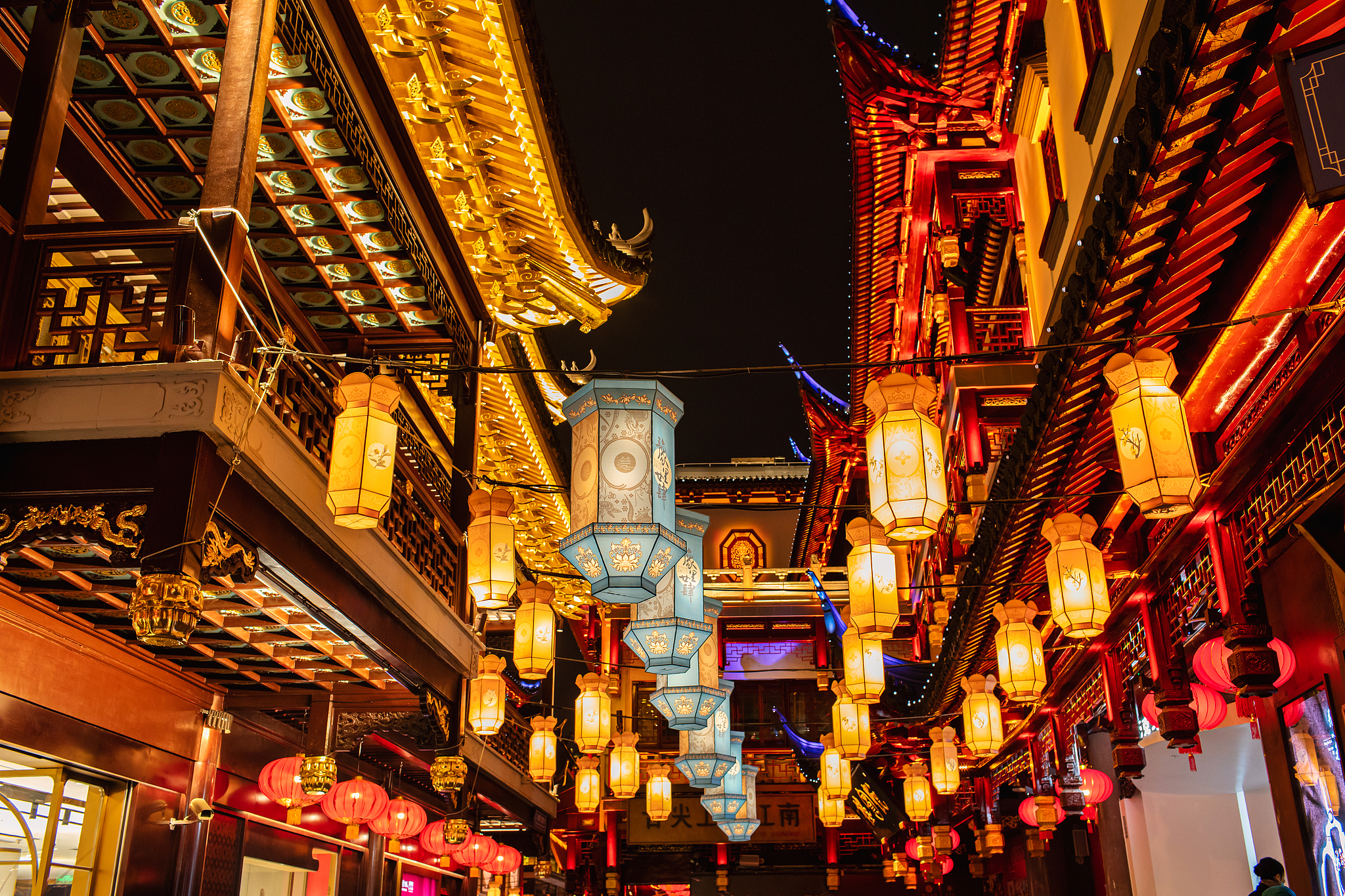
Lantern Festival is truly a celebration of lights, with lanterns at the heart of the festivities. In the weeks leading up to the festival, markets brim with decorative lanterns, while on the day itself, streets and parks glow with illumination and host lively lantern fairs.
The tradition of decorative lanterns is said to date back to the Han Dynasty and flourished during the Tang (618-907) and Song (960-1279) dynasties. Emperor Ming of the Eastern Han Dynasty, a supporter of Buddhism, learned that monks lit lamps on the 15th day of the first month to honor the Buddha. He then ordered lanterns to be lit in the imperial palace and temples on that night. Over time, the practice spread among the nobility and common people, gradually evolving into the lantern-viewing custom observed today.
From the Tang Dynasty onward, displaying lanterns during the festival became an official practice and a widespread folk tradition. The duration of the celebrations varied across dynasties. During the Ming Dynasty (1368-1644), it lasted 10 days, making it the longest lantern festival in Chinese history.
Solving lantern riddles
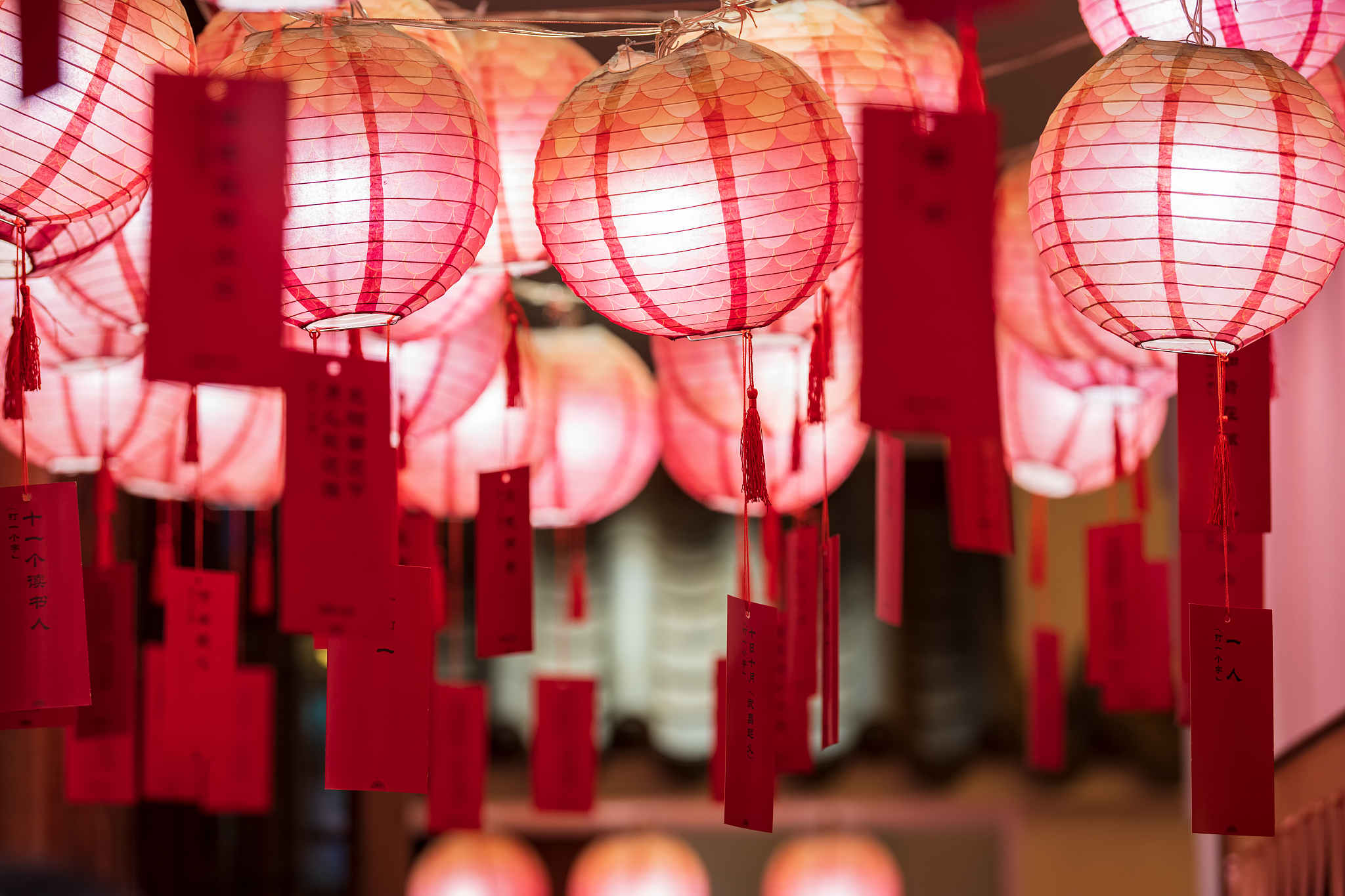
In addition to lantern displays, many places hold lantern riddle contests during the festival. Visitors stroll among colorful lanterns shaped like flowers, birds, fish, and countless other forms, pondering riddles written on them. The activity remains entertaining, even when the riddle proves too difficult to solve.
Riddles have long been part of the Chinese intellectual tradition. By the Song Dynasty, Lantern Festival had taken on the character of an "intellectual festival", marked by the emergence of lantern riddles.
The practice matured during the Ming and Qing (1644-1911) dynasties. Historical records note that during Lantern Festival celebrations in Suzhou, Jiangsu province, intricate riddles were affixed to lanterns for the public to solve. Topics ranged from classical texts and poetry to proverbs. Winners received prizes such as handkerchiefs or sachets.
Eating glutinous rice balls
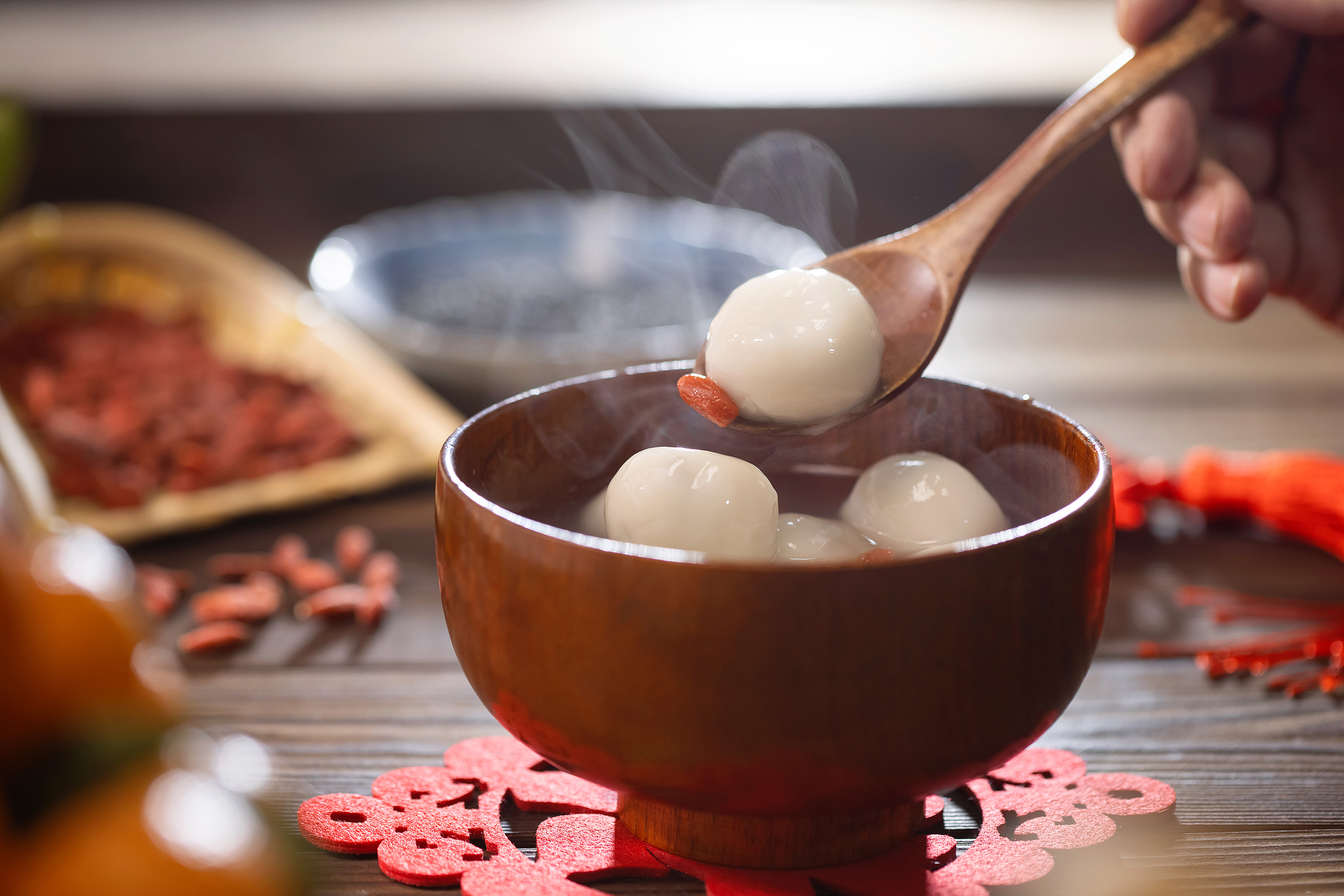
Eating glutinous rice balls is a central custom of Lantern Festival. Made from glutinous rice flour, the balls can be solid or filled. Sweet fillings include sugar, rose paste, sesame, red bean paste, nuts, and jujube paste. In some regions, savory fillings like pork, shrimp, or vegetables are also popular. They can be boiled, fried, steamed, or deep-fried.
Originally called "浮圆子" (fú yuán zi, literally meaning "floating round balls") in the Song Dynasty, they later came to be known as "汤团 (tāng tuán)" or "汤圆 (tāng yuán)". These names sound similar to the word for "团圆" (tuán yuán, reunion), symbolizing family togetherness, harmony, and happiness. Eating them also expresses longing for absent relatives and hopes for a bright future.
Source: General Office of the Shanghai Municipal People's Government