InnoMatch Global Tech-Matching Fair unveils 10,000 global tech needs
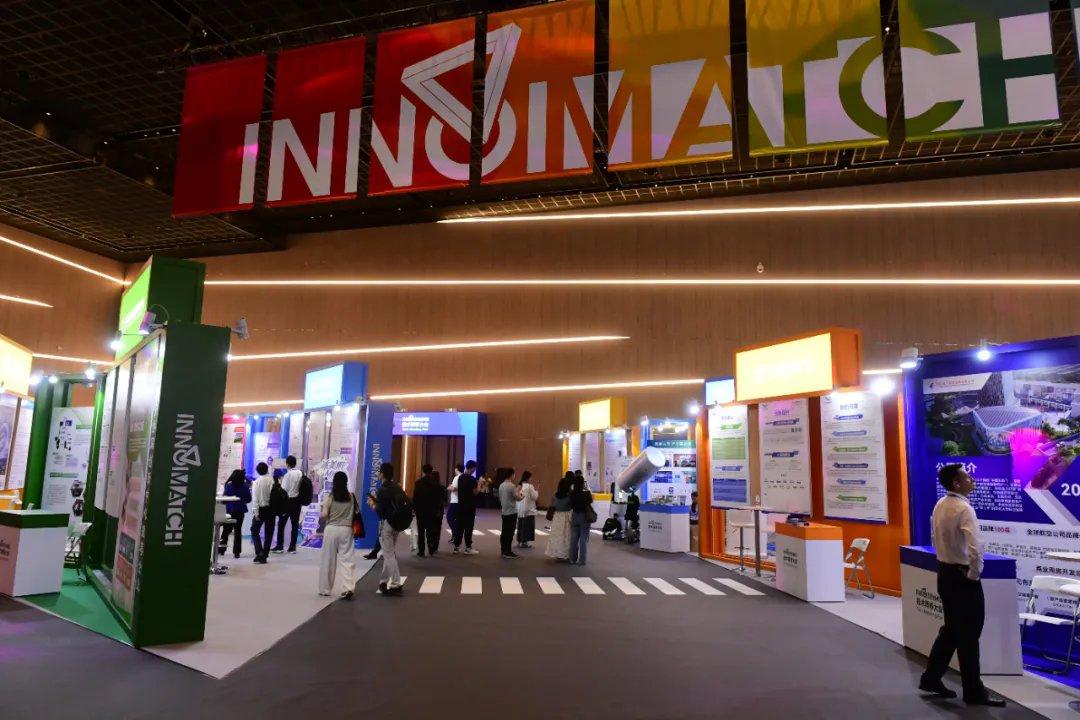
The 2025 InnoMatch Global Tech-Matching Fair opened at the Zhangjiang Science Hall in Shanghai on Sept 20.
As a key event of the 18th Pujiang Innovation Forum, the fair focused on demand release, talent discovery, and capital empowerment.
It unveiled over 10,000 technology demands worldwide, with participating enterprises committing over 20 billion yuan ($2.81 billion) in investment. These demands cover more than 20 cutting-edge fields, including artificial intelligence, quantum technology, and biomedicine.
The event also unveiled over 2,000 job openings for sci-tech professionals and showcased 1,728 R&D achievements from domestic and international institutions. Additionally, 847 innovative products from small and medium-sized enterprises were presented, alongside more than 80 debut products and immersive scenarios in emerging technologies.
Key highlights of the fair:
1. Precision industry matchmaking through demand release
Open innovation platforms and demand scenarios were presented by 120 leading enterprises, including China Resources, GienTech, CGN, and China Construction Eighth Engineering Division.
Domestic and international innovators released technology demands worth tens of millions of yuan, inviting researchers to deliver practical solutions.
The Green Technology Bank introduced two demands from Kazakhstan, promoting cross-border cooperation in green technology, electric vehicle industry chains, digital energy, and digital technology.
2. Debuts of disruptive achievements
The fair featured a range of representative innovations and transformation cases.
Shanghai Jiao Tong University presented its internationally leading innovations, including a dedicated brain-computer interface chip, high-precision microwave vibration displacement measurement technology and related products, and an unmanned aerial vehicle system.
Huashan Hospital of Fudan University unveiled its "therapeutic dendritic cell vaccine for glioma", marking a significant breakthrough in biomedicine. East China Normal University introduced "new high-end enzyme preparations" that reduce production costs by over 90 percent through a rights-empowerment-based commercialization model for scientific achievements.
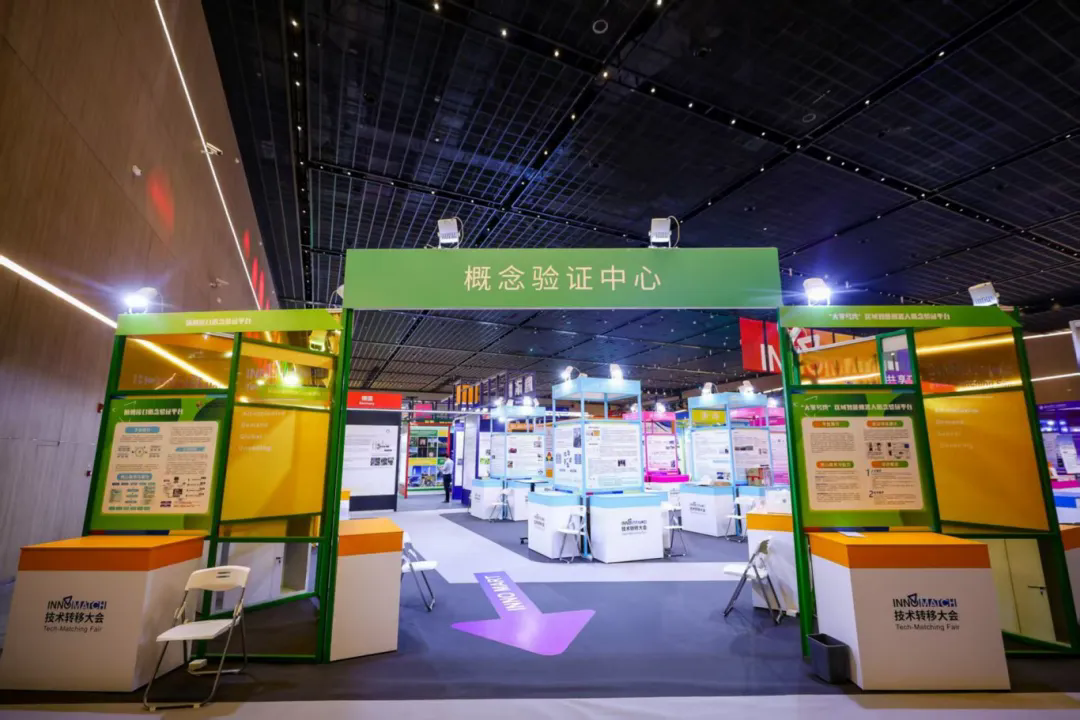
3. A high-quality concept validation zone
The Shanghai Municipal Science and Technology Commission highlighted efforts to accelerate achievement transformation by integrating concept validation platforms with future industrial clusters and high-quality incubators.
A key highlight was the debut of six concept validation centers in emerging industries, such as brain-computer interfaces, nucleic acid drugs, gene editing, integrated circuit materials, ultra-wide bandgap semiconductors, and silicon-based optoelectronics. These platforms offer full-chain services covering technical validation, commercial validation, resource matching, and incubation support, effectively reducing transformation risks and R&D costs for future industrial innovations.
4. Deep participation of universities, research institutes, and medical institutions
The Technology Commercialization Link Forum zone attracted 20 Shanghai-based institutions, including Shanghai Jiao Tong University, Fudan University, Tongji University, Ruijin Hospital affiliated with Shanghai Jiao Tong University, and Huashan Hospital affiliated with Fudan University, as well as 21 other domestic universities and medical institutions such as Tsinghua University, Zhejiang University, Harbin Institute of Technology, and City University of Hong Kong.
The university exhibition zone unveiled scientific achievements with independent intellectual property rights and strong market potential, covering fields such as high-end equipment, biomedicine, new materials, and artificial intelligence. Notably, Tsinghua University exhibited an atomic quantum computer, a globally leading quantum computing platform based on optical tweezer arrays, with the potential to revolutionize traditional diagnostic models.
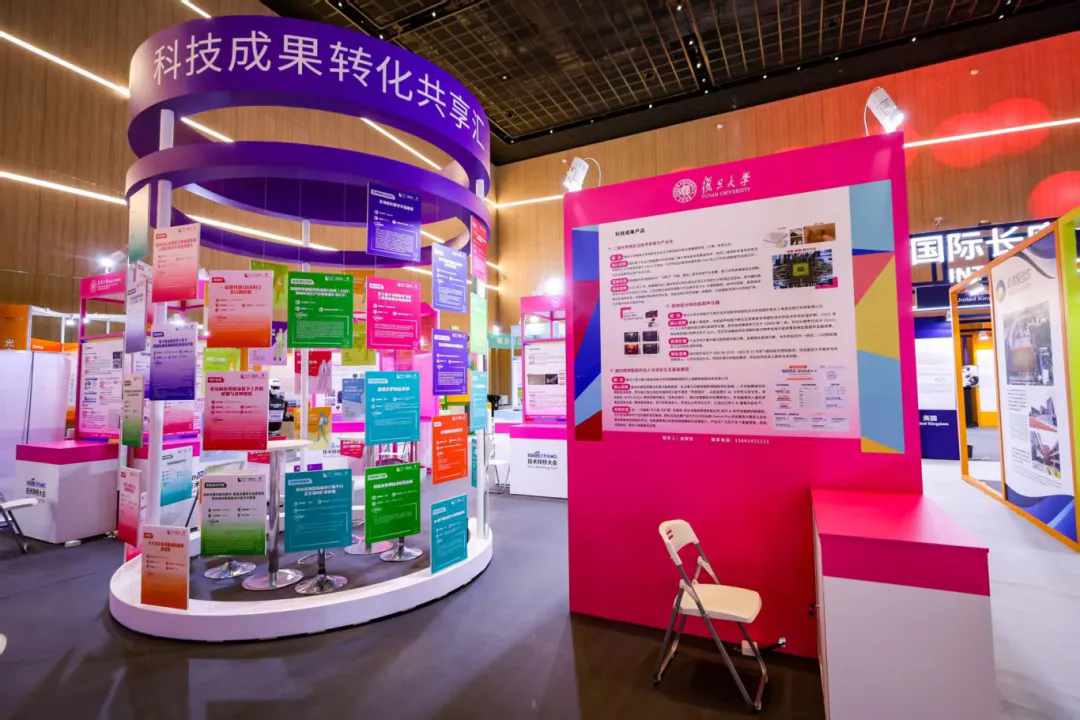
5. Releases of key reports and standards
A series of key reports and standards were issued to build a normalized, standardized, and sustainable transformation ecosystem for scientific achievements, providing solid talent support to drive efficient innovation commercialization.
6. Technology trading market and transformation clinic for one-stop matching services
The fair debuted the "Technology Trading Market", showcasing products such as Ruijin Hospital's "non-invasive glucometer" and the Chinese Academy of Agricultural Sciences' "ganoderma lucidum spore oil soft capsules", drawing extensive interaction and inquiries.
The "Transformation Clinic", a specialized service section, invited over 20 senior experts in technology transfer, intellectual property, law, and investment to provide one-on-one consultations and full-process support for enterprises and research teams. Since its launch, the clinic has facilitated 374 projects, selected over 50 initiatives with commercial potential, advanced 19 projects to the pre-concept validation stage, and supported 10 projects in establishing companies through rights empowerment, with transformation contracts exceeding 300 million yuan.
Sources: Jiefang Daily, Shanghai Municipal Science and Technology Commission