2026 Shanghai International Computational Biology Challenge launched
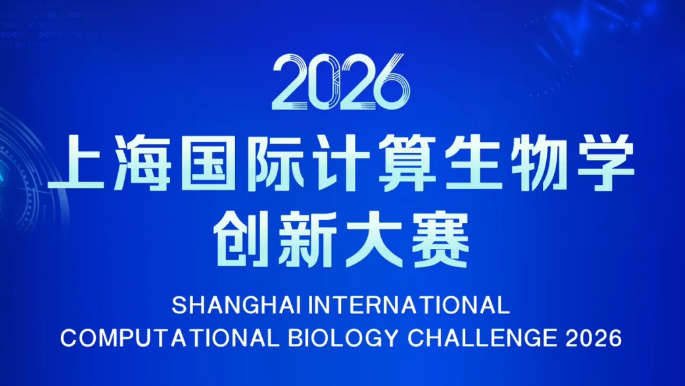
The 2026 Shanghai International Computational Biology Challenge is now underway. In its third edition, this year's competition aims to attract interdisciplinary talent from around the world.
I. Overview
The competition is centered on real-world R&D tasks and establishes a closed-loop mechanism combining AI-based design, experimental validation, and feedback-based optimization.
The 2026 edition features two tracks, Small-Molecule Design and Antibody Design. It is designed to systematically evaluate and advance AI-based molecular design methods for important disease targets and enhance the international influence of the challenge in AI-enabled life sciences.
II. Objectives
1. Bring together global talent in the field, strengthen interdisciplinary collaboration, foster innovative ideas, and identify application needs to promote the integration of AI and biomedicine and further enhance Shanghai's overall strength in computational biology.
2. Build a high-level international competition brand and promote global exchange to solidify Shanghai's position in computational biology.
3. Foster a sound environment for translating innovation into practical applications by focusing on technology R&D and real-world implementation, deepening evaluation and talent selection mechanisms through the competition, integrating high-quality resources, and building an efficient and coordinated industrial resource network.
4. Encourage new computing paradigms and advanced computing power to support drug discovery, explore AI and other new computing paradigms, and support the integrated use of heterogeneous computing hardware such as GPUs and MaPUs.
III. Tracks
Focusing on targets with translational potential and innovation value, the challenge features two tracks.
1. Small-Molecule Track
Target: HSV DNA polymerase (HSV Pol)
2. Antibody Track
Target: immune checkpoint molecule PVRIG (CD112R)
IV. Eligibility
Each participating team may have one to five members. A team may choose to enter the Small-Molecule Design Track, the Antibody Design Track, or both tracks.
1. The challenge is open to participants worldwide from universities, research institutions, enterprises, public institutions, and individuals, with no nationality restrictions.
2. All team members must complete registration on the event's official website. Each participant must provide the required personal information during registration and complete real-name verification.
3. Team formation rules:
- Each participant can create or join only one team that consists of one to five members.
- Generally, team changes are not permitted. The team leader may determine the team name independently.
- Team formation must be completed before the registration deadline.
- The same team may choose to enter one track or both tracks.
Notes
1. Individuals involved in task development or competition organization are not permitted to participate.
2. An account may be used only by the participant. It may not be transferred, rented, lent, sold, disclosed, or otherwise shared with any third party.
3. Participants are responsible for the authenticity and validity of their information, and shall bear the consequences arising from invalid or incorrect information.
4. Participants are responsible for the use of their accounts. If any security issue arises, including account loss, theft, or unauthorized use, it should be reported to the organizer.
V. Schedule
The challenge consists of four stages: registration, the preliminary round, semifinals, and finals. The Antibody Track also includes iterative submissions.
1. Registration deadline:
- Small-Molecule Track: 6 pm, Aug 9, 2026
- Antibody Track: 6 pm, July 26, 2026
2. Finals: early December

VI. Awards and benefits (awards are offered separately for each track)
1. Winning teams will receive monetary prizes and award certificates.
First Prize: one team per track, 100,000 yuan per team
Second Prize: two teams per track, 30,000 yuan per team
Third Prize: two teams per track, 20,000 yuan per team
Excellence Award: five teams per track, 10,000 yuan per team
2. Priority recommendation
First, Second, and Third Prize winners will receive priority support from relevant science and technology programs in Shanghai.
3. Scenario-based collaboration
Eligible winning teams will be recommended for access to real-world experimental validation platforms and joint R&D opportunities with local leading biomedical companies, key universities, and research institutions.
4. Commercialization support
Winning teams will be offered one-stop services including patent application assistance, entrepreneurship guidance, and investment and financing support.
5. Academic publication
Winning teams will receive support for publishing competition results and related analyses in peer-reviewed academic journals.
6. Talent development
Core team members of the winning teams will be included in a talent recommendation list, with priority access to targeted internships and recruitment opportunities at key biomedical companies, innovative R&D institutions, AI drug discovery companies, and investment funds in Shanghai.
VII. Contact
Participants may submit questions through the following official channels:
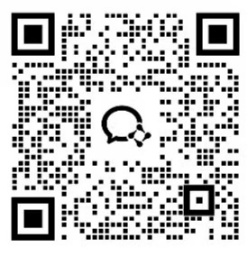
1. The official WeChat account
All team leaders must add the official WeChat assistant by scanning the QR code below. After adding the account, send "Shanghai Computational Biology Challenge" to make inquiries.
2. Email: SICBC@phaimus.com
Note: Participants are recommended to include "Challenge Inquiry" in the subject line.
Important notes
1. Consultation hours: 9:30 am - 6 pm, Monday to Friday. Inquiries received during this period will be processed and answered as soon as possible. Inquiries received outside working hours, including holidays, will be processed on the following working day.
2. Participants should provide their name, team name, contact information, and other relevant registration information when making inquiries to facilitate efficient verification.
3. The WeChat account and email address are the official communication channels for the challenge, operated and managed by the organizing committee.
VIII. Key reminders
In any of the following situations, the organizing committee may treat the case as a violation and disqualify the participating team.
1. The participant or participating team provides false registration information or fails to meet the registration or team formation requirements.
2. The submission involves plagiarism or infringement of others' intellectual property rights.
3. The participating team or its submission is found, or reported and verified, to involve illegal or non-compliant conduct.
4. Challenge data: The organizing committee authorizes participants and participating teams to use the data provided for this challenge only for model training within the scope of their participation. The data may not be used for any commercial purpose without written consent.
5. Matters related to intellectual property rights shall be governed by the statement on the official website.
The organizing committee reserves the right of final interpretation of the rules for this challenge.
Official websites:
Chinese: https://www.bioshanghaiweek.com/2026/SICBC
English: https://www.bioshanghaiweek.com/2026/SICBC?lan=en
Sources: Official website of the 2026 Shanghai International Computational Biology Challenge, official WeChat account of Shanghai Science and Technology (ID: "sh_stcsm")