Shanghai Literature Museum
The Shanghai Literature Museum serves as a cultural center that fosters public engagement with literature. It brings together exhibitions, reading rooms, and spaces for literary exchange, offering visitors a comprehensive insight into Shanghai's literary development and achievements.
Construction of the museum began in 2022 and was completed four years later. The museum comprises three heritage buildings, including the historic Yihong Garden compound, and one new structure. Designed to complement the surrounding conservation area, the new structure blends seamlessly with the historic buildings, creating a cohesive ensemble that marries contemporary design with Shanghai's distinctive cultural character.
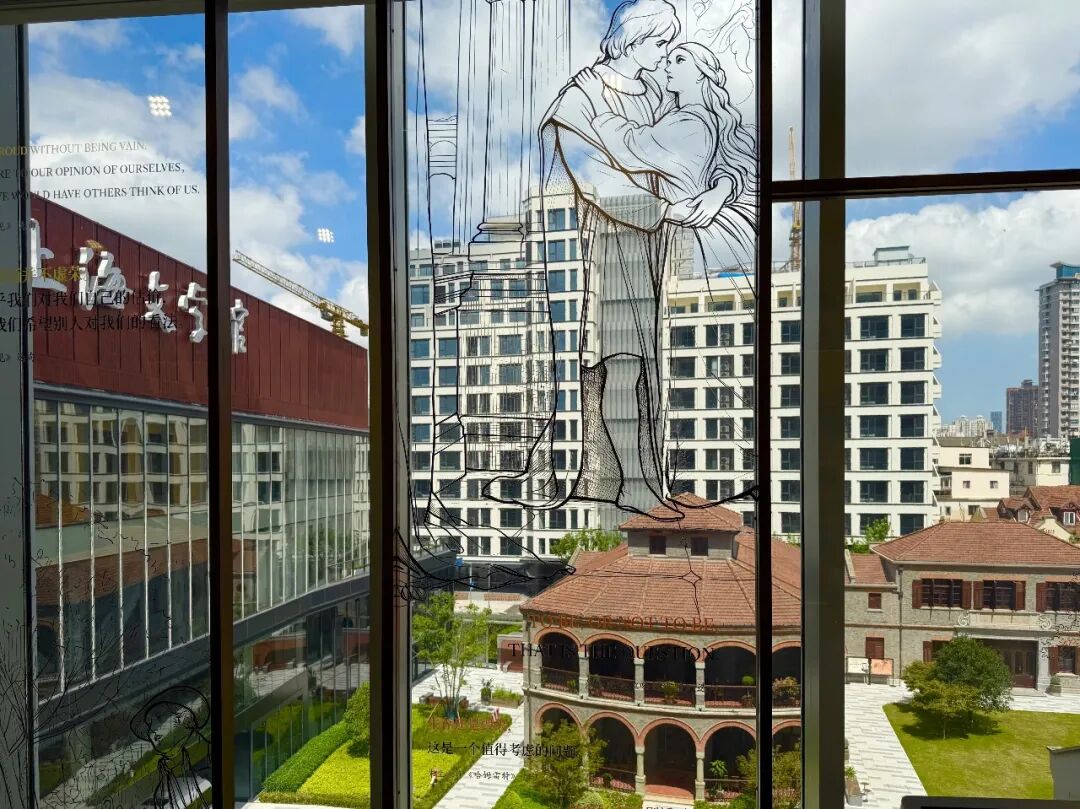
Located at the intersection of North Jiangxi Road and Wujin Road in Hongkou district, the site was a well-known public space and a vibrant center for modern Chinese literature a century ago. Literary giants such as Lu Xun, Mao Dun, and Ba Jin once lived and worked in the area.
Inside, the museum features five permanent exhibition sections that trace the city's literary memory from multiple perspectives. The displays explore the intertwined histories of Shanghai's urban development and its literature; the diversity of Haipai writing, or Shanghai-style writing; the cross-influences between literature and film or theater; and Shanghai's role as a hub for international literary exchange.
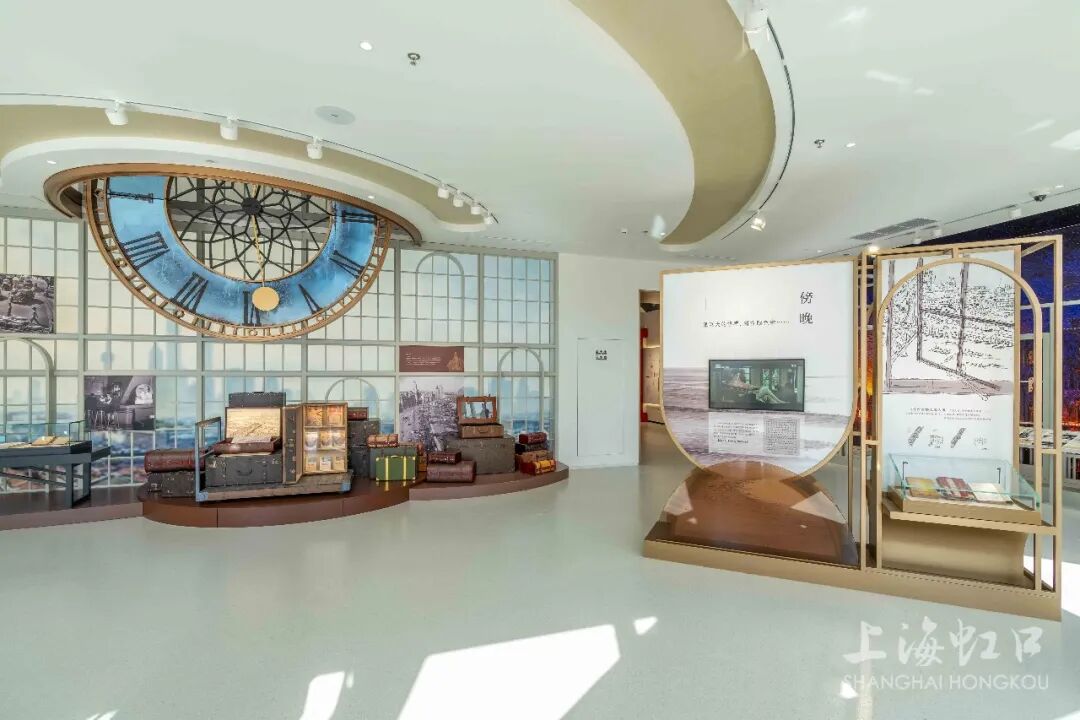
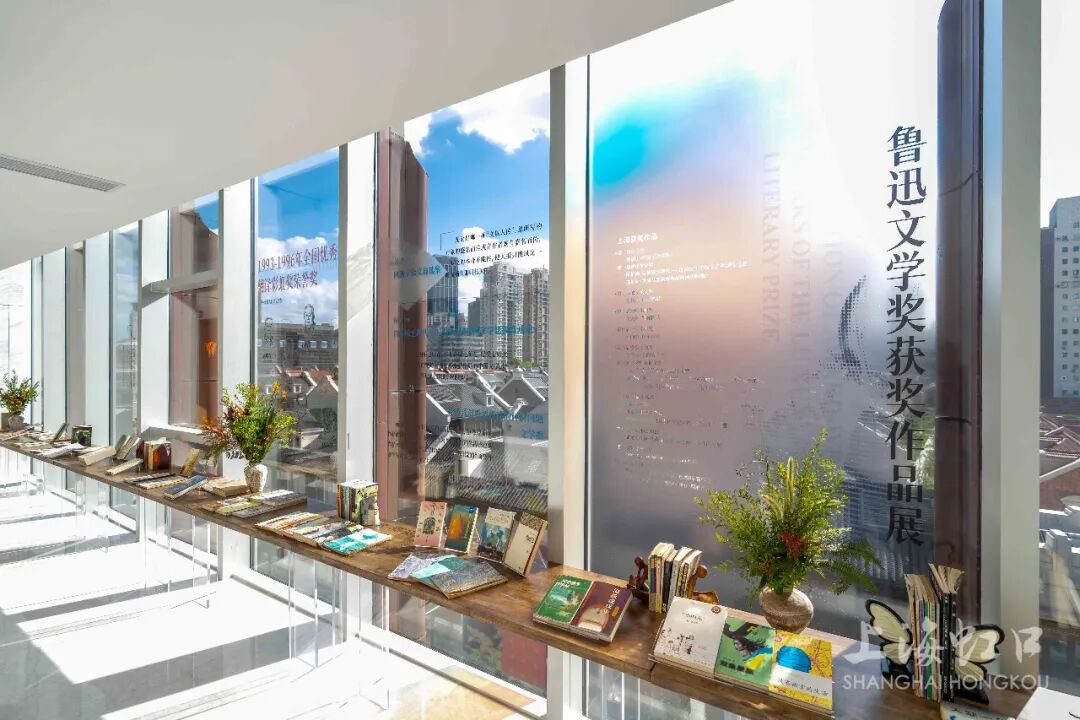
Several themed reading spaces are also available: the Ba Jin Library, which includes a periodical reading room; the Haishang Library Study, a reading and social space; the Malan Flower Picture Book Gallery, dedicated to children's literature and family-friendly reading; and the Shanghai Literary Starlight Hall, a digital exhibition space that uses virtual technology to showcase literary figures and their creative stories.
If you go
Open: 9:30 am – 5:30 pm (last entry at 5 pm). Closed on Mondays, except public holidays.
Address: No 418 North Jiangxi Road, Hongkou district
Admission: Free
(Updated on Sept 1, 2026)
Source: Hongkou district government