Wild animals return to Changning's habitat gardens
Changning district has created 32 habitat gardens across its 10 subdistricts and towns, helping bring wild animals back to the city center.
The 32 gardens span old residential compounds, commercial housing estates, schools, office buildings, and industrial parks, providing food, water, and shelter for squirrels, hedgehogs, pollinators, and birds.
Since these gardens were established, a pair of badgers first spotted four years ago at Changxin Habitat Garden in Xinjing town has grown to eight, now settled on the south bank of the Lujiabang River. Meanwhile, raccoon dogs that traveled along the district's outer-ring greenway to Leyi Habitat Garden in Lyuyuan Xincun No 8 Community have produced a second generation.
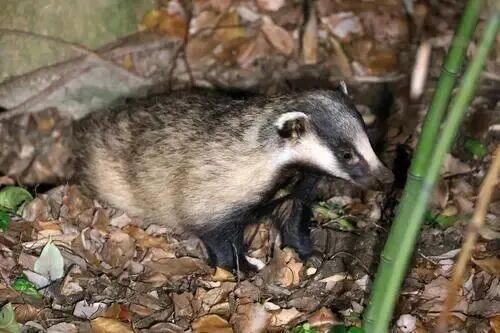
The 55-hectare, 6.25-kilometer Changning Outer Ring Ecological Greenway acts as a linear corridor linking suburban and urban habitats. It is how animals move into the city, resting in community gardens along the way.
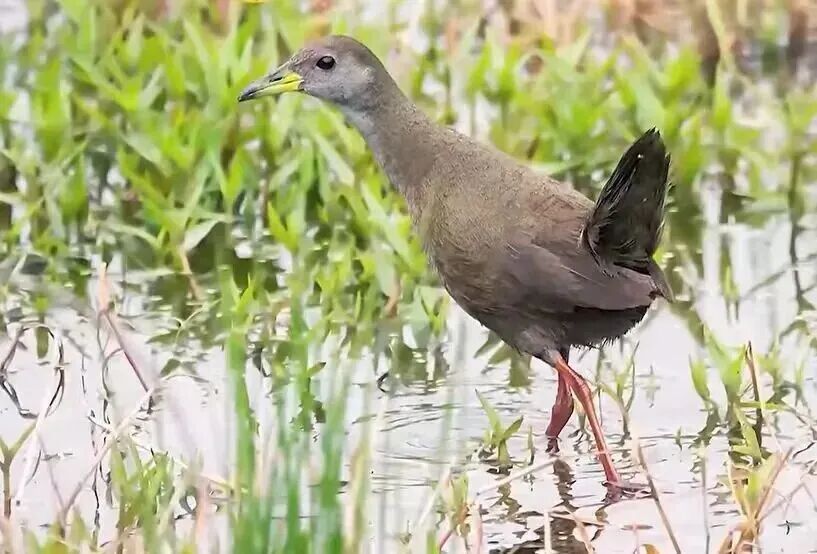
Birdwatchers first recorded a brown crake there in April 2024, and the species bred there for the first time that June. District surveys have documented red-bellied squirrels, hedgehogs, Siberian weasels, raccoon dogs, 36 bird species, five of Shanghai's six amphibian species, and 113 insect species. Several of these are listed in the List of Terrestrial Wildlife with Important Ecological, Scientific and Social Value.
Native ferns, magnolias, wild chrysanthemum, Chinese tallow trees, and parasol tree form layered plant communities.
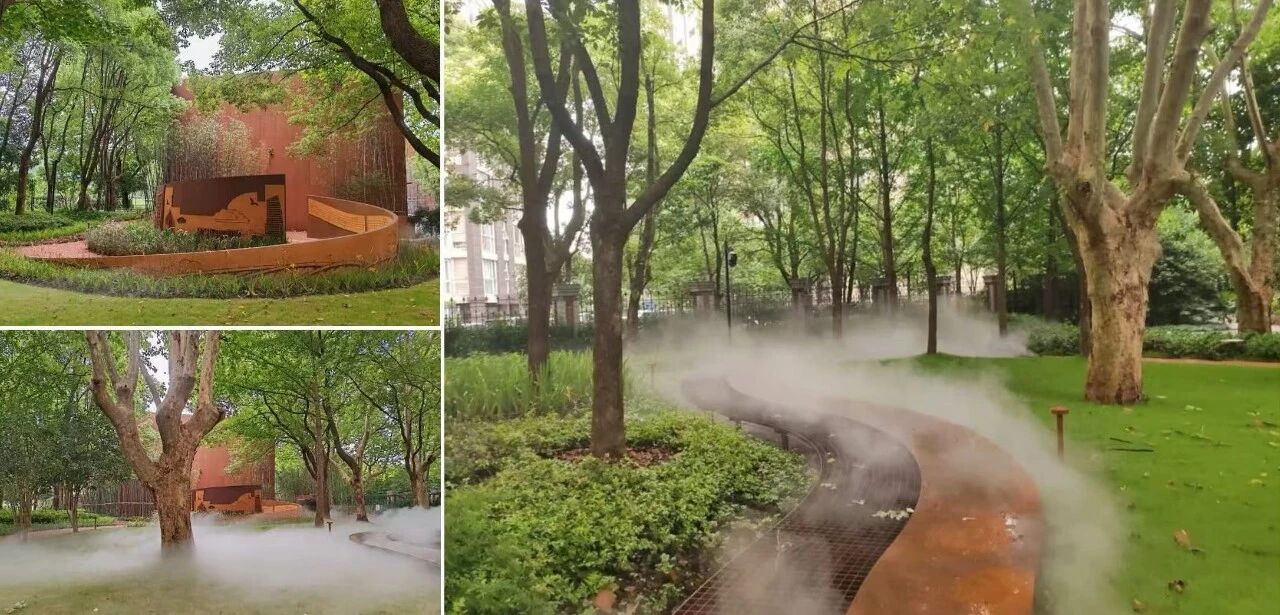
Changning extends the habitat model beyond residential communities. Loushan Middle School built the district's first campus habitat garden alongside a nature-based curriculum. The Place and IBP International Business Park have converted commercial spaces into habitat gardens as part of their sustainability goals. Zhongshan Park has launched an ecological restoration project, and the greenway now features an under-canopy hidden-stream wetland.
These gains rest on broader environmental cleanup under the Three-Year Action Plan for Building a Beautiful Changning (2024-26). The district controls volatile organic compounds and cooking fumes, monitors dust, ozone, and PM2.5, upgrades rainwater storage, and remediates the Suining River.
All nine city-monitored river sections in Changning meet Grade III water quality or better, and the safe utilization rate of key construction land stands at 100 percent.
Source: WeChat account of Changning district information office "shchangning"