Zhujiajiao Ancient Town
Shanghai's Zhujiajiao Ancient Town has been designated a national 5A scenic area, joining Nanjing's Xuanwu Lake and Zhejiang's Quzhou Ancient City as one of 17 newly recognized attractions across China.
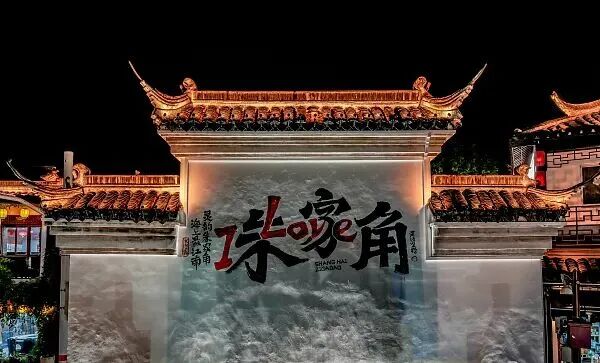
Located on the shores of Dianshan Lake in Qingpu district, Zhujiajiao Ancient Town is known for its historic bridges, canals, traditional architecture, and Jiangnan culture, rooted in the region south of the lower reaches of the Yangtze River. It dates back to the Song (960–1279) and Yuan (1271–1368) dynasties and thrived as a canal trade hub during the Ming (1368–1644) and Qing (1644–1911) dynasties.
The town preserves folk traditions such as tianshange (traditional paddy-field folk songs), water-town boat boxing (a unique style of traditional Chinese martial arts), and apo cha, or Grandma's Tea (a traditional local tea-drinking custom).
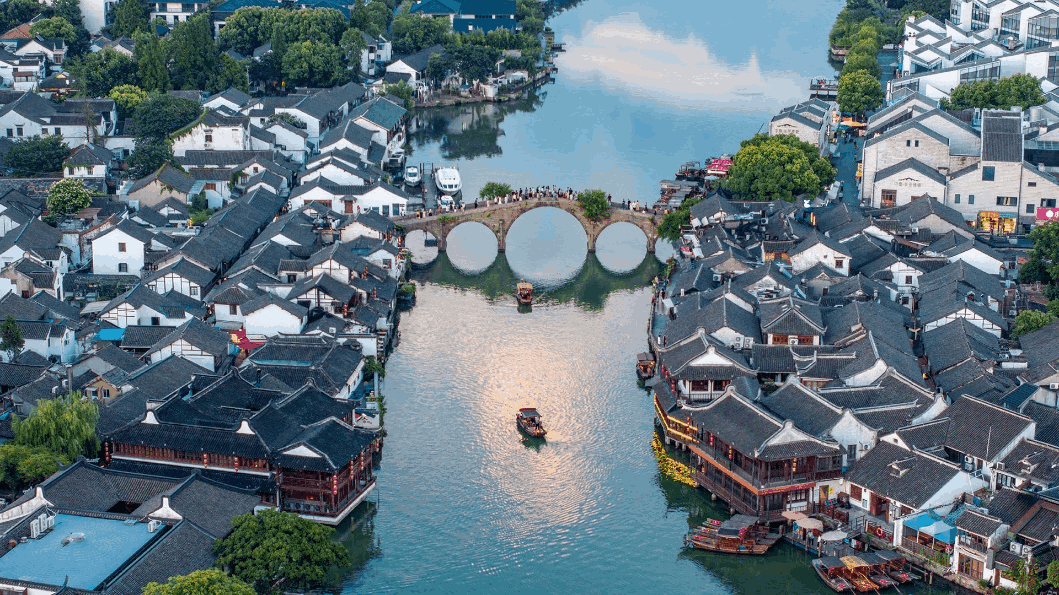
Visitors wandering along North Street beside the Caogang River can also sample century-old Handalong pickled vegetables, steamed zhuangyuan cakes (rice cakes named after the top scholar in ancient imperial exams), zharou (braised pork wrapped in reed leaves), and traditional rice dumplings.
Fangsheng Bridge
Built in 1571, the five-arch Fangsheng Bridge spans the Caogang River as Shanghai's largest surviving stone arch bridge.
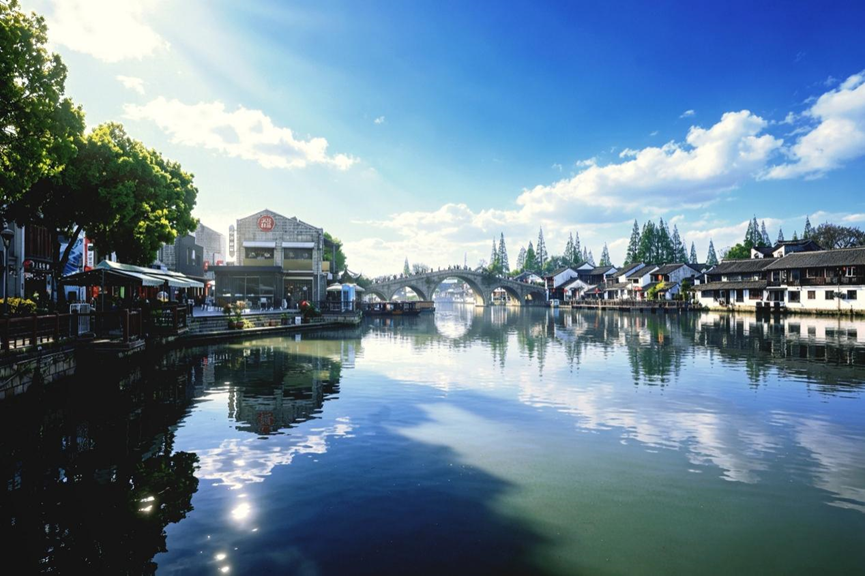
Known locally as the "First Bridge of Shanghai," it has anchored local canal life for more than four centuries. The bridge takes its name from the tradition of releasing captive fish and turtles, with a 500-meter stretch of river historically designated for the practice.
Kezhi Garden
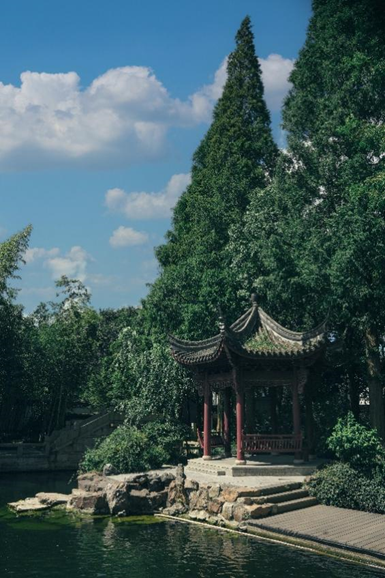
Dating back to 1912, Kezhi Garden — also known as the Ma Family Garden — is a sprawling manor-style private estate.
Its name embodies the traditional Chinese ideal of balancing scholarly study (Ke) with agricultural farming (Zhi), a balance mirrored in its layout, which divides the grounds into a residential study area and a farming garden.
Inside, its pavilions, ponds, and rockeries blend classic Jiangnan garden aesthetics with early 20th-century architectural details that reflect the town's scholarly heritage.
The First Teahouse in Jiangnan
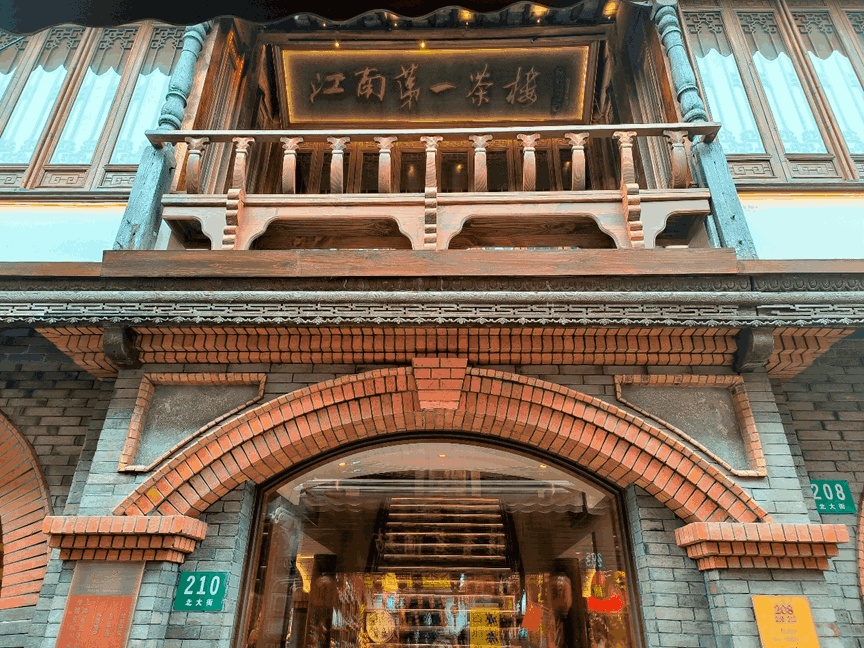
Dating from the late Qing Dynasty, this waterfront landmark originally opened as the "Club Teahouse" and features a spacious three-bay, two-story red-brick facade with arched stone doorways reminiscent of Shanghai's shikumen style.
Visitors can lean against the second-floor wooden railing, overlooking the water, sip locally brewed tea, and listen to pingtan (traditional Suzhou storytelling and ballad singing) performances.
If you go
Getting there: Take Metro Line 17 to Zhujiajiao Station, then walk about 15 minutes or take a local shuttle bus to the ancient town.
Admission: Entry to Zhujiajiao Ancient Town and Fangsheng Bridge is free.
Kezhi Garden: No 111 Xijing Street. Open 8:30 am–4:30 pm. Admission is 20 yuan ($3).
The First Teahouse in Jiangnan: No 208 North Street. Generally open 7:30 am–9 pm. Charges apply for tea and performances.
(Updated Nov 18, 2026)
Source: General Office of the Shanghai Municipal People's Government


FAQs
- What if my passport expires but my Chinese visa is still valid?
- Can pets and owners depart from different countries while complying with customs regulations?
- Can a minor travel to China and stay in a hotel without a parent's presence?
- Who is eligible for the 240-hour visa-free transit policy in China?