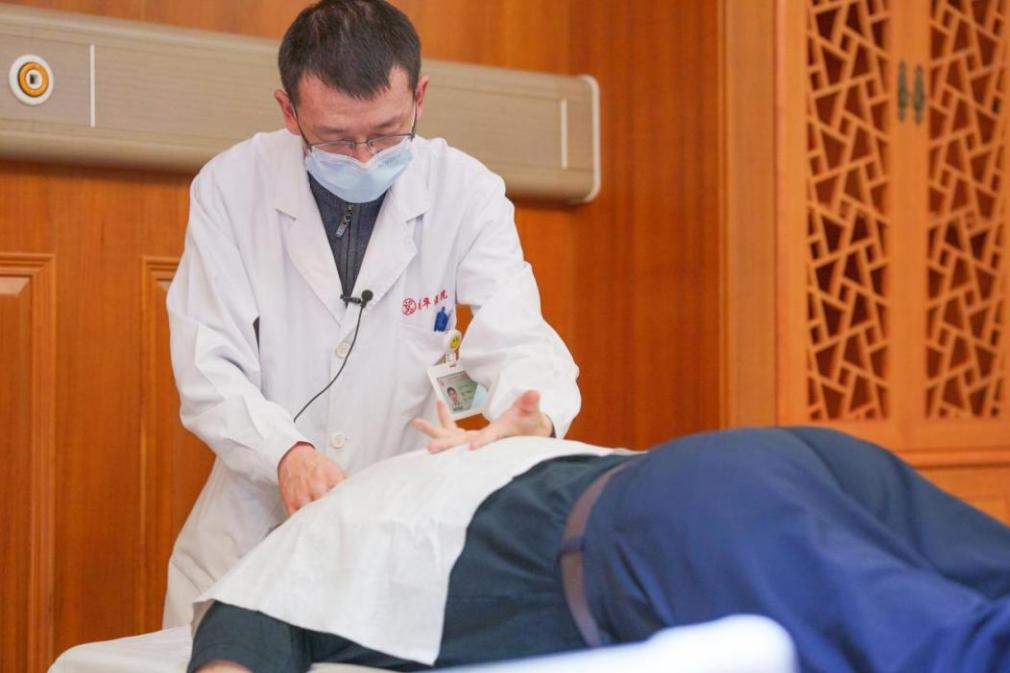
Ever wondered about Traditional Chinese Medicine?
In the intricate weave of Shanghai's healthcare tapestry, Traditional Chinese Medicine (TCM) isn't just a fringe element — it's as central as dumplings in a local's diet. While expats might initially balk at the thought of acupuncture needles and herb concoctions, many have embraced the local practices, wandering into the welcoming (and sometimes bewildering) arms of TCM hospitals for a taste of traditional treatment.
Let's take a stroll through the TCM giants of the city. There's Longhua Hospital (龙华医院), a behemoth in the world of TCM, and Shuguang Hospital (曙光医院), not to be outdone, both steeped in the sort of deep-rooted tradition that even your grandmother would nod approvingly at. Then there's the Shanghai Hospital of Traditional Chinese Medicine (上海中医医院) and the Shanghai Yueyang Hospital of Integrated Traditional Chinese and Western Medicine (上海岳阳中西医结合医院), which sounds like a mouthful but is just a place trying to bridge East and West under one roof.
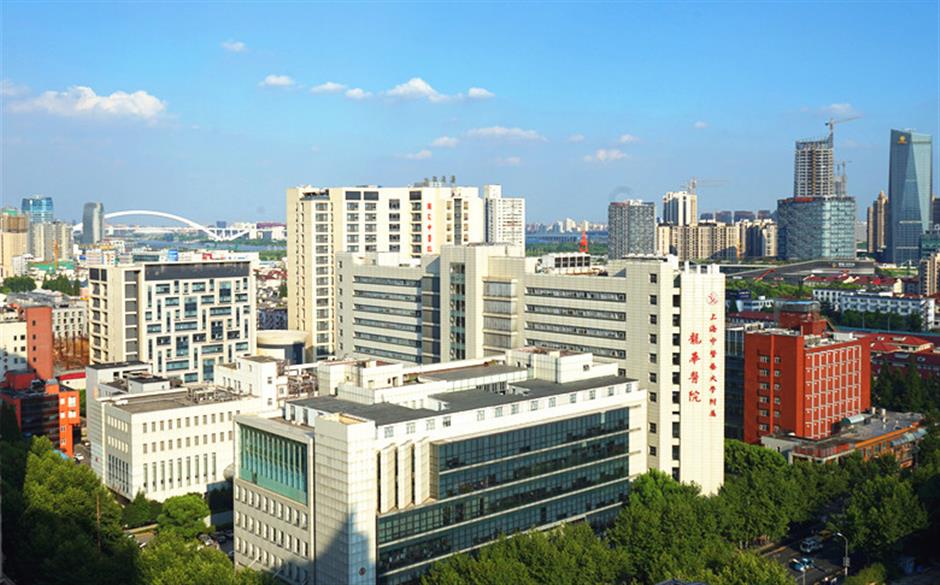
These aren't just run-of-the-mill medical joints; they're the Harvard and Yale of Traditional Chinese Medicine, tightly knit into the esteemed Shanghai University of Traditional Chinese Medicine. The doctors there are bilingual, ready to decode the mysteries of your spleen or whatever else ails you. And buzzing around them, are a globe-trotting cadre of medical students, as eager and bright as the neon lights of Nanjing Road.
Venturing beyond the city's pulsating core, the district-level TCM hubs like Xiangshan (香山中医医院) and Minhang (闵行区中医院) offer a more localized twist on traditional care, echoing the rhythms and remedies of the neighborhoods they serve. Meanwhile, the big Western medical establishments aren't letting the side down — they've carved out their corners for TCM, blending Eastern wisdom with Western precision. Places like Jiahui International Hospital and United Family Hospital aren't just dipping their toes but are diving headlong into the rich pool of TCM, ensuring that no matter where you hail from, the ancient art of Chinese medicine is within reach, right in the vibrant heart of Shanghai.
At the Shanghai Yueyang Hospital of Integrated Traditional Chinese and Western Medicine, four leading experts join us to share about different areas of Traditional Chinese Medicine (TCM). They unpack the core elements that define TCM: the intricate use of herbal medicine, the precision of acupuncture, the restorative touch of tuina massage, and the innovative integration of TCM with Western medical practices. This blend is not just about treating ailments, but is a comprehensive approach to disease prevention and control.
Each expert takes the stage to share the foundational theories of TCM and the specific focuses of their departments.
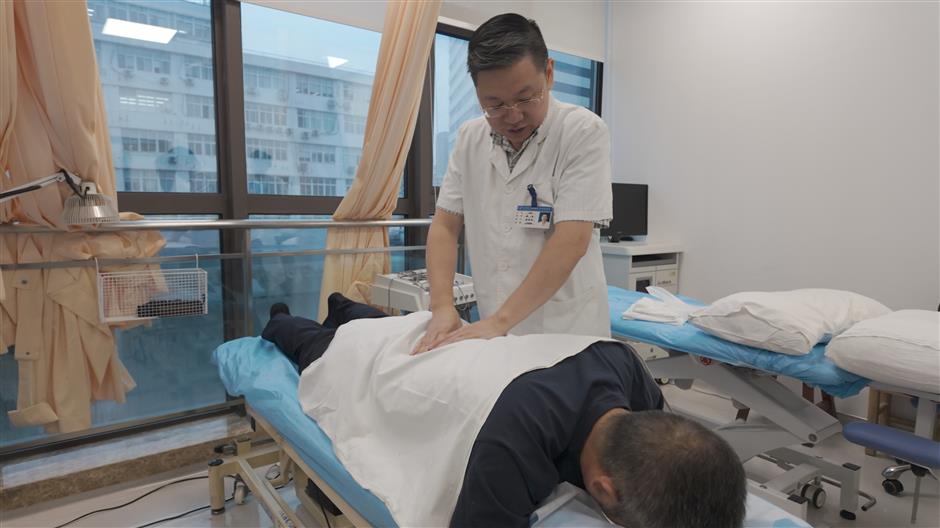
Tuina
Tuina, an ancient hands-on body treatment that is perhaps the oldest therapeutic form in Traditional Chinese Medicine (TCM), plays a pivotal role in the foundational strategies of healthcare. It's a practice that goes beyond the needles of acupuncture and the brews of herbal soups, focusing on manual techniques to prevent and control various ailments.
Dr Gong Li, vice director of tuina department at Shanghai Yueyang Hospital of Integrated Traditional Chinese and Western Medicine — recognized for having the nation's leading tuina practice — sheds light on the broad applicability of this treatment. "Tuina is mainly used to treat mobility problems, while it is also effective for pediatric and gynecological diseases. Now tuina has been involved in children's myopia, curved spine and obesity treatment along with other TCM and Western measures," he explains.
Gong further discusses tuina's extensive therapeutic range. "Young people's sports injury and elderly women's menopause as well as sub-health problems like insomnia and fatigue also can be treated by tuina," he adds.
All these leading TCM hospitals have cooperation with commercial insurance companies. Expatriates with commercial insurance can have their medical bills covered by the insurance.
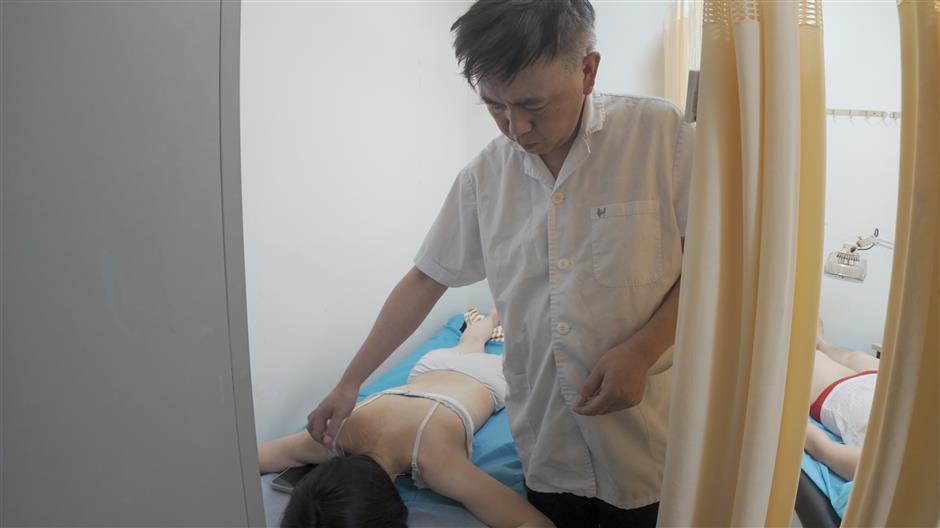
Acupuncture
Acupuncture is one of the most well-known TCM skills by the public. It has a long history and a wide adoption in disease treatment.
"Acupuncture is very effective for pain control and body dysfunction treatment. For nerve diseases, vascular diseases and gynecological diseases like stroke, Parkinson's disease and insomnia, it is also effective," said Dr Chen Yunfei, director of Yueyang's acupuncture department.
"According to the World Health Organization, acupuncture can be used on over 150 types of diseases. It is much more than the original 40 types in the beginning. There are many evidence-based researches on the mechanism of acupuncture to explain why it can reduce pain and treat disease," he said. "Most expatriate patients coming to our department for acute issues like pain, acupuncture can solve the problem very quickly."
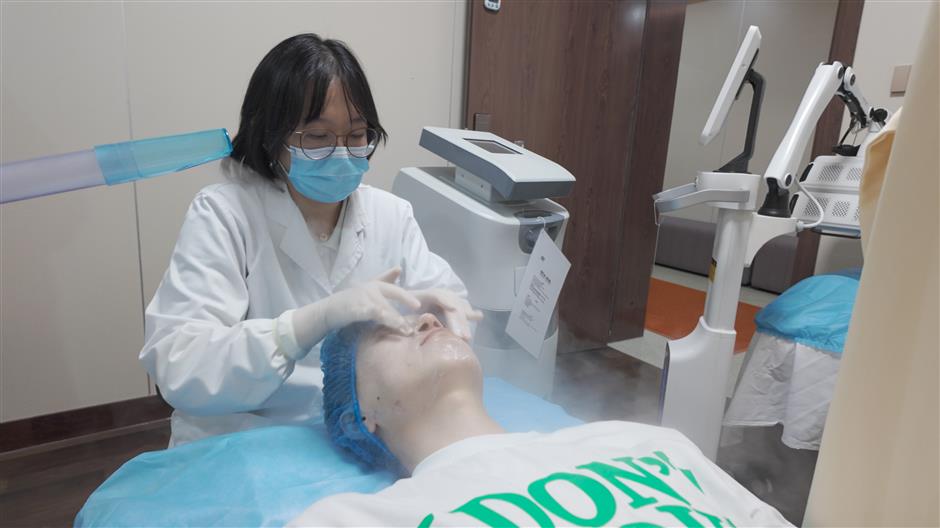
Dermatology
The integration of TCM in skin disease treatment brings many benefits to patients with skin problems.
"Apart from ordinary medicine and medical machines, we have herbal medicine and TCM-drugged facial masks for patients. Taking atopic dermatitis (a type of eczema) for instance, we can use TCM to reduce side effects caused by hormone therapy, and TCM fumigation (herbal steam therapy) can help control the symptoms," said Dr Wang Yifei, vice director of dermatology department at Yueyang Hospital.
"For psoriasis, which has a higher incidence among Westerners, we have seen good effects on such patients through combined TCM and Western therapy. TCM can show very important effects for patients who can't use biological agents (medicines made from living organisms) or hormone therapy due to issues like infection, immunity, and disease."
For common issues like acne, pigmented spots and cosmetic demand, TCM can take effects by prescribing herbal medicine to clear off "heat" and "toxins" in the body and enhance body function as well as offering skin-care therapy, he said.
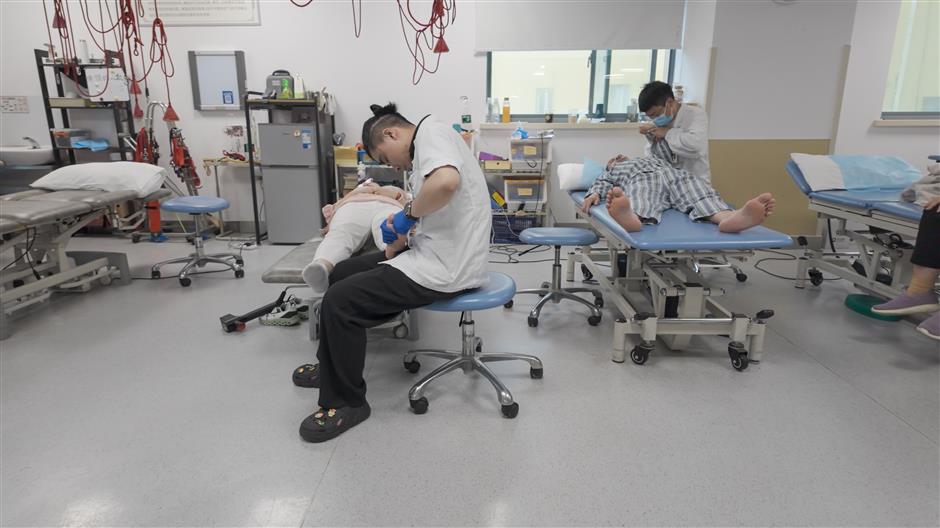
Rehabilitation
TCM isn't just about brewing up a storm with herbs or getting pinned in an acupuncture session. Over at Yueyang Hospital, their programs are a comprehensive rehab revolution, combining tuina and herbal pastes with some seriously high-tech gadgets. Think less ancient temple, more futuristic wellness lab.
Zhang Guohui, vice director of the rehabilitation medicine department at Yueyang, lays it out: "Many of our hospitalized patients are those with stroke or with surgery. Through our professional treatment plus modern and intelligent equipment such as medical robots and special training programs, many of them can regain body function to the largest extent and have a better life quality."
Rehabilitation service for post-surgery care such as fractures is 300 yuan per time and the treatment period is usually one to three months and one to two times each week.
For patients with stroke, rehabilitation programs are tailored to address various dysfunctions such as mobility, language, cognition, and swallowing difficulties. Each rehabilitation session typically costs around 800 yuan. Due to the severity of stroke symptoms, the duration of treatment can be prolonged.
The common hospitalization period for stroke patients is approximately three weeks, with an average expense of about 20,000 yuan.
But it's not just those with severe conditions who find relief. The department's doors swing constantly with day-to-day damage — sore necks, aching shoulders, creaky backs, and the sports injuries of weekend warriors. "In outpatient service, most people are those with pain in the neck, shoulder, waist, and back as well as sports injuries. I have received some expatriate patients who registered in our department by accident and had very good effects after undergoing treatment," Zhang notes, reflecting on the surprising and delightful effectiveness of their methods.
If you're an expat in Shanghai and have been a little curious about TCM... this might be the city to try it out.