Depression, anxiety, suicide: Mental health in SH
Living in a city like Shanghai is like stepping into the future every day, surrounded by innovation, energy and the relentless drive for progress. But it is also a place of relentless hustle with the energy of millions chasing success.
But with all that forward momentum, there comes a certain kind of pressure, a demand on the mind and spirit that's unlike anything else. But beneath the shiny veneer, there's another story — a quieter, more desperate one. And for many, especially the young, the educated, those who are tuned into the world around them, this pressure creates a need — a need to connect, to talk, to seek help in navigating the complexities of modern life.
This is an important read, because mental health can not only effect your ability to concentrate, but poorly managed issues can lead to extreme tragedies such as suicide.
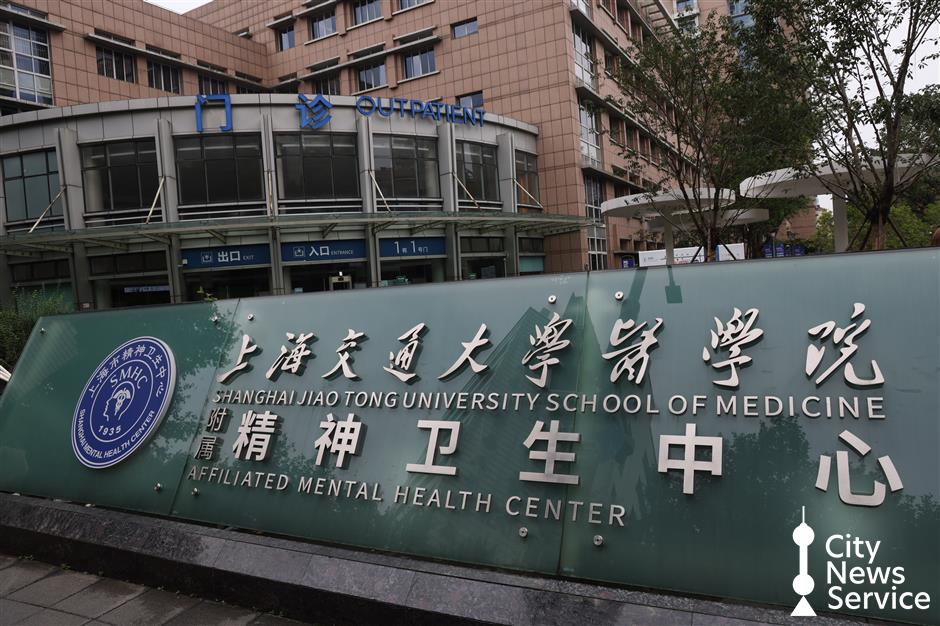
Shanghai's response to this need is remarkable, offering a blend of tradition and cutting-edge innovation in mental health care. In the public sector, you have institutions that are the backbone of the city's health-care system, like the Shanghai Mental Health Center. Located at 600 Wanping Road in Xuhui District, this center isn't just a facility — it's a beacon of hope, a place where the best minds come together to tackle the most challenging mental health issues. It's a place where language barriers fall away, with bilingual experts ready to guide you through whatever you're facing.
And it doesn't stop there. Across Shanghai, public hospitals in every district have mental health departments, each one connected to a network of commercial insurance partnerships. This isn't just about treating mental health; it's about making sure that every person in this vast city has access to the care they need, when they need it, without worrying about the financial burden.
The cost in public hospitals are relative low, as the outpatient and hospitalized fees are covered by the state-owned medical insurance system. In the public sector, the fee is charged in line with the level of the hospital (city, district and community level) instead of different types of hospitals. The cost is paid by the insurance system and the patient through certain proportions.
The outpatient registration fee varies in ordinary, expert and VIP clinics. The VIP clinics are not covered by the government-run medical insurance and the charge is usually several hundreds to over 1,000 yuan per time.
Private Sector Hospitals and Clinics
But let's think differently for a moment. Beyond the public sector, Shanghai offers a different kind of experience in the private sector, where international hospitals like Parkway, United Family and Am-Sino are redefining what mental health care can be. These places aren't just about providing treatment; they're about creating environments where patients feel at ease, where the quality of care is matched by the quality of the surroundings. In these hospitals, you'll find doctors from all over the world, each bringing a unique perspective, each offering care in multiple languages. For expatriates, this can be transformative — having a doctor who understands not just your language, but your culture, and your way of thinking, can make all the difference.
The costs in international hospitals and clinics are high. The per-time service is about 2,000 yuan or higher.
Medications Available in Shanghai
Medicines in public hospitals are those being approved by the Chinese government and being included into the government-run medical insurance system's purchase platform through public bidding. Some imported medicines may not be available in public hospitals, which have domestically made medicines with the same chemical compound.
People who want to get refill of their previous medicines can visit the hospitals for consultation.
Such medicines may be available in private hospitals and clinics, which are covered by the government-run medical insurance system.
The Triggers
- Adjustment Pressure: Moving to China is more than just a change in scenery. It's a shift in reality. The new culture, the different work environment and the unfamiliar customs — all hit at once. When these pressures pile up, anxiety and depression can creep in, often unnoticed at first, until they become overwhelming.
- Work Competition: Shanghai doesn't slow down for anyone. The pace is relentless, the competition fierce. In the race to keep up, the pressure builds. Some handle it. Others crack. Prolonged stress at work isn't just a matter of being tired; it can spiral into anxiety and depression, gnawing away at your well-being.
- Identity Crisis: Who are you in this new place? For many, moving to Shanghai means not just adjusting to a new city, but also wrestling with questions of self. The struggle to fit in, to find a place in a culture that's not your own, can leave you feeling lost, unsure of where you belong.
- Economic Pressure: Shanghai is expensive. The cost of living, the imbalance between what you earn and what you need — it all adds up. And with that comes the weight of financial stress, another trigger that can set off a cycle of anxiety and unease.
- Fast-Paced Lifestyle: Time moves quickly here, too quickly sometimes. The rush of the city, the constant need to balance work with life — it can leave you breathless. This relentless pace, with little room to pause, can drive anxiety deep into your bones, leaving you feeling trapped.
- Health Issues: The stress isn't just in your head. It manifests in your body, too. Long hours, poor habits — they take their toll. Physical health declines, and with it, mental health. It's a vicious cycle, one that feeds on itself, pushing you further into a corner.
- Fast-paced Lifestyle: The rapid pace of life in Shanghai may make people feel that they don't have enough time, struggling to balance work and personal life, which can lead to anxiety and depression. Health issues: Long-term work pressure and unhealthy lifestyle habits can result in physical and mental health problems, further increasing psychological stress.

The Types of Battles that Patients Deal With (Symptoms and Risks):
Patients often come with a range of concerns, each rooted in their lived experiences and emotional battles. Here are the most common questions they bring to the table:
- Emotional Fluctuations: "Why do I feel this way?" People often ask about their persistent low moods or sudden shifts to unusually high spirits. They want to understand why their emotions can swing so dramatically and frequently, leaving them feeling out of control.
- Impact on Daily Life: "Is this normal?" When emotional struggles start to interfere with everyday life — like not being able to concentrate, experiencing memory lapses, or avoiding social interactions — patients wonder if what they're going through is a sign of something more serious.
- Self-Harm: "How do I make it stop?" Those wrestling with thoughts of suicide or self-harm, or who feel an overwhelming sense of despair about the future, often reach out, seeking answers and a way to regain hope.
- Deep Inner Pain and Conflict: "Why does it hurt so much?" In the safe space of counseling, people confront buried emotions — anger, shame, sadness — that they've pushed down in their daily lives. They want to understand and find relief from this deep-seated pain, seeking clarity and peace.
What About Children and their Mental Health?
Children experience mental health issues as well. And for parents, who love and care for their children, this can be an especially scary thing to tend to... far from home. But you are not alone. And there are resources. Parents, you may be able to relate to dealing with some of these in children. We place this list hear to codify concerns, and to put words to things you we may not even realize we are dealing with.
- Depression: Parents fear the weight of depression on their children — the persistent sadness, loss of interest and low energy that can sap their joy and motivation. They worry about how this might affect their child's academic performance, social life, and overall quality of life. The darkest fear is that these feelings could lead to thoughts of self-harm or suicide.
- Anxiety Disorders: Anxiety disorders like Generalized Anxiety Disorder, Social Anxiety Disorder and Panic Disorder can dominate a child's life with excessive worry, fear, or tension. Parents are concerned that these overwhelming feelings could hinder their child's learning and disrupt daily activities, especially when stress levels are high.
- Attention-Deficit/Hyperactivity Disorder (ADHD): ADHD is another major concern, marked by inattention, hyperactivity and impulsivity. Parents worry about how these symptoms might interfere with their children's ability to focus in school, control their behavior, and build healthy social relationships.
- Autism Spectrum Disorder (ASD): Autism brings its own set of challenges. Parents of children with ASD often worry about their children's social and communication skills, as well as their ability to navigate the world independently in the future.
- Substance or Alcohol Abuse: Yes, this can happen, even in Shanghai. The potential for substance or alcohol abuse is a significant concern. Parents fear the psychological and physical toll this could take on their children, affecting their education, social interactions, and long-term prospects. The idea that their child might turn to substances as a coping mechanism is a source of profound anxiety.
Pregnant? Pre-Natal and Post-Natal Mental Health Support is a Real Thing in Shanghai
For example, at Am-Sino Healthcare, doctors go beyond standard care by offering mental health support specifically for pregnant women, who often face emotional challenges during and after pregnancy.
Experts note that depression and anxiety are common in early pregnancy, often triggered by physical discomfort and concerns about the baby's health. As pregnancy progresses, any irregular prenatal results can cause mental instability, and fear of delivery becomes a major concern in the later stages.
Timely and effective mental guidance is crucial, helping to reduce anxiety during pregnancy and addressing postpartum depression, ensuring better mental well-being for mothers.