YRD demonstration zone unveils plan for 7 ancient towns
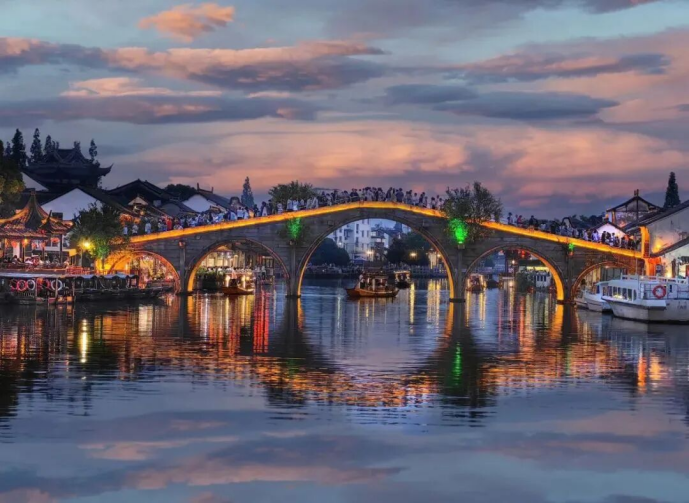
The executive committee of the demonstration zone for green and integrated ecological development of the Yangtze River Delta, together with Qingpu district in Shanghai, Wujiang district in Suzhou, Jiangsu province, and Jiashan county in Zhejiang province, has issued a guideline to promote the coordinated development of seven national-level historical and cultural towns in the zone: Zhujiajiao, Jinze, Liantang, Tongli, Lili, Zhenze, and Xitang.
Targets by 2030
By 2030, the cluster of ancient towns is expected to become a top choice for tourists in the Yangtze River Delta region and a premier gateway for inbound travelers.
The guideline emphasizes leveraging the shared cultural roots of these towns while balancing collective branding and individual character. The unified brand is "poetic Jiangnan, dreamy water towns", while each town is encouraged to develop its own distinct identity:
- Zhujiajiao: Positioned as the first stop for inbound tourists visiting China's ancient towns.
- Liantang: Renowned for its revolutionary heritage, ancient architecture, and green ecology.
- Jinze: Celebrated as the "No 1 bridge town in Jiangnan".
- Tongli: Home to the UNESCO-listed Retreat and Reflection Garden and a section of the Grand Canal.
- Lili: A quiet, artistic town with numerous museums and cultural venues.
- Zhenze: A silk town with a thousand-year history of sericulture.
- Xitang: A hub for hanfu (traditional Chinese clothing) and traditional Chinese opera.
Key initiatives
- Brand co-promotion: Jointly promote the "poetic Jiangnan, dreamy water towns" brand and organize media tours to enhance the region's cultural tourism appeal.
- Heritage co-protection: Support the joint application of towns including Tongli, Zhenze, Lili, and Xitang for UNESCO World Heritage status as an ensemble of Jiangnan water towns.
- Platform co-construction: Deepen integrated cooperation and build a shared platform for inbound tourism, aiming to be the "first stop for inbound travelers".
- Mechanism integration: Co-host cultural and tourism events to boost consumption, improve the transport network connecting the towns, and design multi-stop, in-depth tour routes.
- Benefit sharing: Encourage homestays in the ancient towns to help support major regional events, introduce a joint pass for the ancient town cluster, and include the towns in various YRD tourism annual passes.
- Resource support: Introduce a public-interest fund for ancient town protection and development and encourage broader participation in their preservation and development.
Ancient towns in Shanghai
Zhujiajiao
Located on the shores of Dianshan Lake in Qingpu district, Zhujiajiao is a nationally recognized historical and cultural town. Known as the "Venice of Shanghai", it serves as a key gateway for inbound tourism to China's ancient towns, recording 2.27 million inbound tourist visits in 2025.
The town's food scene is a highlight, featuring local favorites such as sweet rice dumplings, braised pork, and crispy fried snacks. Zhujiajiao preserves 13 items of intangible cultural heritage, including folk songs, boat boxing, and fast-boat rowing. The town also offers an immersive virtual reality experience, allowing visitors to explore landmarks such as Baoguo Temple and the rural scenery of Zhangma village from a new perspective.
Jinze
Jinze is situated in the southwest of Qingpu district, bordering Suzhou's Wujiang district. Its bridges span four dynasties, from the Song (960-1279) to the Qing (1644-1911). The town has preserved its authentic local character, with few chain stores, making it an ideal destination for travelers seeking a quieter, more authentic experience.
Food lovers will find plenty to enjoy here. Local specialties include juicy meat-filled steamed dumplings and the lightly sweet Zhuangyuan cake.
Liantang
Located in southwestern Qingpu district, Liantang Ancient Town offers a mix of revolutionary heritage, historical architecture, and ecological scenery. It has developed tourism routes connecting sites of historical and cultural significance.
Local specialties include water bamboo and pork-filled dumplings and Liantang rice cakes. Visitors can also explore intangible heritage crafts, such as water bamboo leaf weaving and fabric dyeing.
Ancient towns in Jiangsu and Zhejiang
Tongli (Jiangsu): Home to the UNESCO-listed Retreat and Reflection Garden and a section of the Grand Canal, Tongli is known for its classical gardens, intangible heritage experiences, and traditional cuisine, including braised pork knuckles and crab roe noodles.
Lili (Jiangsu): Known for its quiet, artistic atmosphere, Lili features 12 ancient bridges and more than 100 lanes. The town is home to numerous museums and is famous for its spicy chicken feet and a unique pear blossom-inspired styling experience.
Zhenze (Jiangsu): With a history of sericulture spanning a millennium, Zhenze is a silk town where visitors can learn about silk production and taste a mulberry-themed banquet.
Xitang (Zhejiang): Located at the junction of Jiangsu, Zhejiang, and Shanghai, Xitang is famous for its hanfu culture and traditional Chinese opera. The town hosts an annual hanfu culture week and is home to many hanfu-themed shops and studios. Visitors can also explore a variety of intangible cultural heritage crafts, including traditional Chinese knot-button making, woodblock printing, and tile rubbing.
Sources: Shanghai Municipal People's Government, Shanghai Municipal Administration of Culture and Tourism, ancient towns mentioned above