Chongming recipe blends geographical indications with rural vitalization
Chongming Island in Shanghai is demonstrating how geographical indication products can drive rural vitalization, as a landmark-themed banquet highlights local specialties while showcasing ecological advantages that increasingly attract both domestic and international visitors.
Situated at the Yangtze River estuary, Chongming is China's largest artificial saffron-growing area, with about 66.67 hectares under cultivation annually, and serves as Shanghai's key source of rice and vegetables.
An event to savor Chongming and its origins was recently held at the Shanghai Flower Expo State Guest Hotel. It featured a full banquet made entirely from local geographical indication ingredients, highlighting the deep integration of geographical indications with tourism.
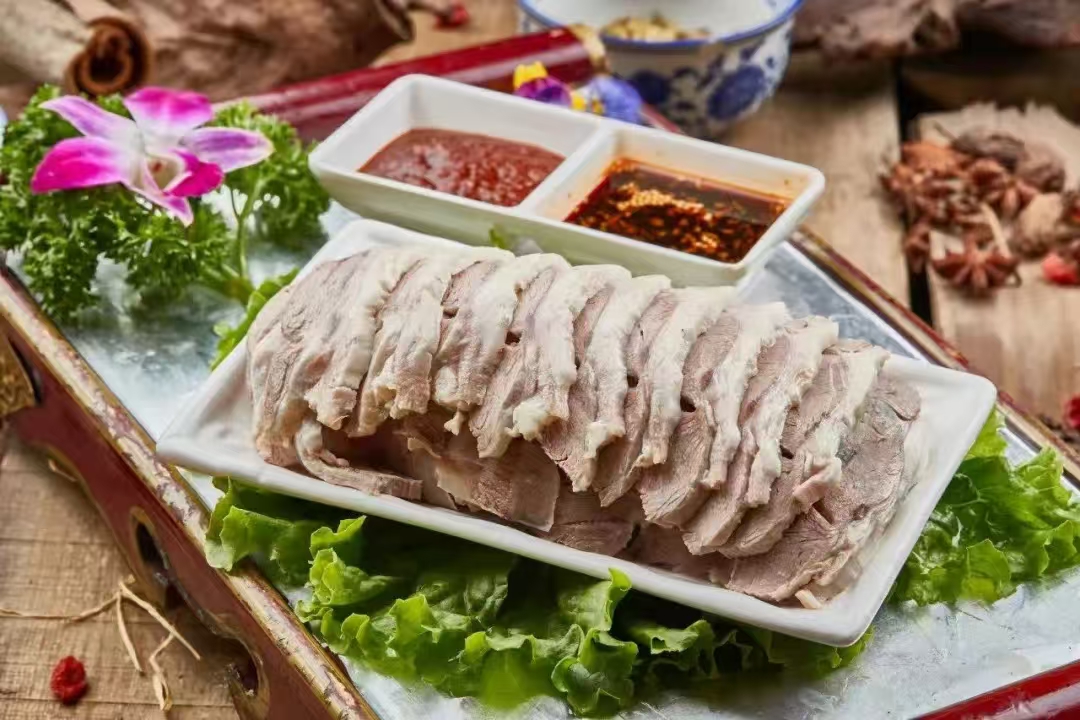
Dishes such as Chongming taro with flat beans, braised Chongming white goat, and freshly pressed sweet reed juice reflected flavors shaped by the island's local soil, climate, and culinary traditions developed over centuries.
Chongming currently has nine geographical indication certification trademarks and six protected geographical indication products, accounting for 36.58 percent of Shanghai's total, with nearly 70 enterprises authorized to use official geographical indication labels.
A new generation of farmers is revitalizing traditional agriculture through technology and innovation, improving quality, standardization, and market reach for products including Chongming Laobaijiu rice wine and Chongming white goat.
Since its development as China's National Geographical Indication Product Protection Demonstration Zone in 2023, Chongming has strengthened protection, utilization, and promotion, positioning geographical indications as a catalyst for industrial upgrading and sustainable rural development.
Source: Shanghai Intellectual Property Administration