Xinzhuang, where global investment takes root
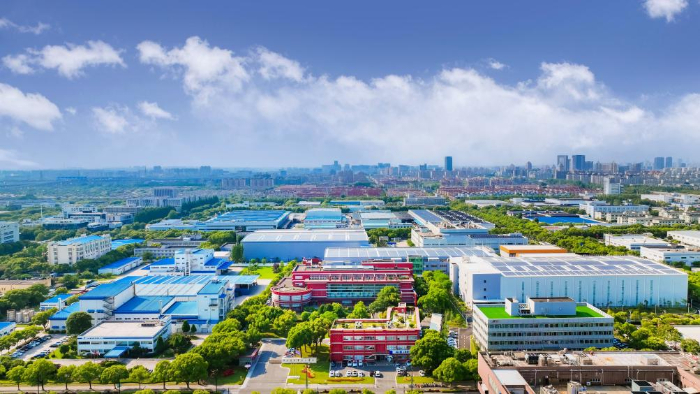
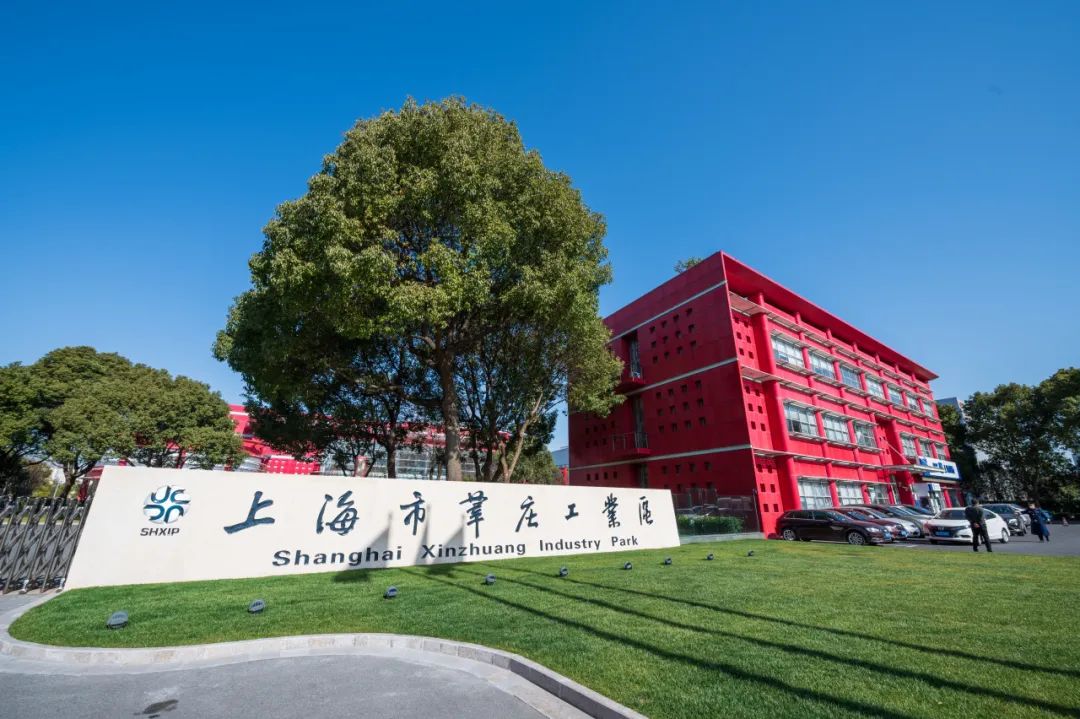
The Xinzhuang Industry Park in Shanghai's Minhang district has evolved over three decades from farmland into a hub for foreign investment.
Spanning 17.88 square kilometers, the park has become a testament to the synergy between foreign investment and regional development, drawing nearly 600 foreign-invested companies and 58 members of the Fortune Global 500.
It also hosts 20 regional headquarters of multinational corporations and 30 foreign-funded research and development centers, shaping an environment where global and local strengths complement each other.
Success stories
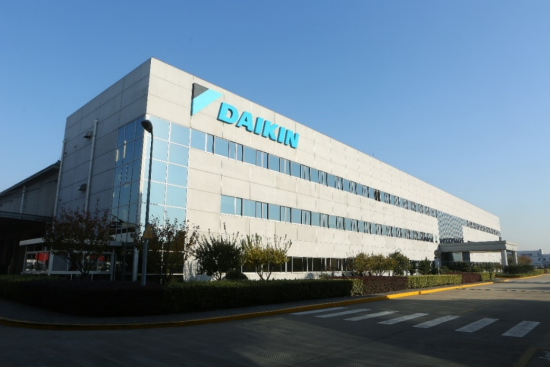
The park's rise began in the winter of 1995 when the Japanese air conditioning conglomerate Daikin Industries Ltd drove its first pile into the soil to build what would become the world's largest variable refrigerant volume air conditioning production base.
That same year, the US-based multi-industry manufacturer Illinois Tool Works Inc sent Wang Xunbiao to Shanghai to establish a new company producing plastic parts for automobiles under challenging conditions.
The experience of early pioneers such as Daikin and ITW reflects the resilience and innovation that defined Xinzhaung's evolution.
Daikin's journey illustrates the broader narrative. Starting with almost no infrastructure, the company's China network has grown to 33 firms, 19 production bases, and over 20,000 employees.
Xinzhuang's supportive policies and business environment have been instrumental. According to Daikin China executives, the stability has enabled the company to focus on technological innovation and market expansion.
Similarly, the Shanghai-based ITW Plastic & Metal Co Ltd has become a key player in the automotive supply chain, known for its high-quality plastic components.
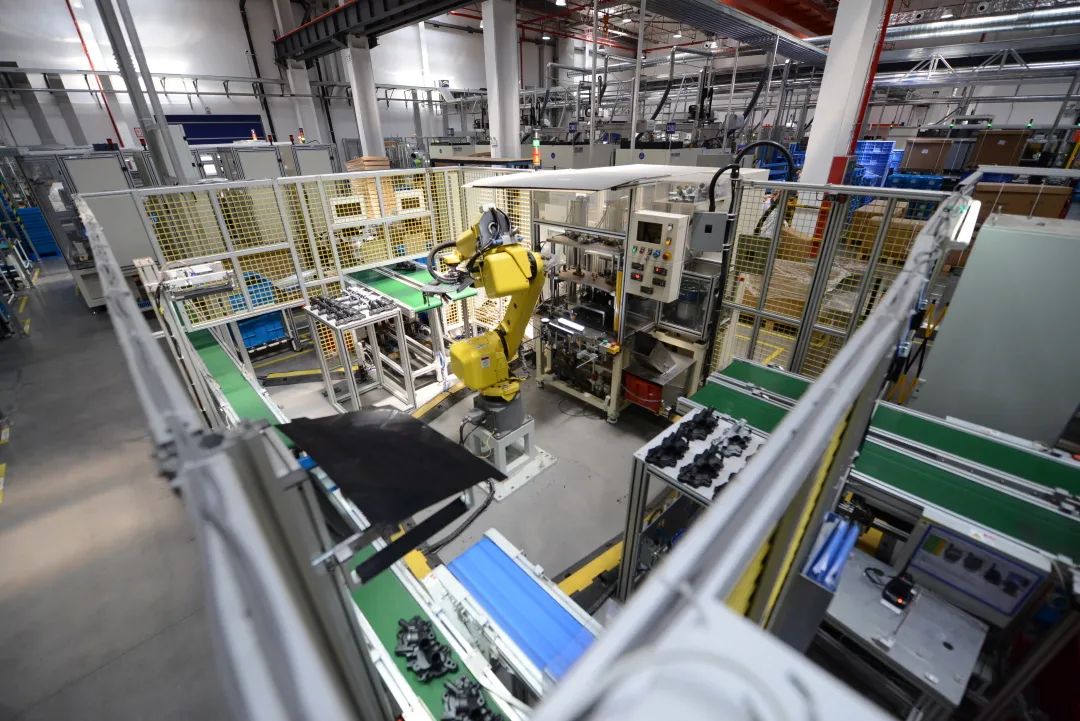
General Manager Wang Xunbiao recalls the early days of starting from scratch, with no facilities or workforce, only a startup fund.
With the park's backing, the company has expanded its factory area four times and now records an annual output value of 3.5 billion yuan ($490.15 million).
The park's appeal reaches far beyond individual success stories. It has attracted a diverse range of industries, from high-end manufacturing to specialty chemicals.
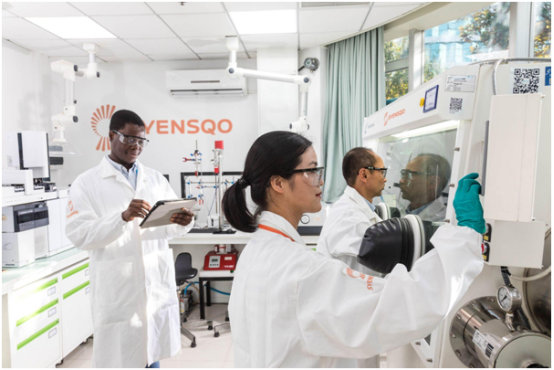
In 1997, Belgium's chemical giant Solvay built its first office building in Xinzhuang. Today, Syensqo, a high-performance materials and specialty chemicals company spun off from Solvay, operates a 13,000-square-meter R&D center there, advancing materials for new energy vehicles and smart devices.
Innovation ecosystem
Although it covers only five percent of Minhang's land area, the park generates 30 percent of the district's industrial output.
Its growth rests on a "3+X" industrial system, centered on high-end equipment, biomedicine, and automotive-related industries, complemented by electronic information, green technology, and new materials.
This strategy has propelled Xinzhuang from a manufacturing hub into a fully-fledged "innovation ecosystem".
Xinzhuang's transformation is not just about economic growth, but also about creating a vibrant community for businesses to innovate and expand.
"We focus on all the essential elements needed for enterprise development, including markets, platforms, talent, and capital. Our goal is to create a first-class business environment where companies can be attracted, retained, and nourished," noted Lin Yi, executive deputy director of the park's management committee.
"Through innovative mechanisms such as 'industrial alliances, dedicated teams, investment funds, and specialized bases', we are striving to build industrial clusters at the 10-billion-yuan and even 100-billion-yuan level," Lin added.
Source: Minhang district government