Putuo-based research institute achieves breakthrough in boron-10 isotope production facility
China has announced the commissioning of the world's largest hundred-ton-scale production facility for high-abundance boron-10, a strategic isotope essential for nuclear power and advanced medical fields.
The project was jointly developed by the Shanghai Research Institute of Chemical Industry Co (SRICI) based in Shanghai's Putuo district and Shandong Heyi Gas Co in Dongying, a city in East China's Shandong province.
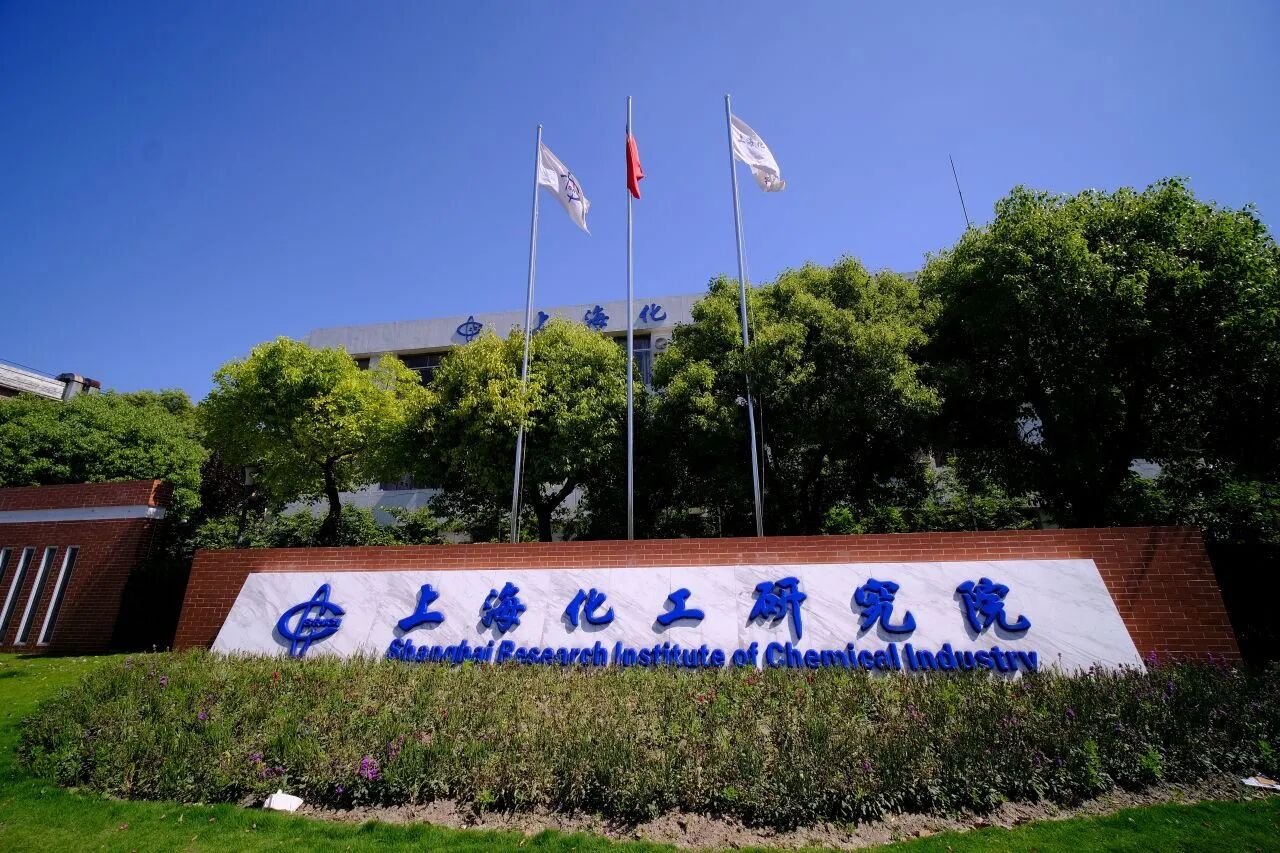
With the highest enrichment level reaching 99.7 percent, this milestone meets the core needs of China's independently developed third-generation nuclear power unit, "Hualong One", and marks a major breakthrough in the domestic production of a strategic isotope long dominated by overseas suppliers.
"Hualong One", with a rated capacity of 1.2 million kilowatts, relies heavily on high-abundance boron-10 isotopes. According to Wu Gaosheng, deputy director of the Department of Fine Chemicals of SRICI, large-scale stable production of boron-10 had eluded China until now, with few countries—including the United States and Japan—previously possessing the technology.
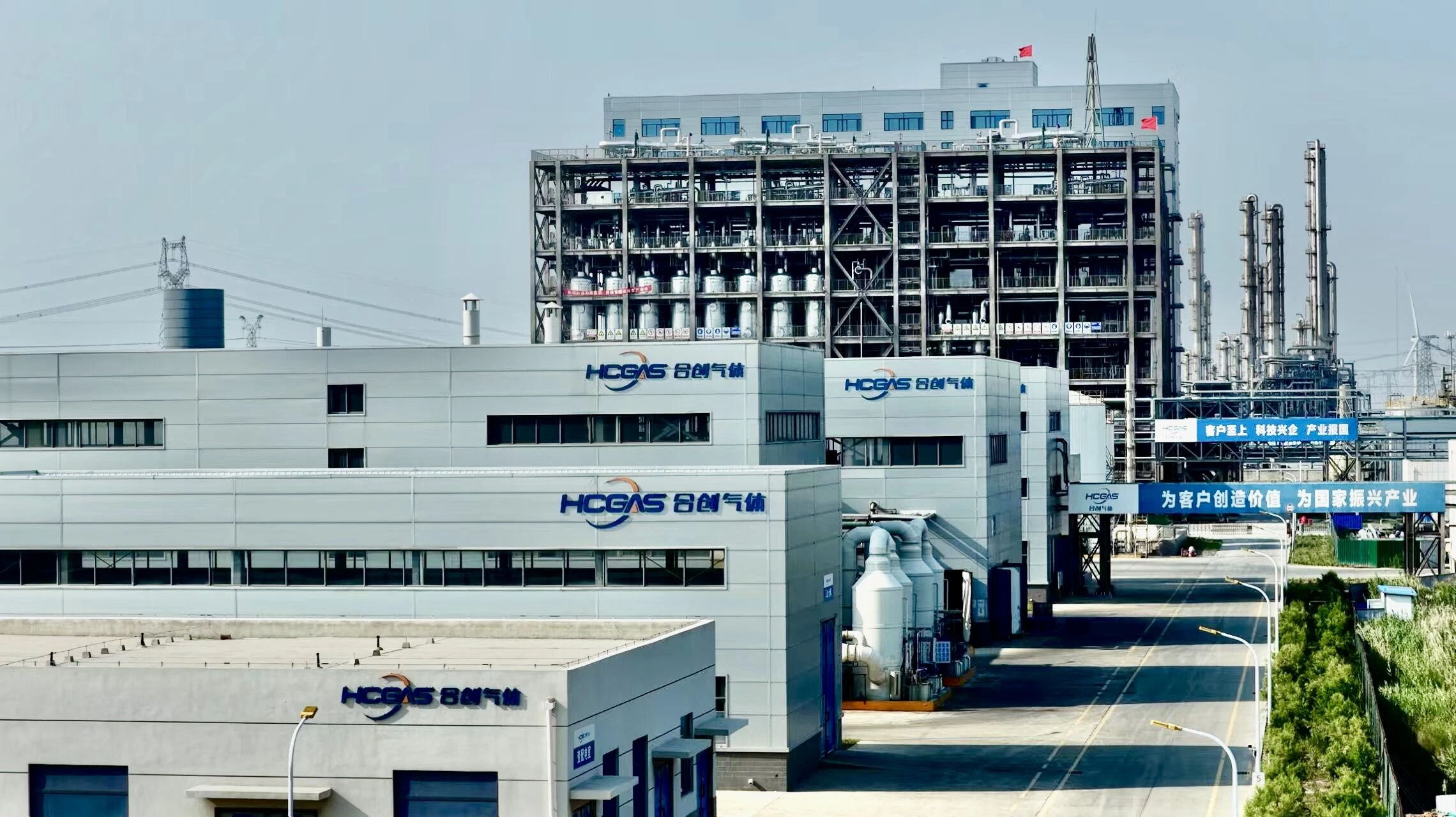
The project, leveraging years of isotope separation expertise, began in 2020. In May of this year, the facility in Shandong achieved full production, yielding 25 tons of qualified product with enrichment levels reaching 99.7 percent. This rapid development was facilitated by a partnership with Shandong Heyi Gas Co, combining research and industrial strengths.
In 2025, the institute showcased its progress at a high-value patent operation competition organized by Putuo district, fostering collaboration with Nanjing Zhongpeng Medical Devices Co. This partnership aims to apply boron-10 in precise medical treatments, particularly in cancer therapy, marking a significant step forward in both the nuclear and medical industries.
Source: Official WeChat account of Shanghai Putuo Media Center