Discover the past and present of Haipai Hongkou
Haipai culture, a phenomenon unique to Shanghai, emerged out of the fusion of traditional Chinese culture and Western industrial civilization. It is characterized by openness, diversity, inclusiveness, and innovation.
Hongkou district stands as a testament to this cultural evolution, being the birthplace of China's first commercial railway, as well as the site of the first public telephone and electric light.
The district is a treasure trove of historical residences and cultural heritage sites, thus earning it the titles of "birthplace of Haipai culture", "source of advanced culture", and "gathering place of cultural celebrities".
As you stroll through the streets of Hongkou, the charm of Haipai culture is ever-present. Explore these recommended spots and uncover the history and modernity that defines the district.

The Inlet
Located within the Hongkou Bingang commercial center, The Inlet is a unique space that blends historical charm with modern fashion. This area encompasses eight alleys, 60 Shikumen houses (brick and wooden houses with Western influences), and several century-old buildings of remarkable architectural significance.
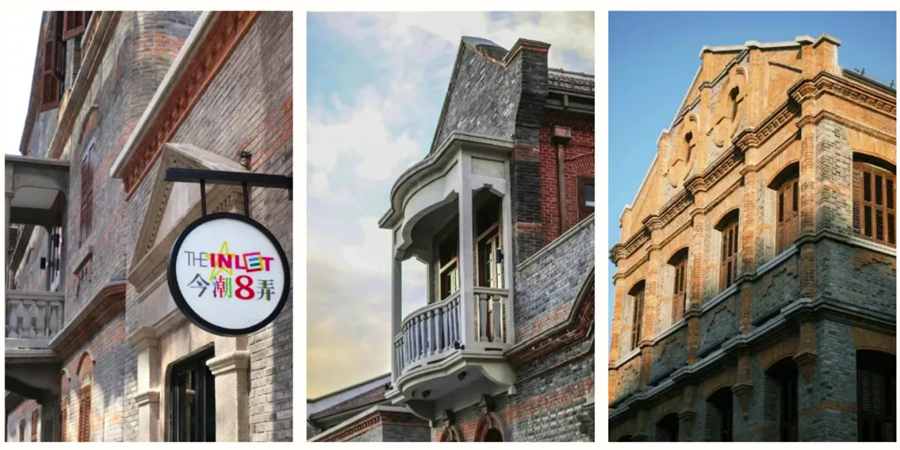
The Shanghai Haipai Culture Center is situated at The Inlet. Once the Royal Hotel, it now serves as a comprehensive public cultural platform, offering research, exhibitions, digital interpretation, and social exchange. It has been recognized as one of Shanghai's "new art spaces".
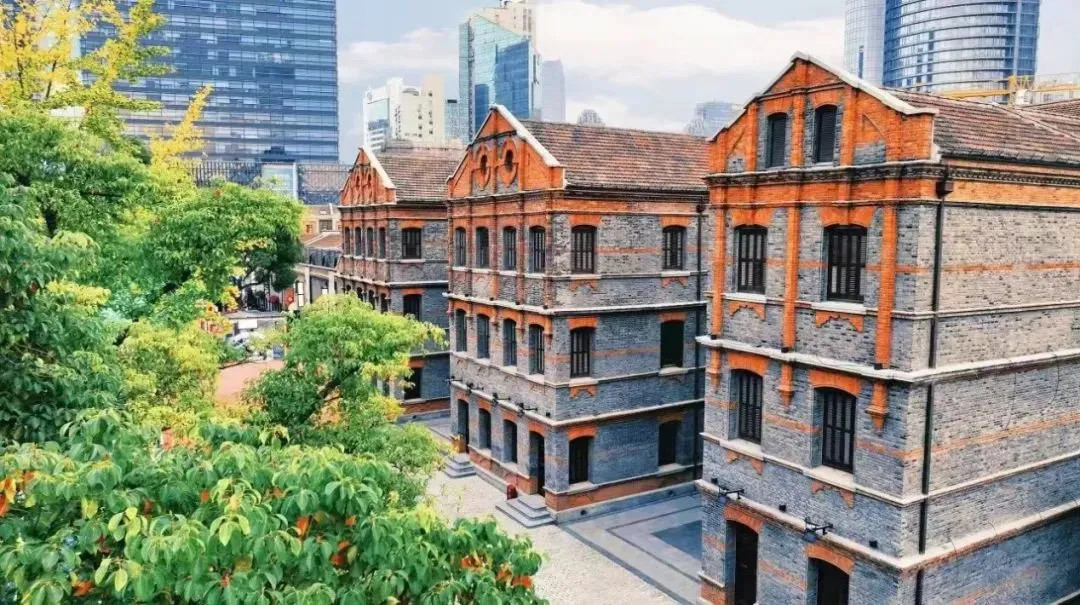
Address: No 35-95 Alley 989, North Sichuan Road
Duolun Road cultural celebrity street
Spanning just 550 meters, Duolun Road is lined with over 20 mansions and villas showcasing a variety of architectural styles, including British, French, Japanese, Dutch, Spanish, Islamic, and Sino-Western influences.
This street was once home to literati and social elites such as Lu Xun, Mao Dun, Guo Moruo, Xia Yan, and Zhang Aiping. It is an "open-air museum" of Haipai architecture.
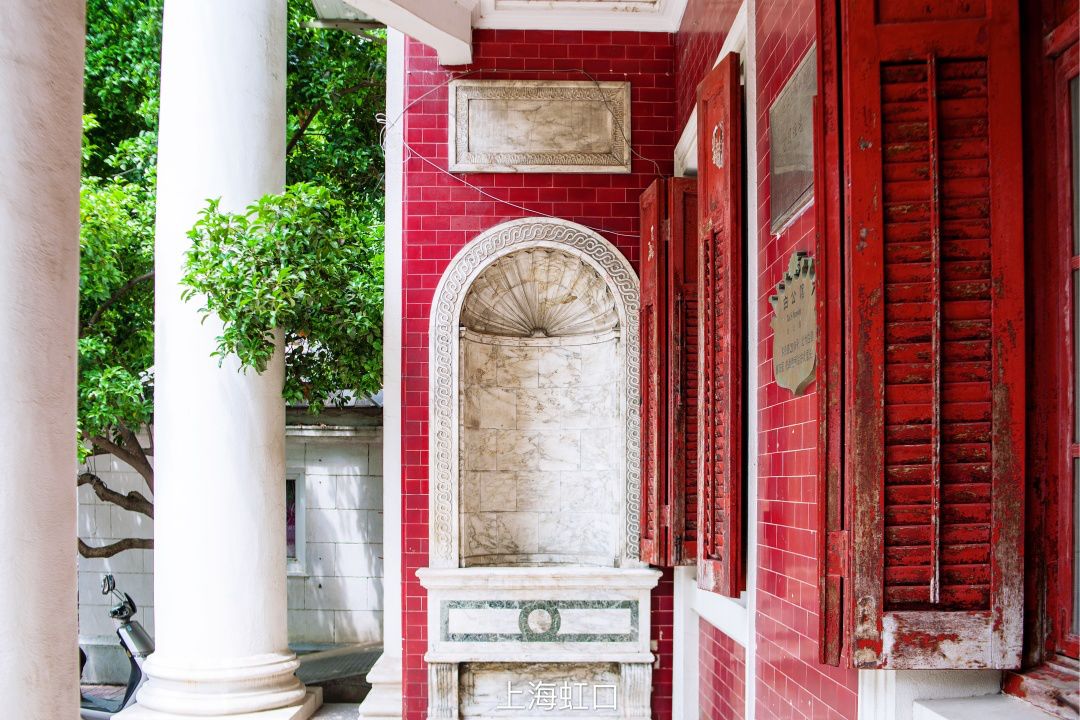
Address: Duolun Road
1933 Old Millfun
Originally a slaughterhouse designed by a British architect in 1933, this place is now a creative art-industry hub. Its architecture blends Eastern and Western elements, with an overall design inspired by ancient Roman basilicas and a structure reflecting traditional Chinese feng shui principles. The varied levels and winding corridors reveal the building's unique charm under any light, at any time, from any angle.
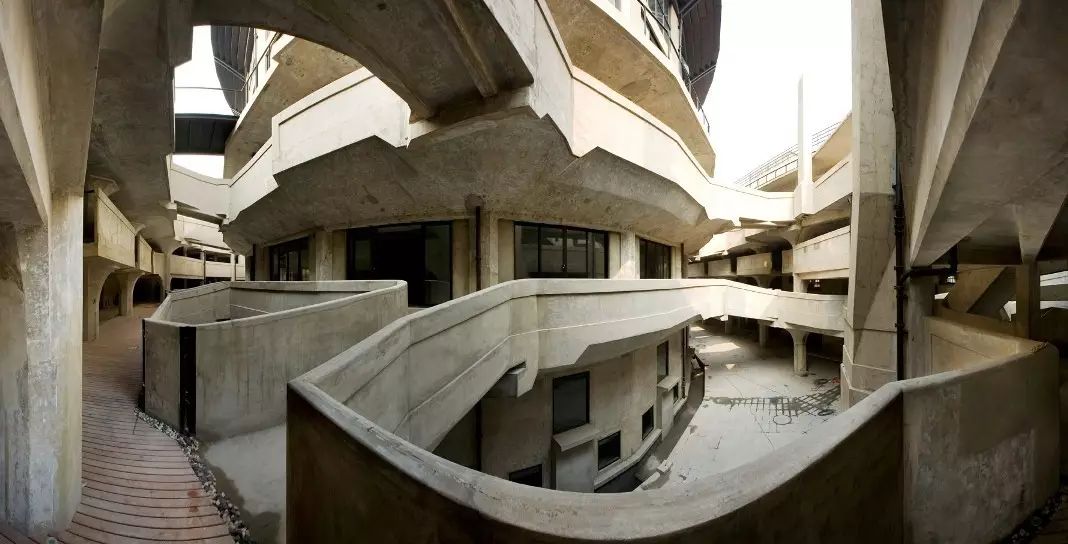
Address: No 611 Liyang Road
North Bund
One of the most captivating symbols of Hongkou, the North Bund along the Huangpu River intertwines memories of the old city with visions of the future. As a core area for Shanghai's shipping and financial center, the North Bund forms part of Shanghai's "golden triangle" of international economy, finance, and shipping, alongside the Bund and Lujiazui area.
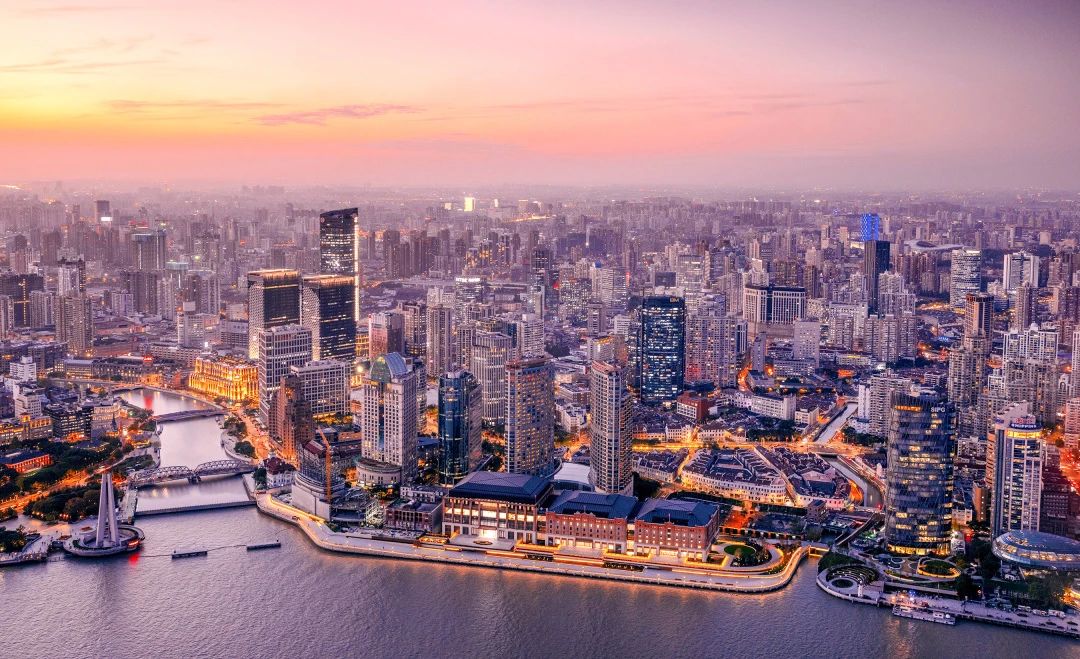
Celebrating the North Bund's fifth anniversary of renovative development, Hongkou district is hosting a series of tourism activities from May 15 to June 15, offering visitors the chance to collect exquisite stamps as travel souvenirs at the Hongkou district tourist service center.
Explore these must-visit spots in the North Bund and experience its distinctive fusion of modern landscapes and Haipai charm.
Former site of Lester School and Henry Lester Institute of Technical Education
Funded by British architect and philanthropist Henry Lester, the former Lester School and Henry Lester Institute of Technical Education is now the Design Innovation Institute Shanghai.
As you wander through the campus, you'll effortlessly uncover historical nuances. The shield-shaped carvings on the main building's portico, adorned with motifs of scientific instruments and machinery, symbolize the original architecture, civil engineering, and mechanical engineering departments.
The campus buildings, with their blend of British Gothic Revival and Art Deco styles, are an essential part of Shanghai's architectural heritage.
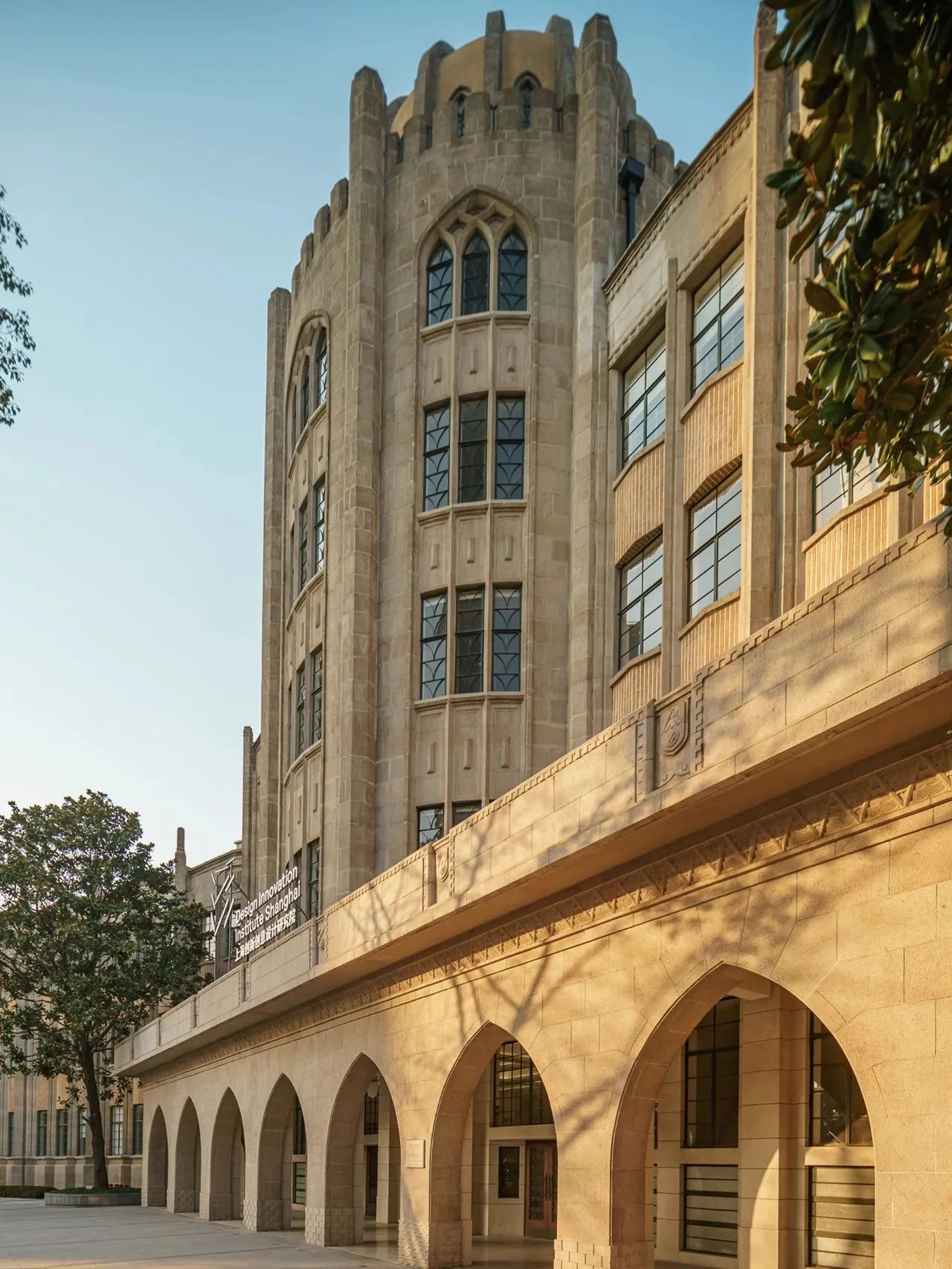
Address: No 505 Dongchangzhi Road
The Stage observation deck
A new landmark in Shanghai, the 360-degree observation deck atop the North Bund's Sinar Mas Plaza offers breathtaking views from 320 meters high. It overlooks the historical grandeur of the Bund, the modern pulse of Lujiazui, and the North Bund's vibrant future. Here, Shanghai's past, present, and future intertwine, reflecting the city's grand narrative like a prism of time.
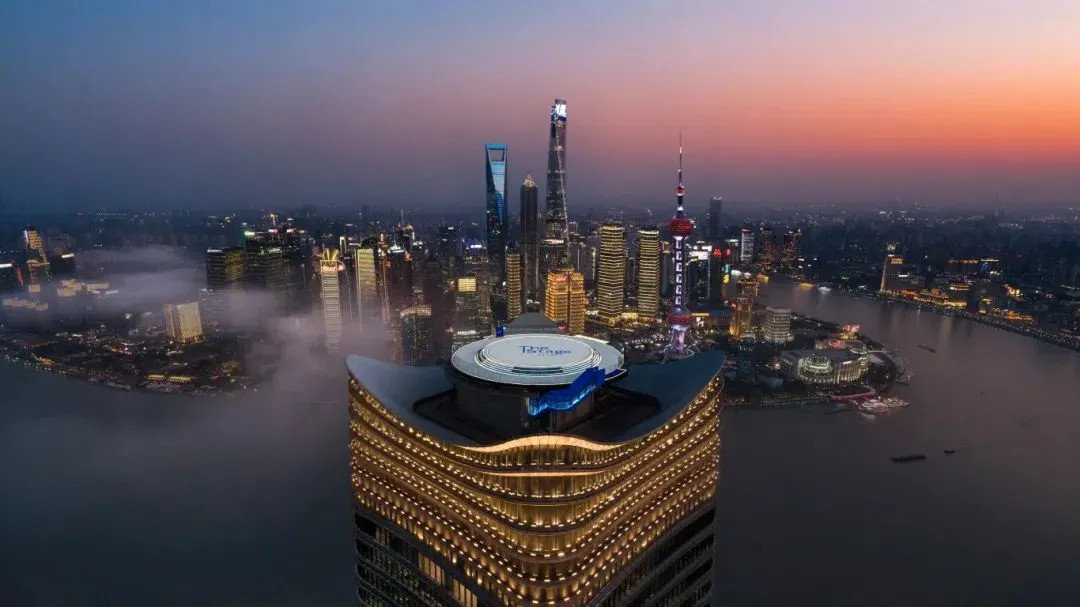
Address: Sinar Mas Plaza, No 501 Dongdaming Road
The Grand Halls
Located at the confluence of the Huangpu River and Suzhou Creek, the Grand Halls serves as a premier venue for hosting major international events and is a burgeoning hub for global resource allocation.
Spanning 99,000 square meters and comprising three heritage buildings, it offers panoramic views of the Bund's dense architecture and Lujiazui's glittering skyline. Here, visitors can experience Shanghai's Haipai spirit, embracing diversity and inclusiveness.
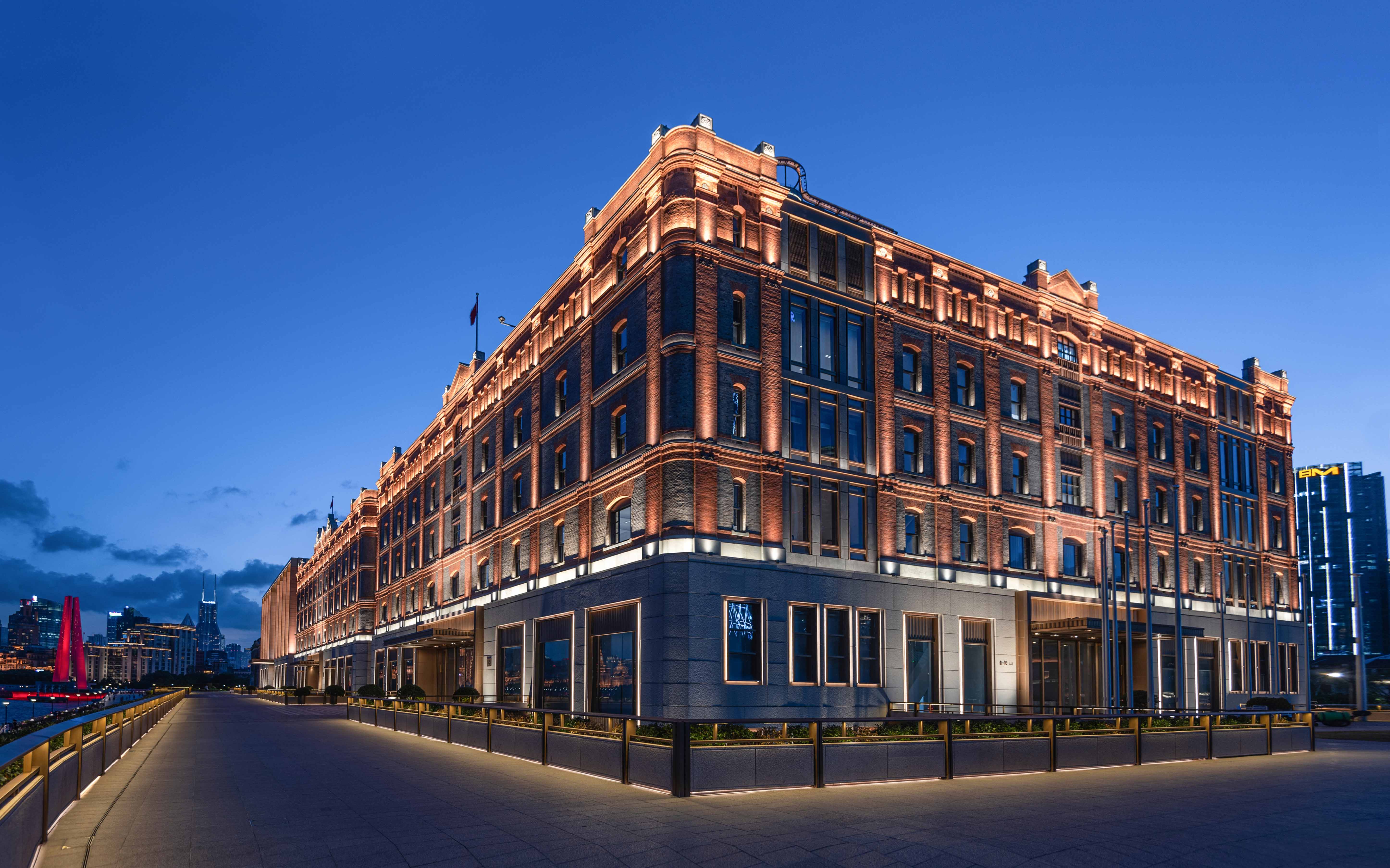
Address: No 8 Beiwaitan Road
Astor House Hotel
Founded in 1846, the Astor House Hotel, now home to the China Securities Museum, was Shanghai's first Western-style hotel. It once hosted renowned figures such as Charlie Chaplin, Albert Einstein, and Edgar Snow.
The hotel, renowned for its striking British neoclassical architecture, was where China's first electric light was illuminated and the country's earliest formal dance parties were held.
In 1990, the Shanghai Stock Exchange was inaugurated within its walls, marking the hotel as the birthplace of China's securities market.
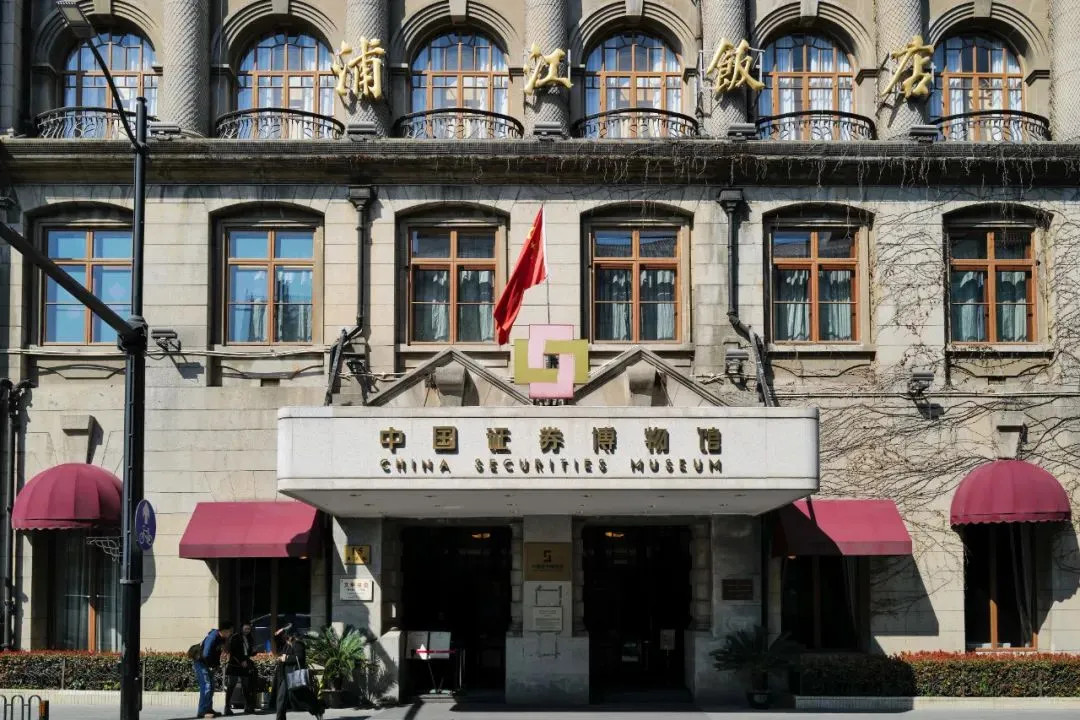
Address: No 15 Huangpu Road
Broadway Mansions
Built in 1934, the Broadway Mansions is now a 5-star hotel. It was named for its location on what was then Broadway Road (now Daming Road).
As one of Shanghai's 14 protected modern historical buildings, the Broadway Mansions once served as a designated venue for foreign affairs activities, hosting numerous distinguished domestic and international figures, including former Soviet leader Nikita Khrushchev and former president of France Georges Pompidou.
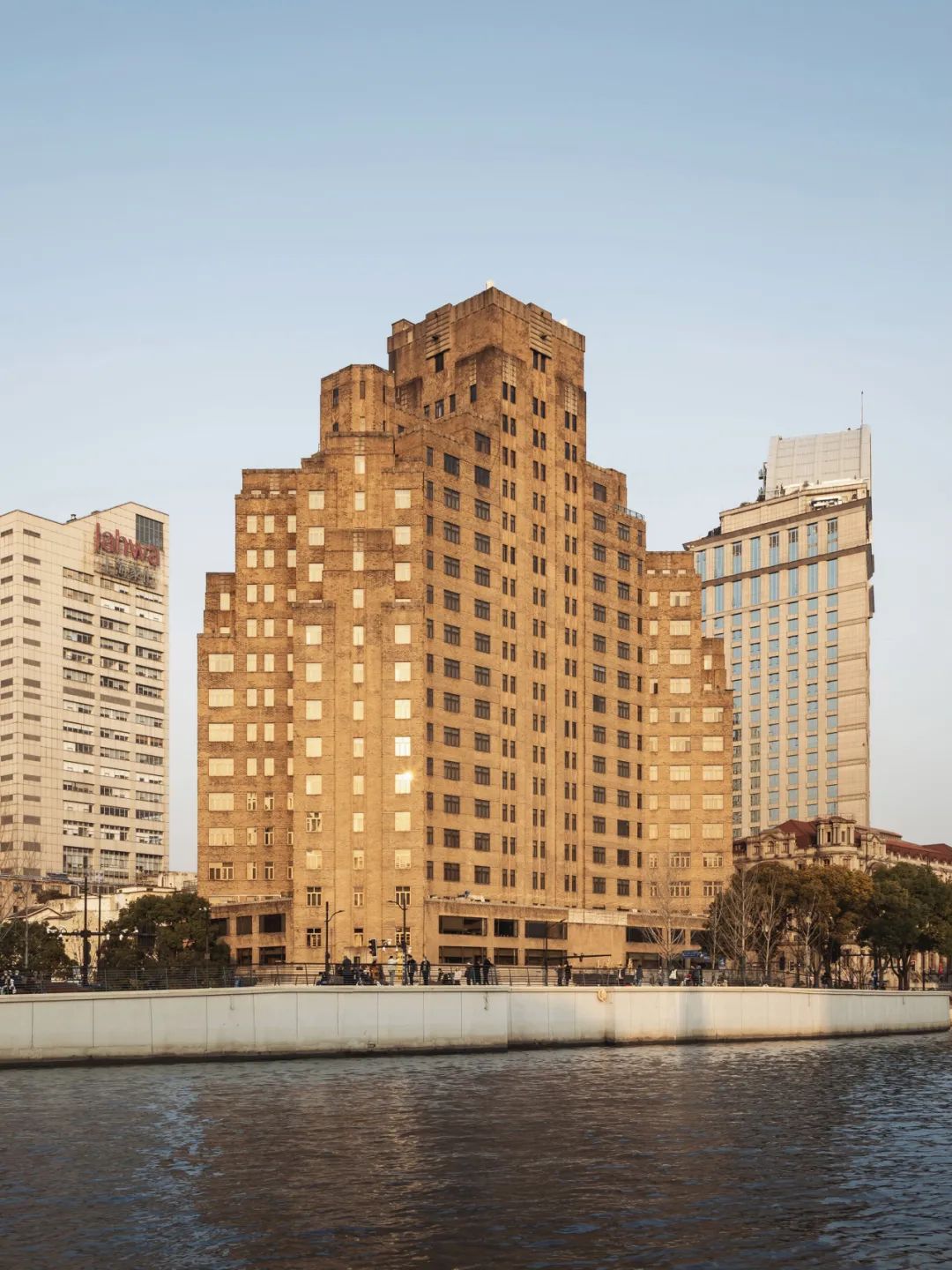
Address: No 20 Beisuzhou Road
Victory Cinema
Built in 1929, this cinema, part of Hongkou's "golden triangle" theaters, features a Western-style main building and a Chinese-style roof, creating a picturesque scene on Zhapu Road's film and television street.
In 2012, Victory Cinema was designated a protected cultural heritage site. In 2020, the property owner commenced restoration work. Now, it is an art cinema with a single-screen theater on the first floor, while the second and third floors have been transformed into versatile spaces for exhibitions, academic research, and forums.
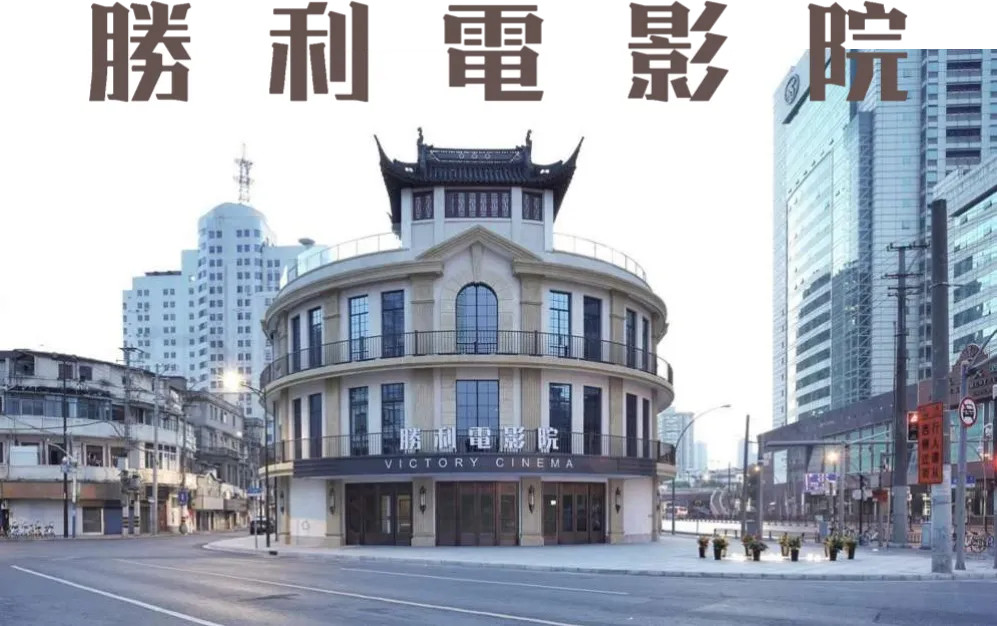
Address: No 408 Zhapu Road
Shanghai Postal Museum
The Shanghai Postal Museum, formerly the General Post Office, is a national key cultural relic. Built in 1922, it is a birthplace of modern Chinese postal services and was once among Shanghai's top 10 architectural marvels.
Inside, the immersive design allows visitors to delve into postal history and admire rare philatelic treasures. Sitting quietly along the Suzhou Creek, its legacy continues to shine brightly.
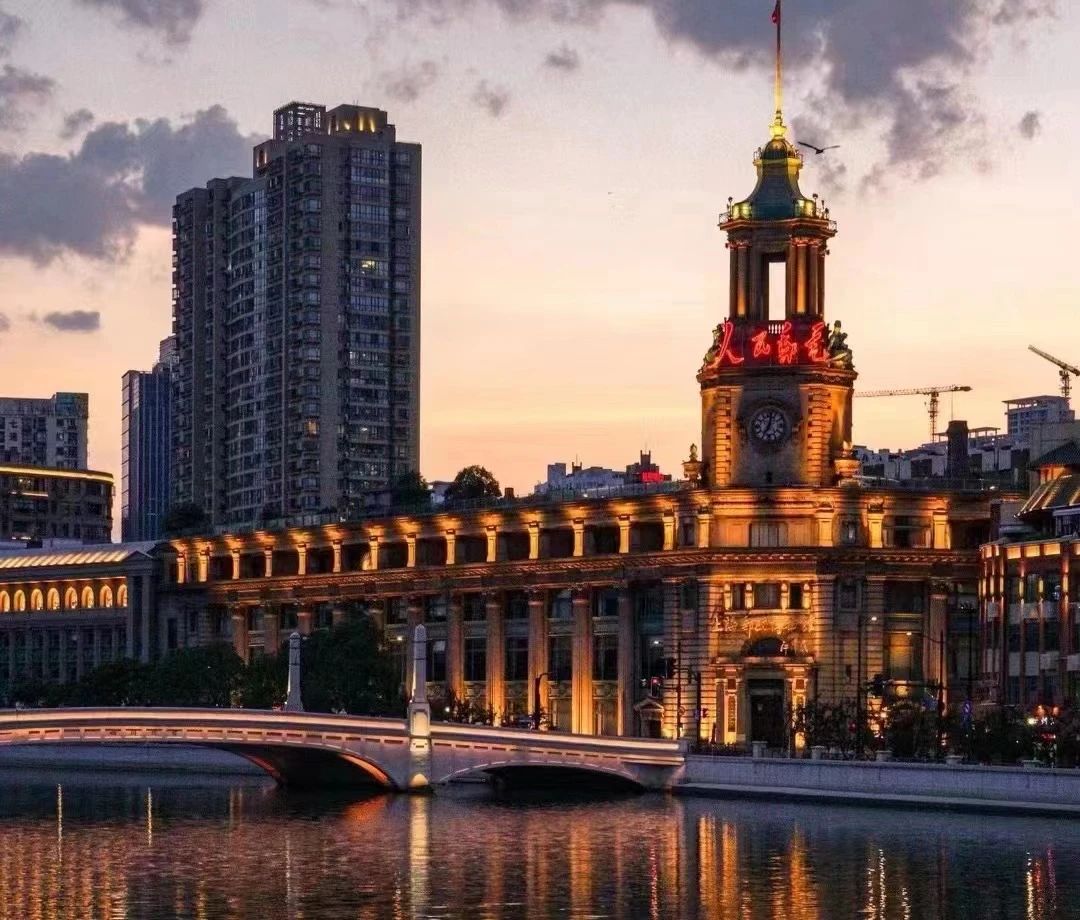
Address: No 395 Tiantong Road
Sources: Hongkou district government, official WeChat account of Hongkou district administration of culture and tourism at "hkqwhj", official WeChat account of Shanghai Hongkou district media center at "shhognkou", official WeChat account of Hongkou district culture and tourism affairs center at "hongkouly", official WeChat account of the Shanghai Municipal Administration of Culture and Tourism at "shanghaitourism", official WeChat account of Shanghai North Bund Group Co Ltd, spots mentioned above