7 new landmarks added to China's 20th-century architectural heritage list
Seven iconic sites in Shanghai have been newly recognized as part of China's 10th batch of 20th-century architectural heritage items, offering travelers a new cultural trail across the city.
From historic waterworks to Gothic-inspired university buildings, each site tells the story of Shanghai's evolution into a modern metropolis. Perfect for culture-filled weekends, these landmarks blend history, design, and local flavor.
The Lester School and Henry Lester Institute of Technical Education
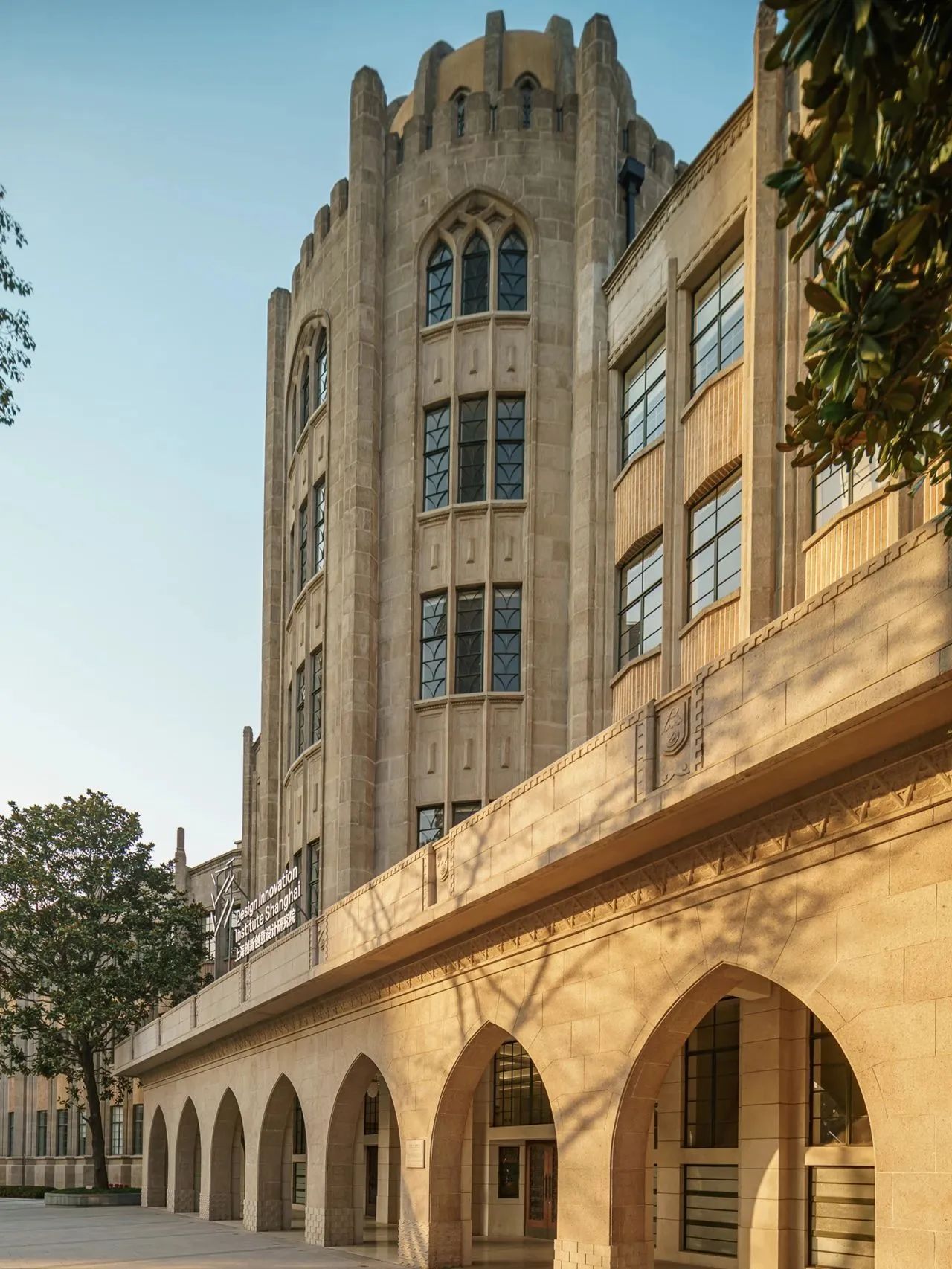
Built in 1934, this former private civil engineering college is a rare fusion of Gothic Revival and Art Deco architecture. With its soaring central dome and symmetrical east-west wings, it remains one of the city's most elegant examples of early 20th-century academic architecture.
Hua Ting Hotel & Towers
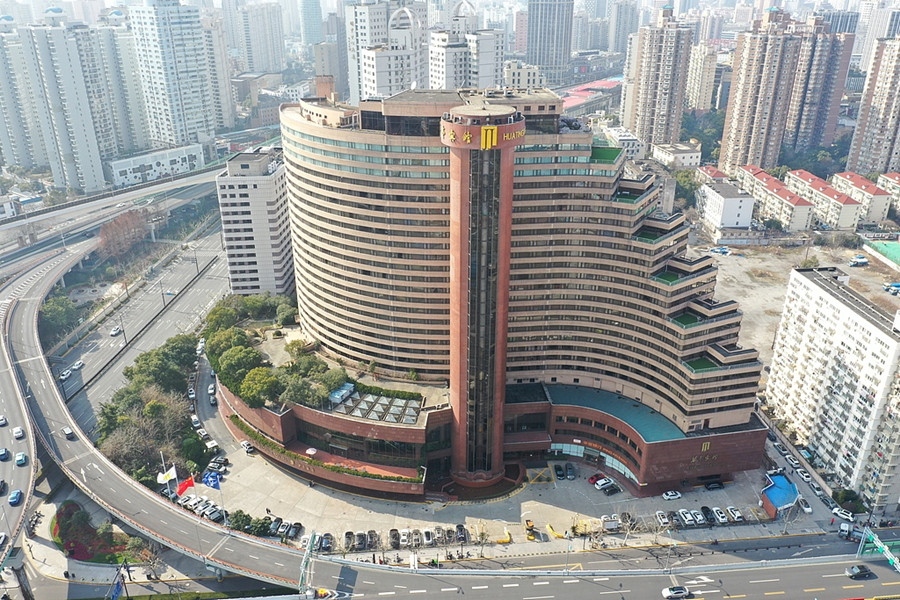
Hua Ting Hotel & Towers, designed by the famous company Wong Tung Group, opened for business in 1986. The complex consists of a main building, an annex, a utility plant, and a boiler room, with a total floor area of nearly 100,000 square meters. The structure's distinctive "S"-shaped layout resembles the first letter of the word "spring", a poetic metaphor for the blossoming of Shanghai's tourism industry in the era of reform and opening-up.
Early buildings of Tilanqiao Prison
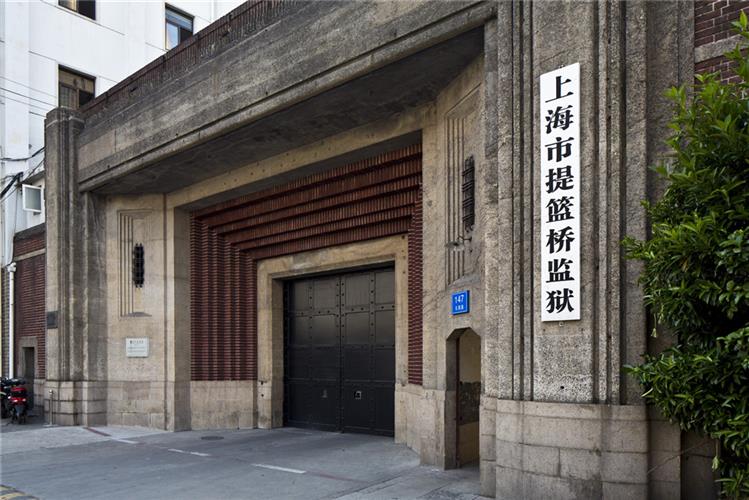
Step into a lesser-known chapter of history at this former prison built in the early 1900s. Designed by British engineers and used by the Allied Forces in 1946 to try 47 Japanese war criminals, the site features 10 towering blocks and nearly 4,000 cells. While somber, it stands as an important witness to justice and Shanghai's role in global history.
Cypress Hotel
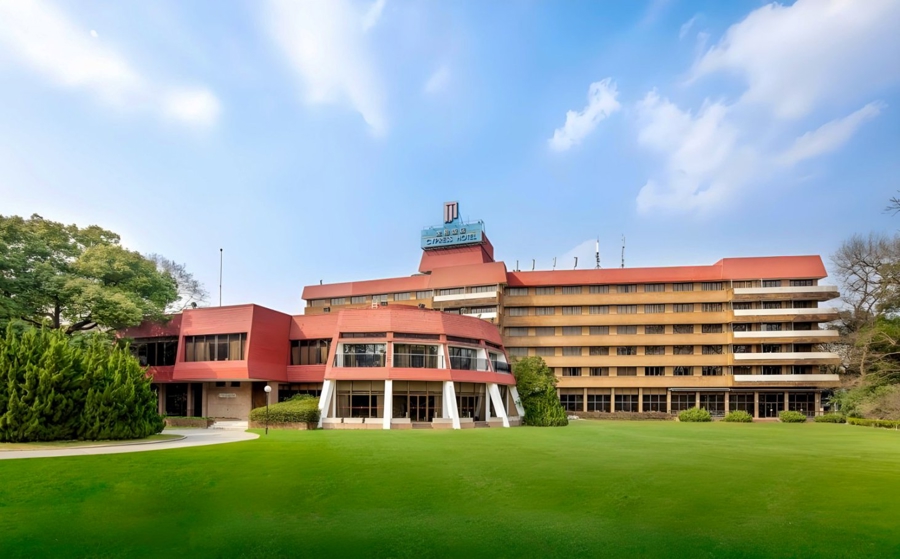
The Cypress Hotel was completed and opened in 1982. Designed in the style of a traditional garden hotel, its six-story main building features the European Mansard architectural style and houses 149 guest rooms. The hotel was designed by architects Ling Benli and Zhang Yaozeng. It stands as one of China's early examples of a high-end hotel independently designed, built, and managed domestically.
First and second phases of Shanghai Pudong Software Park
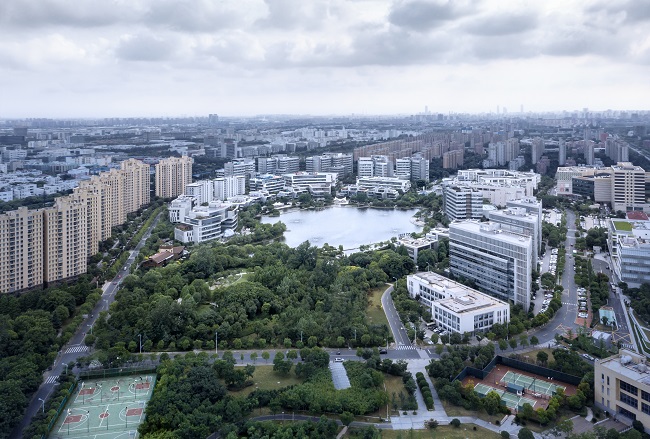
Built in the early 21st century, the first and second phases of the Shanghai Pudong Software Park were among China's first software industry parks. With its looped roadways, central courtyards, eco-friendly rooftops, and fluid connections between urban and garden spaces, this development demonstrates China's forward-thinking approach to work-life environments.
Yangshupu Waterworks
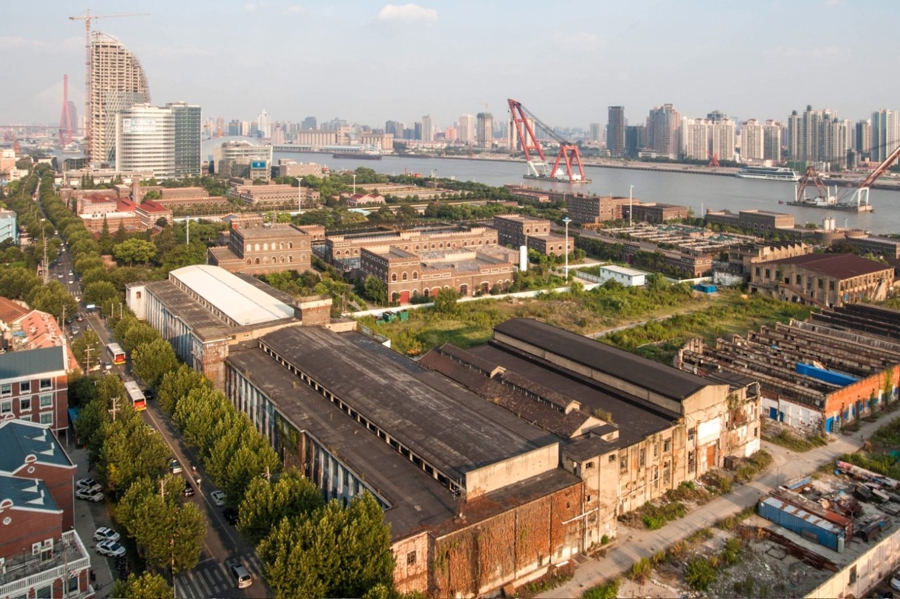
Dating back to 1881, this is China's first modern water treatment plant and the first to use surface water sources. Located at No 830 Yangshupu Road, the site still retains historic buildings such as its grand hall and original workshops. In the 1930s, it was the largest and most advanced facility of its kind in the Far East — a fascinating stop for those interested in industrial history.
Huangpu Theatre
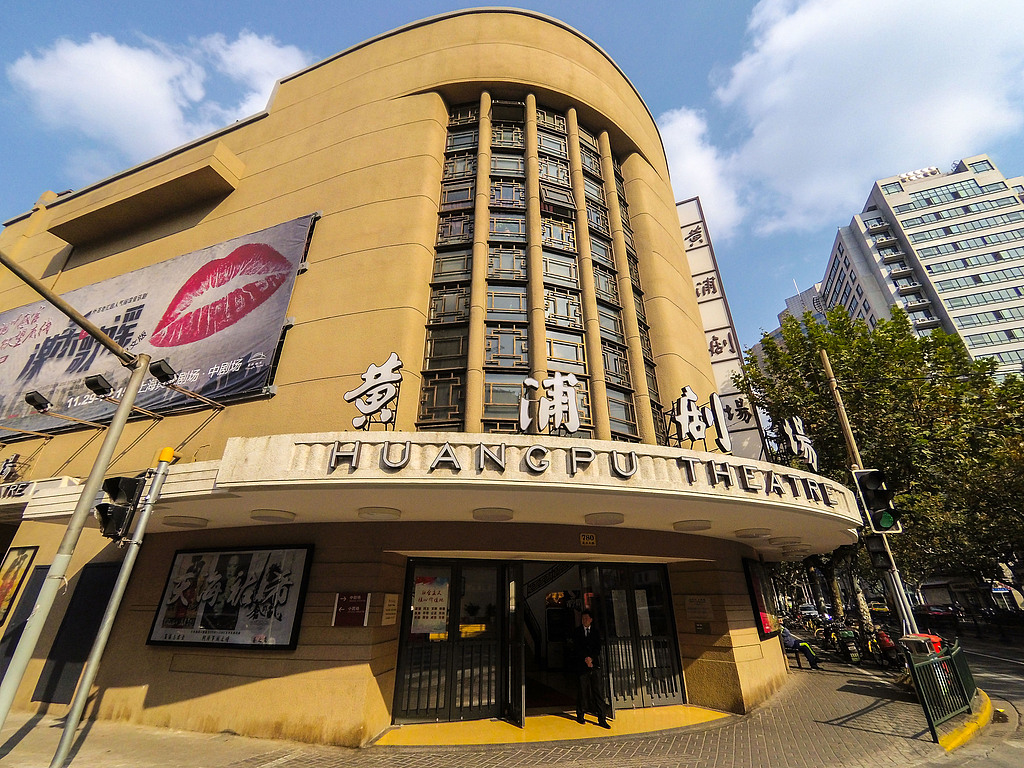
Once known as Jincheng Grand Theatre and lauded as the "palace of national films", this iconic venue opened in 1934 and was the birthplace of the patriotic anthem March of the Volunteers, which later became the national anthem of China. With a minimalist Art Deco style, corner entrance, and 1,786-seat auditorium, the theater continues to captivate visitors with its blend of cinematic history and architectural grace.
Source: Shanghai Observer
Editor's Pick
FAQs
- What if my passport expires but my Chinese visa is still valid?
- Can pets and owners depart from different countries while complying with customs regulations?
- Can a minor travel to China and stay in a hotel without a parent's presence?
- Who is eligible for the 240-hour visa-free transit policy in China?