Historic streets and alleys of Qibao Ancient Town
Qibao Ancient Town in Minhang district, a shining gem among the Jiangnan (region south of the Yangtze River) water towns, continues to captivate countless visitors with its rich cultural heritage. Nestled within this historic region, ancient streets and alleys lie like scattered pearls, each whispering stories from the past. Join us as we wander through these timeless paths and uncover the histories they hold.
Nanbei Street
Since the Ming (1368-1644) and Qing (1644-1911) dynasties, Qibao Ancient Town has flourished as a bustling commercial center, anchored by the historic Nanbei Street (South-North Street). This 360-meter thoroughfare stretches from Fuqiang Street in the south to Qingnian Road in the north and was home to over 100 shops before the 1950s.
Following a major restoration in 2002, Nanbei Street was revitalized and renamed Qibao Old Street. By 2006, it had become a lively hub with 143 shops, 67 on the southern street, known as "snack street", and 76 on the northern street, known as "small goods street".
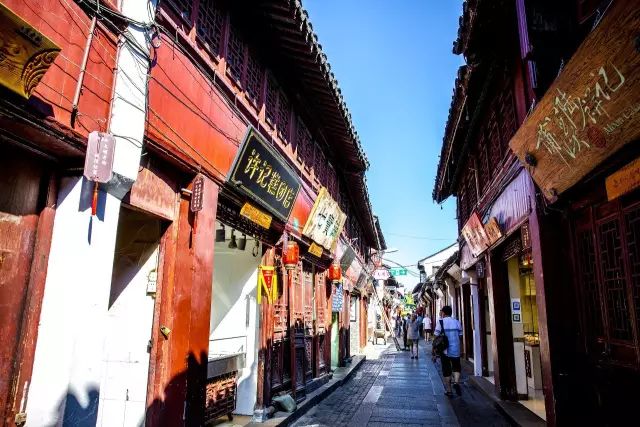
Yutang Street
During the Republic of China era (1911-49), Yutang Street was home to a prominent bathhouse nestled in a traditional wooden building. This establishment featured distinct sections, with women's facilities located upstairs and men's downstairs.
The bustling boat traffic on the nearby Puhuitang River made it a popular stop for merchants seeking a relaxing evening bath. Villagers from surrounding areas also frequented the site, contributing to the street's affectionate nickname — Yutang Street, meaning "Bathhouse Street".
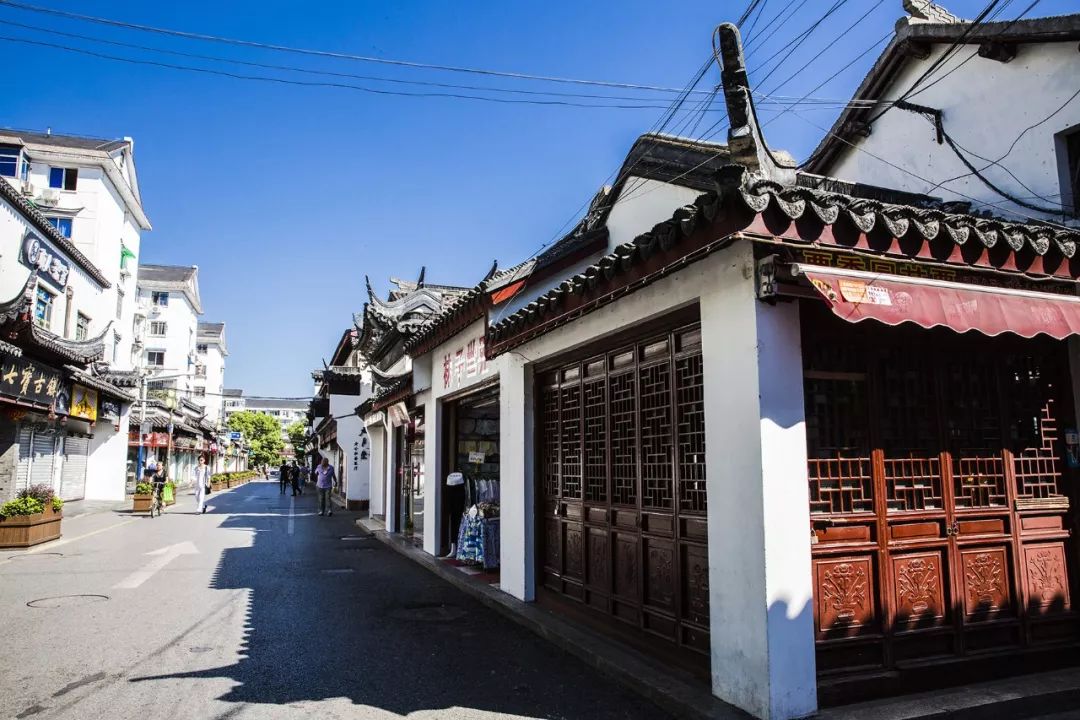
Diandang Street
During the Ming and Qing dynasties, the local cotton textile industry thrived, driving a commercial boom that led to the rise of numerous banks and pawnshops.
The bustling activity earned the 100-meter stretch its name, Diandang Street, meaning "Pawnshop Street". In the mid-1960s, it was renamed Fuqiang Street.
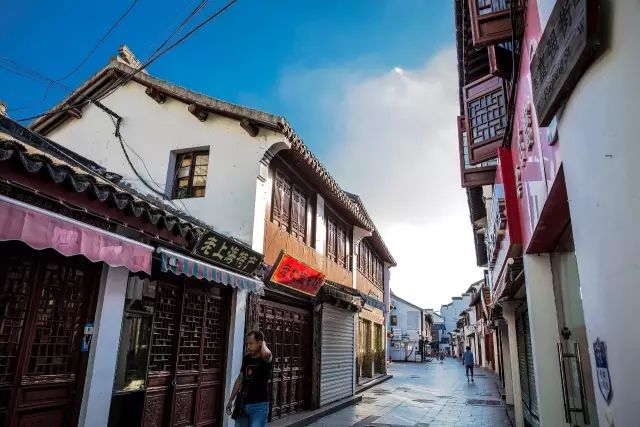
Bogu Alley
As Qibao town reached the peak of its commercial development, it emerged as a hub for merchants, fueling a thriving antique trade. Most of these transactions took place in Bogu Alley, or "Antique Alley". A clever twist on the local dialect later gave rise to its new name, Beigu Alley.
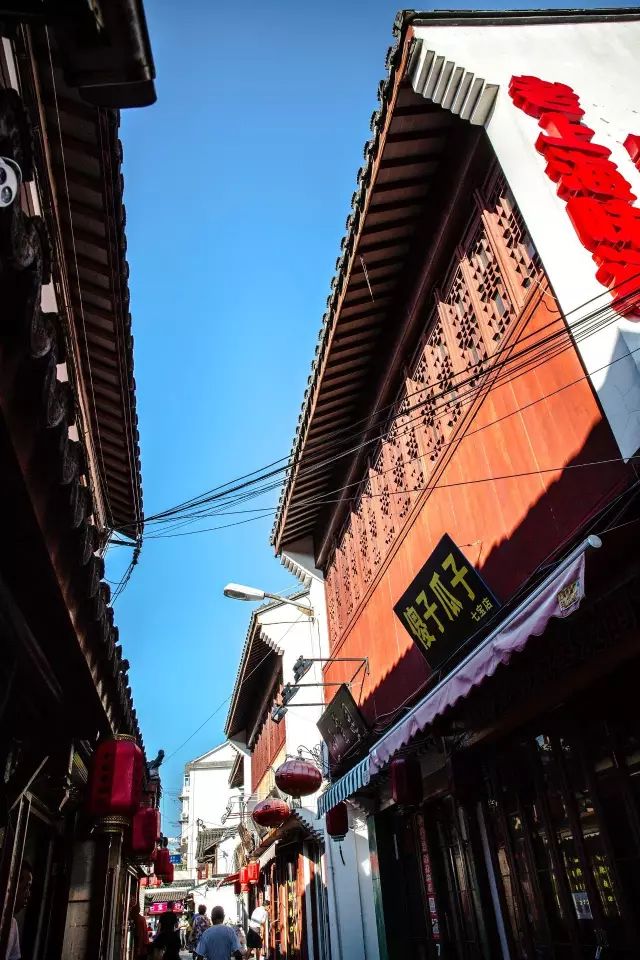
Fangche Street
During the Ming and Qing dynasties, Qibao region was known for its abundant cotton production and booming cotton textile industry, catalyzing the growth of related handicrafts. The street, now known as Nandong Street, gained fame for its high-quality spinning wheels and looms. These products were widely distributed both locally and beyond, earning the street its historical name, Fangche Street, meaning "Spinning Wheel Street".
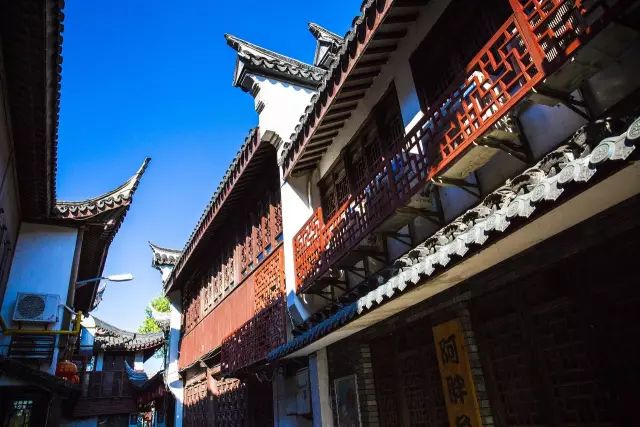
Xujia Alley
Xujia Alley, also known as the Xu Family Alley, located on the northern section of Nanbei Street, has long been the ancestral home of the Xu family. In 1518, Xu Shou, together with fellow villager Zhang Xun, invested his entire family fortune to construct the Puhuitang Bridge. He also led the construction of eight stone bridges along the north bank of the Puhuitang River. Upholding the family's legacy, his grandson, Xu Sanchong, became renowned for his scholarly pursuits and extensive writings, earning him a distinguished reputation as a scholar in the Jiangnan region.
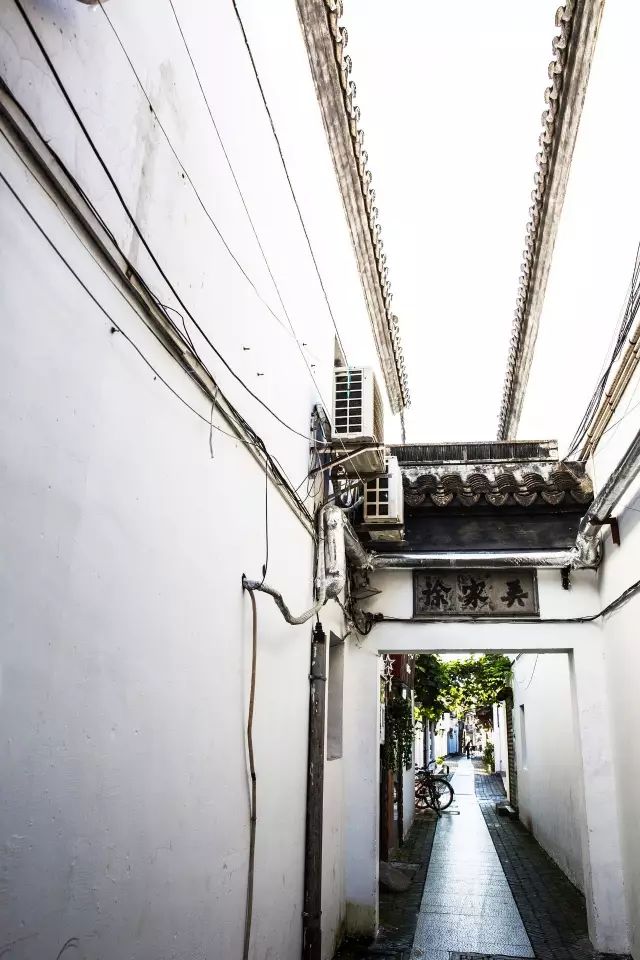
Zhuhang Alley
In ancient times, the local village was characterized by a distinctive landscape, with a river flowing in front of every home and bamboo groves planted behind. Abundant natural resources gave rise to a thriving bamboo weaving industry, where artisans skillfully transformed locally sourced bamboo into woven items for daily use. This flourishing craft tradition led residents to affectionately name the area Zhuhang Alley, or Bamboo Market Alley.
Sources: WeChat account of Qibao Ancient Town at "SHqibaolaojie", Minhang district government
Editor's Pick
FAQs
- What if my passport expires but my Chinese visa is still valid?
- Can pets and owners depart from different countries while complying with customs regulations?
- Can a minor travel to China and stay in a hotel without a parent's presence?
- Who is eligible for the 240-hour visa-free transit policy in China?