Historic intersection: A glimpse into Shanghai's architectural legacy
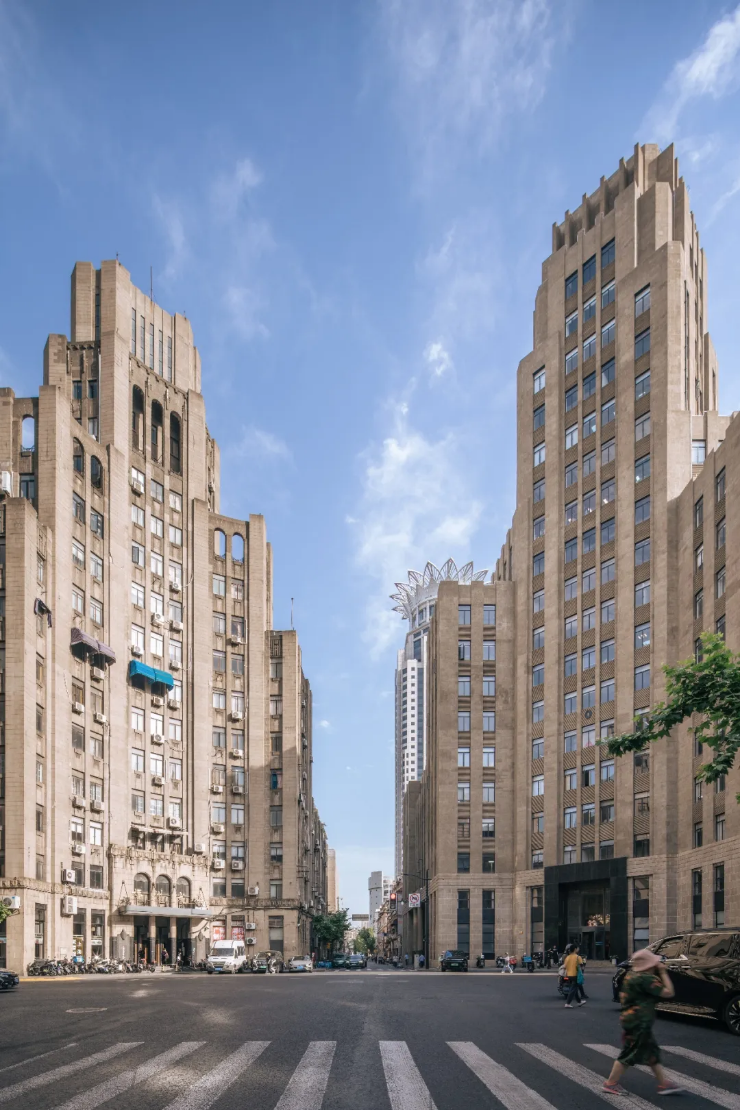
At the intersection of Middle Jiangxi Road and Fuzhou Road, four historic buildings stand as timeless guardians, forming a unique circular plaza with their curved concave corners. This rare spatial arrangement offers a striking visual spectacle and carries deep cultural significance. Let's explore these architectural gems and uncover their rich history.
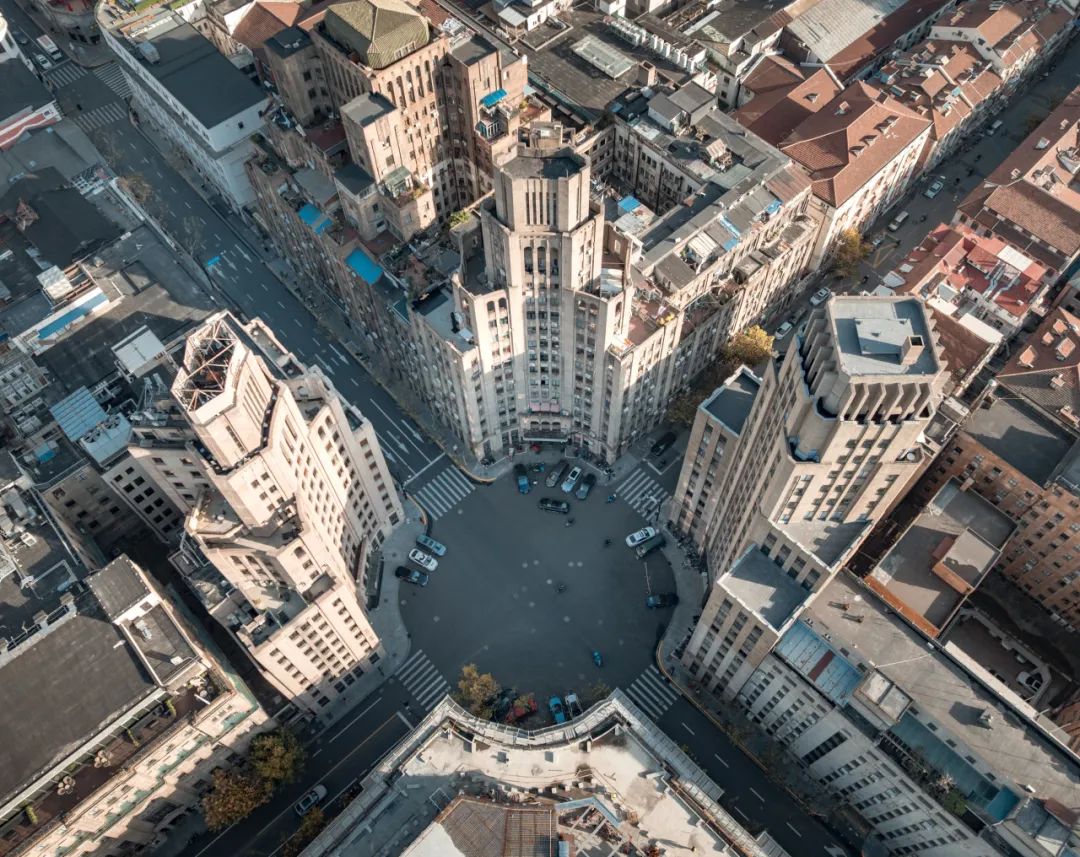
The Building of Shanghai Municipal Council
Located at No 193 Hankou Road, the Building of Shanghai Municipal Council is a key piece of Shanghai's past. Following the founding of the People's Republic of China, the building served as the first seat of Shanghai's municipal government, where the city's first five-star red flag was raised.
Construction of the building began in 1914 under architect R.C. Turner and was completed in 1922, featuring British neoclassical architecture with Baroque details.
According to the original design plans, the building was intended to be fully enclosed. However, due to material shortages in World War I, it was left partially open upon completion. The restoration project from 2019 to 2024 preserved the building's original features while completing the enclosure, addressing a century-old gap.
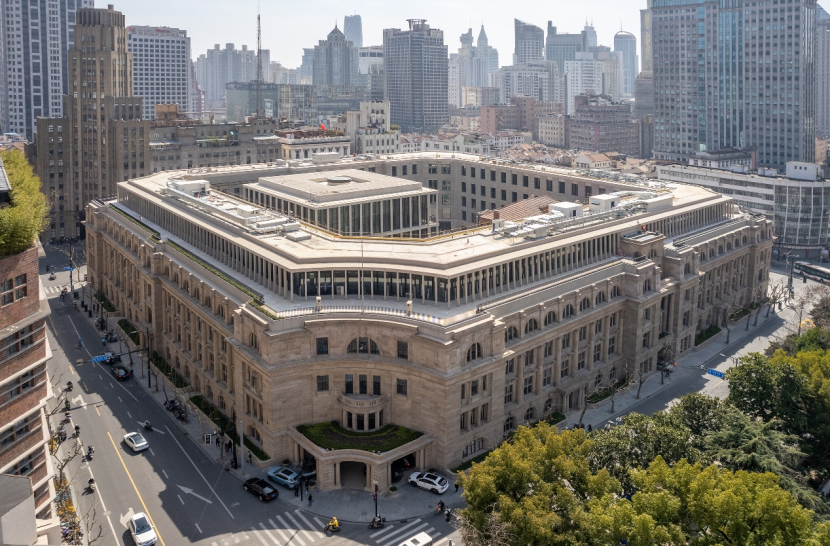
The enclosed courtyard now offers approximately 3,000 square meters of public open space, forming a mixed-use City Hall Plaza with offices, cultural venues, and commercial spaces.
The second-floor office of former Mayor Chen Yi has also been restored, with many distinctive features and decorations reinstated, such as the cream-colored walls, white jade railings, brass handrails, and marble-faced fireplaces.
Metropole Hotel
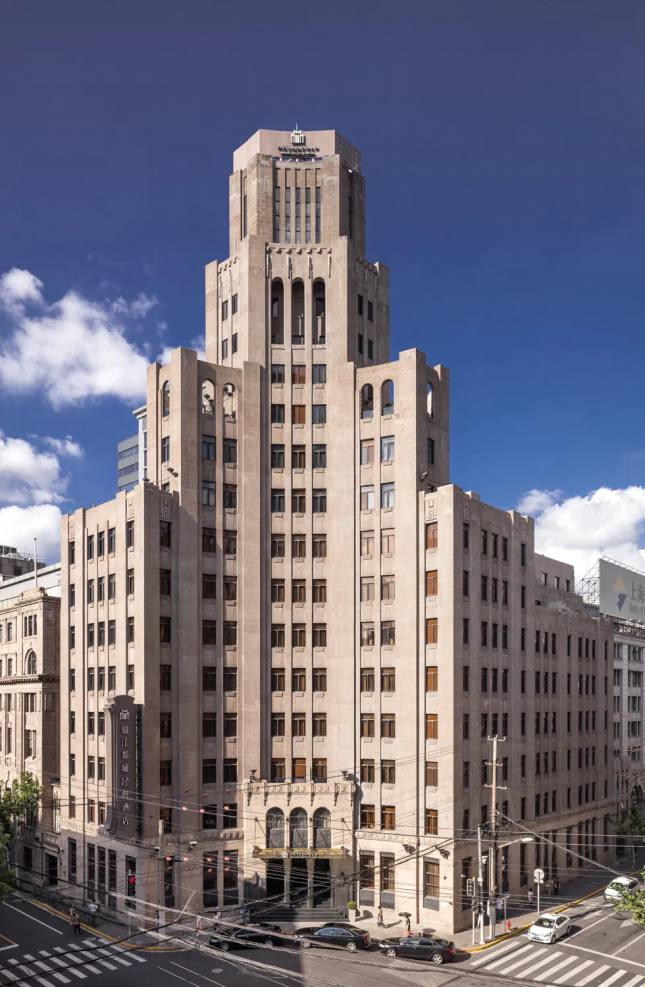
Completed in 1934, the Metropole Hotel covers approximately 10,500 square meters. The building, with one basement level and 14 floors above ground, stands nearly 50 meters tall. Upon completion, it became one of the most upscale and leading hotels in Shanghai, attracting numerous social elites.
The hotel's facade, with its vertical composition, creates a striking impact. Stepped terraces above the eighth floor accentuate its upward momentum. Granite cladding at street level adds a sense of solidity, while Art Deco motifs adorn key areas like the entrance and cornices.
The hotel underwent a comprehensive renovation from 2013 to 2016 to enhance management and functionality, restoring its historical interiors using archival materials. Today, it continues to offer luxurious accommodations.
Fuzhou Mansion
The Fuzhou Mansion, built between 1931 and 1933, was once praised as one of the finest office buildings in the international settlement. Shortly after completion, ownership was transferred to Mr Hamilton, a former US consul in Shanghai, which is why it is also known as the Hamilton House.
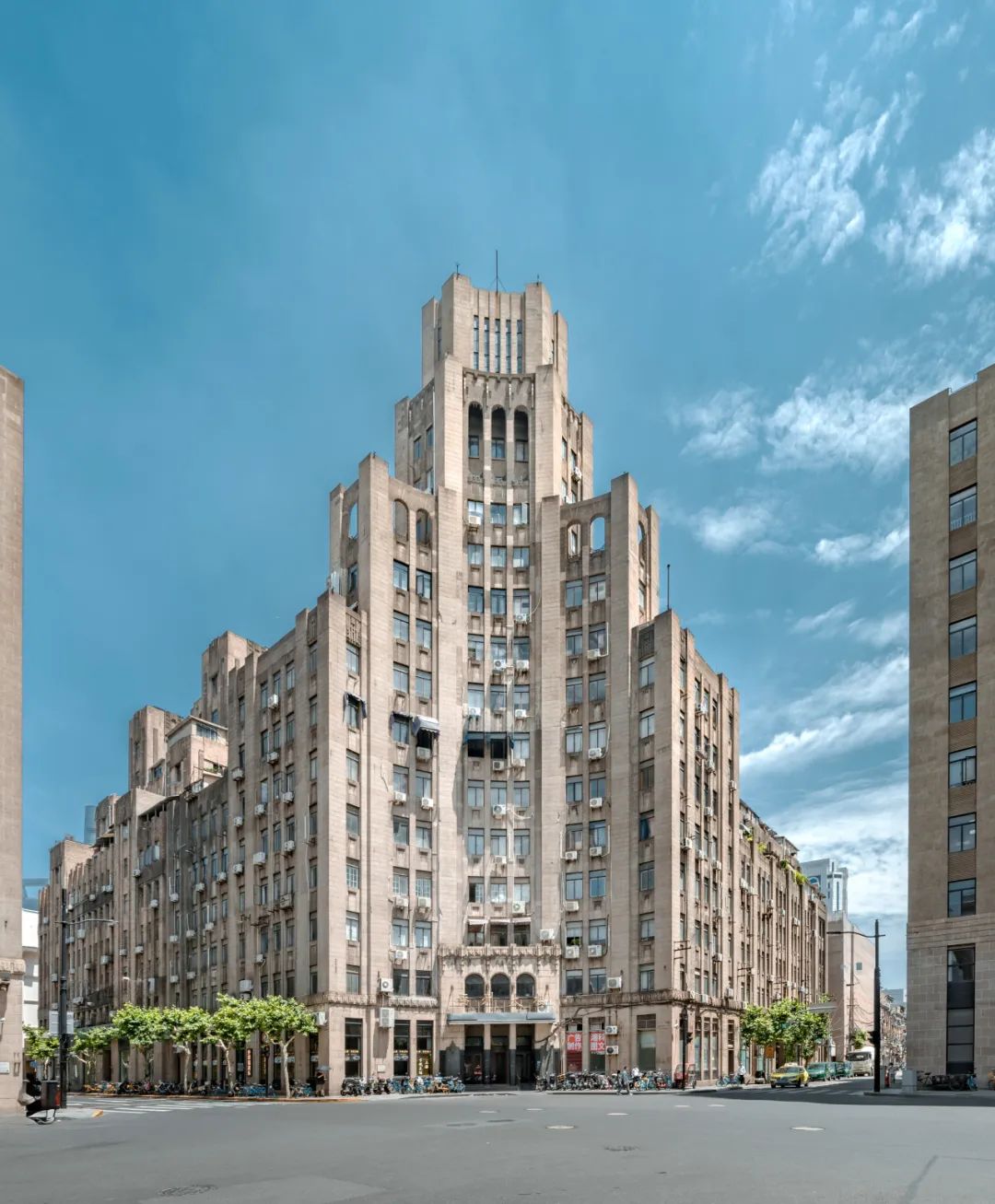
The building's exterior features prominent Art Deco style characteristics: a warm brown washed stone finish, vertical emphasis in facade lines, and a stepped outline creating a grand visual effect. The main and auxiliary buildings, with entrances on Middle Jiangxi and Fuzhou roads, boast details like terrazzo floors with geometric patterns, decorated cast iron staircases, glazed tiles, steel windows, and relief decorations on the railings, all preserving a timeless elegance.
Originally, the first three floors served as offices, with the upper floors as serviced apartments. To this day, the spatial layout remains largely unchanged: the first to third floors are still used for offices by companies and institutions, while the upper floors serve residential purposes.
Jianshe Building
The Jianshe Building, designed by British architects and built by Chinese contractors, stands 67.97 meters tall with 10,513 square meters of space. Built during the 1930s high-rise boom, it was among the top five tallest buildings of its time.
As the last of the four buildings, it features inward-curving corners, creating a distinctive street corner space with neighboring structures.
Its facade is richly textured, combining materials like granite, washed stone, cement coatings, steel windows, and metal panels.
The exterior was restored between 2021 and 2025, preserving its historical appearance. The building continues to serve commercial purposes.
Fuzhou Road
Crossing the intersection and proceeding along Fuzhou Road, the scenery is equally captivating.
Fuzhou Road extends about 1.5 kilometers, running from East Zhongshan Number One Road at the Bund to Middle Xizang Road.
Since its founding in 1872, the Shun Pao newspaper has blossomed into a cultural hub, with 13 major daily newspapers clustered here by the 1920s. By 1946, 14 of Shanghai's 31 bookstores were situated on this road, earning it the nickname "street of culture".
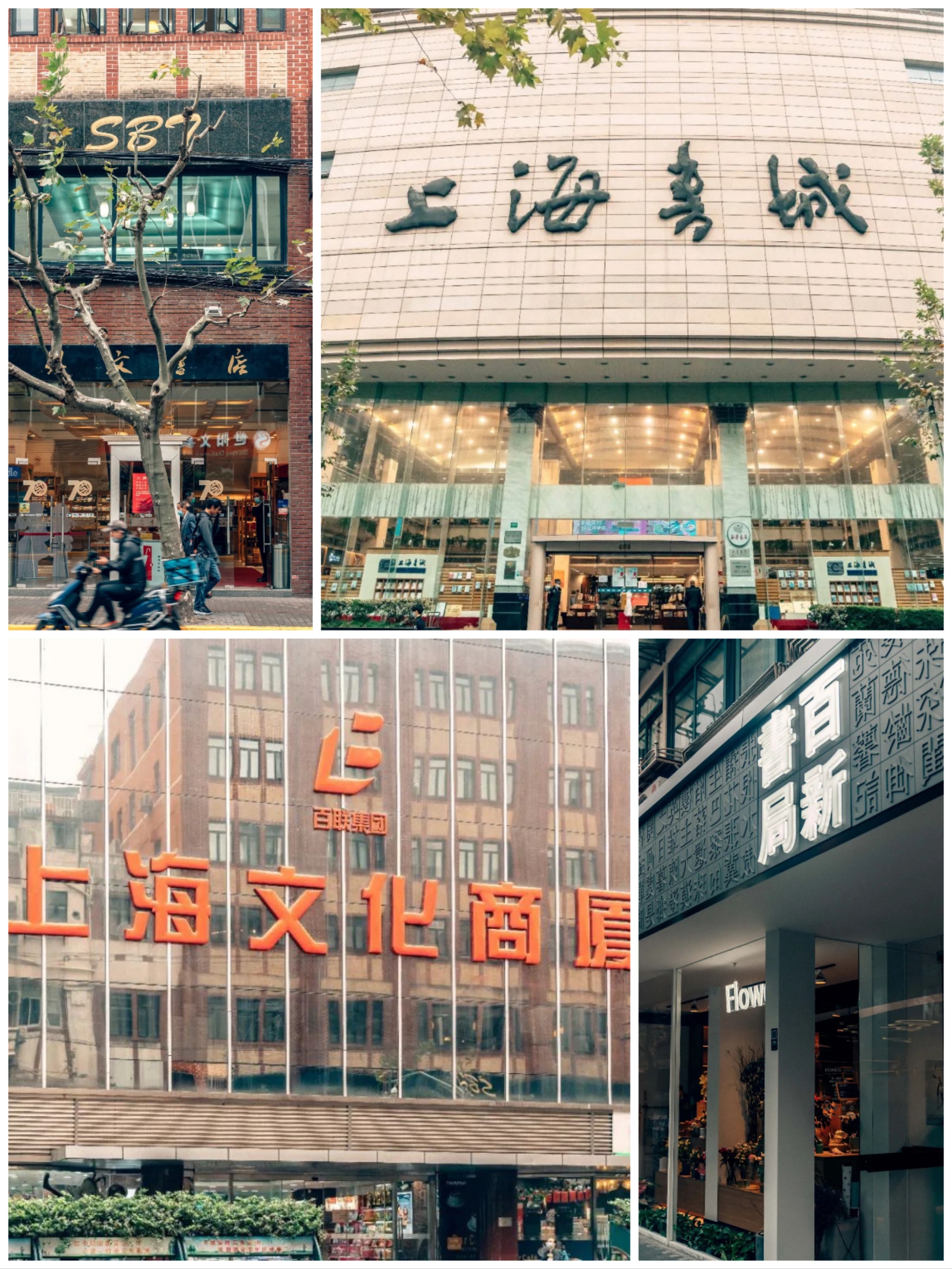
Today, Fuzhou Road remains a go-to destination for book lovers and those seeking a taste of local life. This century-old street, steeped in literary heritage, continues to connect Shanghai's cultural veins.
Sources: WeChat accounts of Shanghai Municipal Commission of Housing and Urban-Rural Development, Shanghai Historical Building Protection Administration Center, East China Architectural Design & Research Institute Co Ltd, Huangpu district housing security and management bureau
Editor's Pick
FAQs
- What if my passport expires but my Chinese visa is still valid?
- Can pets and owners depart from different countries while complying with customs regulations?
- Can a minor travel to China and stay in a hotel without a parent's presence?
- Who is eligible for the 240-hour visa-free transit policy in China?