Shanghai's golden age of architecture
Shanghai's iconic cultural buildings largely date from the city's early to mid-20th-century architectural golden age. They reflect not only the artistic ideals of their era, but also Shanghai's unique role as a crossroads where Eastern and Western cultures met and merged.
Architectural styles range from the neoclassical formality of the Shanghai Concert Hall, to the Art Deco elegance of the Majestic Theatre, and the eclectic folk character of The Great World entertainment center.
Each landmark, distinct in style and history, forms an essential chapter in Shanghai's architectural story, preserving the city's artistic memory while continuing to inspire new generations.
Shanghai Concert Hall
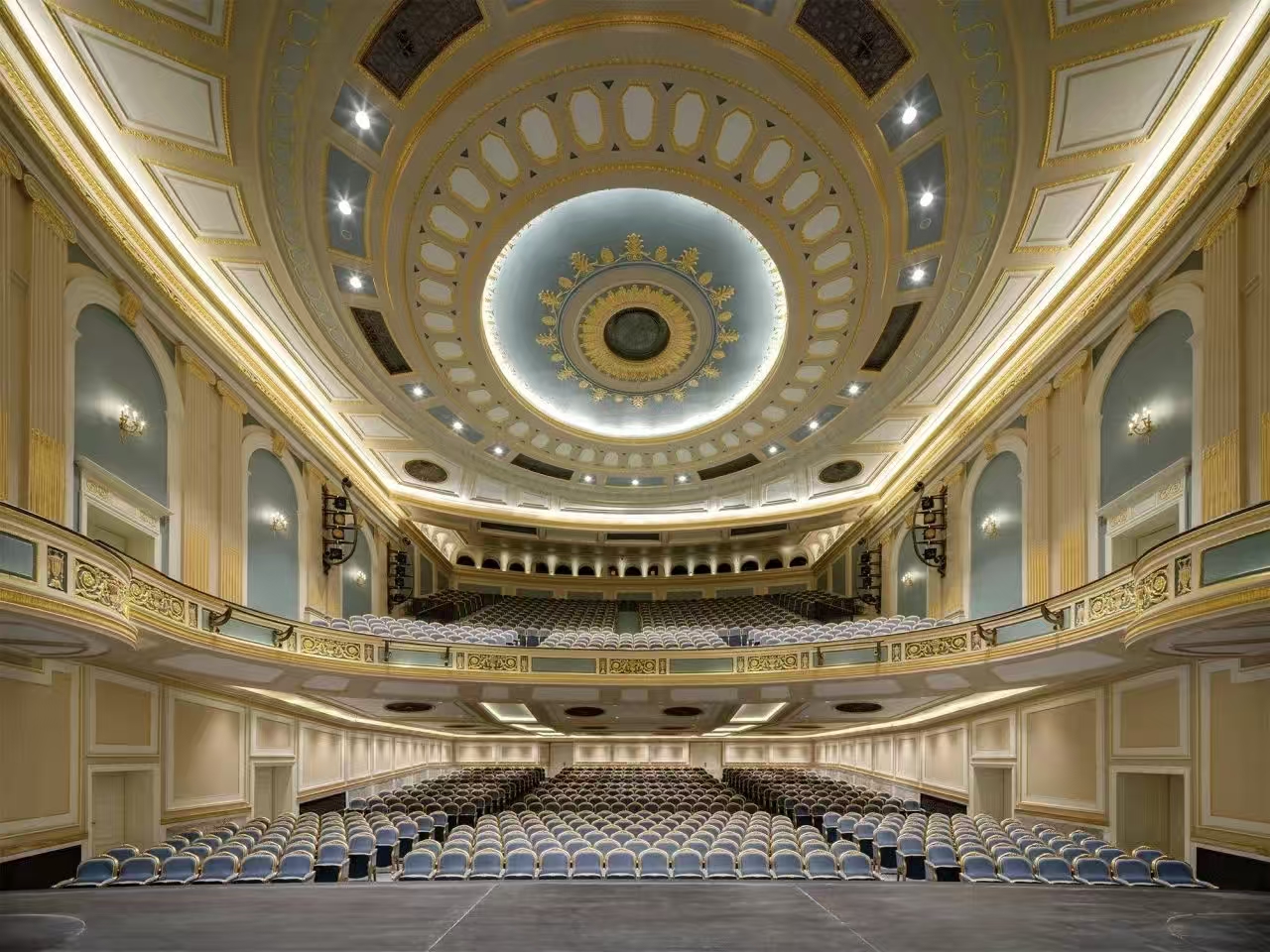
Located at No 523 East Yan'an Road in Huangpu district, the Shanghai Concert Hall first opened in 1930 as the Nanking Theatre. Designed by Chinese architects Fan Wenzhao and Zhao Shen, it was the country's first purpose-built concert hall.
Built in the European classical style, the structure combines reinforced concrete, masonry, and timber roof trusses. Its iconic facade features two semicircular and two quarter-column pilasters, forming three arched niches and windows adorned with relief sculptures and ornate eaves.
As one of Shanghai's cultural landmarks, the venue holds a special place in the city's artistic life. It has hosted major events such as the China Shanghai International Arts Festival, and remains a preferred stage for visiting orchestras and musicians from across the world.
Majestic Theatre
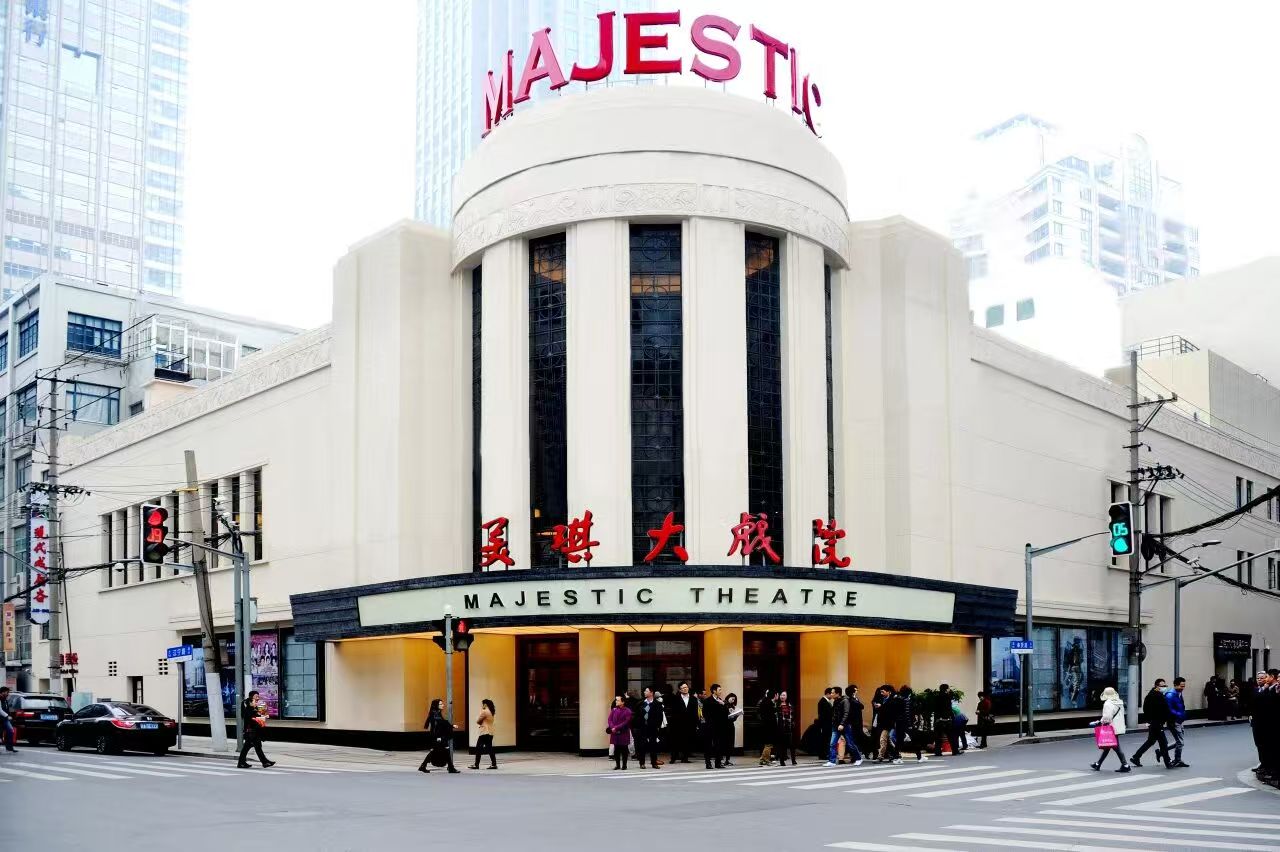
Situated at No 66 Jiangning Road in Jing'an district, the Majestic Theatre was completed in 1941. Designed by architect Fan Wenzhao, it stands as one of Shanghai's defining cultural landmarks.
Its Chinese name, Mei Qi, was chosen from thousands of audience suggestions, evoking "breathtaking beauty and jade-like purity". Once regarded as Asia's finest and the premier cinema of the Far East, the theatre served as Shanghai's leading venue for first-run Western films. It has also hosted luminaries such as opera master Mei Lanfang and preeminent Russian ballerina Galina Ulanova.
The two-story reinforced concrete structure is designed in the Art Deco style. Interior staircases and floors are finished in creamy terrazzo, while column walls feature elegantly modern colors, reflecting the clean, streamlined aesthetic of early American modernist architecture.
The Great World
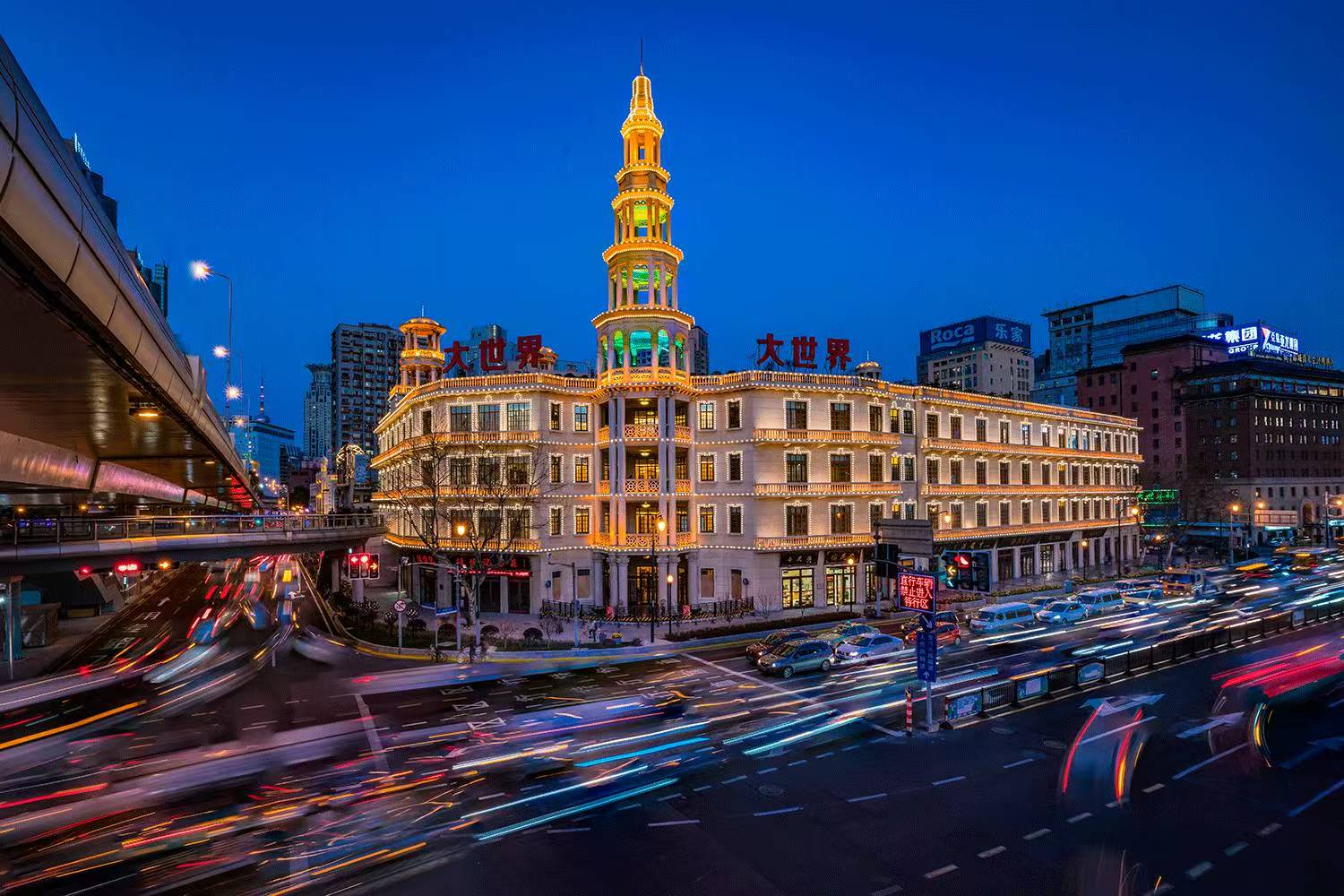
Standing at the intersection of East Yan'an Road and South Xizang Road, The Great World opened in 1917. Once known as the "No 1 amusement center in East Asia", it also served as the legendary stage where numerous opera artists rose to fame.
The U-shaped complex spans four floors and 16,800 square meters, housing 12 exhibition halls. Its most recognizable feature is a hexagonal tower supported by twelve cylindrical columns and rising 55.3 meters, a structure of considerable social and historical significance.
Today, the Great World continues to serve as a center stage for intangible cultural heritage, including acrobatics, folk arts, song, and dance. It also welcomes performances by community troupes, sustaining its legacy as a people's palace of culture and art.
Sources: WeChat accounts of Shanghai Municipal Commission of Housing and Urban-Rural Development, Shanghai Historical Building Protection Administration Center, venues mentioned above
Editor's Pick
FAQs
- What if my passport expires but my Chinese visa is still valid?
- Can pets and owners depart from different countries while complying with customs regulations?
- Can a minor travel to China and stay in a hotel without a parent's presence?
- Who is eligible for the 240-hour visa-free transit policy in China?