Shanghai's historic hotels: Where legacy meets modern hospitality
Shanghai has long been a pioneer in China's hotel industry, with a lodging history tracing back to the late 13th century when simple inns first appeared. The city's transformation accelerated in the mid-19th century with the opening of its port, which attracted increasing numbers of Chinese and foreign merchants and created a growing demand for accommodation.
The 1920s-1930s marked a golden era for Shanghai's hospitality sector, as numerous large and modern hotels rose across the city, shaping its cosmopolitan skyline.
Unlike properties built specifically as hotels, many of Shanghai's most renowned accommodations have been thoughtfully adapted from heritage buildings. Through meticulous restoration, these landmarks preserve their historical character while embracing the comfort and functionality of modern hospitality.
Astor House Hotel
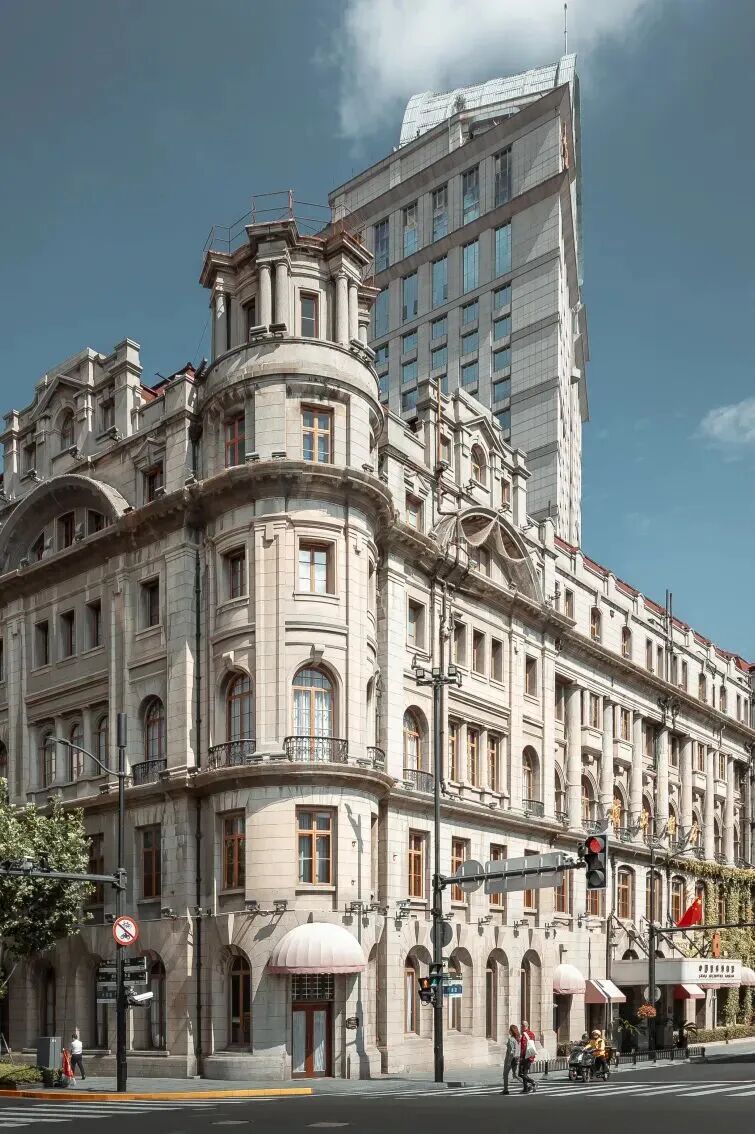
Located at No 15 Huangpu Road in Hongkou district, the Astor House Hotel originally opened in 1846 as Richard's Hotel and Restaurant and was renamed in 1959.
This six-story British Neo-classical Victorian Baroque building is distinguished by its arched ground-floor windows, projecting balconies, and grand Ionic columns rising between the third and fourth floors. Its V-shaped layout creates a striking streetscape, while the central hall retains the original Victorian Gothic Revival style, evoking a medieval European castle atmosphere.
The hotel has borne witness to many milestones in modern Chinese history, including the city's first electric light, telephone service, and sound film screening. In December 1990, it hosted the inauguration of the Shanghai Stock Exchange. Today, the building is home to the China Securities Museum, chronicling the development of the nation's securities market.
Donghu Hotel
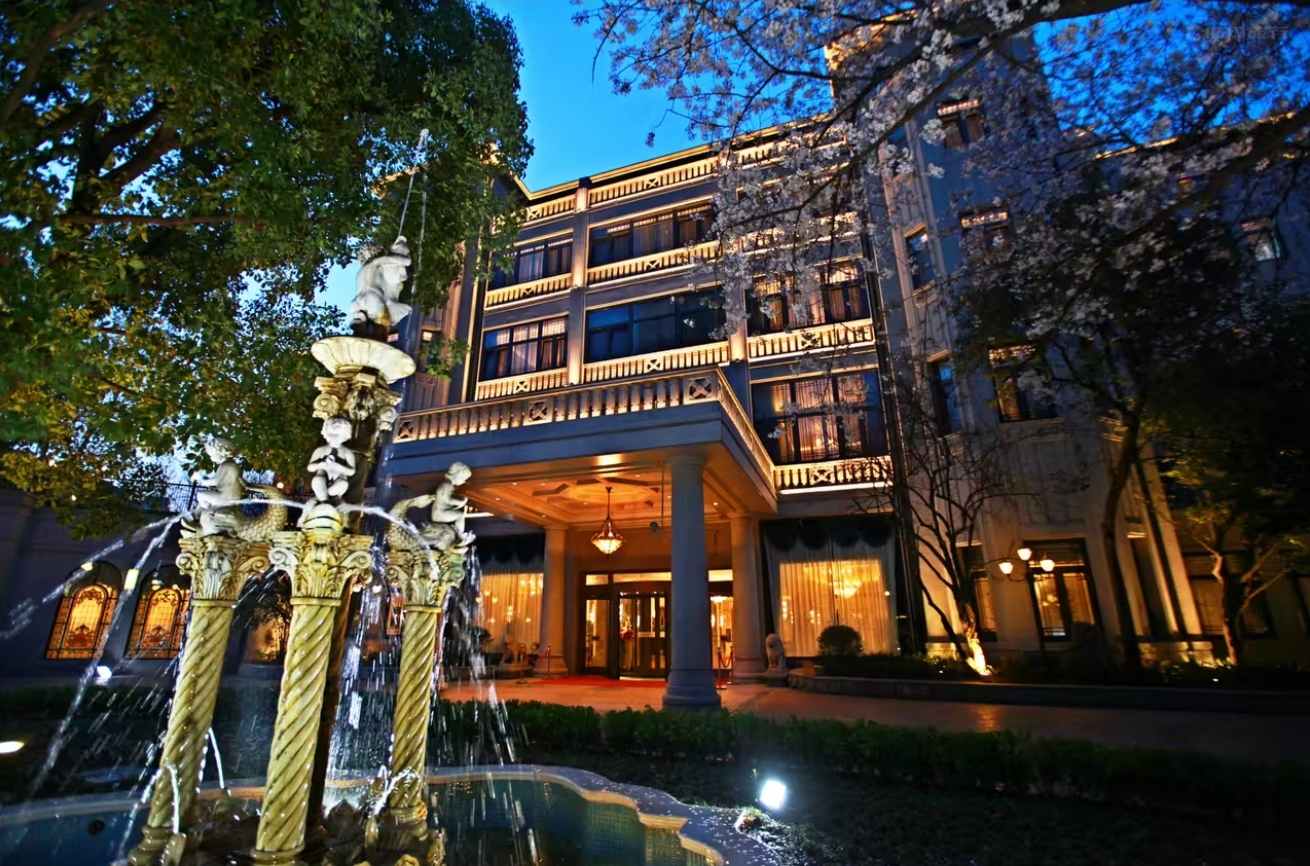
Situated at No 70 Donghu Road in Xuhui district, this villa-style hotel is steeped in history and cultural resonance. Once the residence of Shanghai tycoon Du Yuesheng, it was renamed the Donghu Hotel in 1985.
The property consists of six buildings, with buildings No 1 and No 2 dating back to 1934. The most iconic structure, Building No 7, located at the intersection of Donghu and Huaihai roads, is a two-story French Renaissance-style garden residence distinguished by its square ground-to-floor windows, arched upper windows flanked by Ionic double columns, and ornate eave carvings crowned with Baroque scrollwork. Inside, classical woodwork and bronze candle-style lamps exude European refinement..
Through careful renovation and preservation, Donghu Hotel has transformed from a private mansion into one of Shanghai's most celebrated boutique hotels.
Radisson Collection Xing Guo Hotel Shanghai
Located at No 72 Xingguo Road in Changning district, the Radisson Collection Xing Guo Hotel encompasses more than 20 individual garden villas nestled within lush downtown greenery. The estate emerged in the 1920s and 1930s when foreign trading firms transformed former farmland into elegant residential compounds.
Each villa represents a distinct architectural period. Building No 1 (1935), once the residence of Butterfield & Swire's taipan, reflects a British Palladian Neoclassical style. Building No 2 (1925) evokes the warmth of an English country house, while Building No 6 (1922) carries the grace of a French garden home. Building No 7 (1921), designed by the renowned architectural firm Lester, Johnson & Morriss, stands out for its exceptional historical and artistic value.
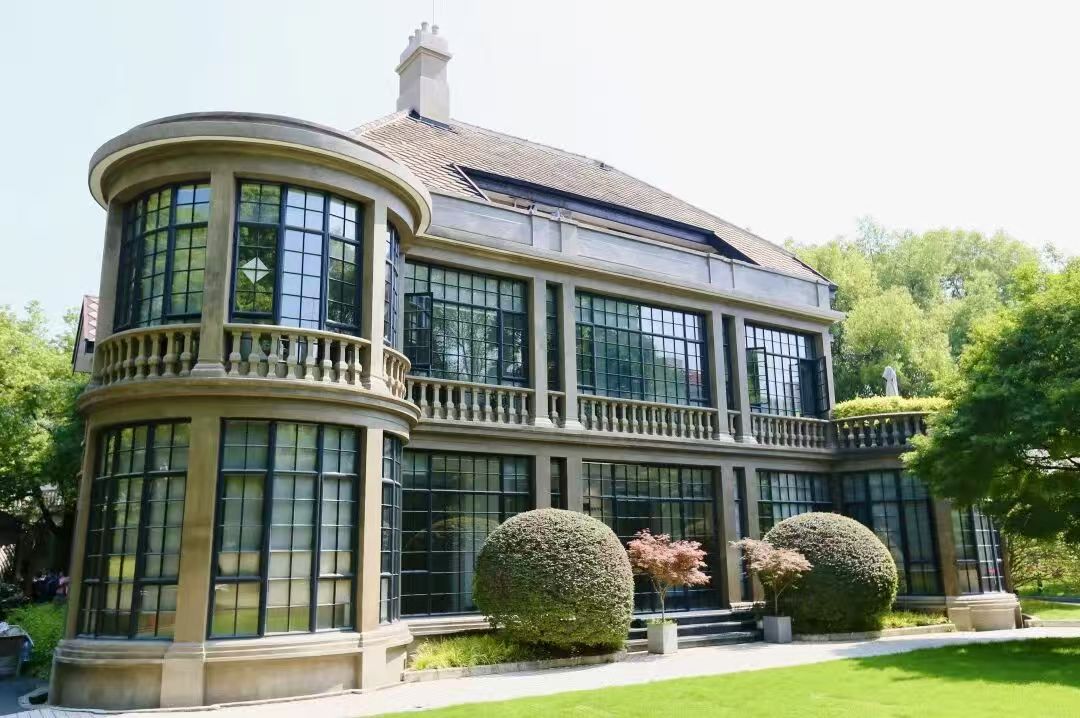
Having witnessed a century of Shanghai's transformation, Xing Guo Hotel preserves the city's stories in every carefully maintained brick, tile, and villa. These meticulously restored buildings continue to tell new chapters while quietly bearing witness to the city's enduring evolution.
Sources: WeChat accounts of Shanghai Municipal Commission of Housing and Urban-Rural Development, Shanghai Historical Building Protection Administration Center, and hotels mentioned above
Editor's Pick
FAQs
- What if my passport expires but my Chinese visa is still valid?
- Can pets and owners depart from different countries while complying with customs regulations?
- Can a minor travel to China and stay in a hotel without a parent's presence?
- Who is eligible for the 240-hour visa-free transit policy in China?