'Xiaolongbao': A small dumpling with a big story
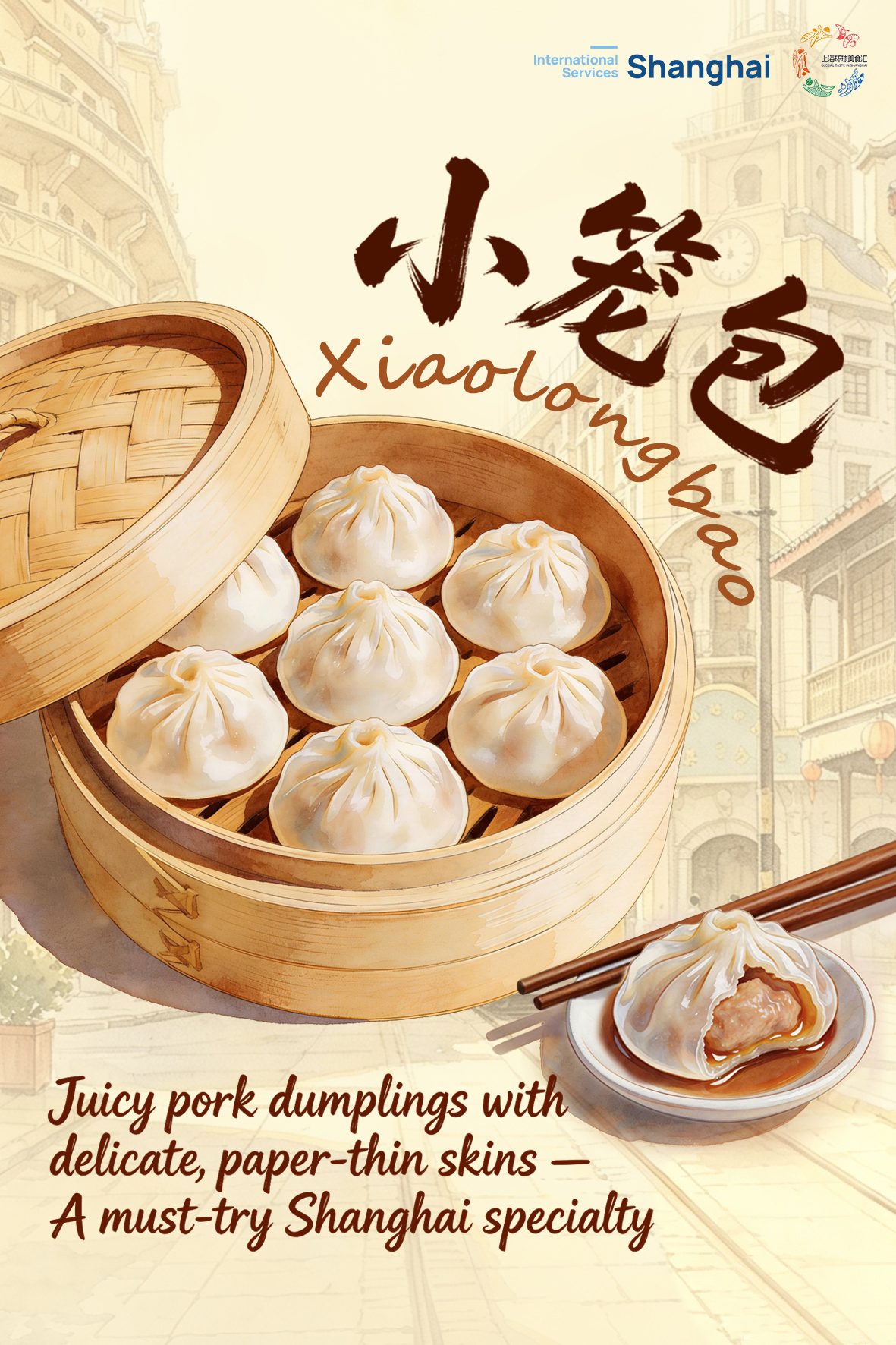
In Shanghai, few foods are as beloved as xiaolongbao, often known in English as soup dumplings. Served in bamboo steamers and filled with hot, savory broth, these small dumplings are a daily favorite for locals and a must-try for many visitors. Delicate in appearance but rich in flavor, they are a classic part of the city's food culture.
Origin: From mantou to Nanxiang xiaolongbao
The story of xiaolongbao can be traced back more than a millennium. During the Northern Song Dynasty (960-1127), in the capital city of Bianjing, now Kaifeng in Henan province, a type of stuffed steamed bun known as taixue mantou was popular among scholars.
At that time, the word mantou often referred to stuffed buns rather than the plain steamed buns known today. When large numbers of northern Chinese migrated south during the later years of the Northern Song Dynasty and early Southern Song Dynasty (1127-1279), they brought wheat-based cooking traditions with them. Over time, northern dough-making techniques blended with the ingredients and flavors of cuisine in Jiangnan, the regions south of the lower reaches of the Yangtze River.
The modern form of xiaolongbao appeared much later. In 1871, Huang Mingxian, owner of a pastry shop Ri Hua Xuan in Nanxiang, now part of Shanghai's Jiading district, refined the traditional meat bun by making it smaller, thinner-skinned, and more delicate. By adding meat jelly to the filling, he created dumplings that released rich soup when steamed.
Huang insisted on strict standards. Each dumpling was made with fresh pork, thin dough, and neatly folded pleats at the top. The result was elegant, bite-sized, and filled with fragrant broth. These dumplings soon became famous as Nanxiang xiaolongbao, and the dish eventually spread throughout Shanghai.
What makes it special
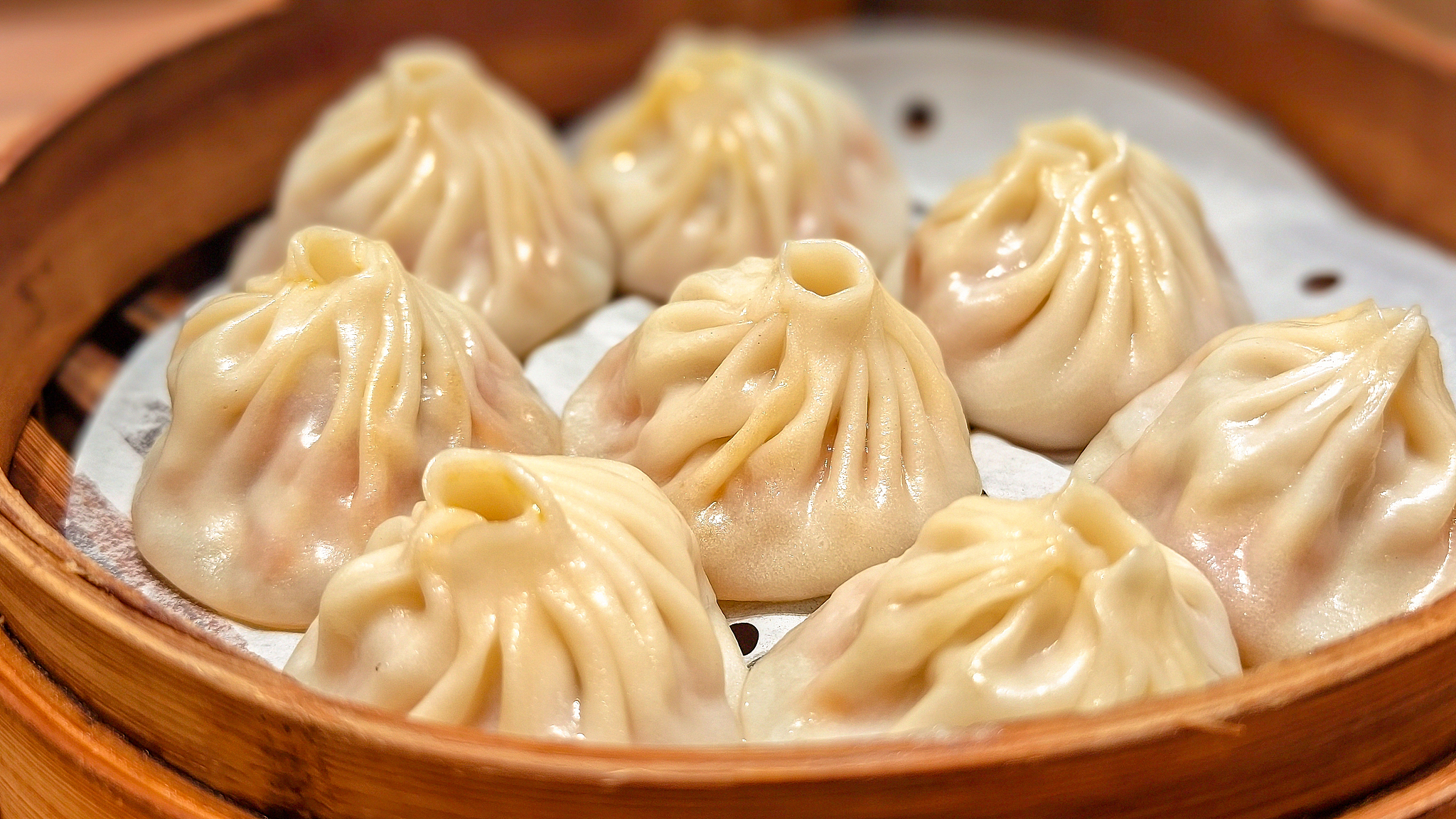
The charm of xiaolongbao lies in the balance of wrapper, filling, and soup.
The wrapper is thin and soft, yet strong enough to hold the hot broth inside. The filling is usually made with minced pork, with a careful balance of lean meat and fat for a smooth, juicy texture. During steaming, the jelly in the filling melts into soup, giving each dumpling its signature burst of flavor.
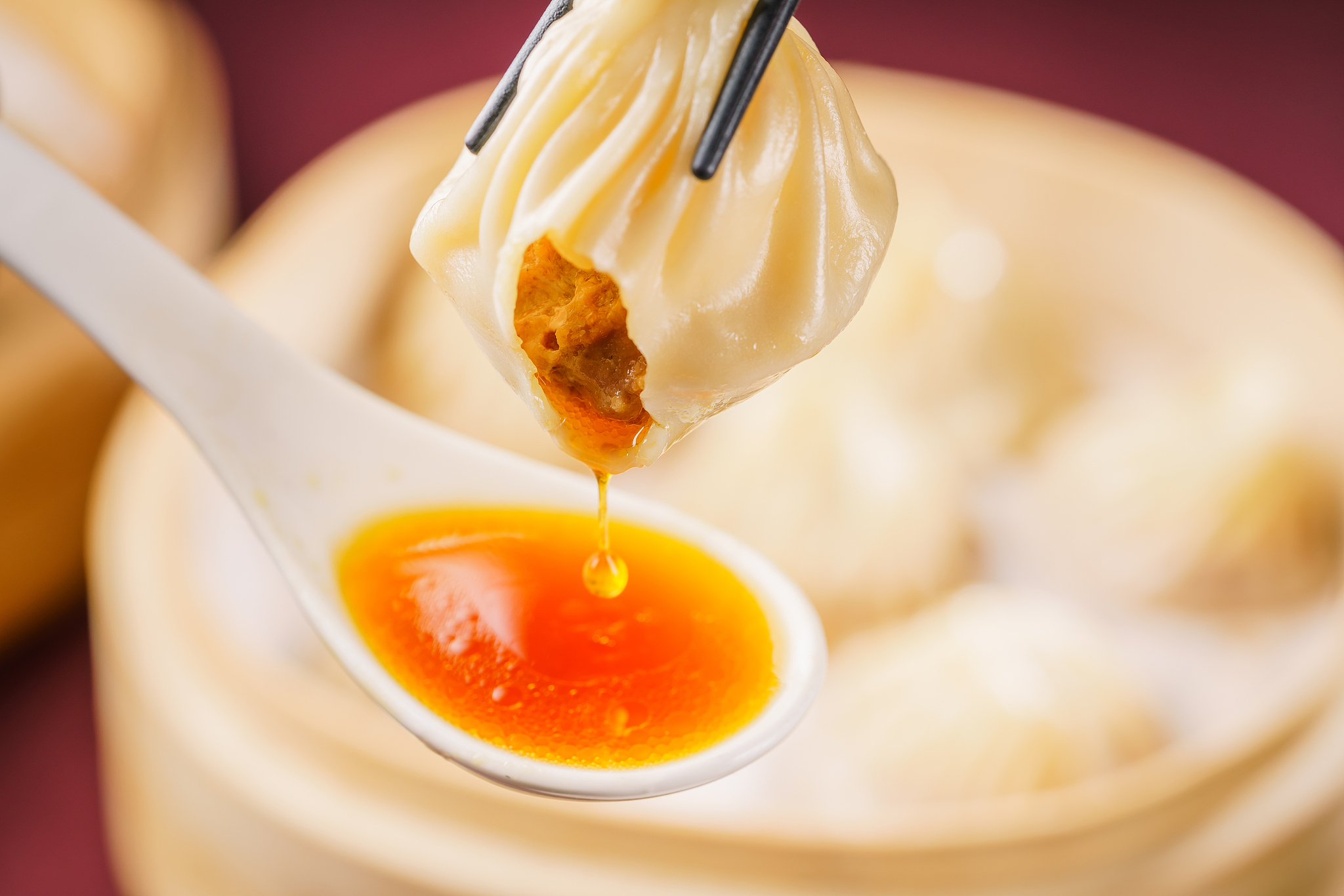
A well-made xiaolongbao is rich but not heavy. Many people enjoy it with a little Chinese black vinegar and shredded ginger, which add freshness and help balance the savory taste.
How to eat xiaolongbao
For first-time visitors, xiaolongbao is delicious but can also be a little tricky to eat because the soup inside is very hot. In Shanghai, there is a popular rule of thumb:
"Lift gently, move slowly, make a small opening, then sip the soup."
Chinese: 轻(qīng)轻(qīng)提(tí),慢(màn)慢(màn)移(yí),先(xiān)开(kāi)窗(chuāng),后(hòu)喝(hē)汤(tāng)。
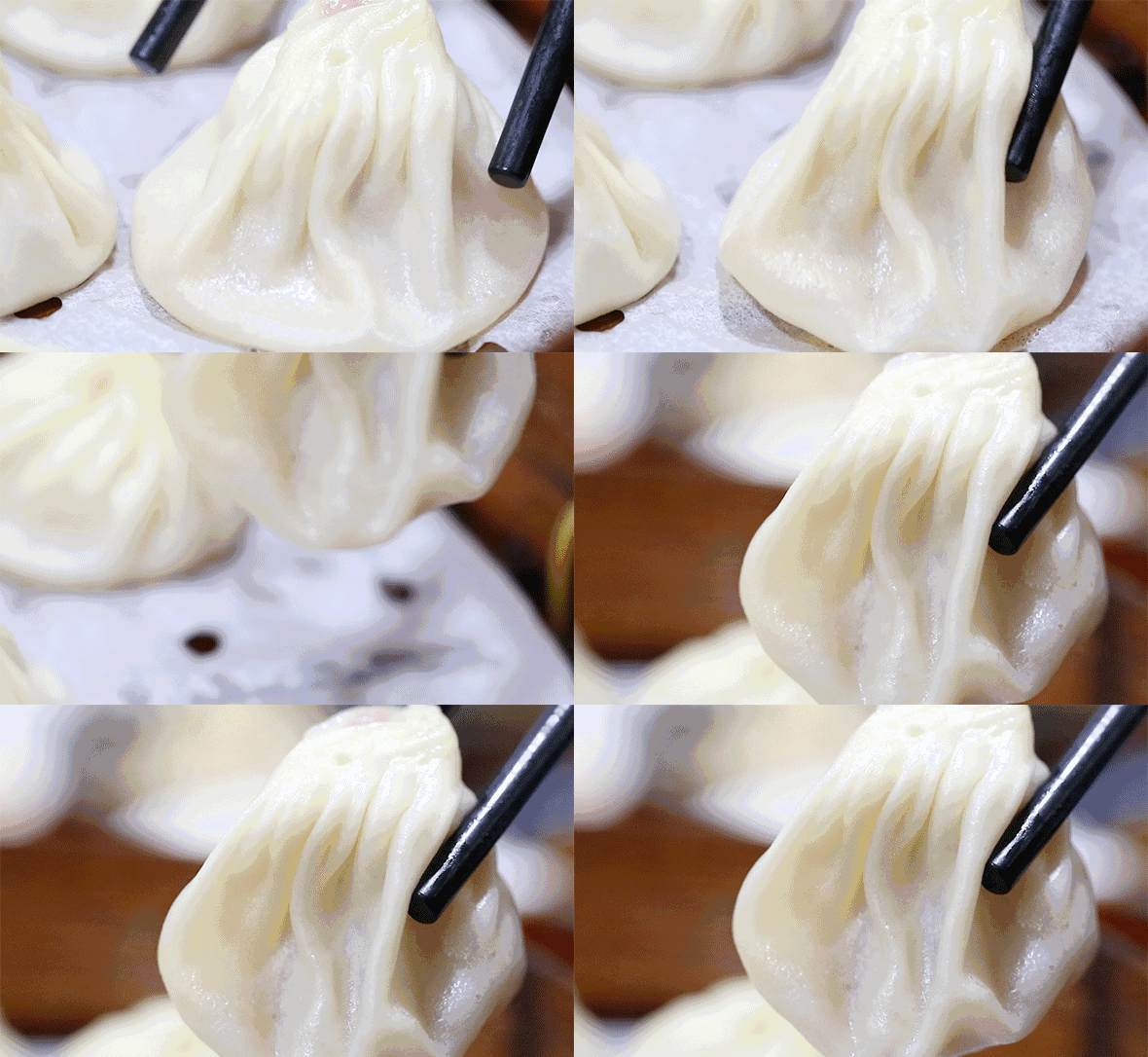
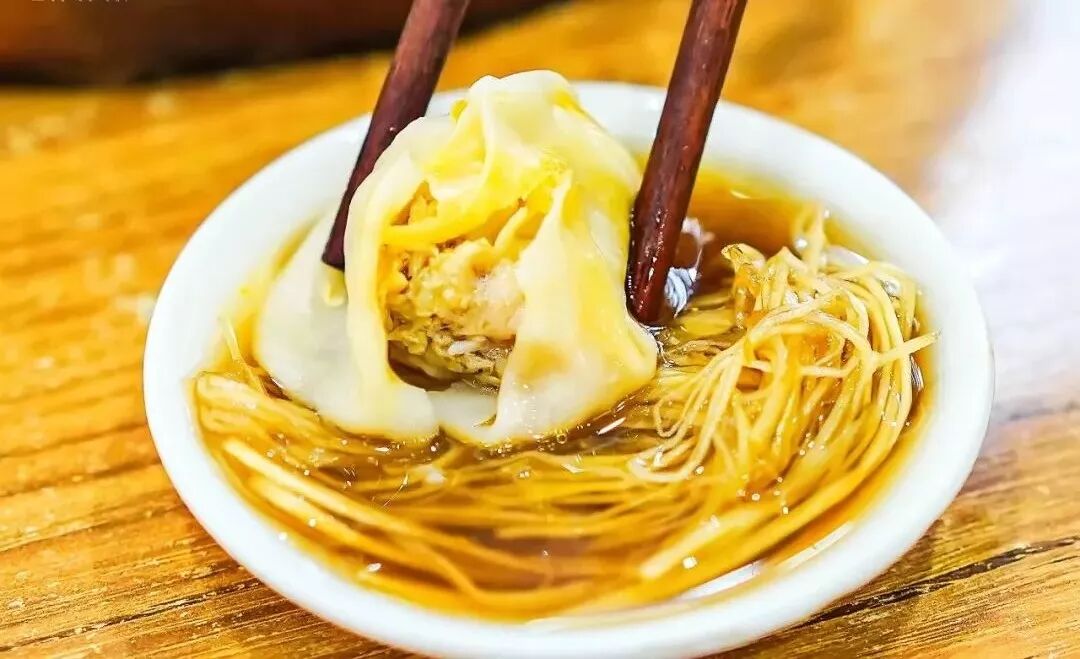
First, lift the dumpling gently by its folded top with chopsticks and place it on a spoon. Next, bite a small opening in the wrapper to let the steam out. Sip the soup carefully, then eat the rest of the dumpling with vinegar and ginger if you like.
This simple ritual is part of the fun and part of what makes the dish memorable.
Where to try it in Shanghai
Shanghai offers many great places to enjoy xiaolongbao, from historic brands to neighborhood favorites and refined modern restaurants. Here are some highlights:
Nanxiang Steam Bun Restaurant (南翔馒头店)
Founded in 1900, Nanxiang Steam Bun Restaurant is one of the most famous names associated with Shanghai's xiaolongbao and is recognized as a China Time-honored Brand. Classic pork and crab roe fillings are its specialty. Located inside Yuyuan Garden Malls, it is an easy stop while visiting the historic Yuyuan Garden area.
- Address: No 87 Yuyuan Road
- Business hours: 7:30 am to 8:30 pm
- Average cost: about 93 yuan ($13.38)
Lai Lai Xiao Long (莱莱小笼)
Lai Lai Xiao Long received the Michelin Bib Gourmand in Shanghai in both 2024 and 2025 and is widely known for its crab roe xiaolongbao. Fresh crabs are prepared daily, creating a rich seafood aroma balanced with pork. Many diners recommend tasting the soup dumplings first without vinegar, then adding a light dip to appreciate the difference in flavor.
- Address: No 506 Tianjin Road
- Business hours: 8 am to 2 pm, 3 pm to 8 pm
- Average cost: about 58 yuan
Wu You Xian (屋有鲜)
A Michelin one-star restaurant in 2025, Wu You Xian offers a refined interpretation of xiaolongbao. Each dumpling features 32 delicate folds and a wrapper enriched with duck egg yolk for extra elasticity. Fresh hairy crabs are prepared daily, and the signature tasting set allows diners to experience crab roe, crab paste, and crab meat fillings in one steamer. Located in the Huaihai Road shopping area, it is a convenient stop after exploring nearby boutiques and cafes.
- Address: Room 103, No 7 South Maoming Road
- Business hours: 9 am to 8 pm
- Average cost: about 130 yuan
Wan Shou Zhai (万寿斋)
With a history of about 70 years, Wan Shou Zhai is a well-known neighborhood eatery in Hongkou district. Its soup dumplings follow the Nanxiang xiaolongbao style, with thin wrappers, generous fillings, and a clear, savory broth. The restaurant is also famous for its three-delicacy wontons made with pork, dried shrimp, and bamboo shoots, a classic Shanghai combination.
- Address: No 123 Shanyin Road
- Business hours: 4:30 am to 9 pm
- Average cost: about 27 yuan
Jia Jia Tang Bao (佳佳汤包)
Founded in 1986, Jia Jia Tang Bao has grown into a popular chain with several locations across Shanghai. The branch on Huanghe Road is particularly well known, and many locals stop here for xiaolongbao after buying the famous palmiers from the nearby Park Hotel.
- Address: No 127 Huanghe Road
- Business hours: 7:30 am to 8:30 pm
- Average cost: 41 yuan
Best time to enjoy xiaolongbao
Xiaolongbao can be enjoyed all year round, but seasonal ingredients give it different highlights at different times of year.
In spring, some restaurants offer xiaolongbao with malantou, a fragrant wild green that adds a fresh herbal flavor.
In summer, lighter options may include lotus root or vegetable fillings, making the soup dumplings more refreshing.
Autumn is widely considered the best season because crabs are at their peak. Crab roe xiaolongbao becomes the star at that time of year.
In winter, xiaolongbao with winter bamboo shoots appears on some menus. The crisp texture of the shoots balances the richness of the pork.
A small dumpling that tells a Shanghai story
Xiaolongbao is more than a popular snack. It reflects the care, skill, and refined taste that are central to Shanghai cuisine.
Over the years, Nanxiang xiaolongbao has traveled far beyond its place of origin. It has won the favor of diners both in China and overseas, and has gradually become one of the best-known symbols of Shanghai cuisine.
It is also enjoyed by many international visitors to the city. Among the stories often associated with Nanxiang Steam Bun Restaurant is a visit by former Canadian Governor General Ramon John Hnatyshyn in the 1990s, during which he was served freshly steamed xiaolongbao and spoke highly of the dish.
Today, from local breakfast shops to restaurants abroad, this small dumpling continues to carry the flavor and craftsmanship of Shanghai cuisine to diners around the world.
Sources: ihchina.cn, thepaper.cn, WeChat accounts of Jiading, Huangpu, and Jing'an districts