'Yanduxian': A taste of spring in a single pot
In Shanghai, yanduxian (腌笃鲜, yān dǔ xiān) is more than just a seasonal dish. This hearty soup blends preserved and fresh ingredients in a single pot and has long been celebrated as a culinary herald of spring.
With its ivory-colored broth, tender salted pork (咸肉, xián ròu), fresh pork belly, and crisp spring bamboo shoots (春笋, chūn sǔn), the dish reflects the rhythm of the seasons and the combination of regional cooking traditions.
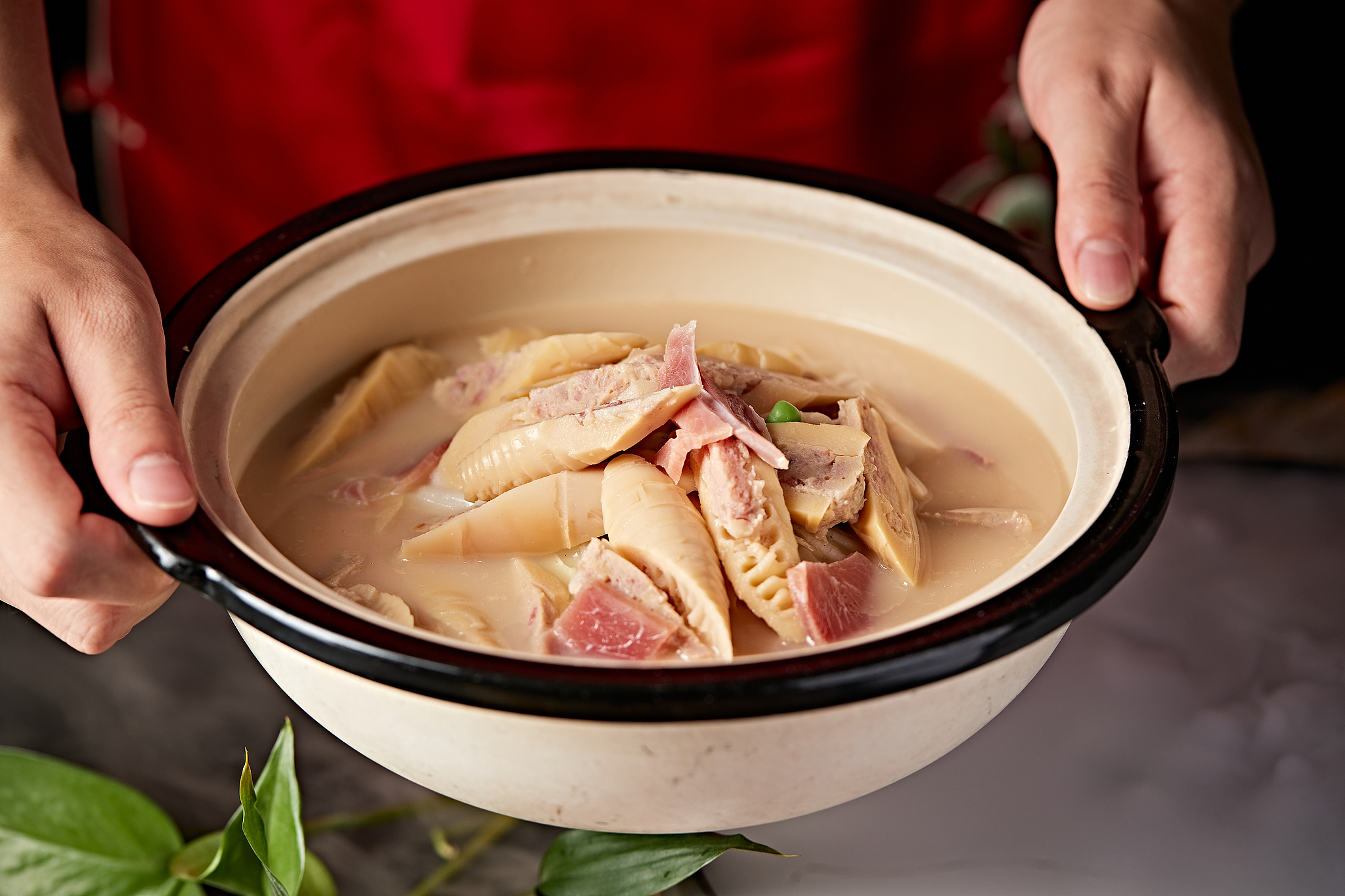
Origins: From the fields of Jiangnan to the tables of Shanghai
Yanduxian did not originate in Shanghai. It is widely believed to have come from East China's Anhui province and was once a simple dish prepared in rural areas across Jiangnan (江南, jiāng nán), the region south of the lower reaches of the Yangtze River.
As people and culinary traditions from different regions flowed into Shanghai, dishes like this gradually became part of the local dining scene.
Legend has it that the dish was originally called "yandunxian". However, when General Zuo Zongtang (1812-1885) of the Qing Dynasty (1644-1911) introduced it to Shanghai, his regional accent transformed "dun" into "du", and the name stuck. Over time, yanduxian became a staple of Shanghai home cooking (家常菜, jiā cháng cài).
What makes it special
The name yanduxian reveals the technique behind the dish:
- "Yan" (腌, yān) refers to salted pork, which carries the savory depth of winter.
- "Du" (笃, dǔ) is the soul of the dish. In local dialect, it is an onomatopoeia for the gentle glug-glug sound of bubbles rising in a pot over low heat.
- "Xian" (鲜, xiān) celebrates the fresh spring harvest, including pork belly and tender bamboo shoots.
At its core, yanduxian unites the flavors of two seasons. Salted pork lends richness, fresh pork contributes a tender texture, and bamboo shoots bring a delicate crunch and fragrance.
Where to try it in Shanghai
Lyceum (兰心餐厅)
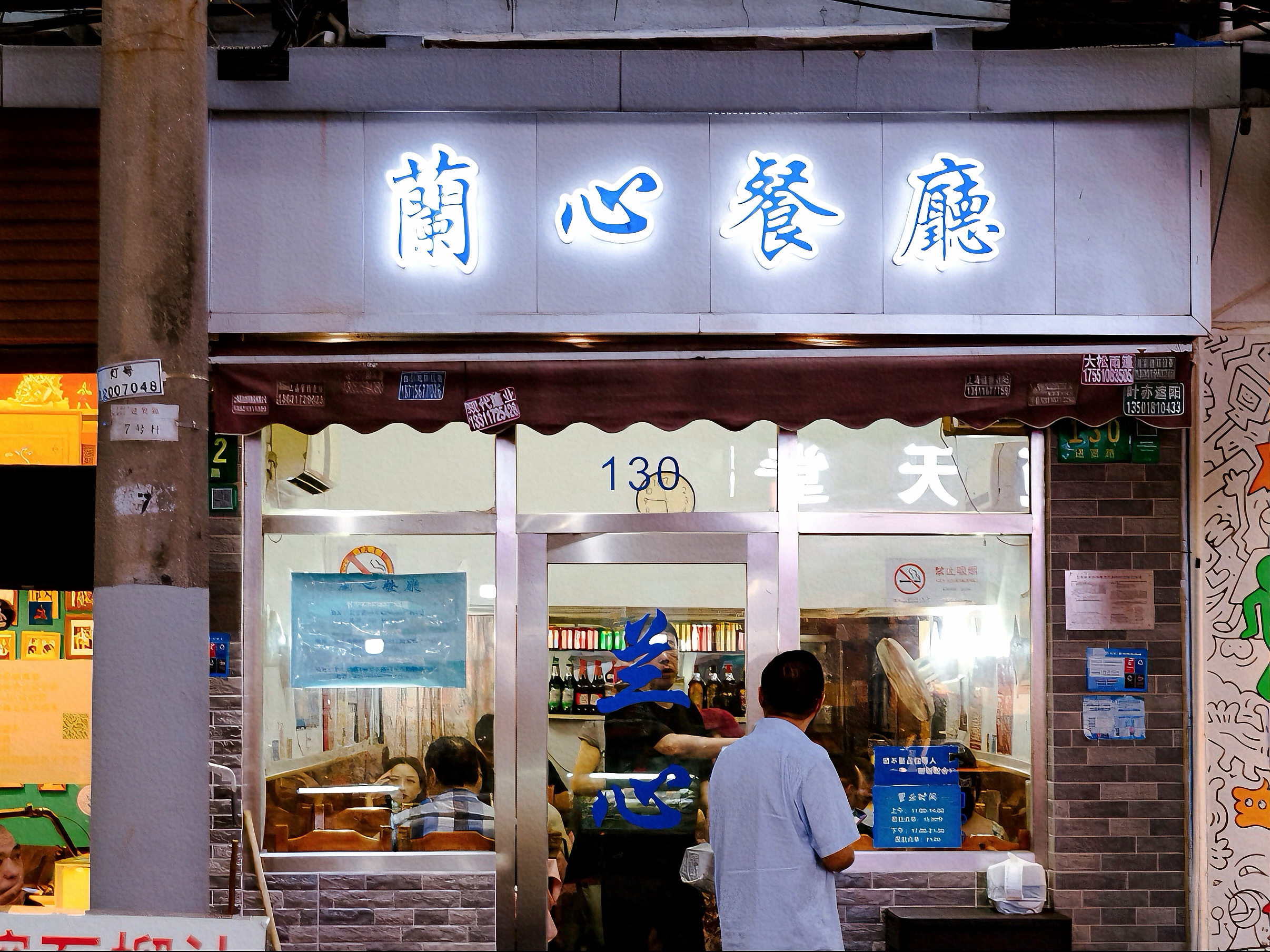
A Bib Gourmand restaurant for eight consecutive years, Lyceum serves straightforward, home-style dishes. Its yanduxian is a seasonal favorite, presented in a clay pot with pork, bamboo shoots, and tofu knots (百叶结, bǎi yè jié). Expect a humble, bustling atmosphere where sharing tables is commonplace. It offers a true taste of daily life in Shanghai.
- Address: No 130 Jinxian Road
- Business hours: 11 am to 2 pm, 7 pm to 9 pm
- Average cost: About 92 yuan ($13.46) per person
Lao Zheng Xing (老正兴)
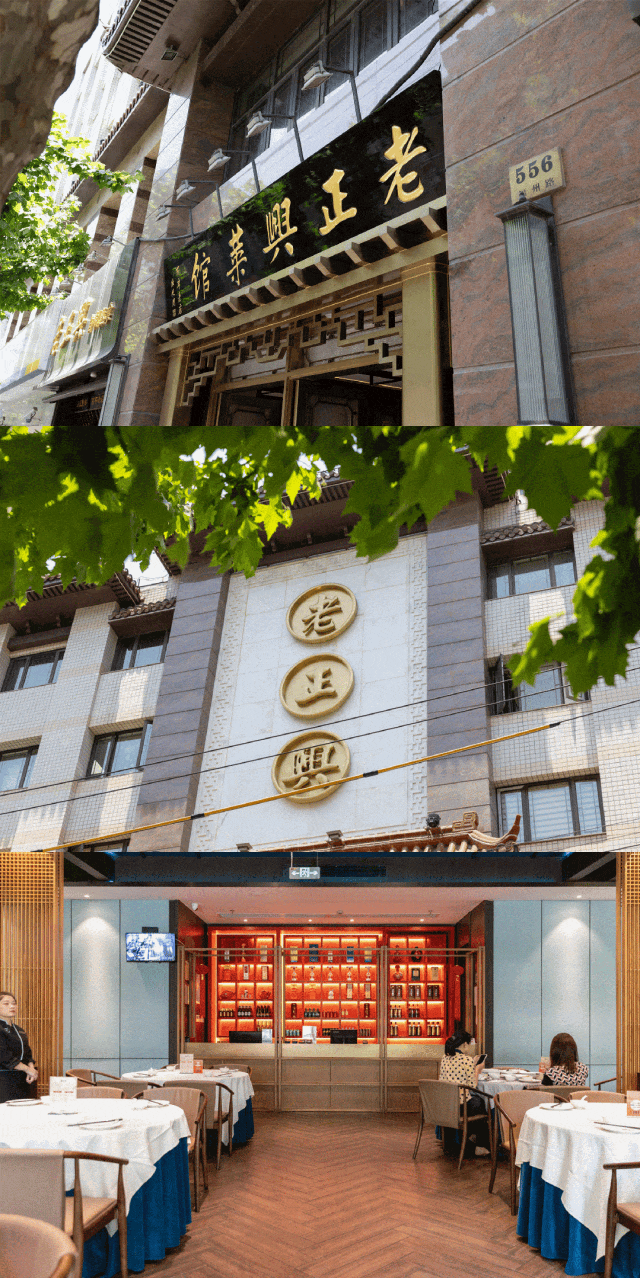
As a Michelin one-star restaurant for nine years, this long-established restaurant offers a more refined dining setting. Its version features tender bamboo shoots and a balanced mix of fresh and salted pork, resulting in a rich but clean-tasting broth.
- Address: No 556 Fuzhou Road
- Business hours: 11 am to 2 pm, 5 pm to 9 pm
- Average cost: About 153 yuan per person
Other reliable options include De Xing Restaurant (德兴馆), Guang Ming Cun (光明邨大酒家), and Wang Jia Sha (王家沙). They all offer multiple locations and focus on traditional local dishes.
For a spring-only variation, try yanduxian xiaolongbao (小笼包, xiǎo lóng bāo) at Nanxiang Steamed Bun Restaurant (南翔馒头店). Fresh bamboo shoots are added to the traditional pork filling, giving the dumplings a crisp texture while maintaining their signature rich broth.
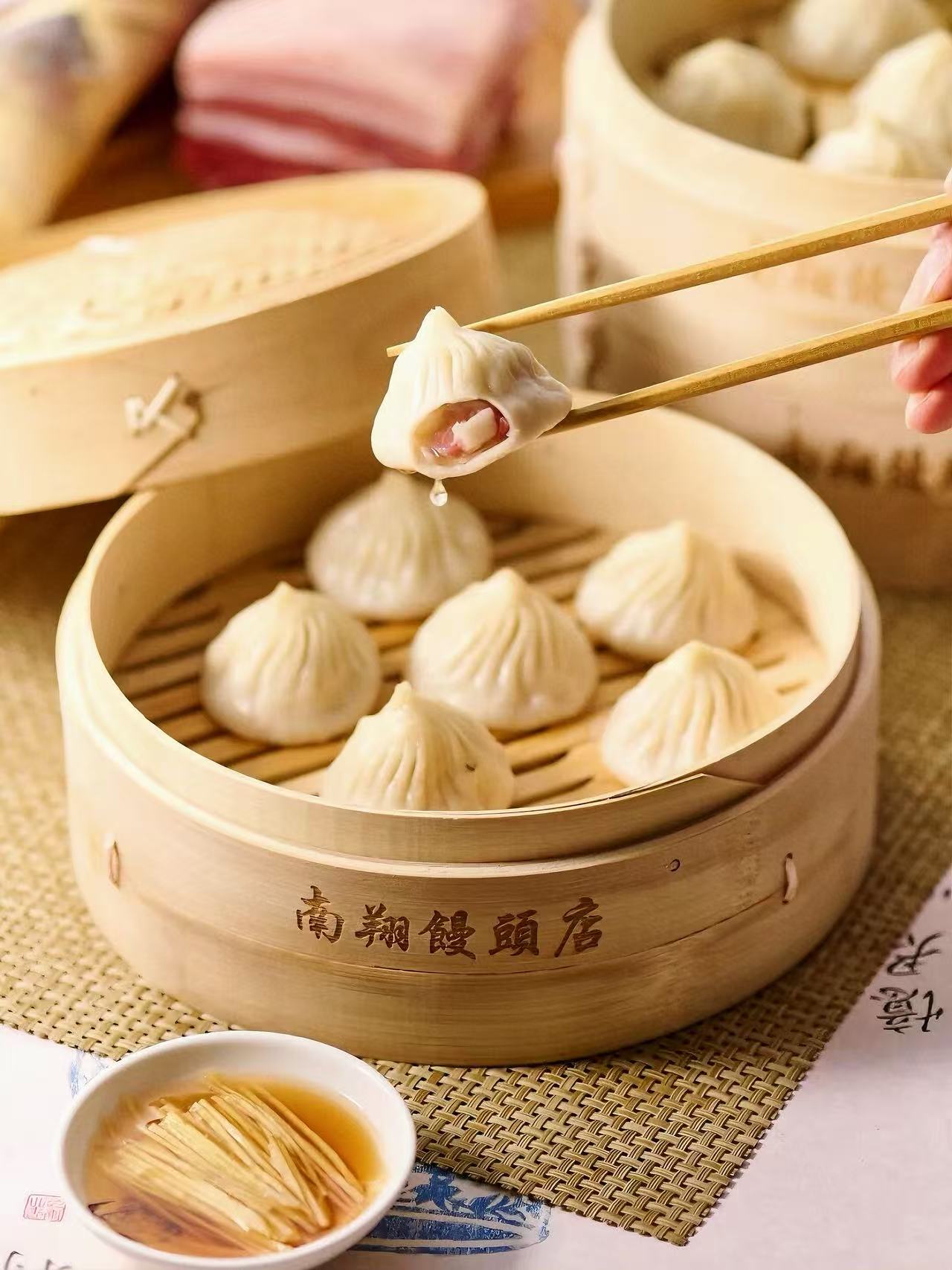
- Address: No 87 Yuyuan Road, Huangpu district
- Business hours: 7:30 am to 8:30 pm
How to make yanduxian at home
Yanduxian is simple to make, but its success depends on good ingredients.
(1) Choosing ingredients like a local
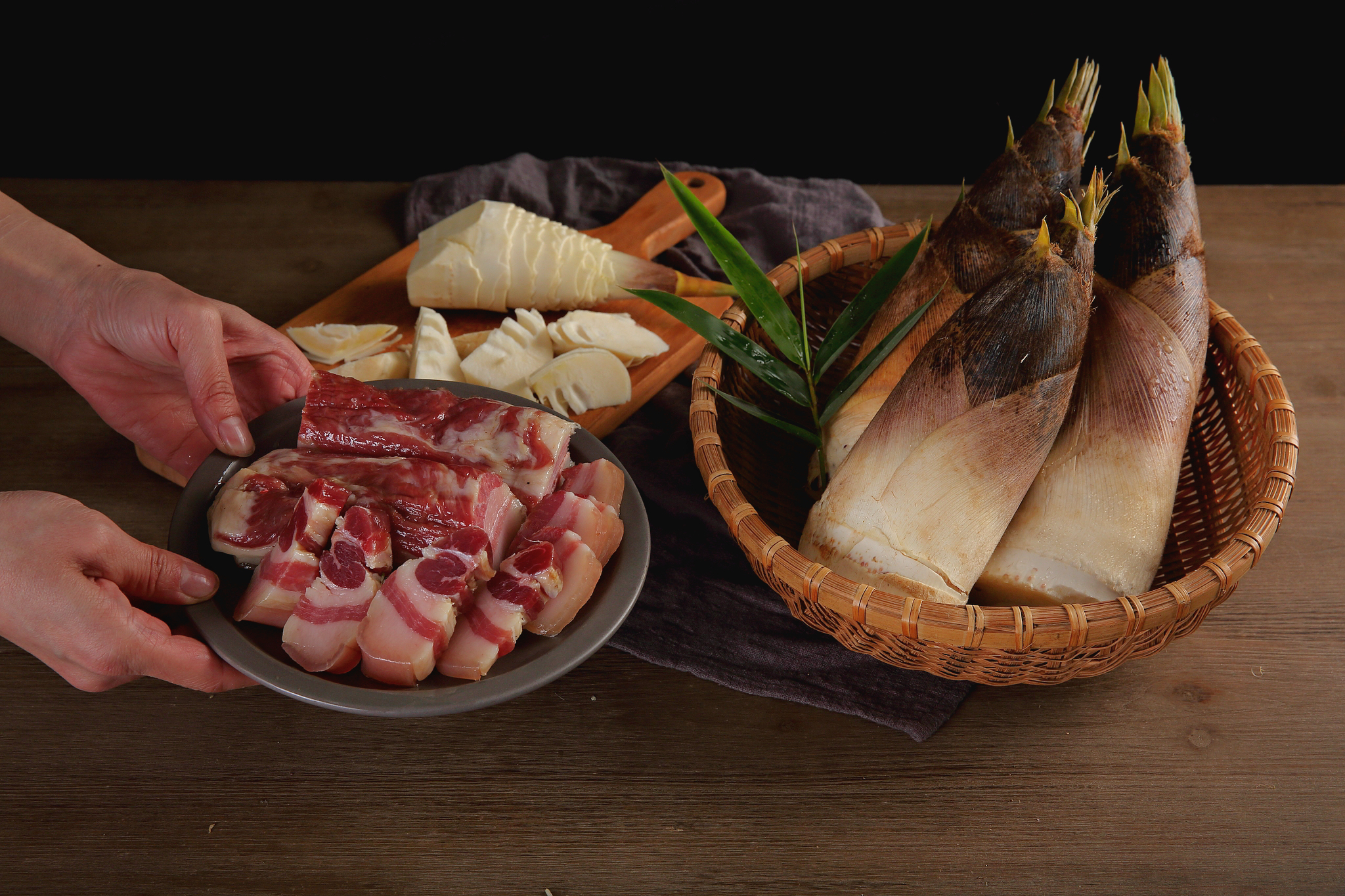
Salted pork: Look for meat with a bright red hue and transparent fat. Avoid pieces that look dull or overly dry.
Fresh pork: Choose pink or red lean meat with white fat. If you press it gently, the meat should spring back quickly.
Spring bamboo shoots: Pick shoots with pale yellow shells and tightly packed nodes. The tighter the segments are, the more tender the bamboo will be.
(2) The cooking process
Preparation: Peel and cut bamboo shoots into bite-sized pieces and cut the pork into chunks. Blanch the salted pork, fresh pork, and bamboo shoots in boiling water to remove excess salt and impurities.
Sauteing: Heat a small amount of oil in a pot and lightly saute sliced ginger, scallions, and star anise until fragrant. Add the salted pork and cook briefly until aromatic. Then add the bamboo shoots and fresh pork, stirring to coat them in the aromatics.
Simmering: Pour in enough boiling water to cover the ingredients. Cook gently over low heat for at least one hour until the broth turns milky. Listen for the gentle glug-glug that signals the "du" process is working.
Finishing: About 10 minutes before serving, add tofu knots or vegetables such as celtuce.
Seasoning: Additional seasoning is generally unnecessary, as the salted pork naturally imparts sufficient flavor.
Sources: eastday.com, chinanews.com.cn, WeChat account of Huangpu district