Pan-fried pork buns
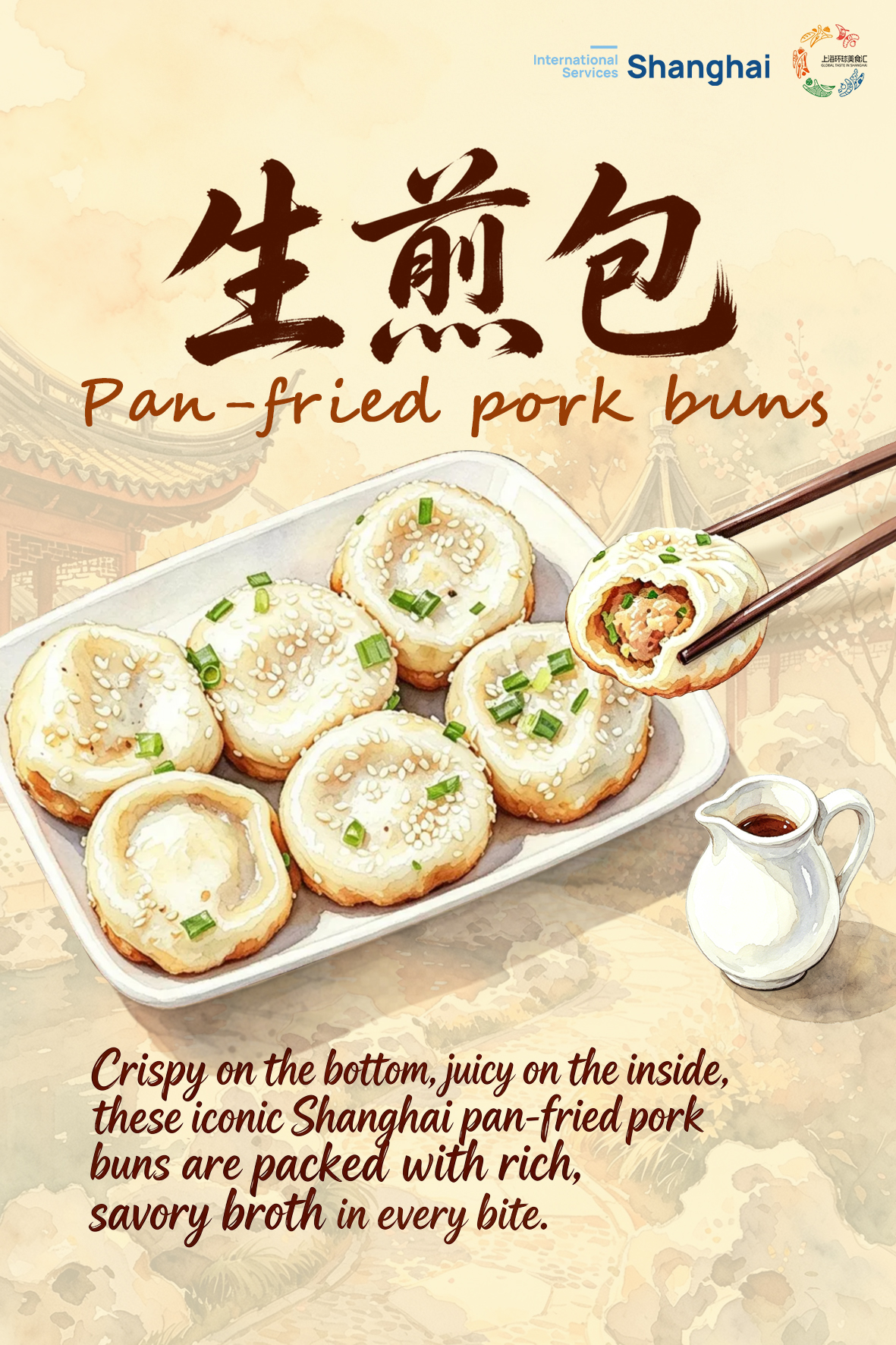
In Shanghai, few foods are as ubiquitous, or as passionately debated, as shengjian (生煎, shēng jiān), often described in English as pan-fried pork buns.
Though they're now a Shanghai staple, their story began in neighboring Suzhou in Jiangsu province in the early 1910s. By the 1920s, they had made their way to Shanghai, where they were served as a simple snack in tea houses and neighborhood hot water stations known as laohuzao, or "tiger stoves".
Why are they called 'mantou'?
In Chinese, the full name is shengjian mantou (生煎馒头, shēng jiān mán tou), which can be confusing if translated directly. Historically, mantou referred to all filled buns. While northern China later made a distinction between mantou (plain) and baozi (filled), Shanghai and the rest of the Jiangnan region (to the south of China's Yangtze River) retained this older usage.
The mystery of the 'four-piece' order
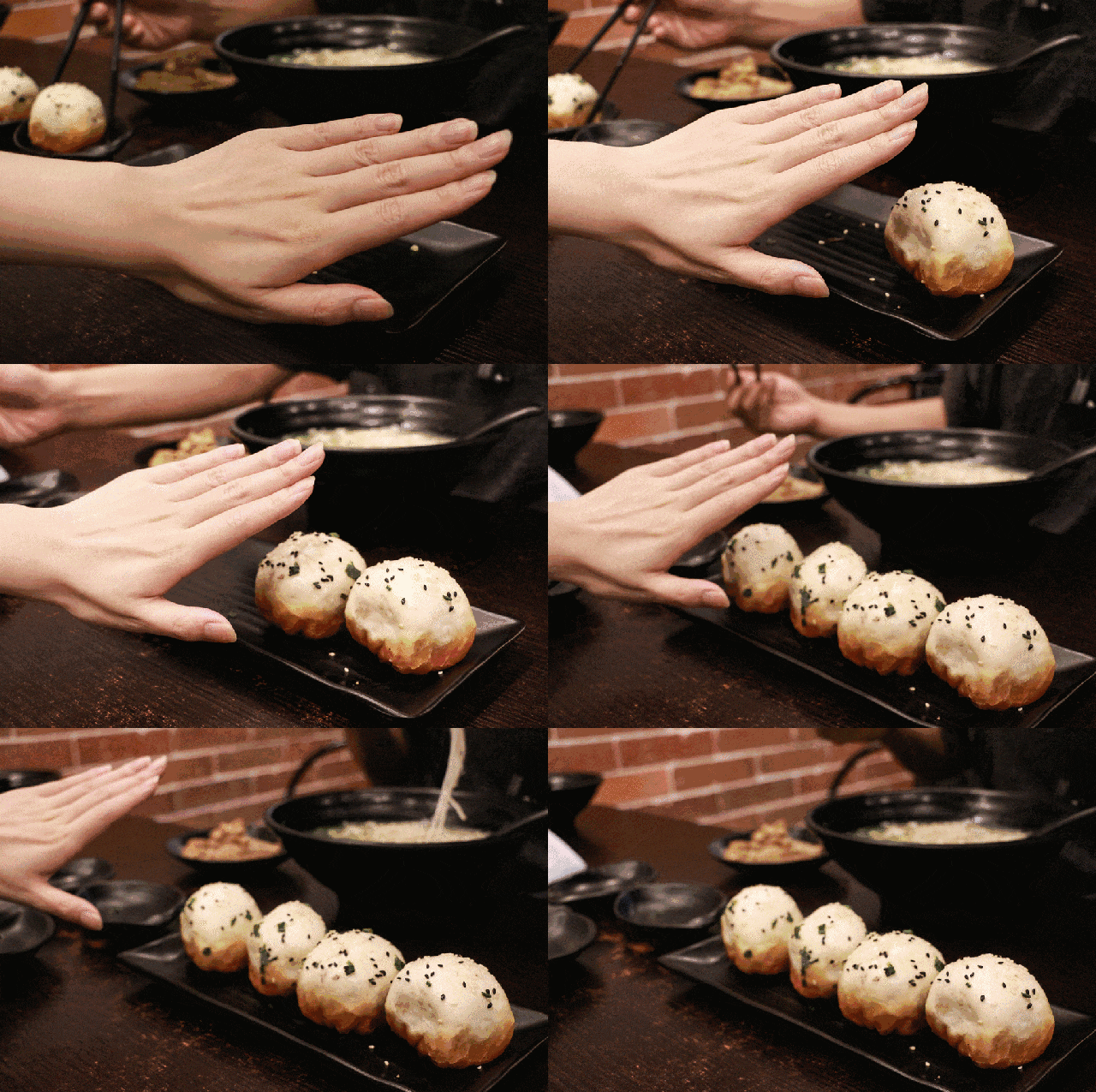
If you visit a local shop, you'll notice people ordering by the liang (两, liǎng). While liang is a unit of weight equal to 50 grams, in the world of shengjian, it refers to four buns. Traditionally, one liang of flour was used to make four buns. Over time, "one liang, four pieces" became a familiar way to order shengjian. This custom still holds today.
The two defining styles of shengjian
Understanding shengjian begins with the divide between hunshui (浑水, hún shuǐ) and qingshui (清水, qīng shuǐ).
The hunshui (soup-filled) style is known for its richness. It uses semi-leavened dough, with the buns pleated face-down and filled with pork mixed with aspic (皮冻, pí dòng). This essential ingredient, made by simmering pork skin into a concentrated gelatin, creates the burst of juice that defines the style. Once the buns hit the pan, the solid aspic melts into a rich, scalding broth, trapped inside by the dough.
On the other hand, the qingshui (without added aspic) style uses fully leavened dough, with the buns pleated face-up. It skips the aspic, relying on the natural juices of the meat. The texture is more bread-like, and the flavor is cleaner.
Where to try them
Da Hu Chun
(大壶春)
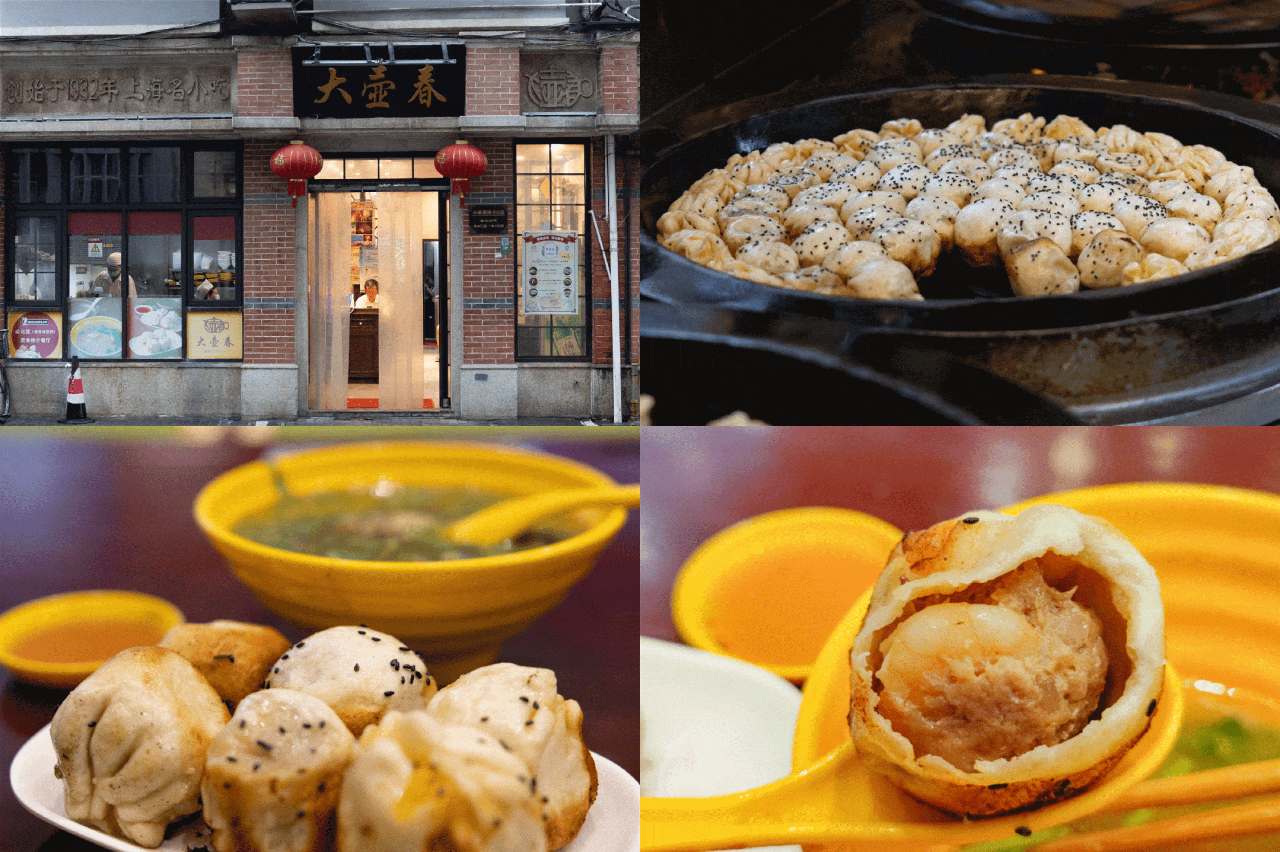
Founded in 1932, Da Hu Chun is a leading representative of the qingshui style. Local fans call it the "naked beauty with pleats facing the sky" because it does not rely on an abundance of soup. The fully fermented dough is soft and airy, while the base is fried to a cracker-like crisp.
- Address: No 136 Middle Sichuan Road
- Business hours: 7 am to 7:30 pm
- Price: 11 yuan ($1.61)/4 pieces
Lao Zheng He
(老正和生煎)
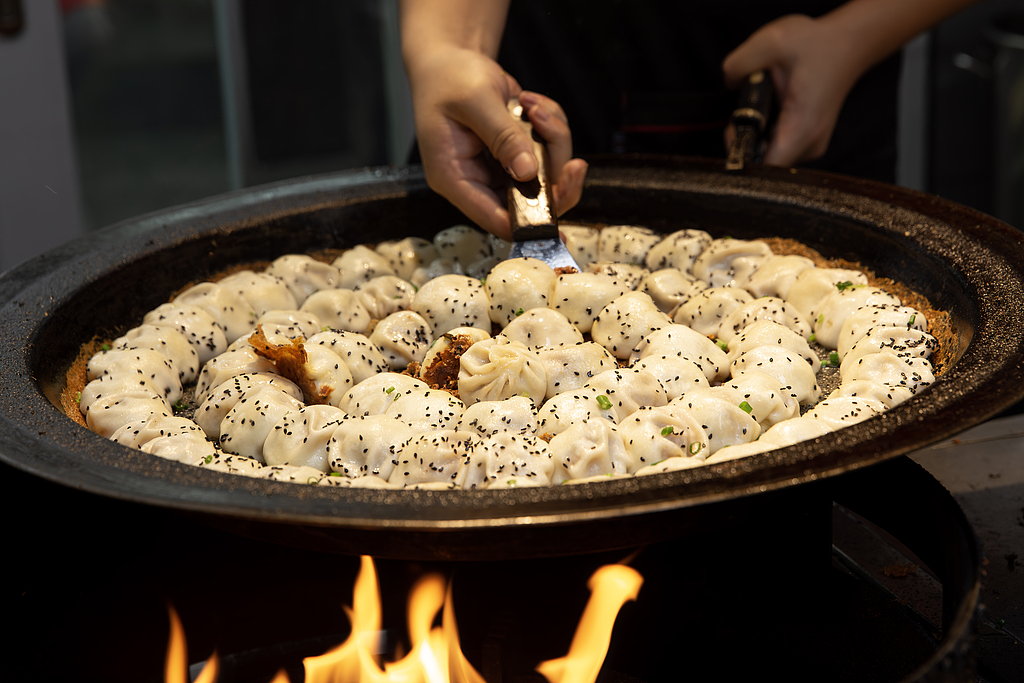
Historically linked to the origins of shengjian, Lao Zheng He offers a "middle ground". While it follows the qingshui tradition of pleating face-up with fermented dough, it retains some meat juices without becoming too dry, making it a more balanced option for those trying it for the very first time.
- Address: No 11 South Sichuan Road
- Business hours: 6:30 am to 9 pm
- Price: 11 yuan/4 pieces
Dong Tai Xiang Shanghai Dim Sum
(东泰祥生煎馆)
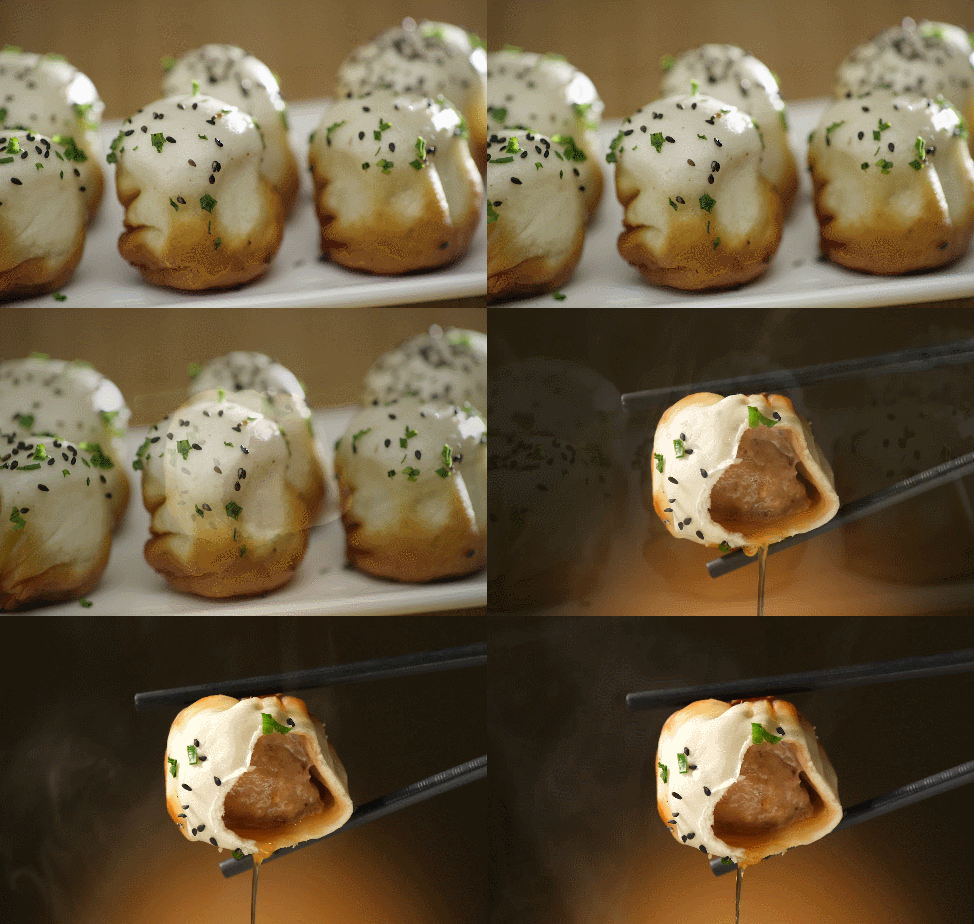
As the only shengjian restaurant in Shanghai whose semi-fermented technique has been recognized as an intangible cultural heritage item, Dong Tai Xiang is widely regarded for its craftsmanship. A hallmark of their quality is that the buns remain plump and never collapse even after cooling, which shows impressive dough-making skill.
- Address: No 188 North Chongqing Road
- Business hours: Open 24 hours
- Price: 13 yuan/4 pieces
Luo Chun Ge
(萝春阁)
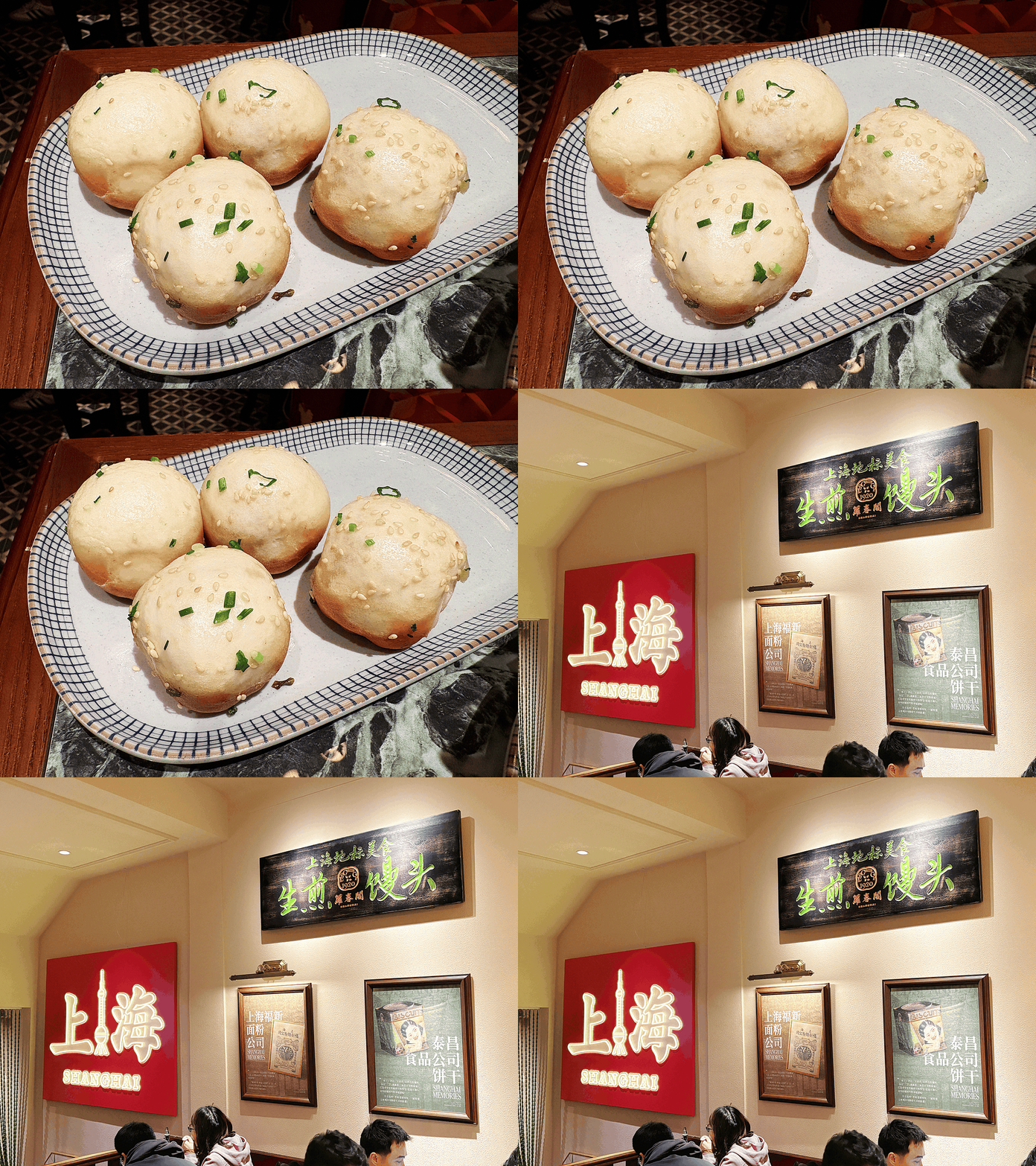
A pioneer of the hunshui style, Luo Chun Ge has recently revived the tradition, returning to the "old way" of seasoning the filling with traditional soy sauce. This creates a signature "red soup" that's richer and more savory than the modern, clearer broths found elsewhere.
- Address: No 425 Middle Zhejiang Road
- Business hours: 9 am to 7 pm
- Price: 9 yuan/4 pieces
Shu Cai Ji
(舒蔡记生煎菜饭)
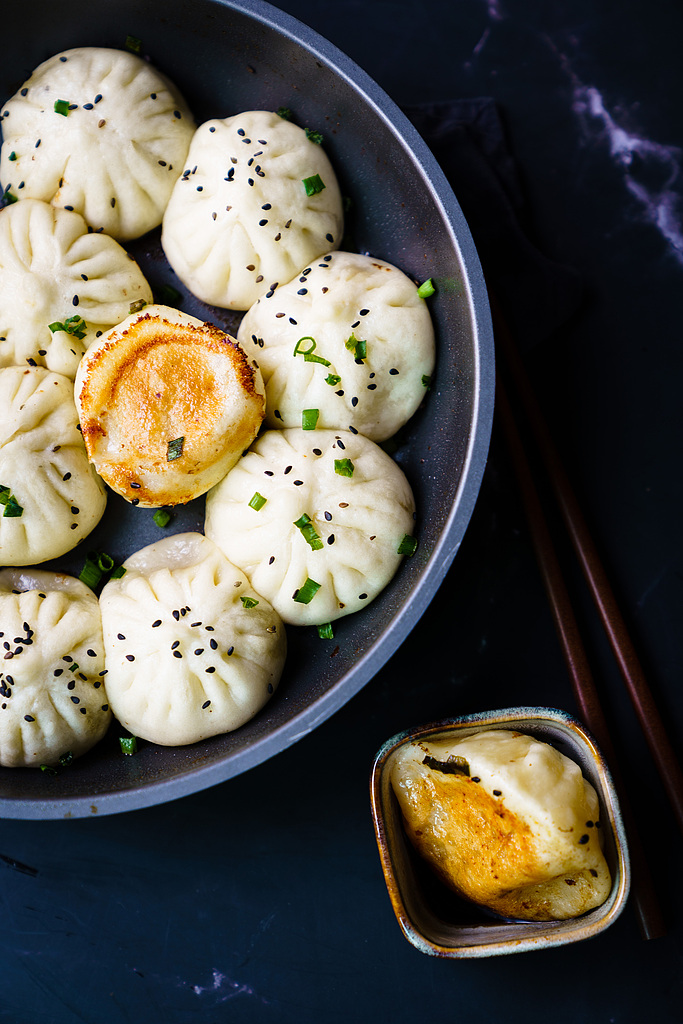
A quintessential local spot near People's Square. Expect thin skins, a well-seared bottom, and a sweet-savory broth that captures the unpretentious, vibrant street-side energy of old Shanghai.
- Address: No 120 Middle Zhejiang Road
- Business hours: 7:30 am to 7:30 pm
- Price: 10 yuan/4 pieces
Yang's Fry-Dumpling
(小杨生煎)
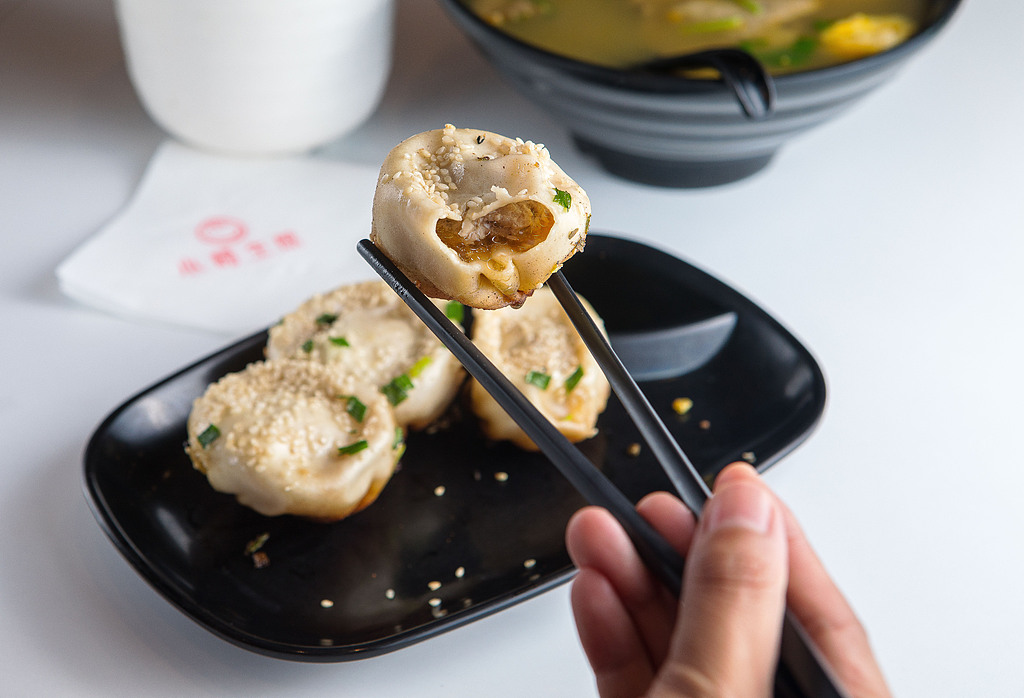
A modern innovator, Yang's has popularized an unleavened, thin-skinned version with plenty of broth inside since 1994. While traditionalists debate its "authenticity", its popularity at home and abroad speaks to its distinctive flavor.
- Address: No 97 Huanghe Road
- Business hours: 6:30 am to 10 pm
- Price: 13 yuan/4 pieces
How to eat shengjian
To avoid spilling the hot broth on your clothes, follow the three-step process:
1. Place the shengjian on a spoon, make a small opening at the top, and sip the hot broth.
2. Enlarge the opening and enjoy the seasoned pork filling.
3. Finally, dip the crispy bottom and dough into vinegar. Locals traditionally avoid vinegar during the first two steps to ensure the natural aroma of the meat comes through clearly.
The classic pairing
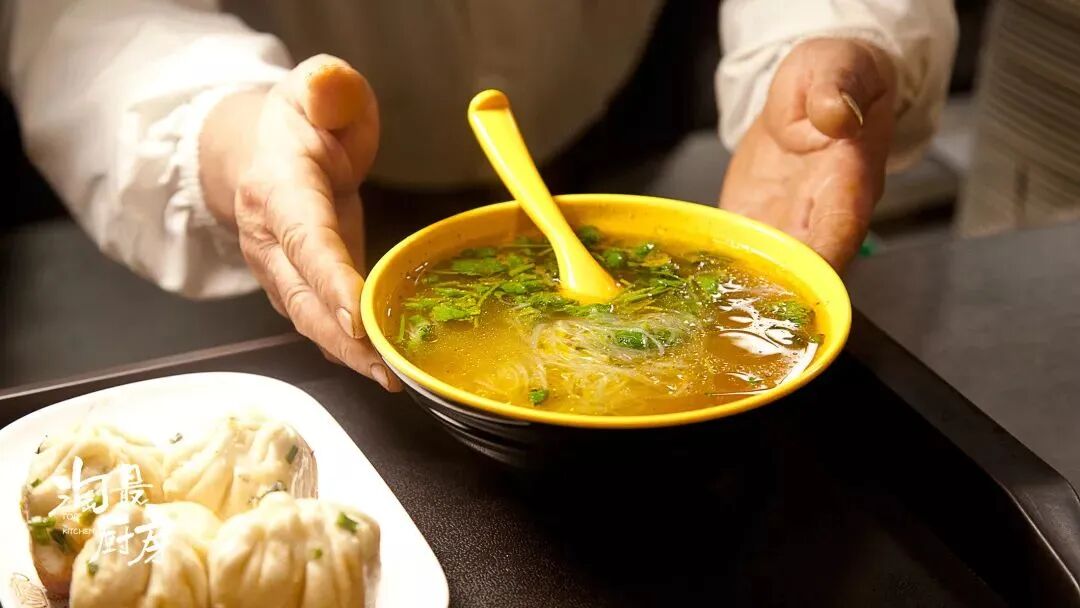
In every traditional restaurant, the classic accompaniment is a bowl of curry beef vermicelli soup (咖喱牛肉粉丝汤, gā lí niú ròu fěn sī tāng). The spice of the curry and the lightness of the vermicelli help balance the richness of the fried buns, completing the meal.
Sources: Shanghai Municipal Administration of Culture and Tourism, Huangpu district government