Pork and vegetable wontons
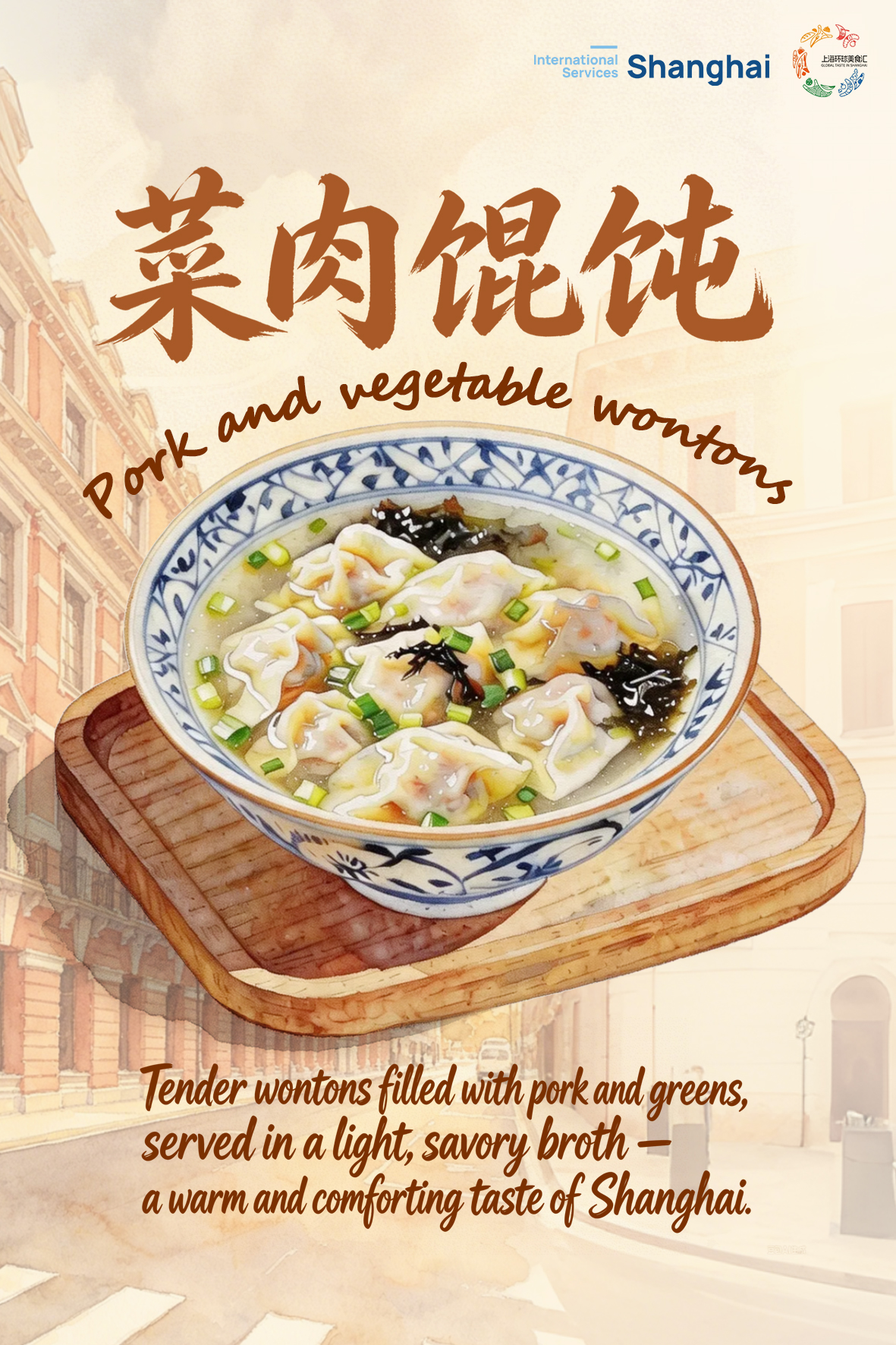
Cairou huntun, or pork and vegetable wonton (菜肉馄饨, cài ròu hún tún), can be found almost everywhere in Shanghai, from local eateries and longstanding snack shops to restaurant chains and home kitchens. Simple and affordable, it remains one of the city's most beloved comfort foods.
Origin
Wontons are generally believed to have originated in northern China before developing into a variety of regional styles, including Shanghai-style wontons.
One of the city's most distinctive food traditions was the chaipan huntun (柴爿馄饨, chái pán hún tún) vendor. These mobile vendors sold freshly cooked wontons from bamboo pole carrying stands equipped with a small stove, bowls, utensils, seasonings, and even a cash box. Widely believed to have been introduced by people from East China's Anhui province, they provided an inexpensive late-night meal for generations of Shanghai residents.
Historical newspaper advertisements show that cairou huntun was already a familiar menu item in Shanghai during the 1930s and 1940s.
What makes cairou huntun different
Across China, stuffed dough dishes appear in many forms. Cantonese wontons typically feature thin wrappers and relatively small fillings that often include whole shrimp, and are commonly served in broth with noodles. Sichuan chaoshou, by contrast, are known for their bold flavors and are often dressed with chili oil, Sichuan peppercorns, and other seasonings.
Shanghai-style wontons, by comparison, emphasize freshness and balance. The filling typically combines ground pork with leafy greens, usually bok choy (青菜, qīng cài) or shepherd's purse (荠菜, jì cài). The vegetables bring a natural sweetness that lightens the richness of the pork.
Just as important is the broth. Often simmered with pork bones, chicken bones, or ham, the broth is kept clear and lightly seasoned with a pinch of salt and a touch of lard. Scallions, egg crepe strips, and dried seaweed are commonly added before serving.
Where to try it in Shanghai
Shengxing Tangyuan
盛兴汤圆店
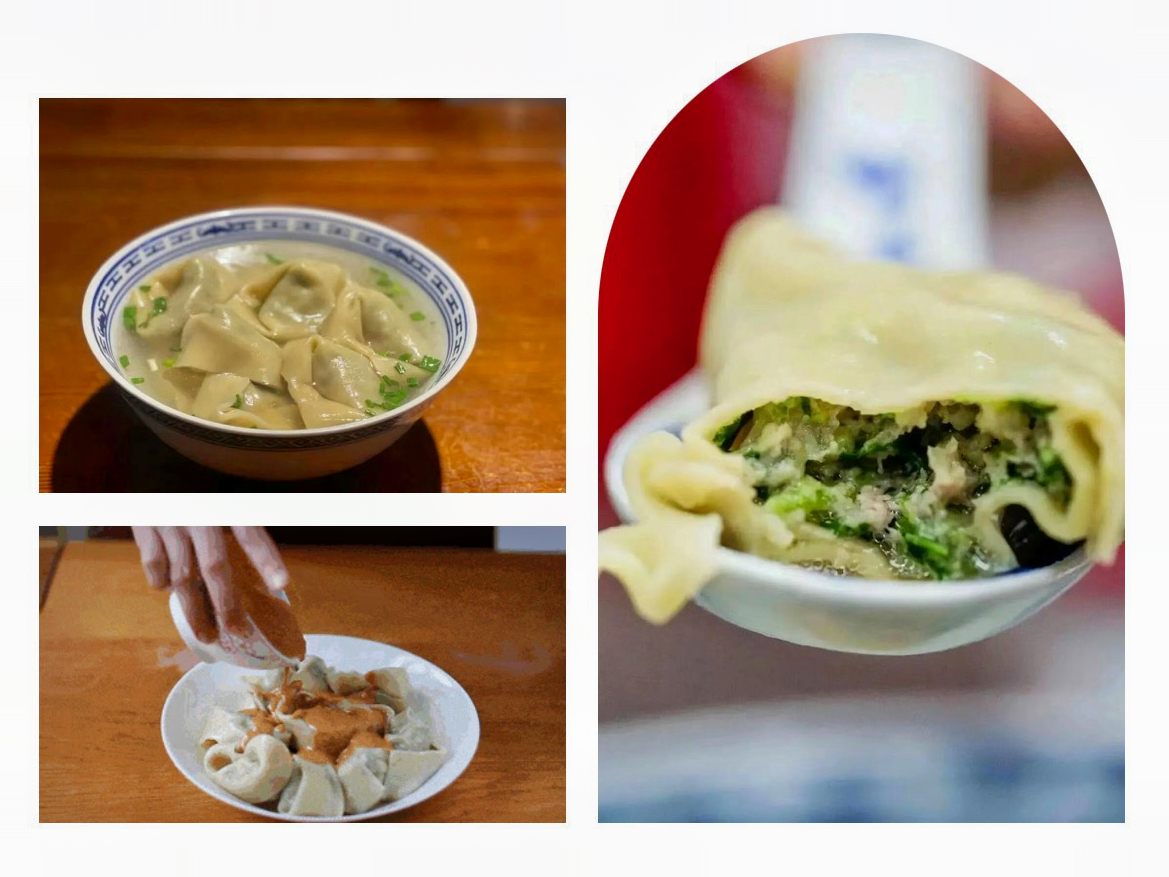
Its pork and vegetable wontons are made with dark alkaline wrappers that have a slightly yellow tint. The wrappers are chewy, non-sticky, and firm enough to hold their shape in the broth. Generous fillings and a soup seasoned with lard and spicy seasoning powder give the dish a distinctly old-school Shanghai character.
Address: No 8 Sinan Road
Menghuajie Wonton
梦花街馄饨
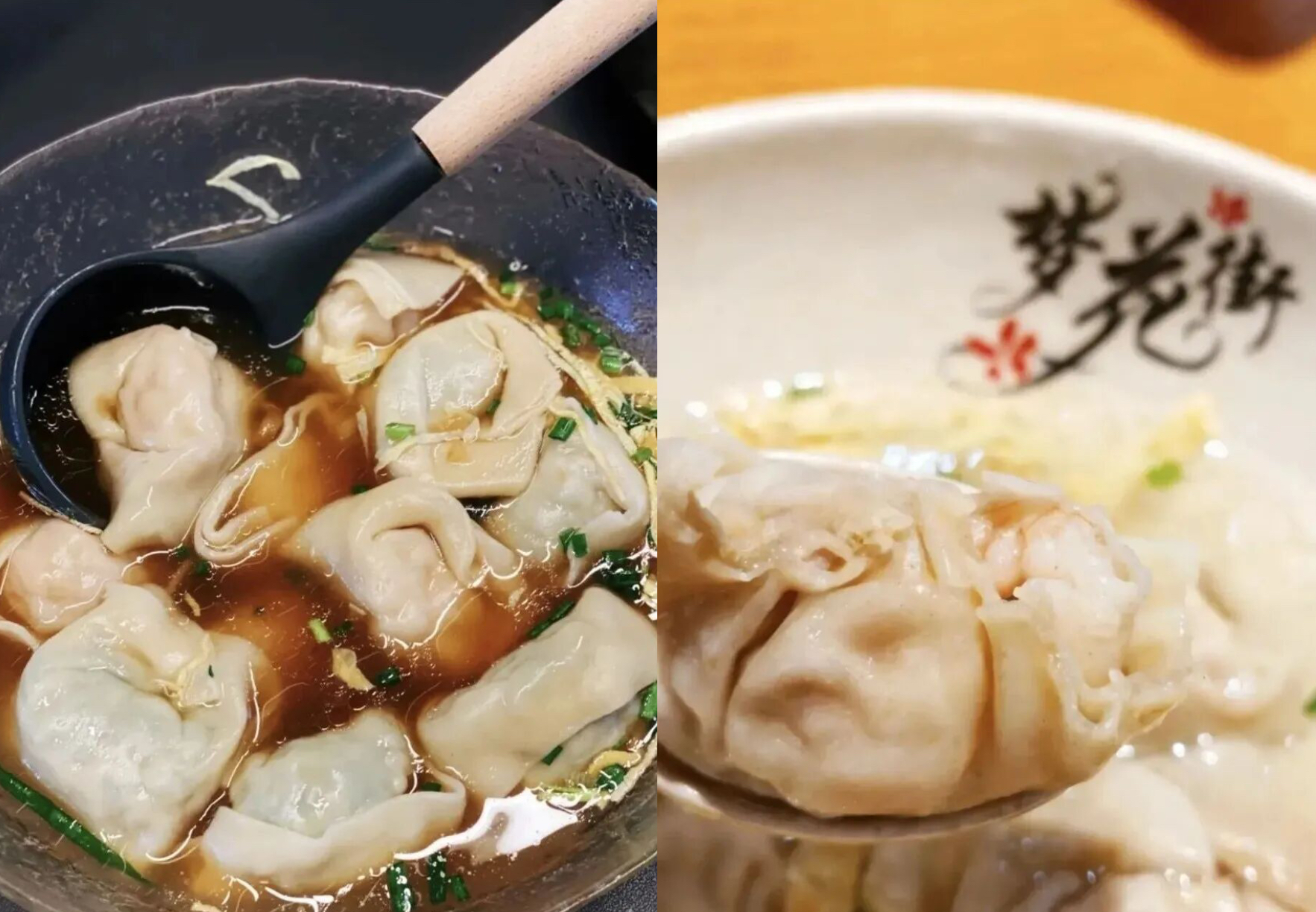
This humble neighborhood shop now operates on Zhonghua Road after years of urban change. Its wontons are generously sized and filled with fragrant shepherd's purse and pork. A spoonful of lard, together with egg crepe strips, scallions, and diced preserved mustard greens, adds extra depth to the broth.
Address: No 805 Zhonghua Road
Hualiang Heipi Wonton
华良黑皮馄饨
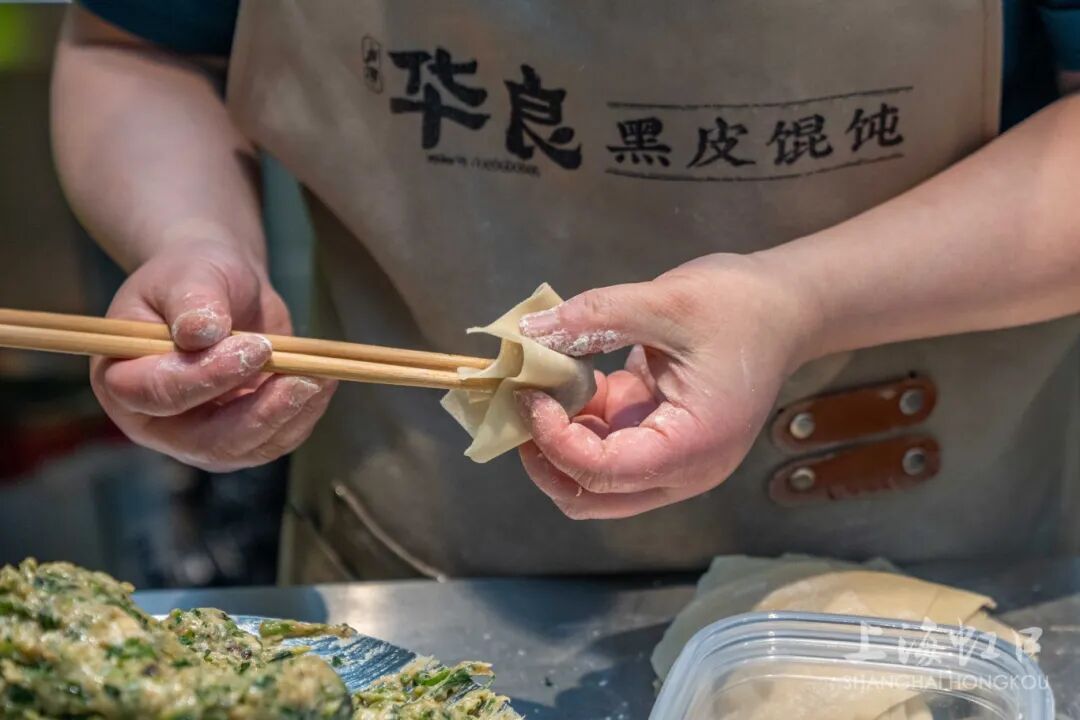
Hualiang traces its roots to an old noodle shop dating back to 1949 and later became known for producing noodles and its signature whole-wheat wonton wrappers. Its whole-wheat wrappers remain the highlight today, offering a firm, springy texture that stays chewy even after soaking in the broth.
Address: No 475 Guangdong Road
Pan Guoxian Erguang Wonton
潘国仙耳光馄饨
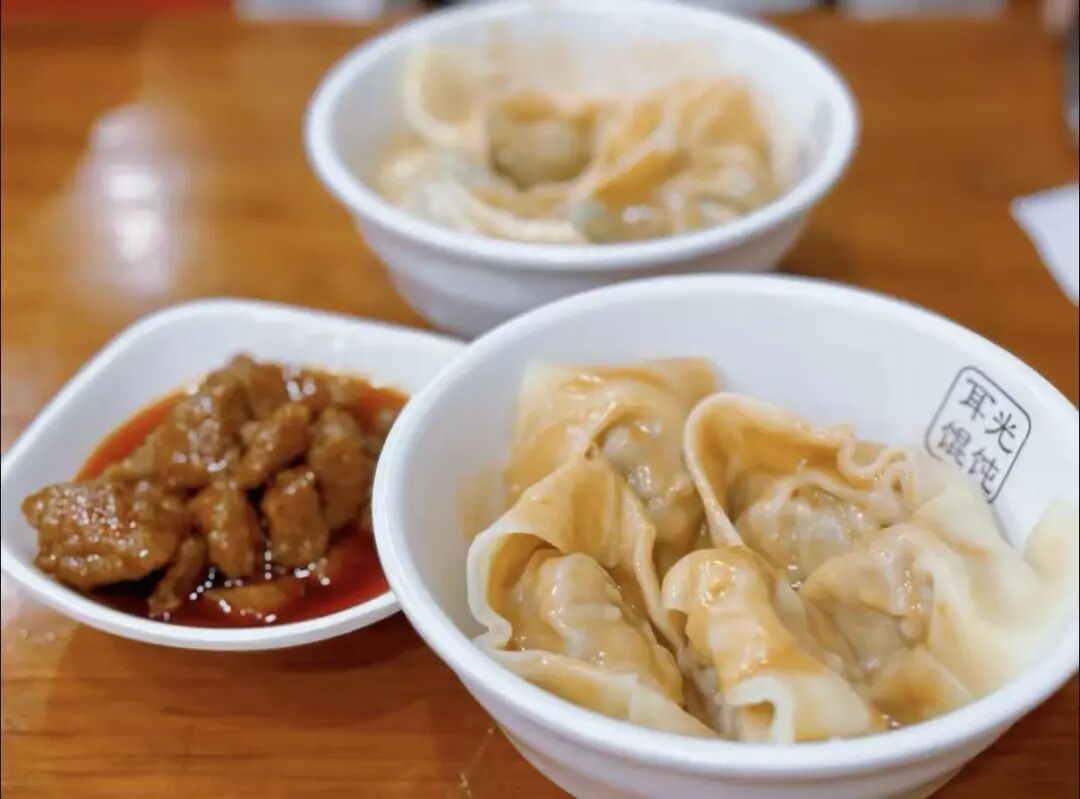
One of Shanghai's earliest "internet-famous" food spots, it first gained popularity on Zhaozhou Road. Its best-known offering is shepherd's purse and pork wontons. The filling combines pork with shepherd's purse and a small amount of bok choy, helping maintain a moist texture while adding freshness and balance.
Address: No 109 Huangjiaque Road
How to make cairou huntun at home
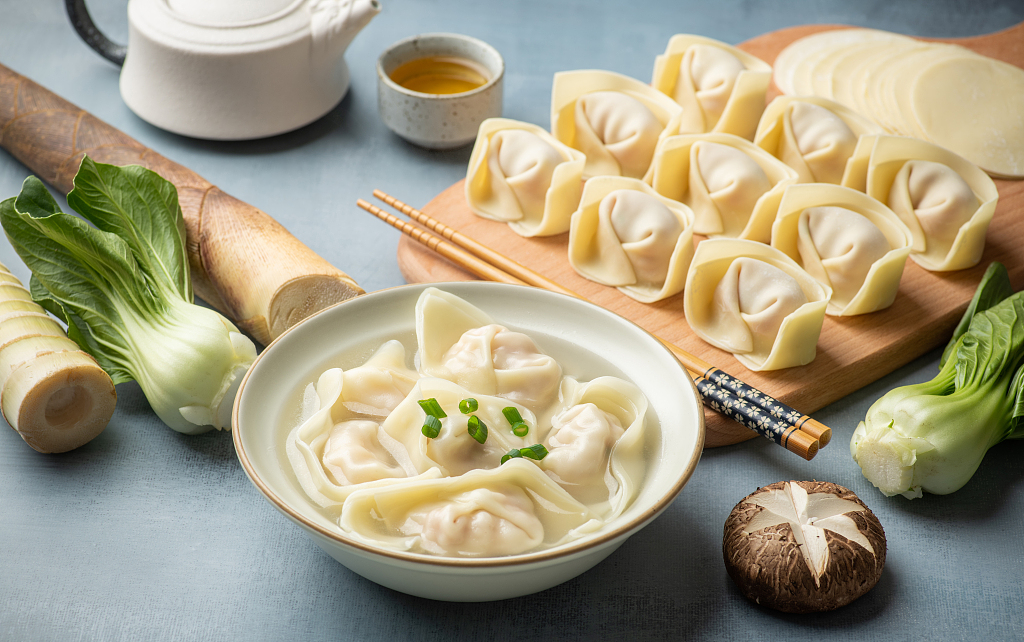
There is no single recipe for Shanghai-style pork and vegetable wontons, as each family has its own preferred balance of pork, vegetables, seasonings, and broth. The following method is commonly used.
Vegetables: Blanch bok choy and shepherd's purse for 30 seconds, rinse in cold water, squeeze dry, and chop finely.
Filling: Mix ground pork with egg, soy sauce, oyster sauce, cooking wine, and sesame oil. Stir in one direction until sticky, then fold in the chopped vegetables, scallions, and minced ginger.
Wrap: Place filling on a wonton wrapper, moisten the edges, fold the wrapper over, and pinch the corners together to form a pillow shape.
Cook: Bring a pot of water to a boil, add the wontons, and cook until they float to the surface. Serve them with scallions, egg crepe strips, dried seaweed, sesame oil, or a sprinkle of white pepper.
Sources: Shanghai Morning Post, WeChat accounts of Huangpu and Hongkou district governments