10 skills to watch at WorldSkills Shanghai 2026
The 48th WorldSkills Competition will be held in Shanghai from Sept 22 to 27. From style and food to home, transportation, and decoration, here are 10 skill competitions that relate to everyday life.
Part 1: Style and beauty
Fashion Technology
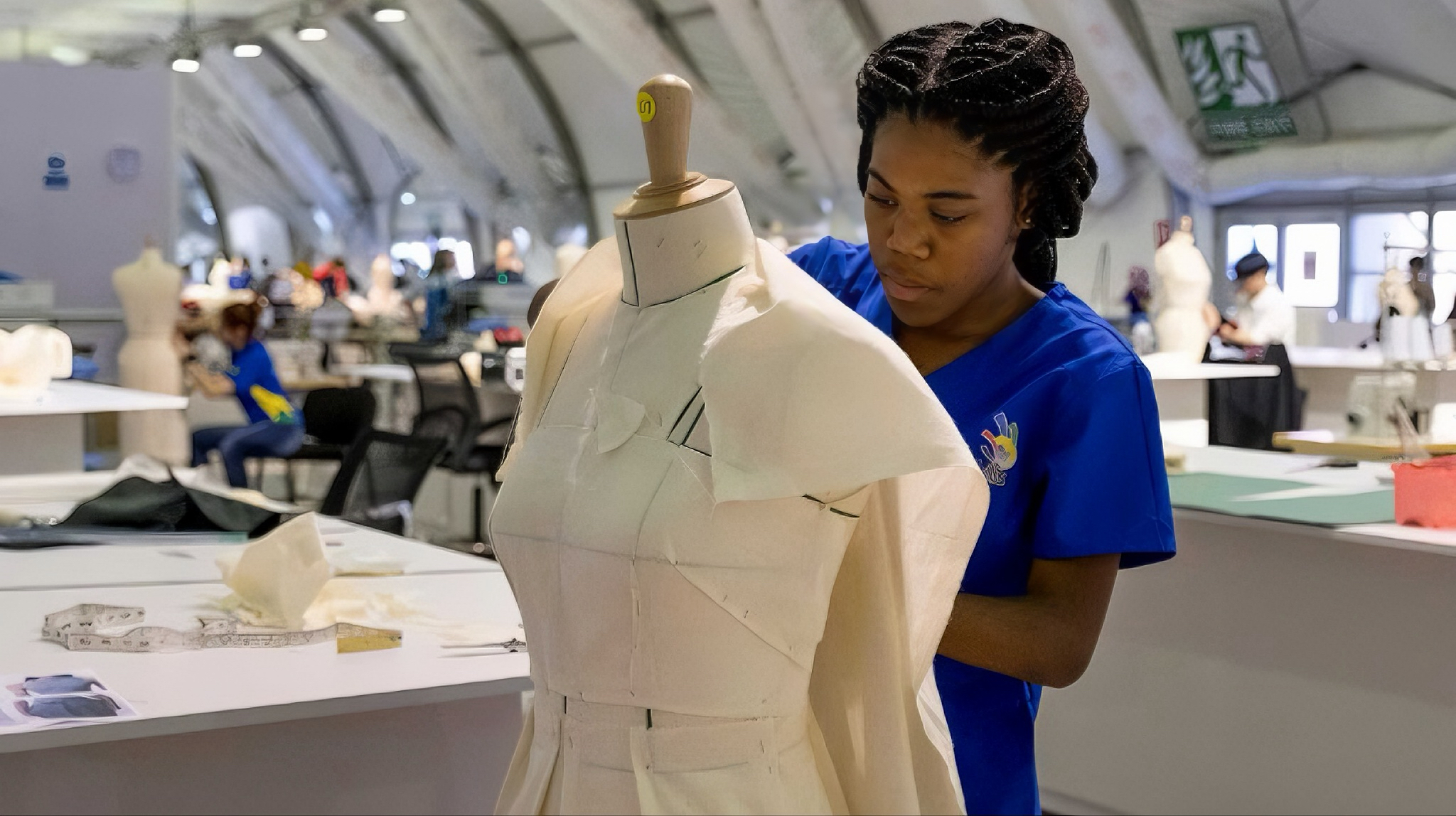
Fashion Technology covers the design and production of garments to meet specific requirements. Competitors draw on their knowledge of fashion materials, design, color matching, and pattern making throughout the process.
Tasks may include developing a clothing collection based on a design theme and current trends, creating garment sketches, making patterns, cutting fabric, and using draping techniques to shape garments. Competitors also need to understand the characteristics of different clothing materials, skillfully use hand-sewing and decorative techniques, and operate professional equipment correctly and safely.
Hairdressing
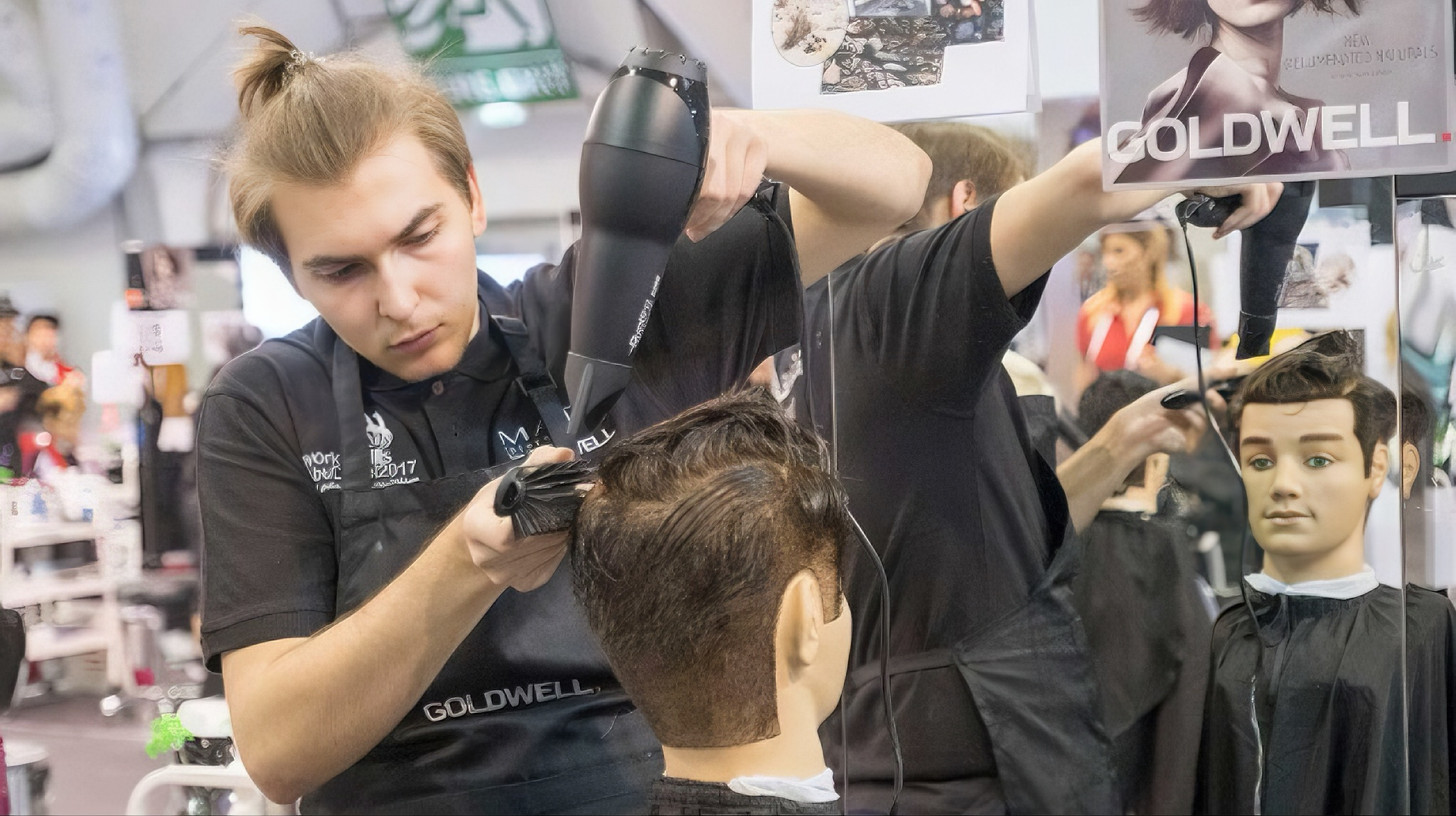
Hairdressing covers cutting, hair extensions, perming, coloring, styling, hair care for men and women, and beard grooming. Competitors need strong knowledge of hairdressing theory, a good eye for aesthetics, and solid practical skills to perform technically demanding cutting, coloring, and styling work.
Part 2: Food
Cooking
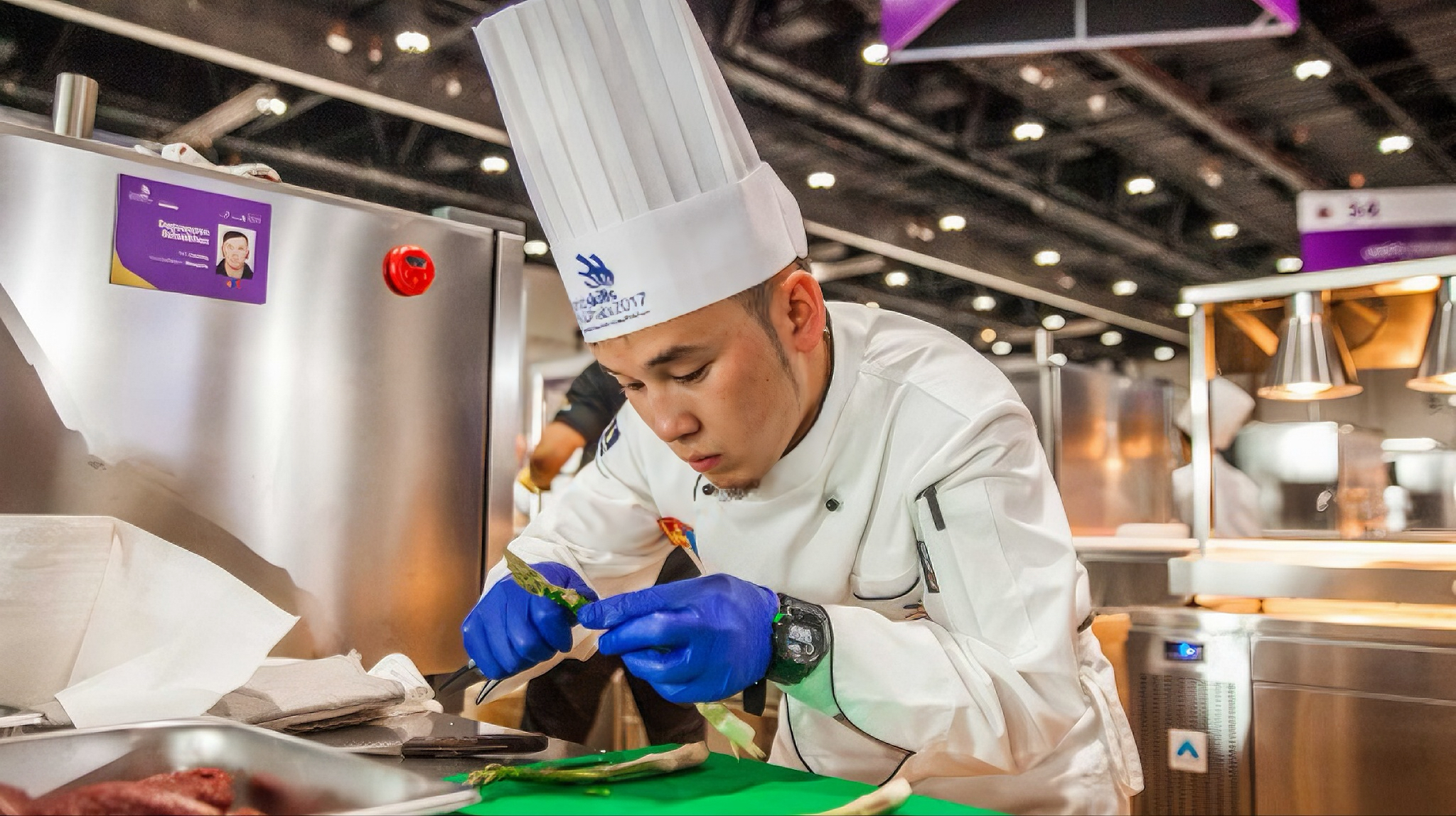
Cooking tests competitors' ability to plan menus in accordance with health and safety regulations and to prepare dishes that take into account the characteristics of different ingredients. They prepare, process, cook, and present dishes according to recipes and standards, and serve them on time.
The skill competition also covers standard Western cooking techniques, nutritionally balanced menu planning, food costing, budgeting, ingredient selection and ordering, and kitchen organization. Competitors must maintain personal and food hygiene, use kitchen equipment safely and correctly, and manage kitchen tasks and time efficiently. They must also develop and test recipes according to set standards and communicate effectively with others.
Bakery
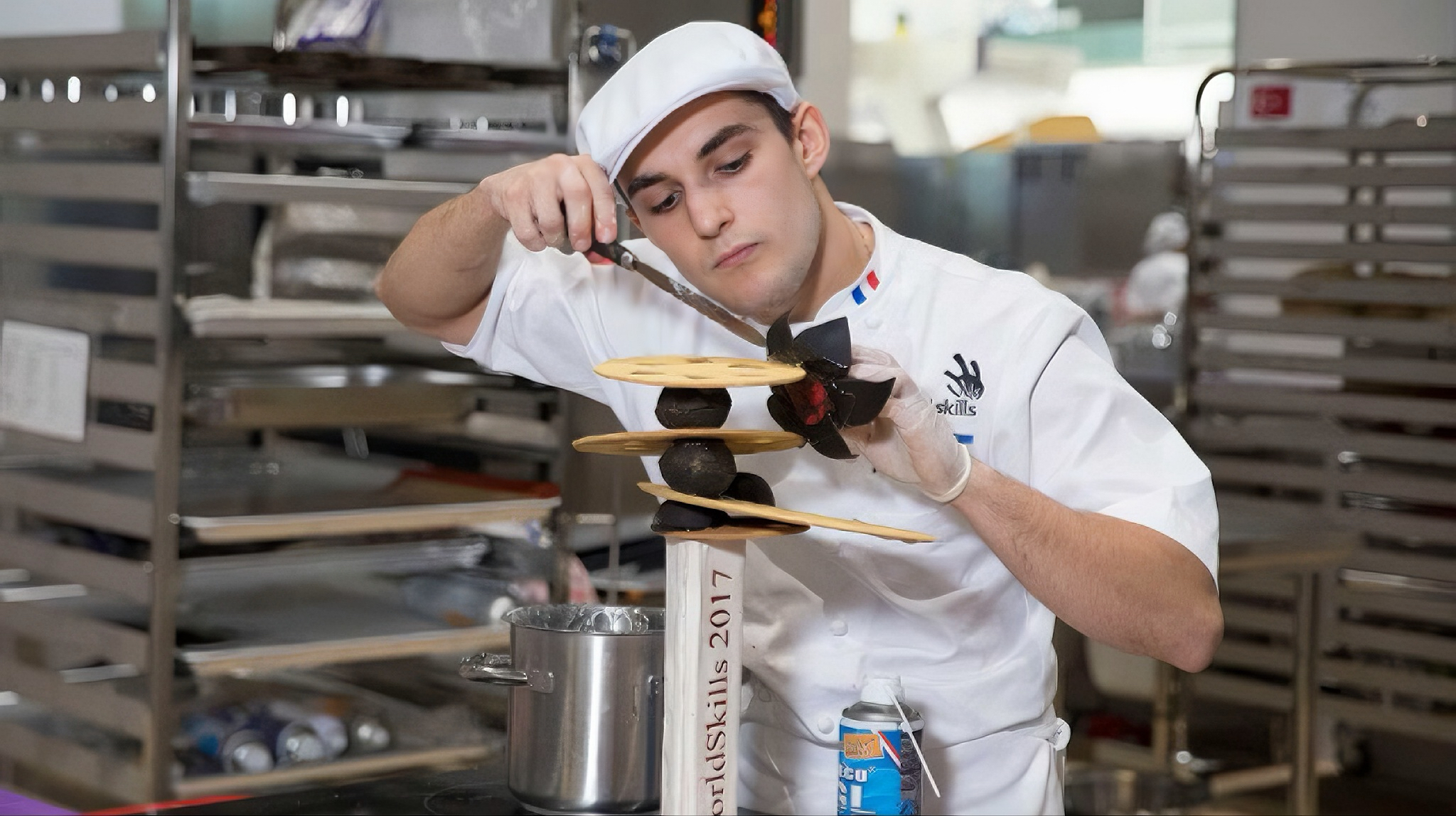
Bakery involves producing a range of fresh sweet and savory baked goods from grains and other ingredients. Competitors need to understand how ingredients function, interact, and react, as well as how fermentation methods and production techniques affect the final products.
They develop new recipes based on the characteristics and functions of ingredients and adjust them when conditions change. They also need to use professional equipment, techniques, and ingredients correctly, while considering ingredient quality, health, and food safety requirements, and maintaining high hygiene standards.
Part 3: Home
Landscape Gardening
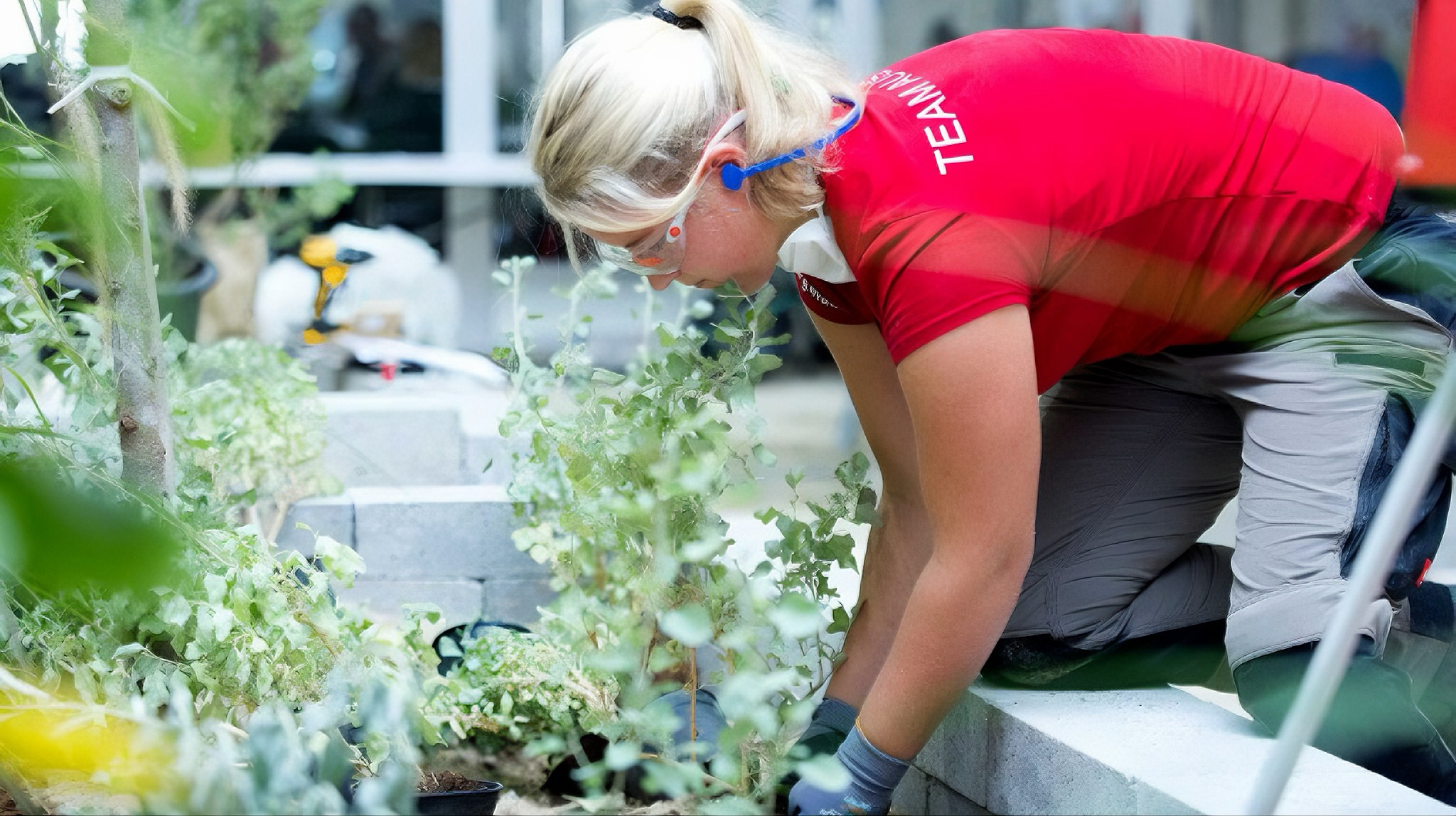
Landscape Gardening involves creating and maintaining a landscape within a designated area and time limit, in accordance with the Test Project and using specified materials.
For hard landscaping, competitors follow construction drawings and instructions to build the required structures. For soft landscaping, they design and carry out the work in accordance with the provided materials and instructions.
They need to know the names of horticultural plants and possess the knowledge and skills required to cultivate and care for them. They also use professional tools to process, shape, install, and arrange materials such as natural wood, stone, and precast concrete for various landscape settings. Tasks may also include laying lawns and laying out and installing water systems.
Cabinetmaking
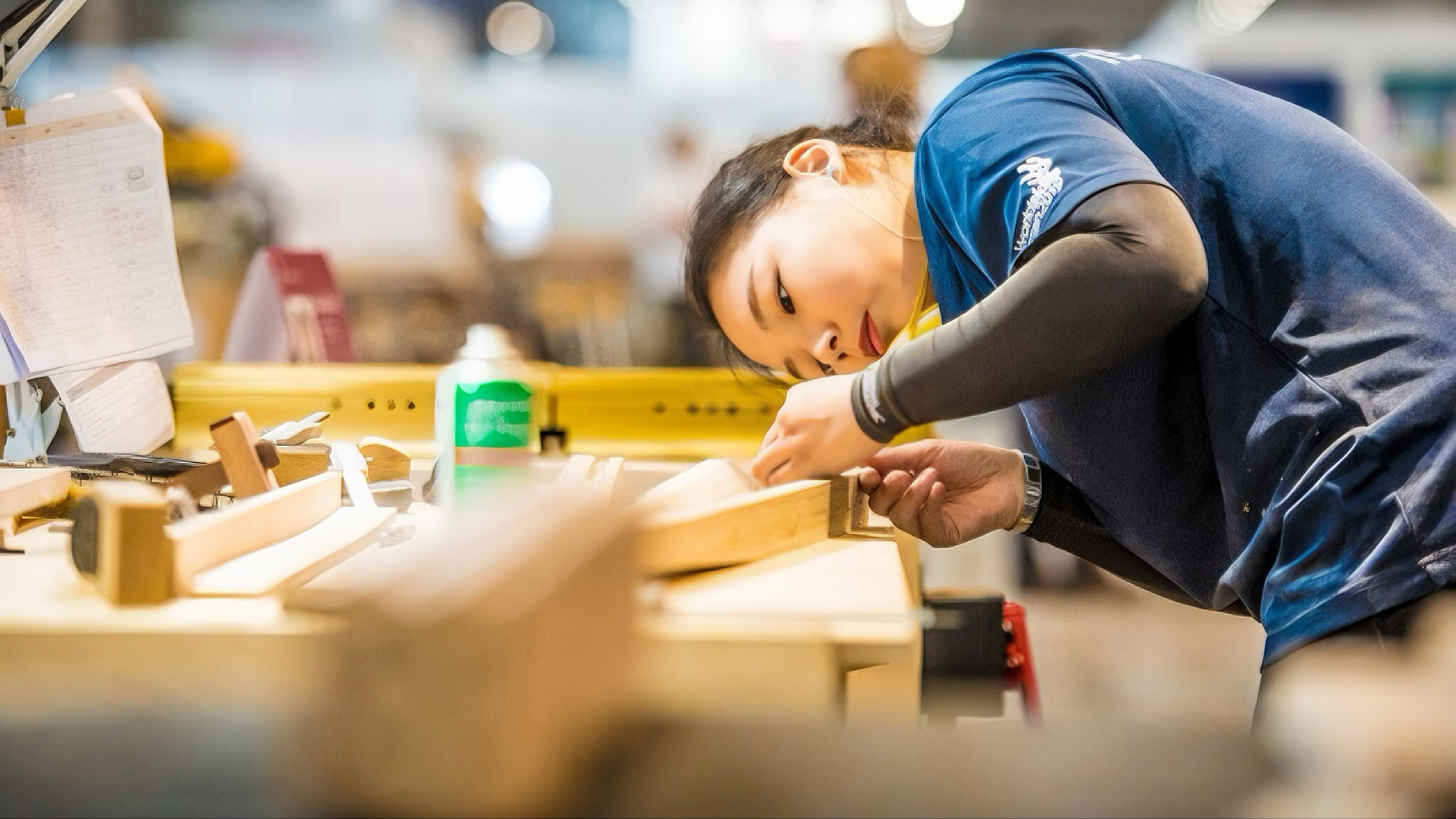
Cabinetmaking requires competitors to produce a high-quality piece of furniture within a specified time, following the drawings and technical requirements set out in the Test Project, using the provided materials and shared equipment and facilities.
They need to read and interpret drawings accurately and know how to process and use different types of wood, wood-based panels, veneers, and furniture hardware. Using woodworking equipment and hand tools correctly and skillfully, they make a cabinet consisting of multiple components, such as a body, legs, doors, and drawers.
Part 4: Transportation
Automobile Technology
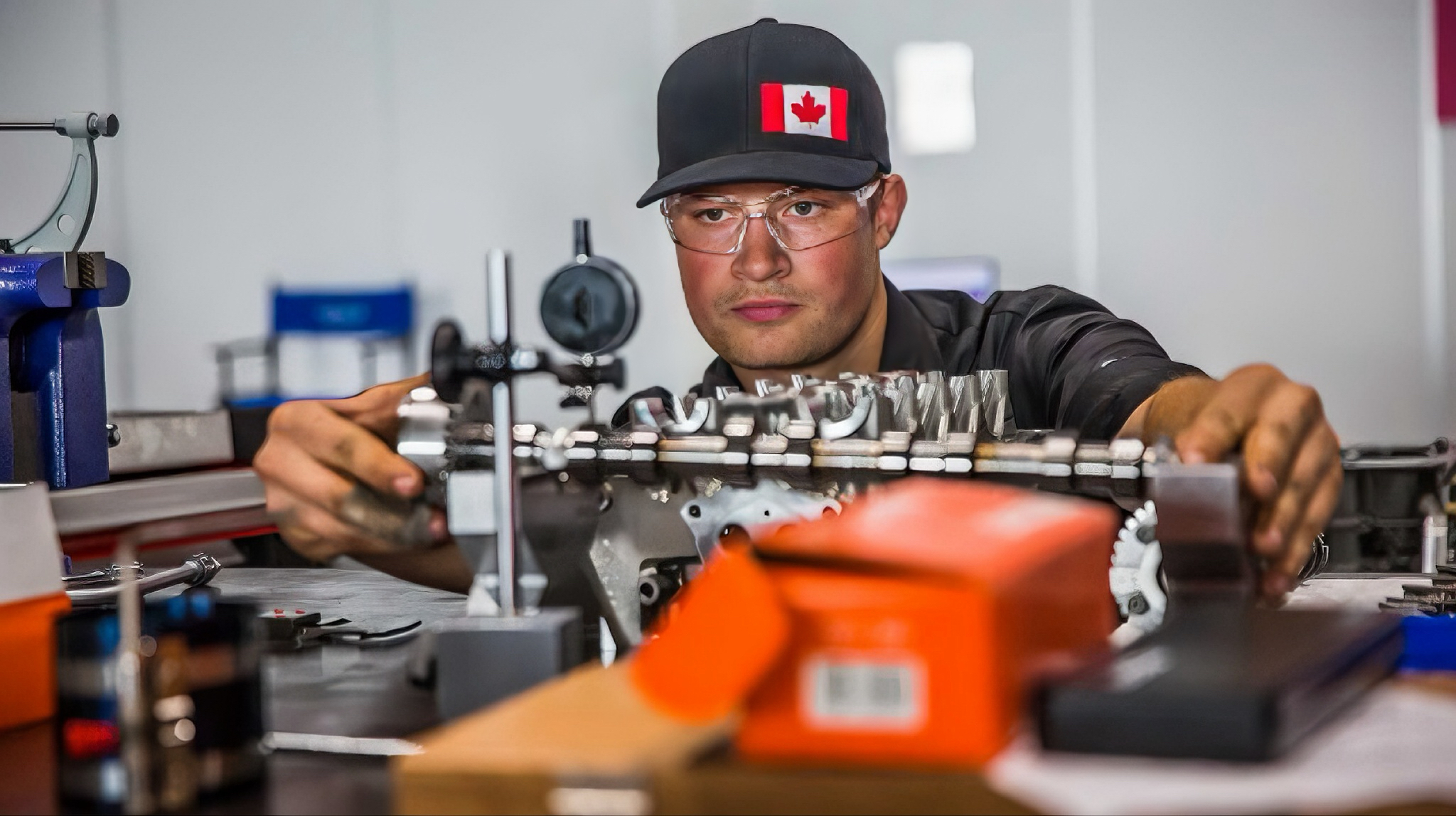
Automobile Technology covers the inspection, diagnosis, repair, and replacement of parts across different vehicle systems, in accordance with technical standards and repair procedures.
Competitors may be required to:
- identify and diagnose faults in engine, electric drive, transmission, suspension, steering, braking, electrical, and driver-assistance systems;
- carry out the full process of dismantling, inspection, measurement, testing, diagnosis, analysis, repair, reassembly, and adjustment; and
- correctly and safely select, use, and maintain specialized automotive tools, measuring instruments, testing equipment, and related devices, as well as identify, diagnose, and resolve operational or functional problems with the tools and equipment themselves.
Aircraft Maintenance
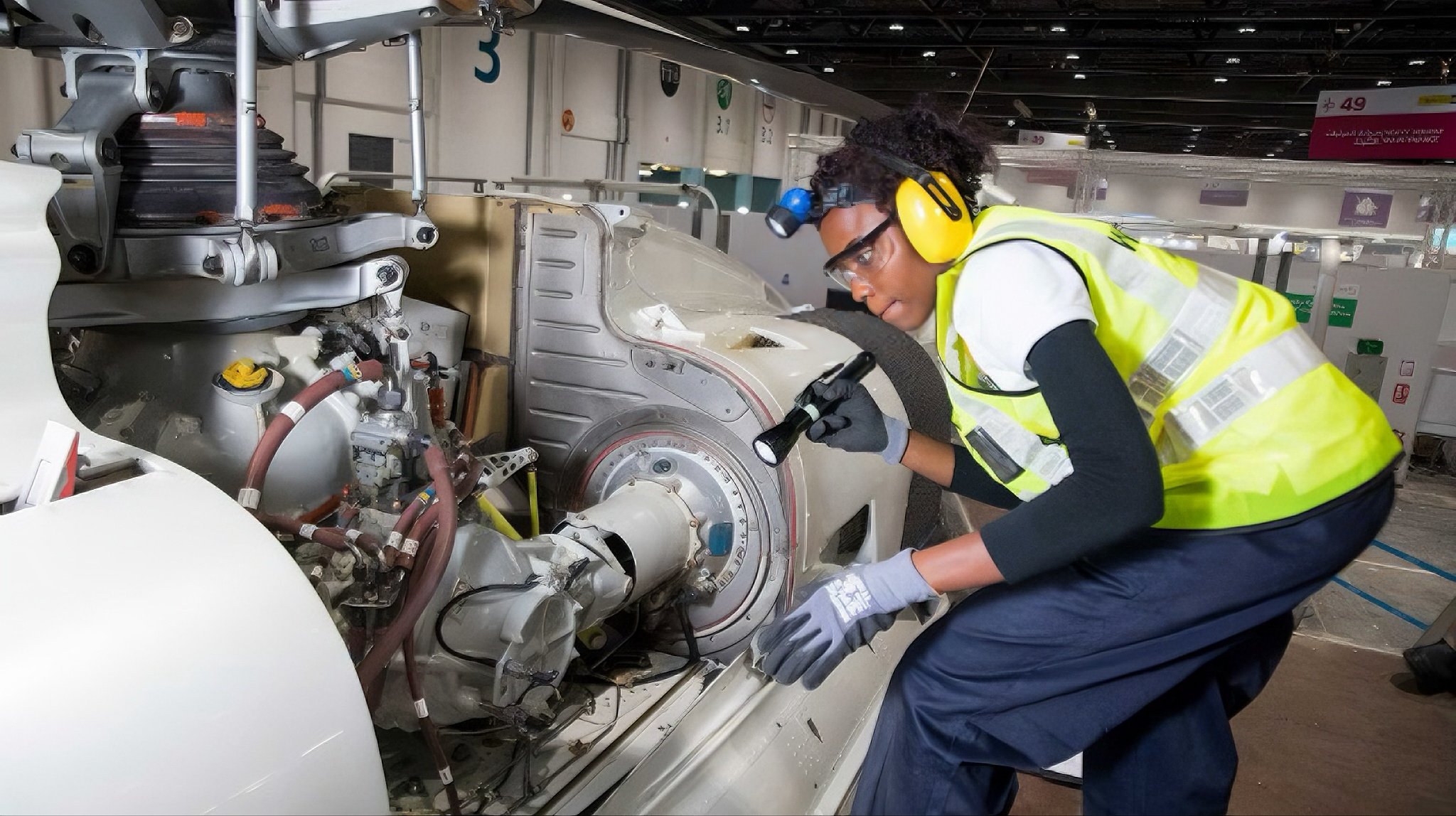
Aircraft Maintenance requires advanced professional knowledge and practical skills to ensure that aircraft remain airworthy and operate safely and reliably in accordance with quality and safety standards.
Competitors may be required to:
- understand aviation terminology and read technical documents in English;
- understand the structure and major systems of airplanes and helicopters, including engines, airframe structures, hydraulic systems, flight control systems, and avionics;
- carry out tasks such as sheet-metal bending and forming, riveting and assembly, wiring, and routine maintenance;
- read simple electrical and wiring diagrams and circuit markings;
- use specialized tools, measuring instruments, and testing equipment correctly;
- remove, install, and calibrate components on actual airplanes or helicopters, or in fully functional simulators, and restore their functionality;
- adjust flight control systems and follow standard maintenance inspection procedures;
- identify and accurately describe faults; and
- identify and repair defects in composite structural components.
Part 5: Design and decoration
Floristry
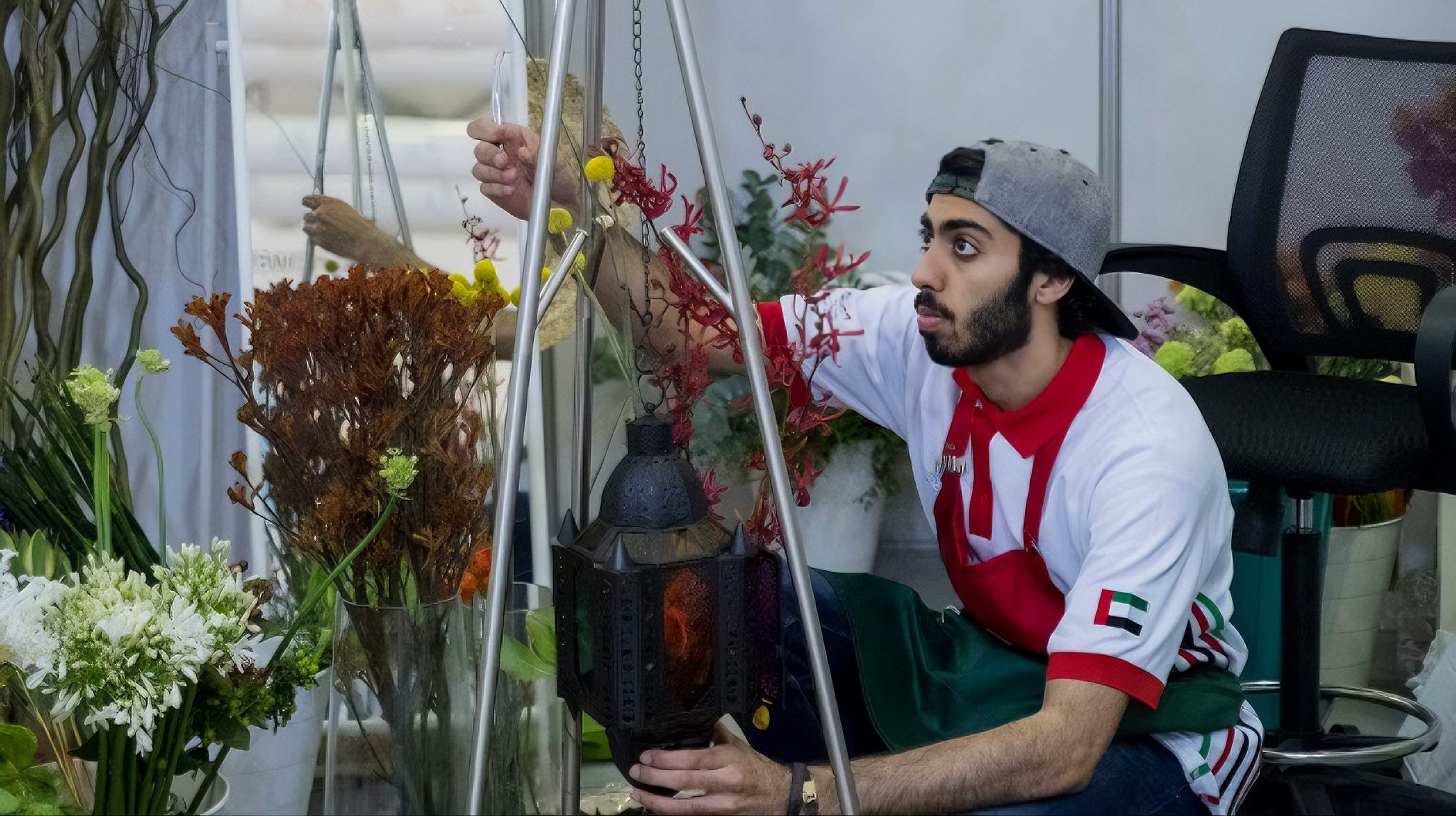
Floristry involves selecting and using plants and plant parts, along with decorative materials, to create floral arrangements based on principles of composition, color theory, design concepts, and techniques. Florists work with flowers, leaves, fruits, branches, and other plant materials, using appropriate tools to prepare and care for them.
They design and create floral arrangements based on the theme, surroundings, container, and current trends. They also need to understand the characteristics of different plants, use floristry tools and related materials and supplies skillfully, and balance creativity with practicality when creating their arrangements.
Painting and Decorating
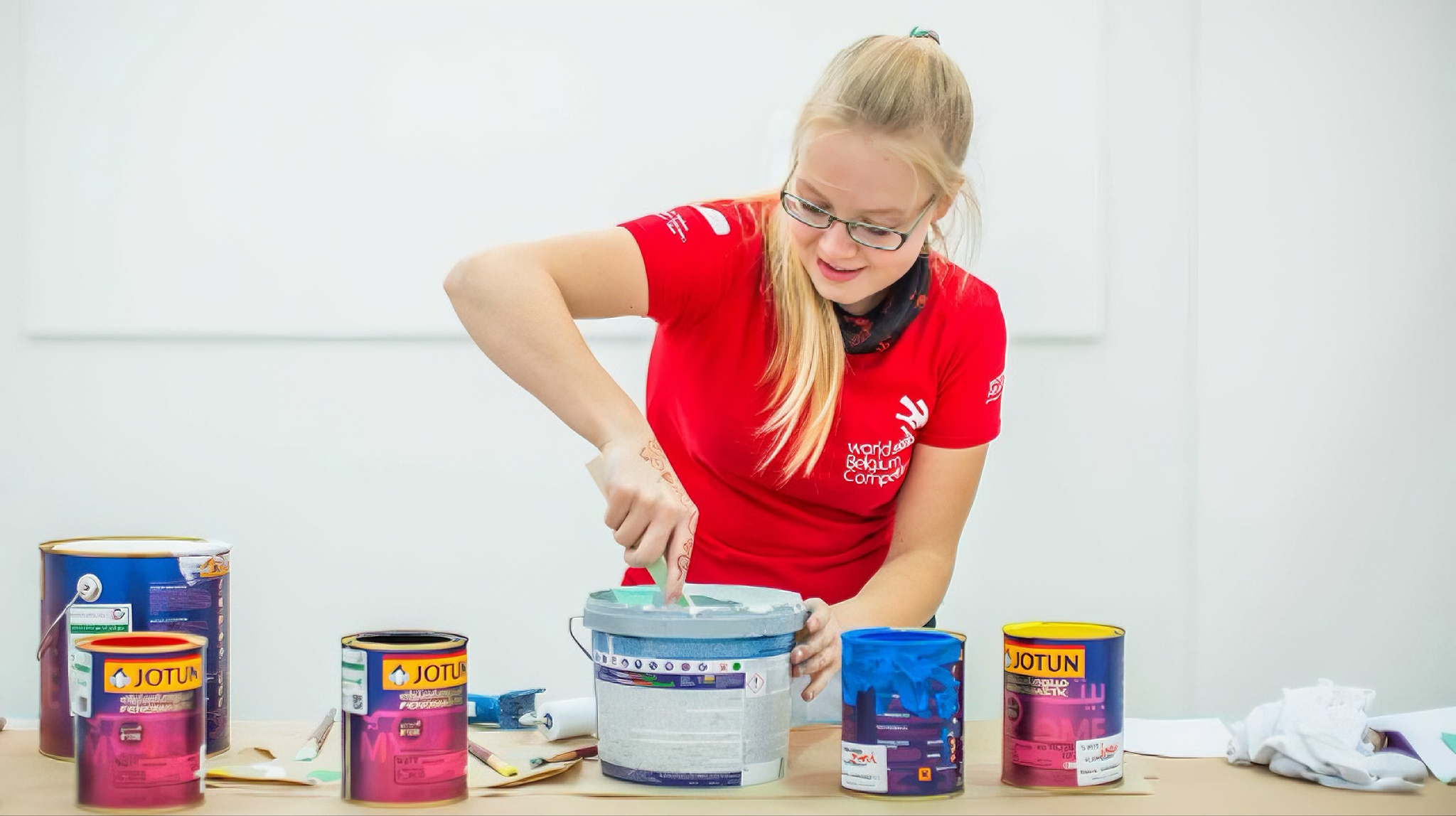
Painting and Decorating focuses on painting interior and exterior walls and other surfaces, combining protection with decoration. Competitors may apply paint by brush or spray, hang wallpaper, and create decorative lettering and patterns.
The work also includes waterproofing, rust prevention, mold prevention, and protection against insect damage. Competitors need to communicate professionally with clients, read drawings accurately, and offer suggestions on design, materials, and color combinations to meet their needs. The skill competition also promotes environmentally responsible working practices.
Source: WorldSkills