Shanghai's new sci-tech innovation path
Shanghai convened a high-level municipal session on July 7 to adopt a major policy document aimed at propelling the city's development as an international science and technology innovation center.
The document outlines 20 measures across six priority areas, marking a significant phase in Shanghai's innovation drive.
Focusing on cutting-edge fields

Shanghai is sharpening its focus on high-end, cutting-edge technologies, prioritizing three leading industries: integrated circuits, biomedicine, and artificial intelligence, while laying the foundation for future-oriented sectors.
In the Lin-gang Special Area of China (Shanghai) Pilot Free Trade Zone, R&D spending has averaged 5.18 percent of GDP annually in recent years, one of the highest levels in the country. Increasingly, investments are targeting frontier fields such as aerospace and controlled nuclear fusion.
To address the overconcentration of basic research funding in low-risk, low-impact projects, the document calls for a shift toward critical disciplines, interdisciplinary research, and efforts to tackle major scientific challenges.
Leveraging regional strengths
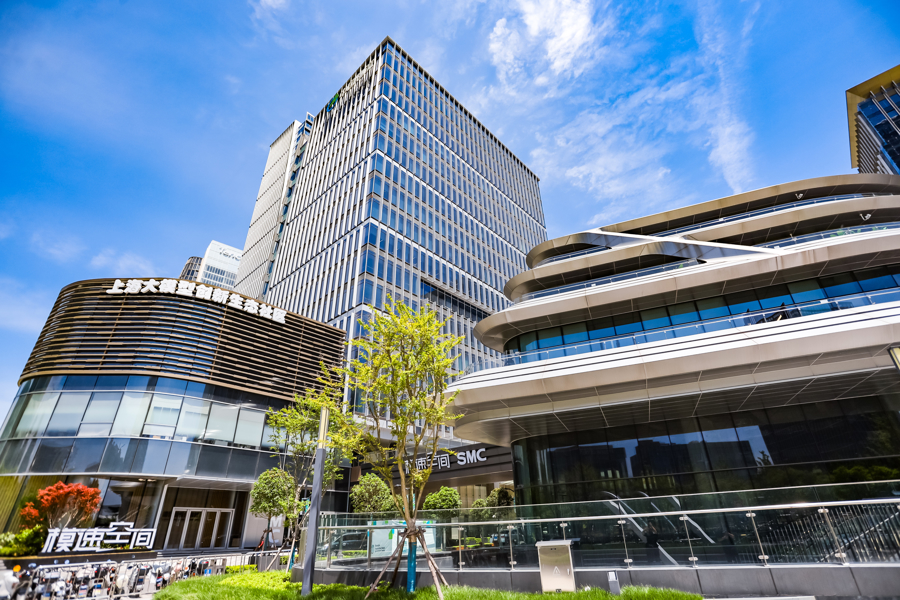
For Wang Mingtai, vice-president of XtalPi, Shanghai's advantage lies in its role as a central hub. The company develops AI-driven robotics R&D platforms, with its research center based in the city. Within a two-hour drive across the Yangtze River Delta, teams can source all necessary components, from hardware to modules.
He believes that innovation and entrepreneurship no longer depend on proximity to a single lab, but instead on access to top-tier talent, robust industrial supply chains, and a dynamic commercial and financial environment.
Accelerating innovation chain
The policy document emphasizes the need to improve efficiency and speed throughout every stage of the innovation process.
On the financial side, it proposes a full-cycle funding framework. This includes proof-of-concept funds to accelerate feasibility validation, seed and angel funds to support rapid prototyping, venture capital to drive commercialization, and industrial and M&A funds to enable scaling and market consolidation.
Enhancing support for innovative enterprises
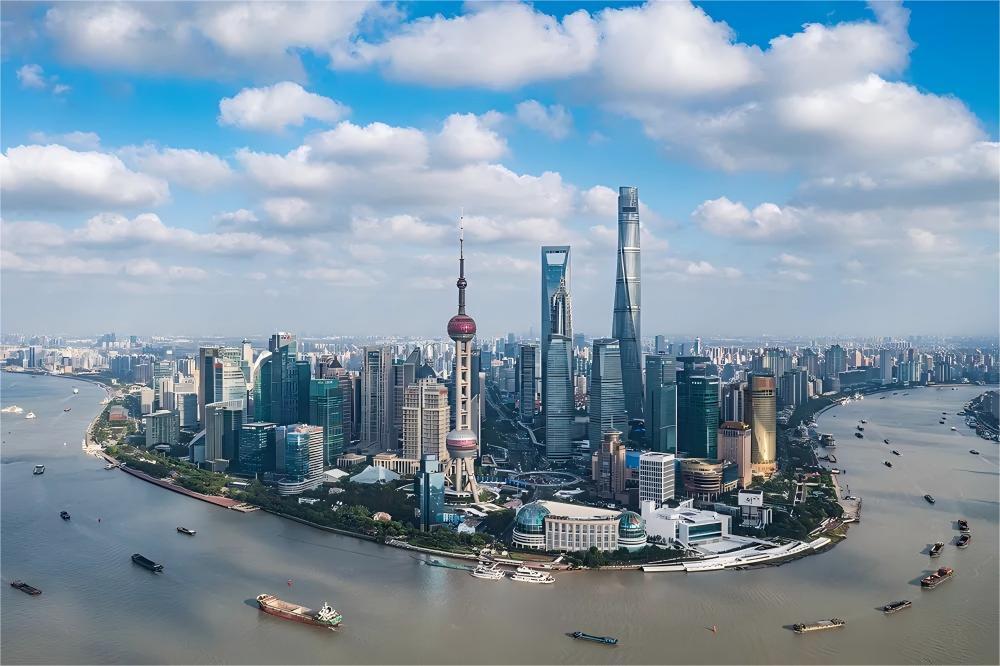
Shanghai has made nurturing innovative enterprises a strategic priority. The number of high-tech firms in the city has increased from 5,433 in 2015 to 25,000 in 2024, while R&D spending rose from 3.4 percent to 4.4 percent of GDP over the same period, underscoring the city's deepening commitment to innovation.
Since launching 12 high-quality incubators in June 2023, Shanghai has shifted its focus from single sectors to fostering a connected innovation ecosystem. These incubators now serve as central hubs, linking innovation, industry, capital, and talent chains to build regional innovation clusters.
To support this transformation, the policy document outlines a targeted support system tailored to different stages of enterprise development.
- Startups will receive assistance with early-stage financing.
- Firms with mature products will be connected with market resources.
- Growing businesses preparing to scale will be given timely access to sufficient production space.
Source: People's Daily