Shanghai expands FTZ reforms with new linked innovation zones
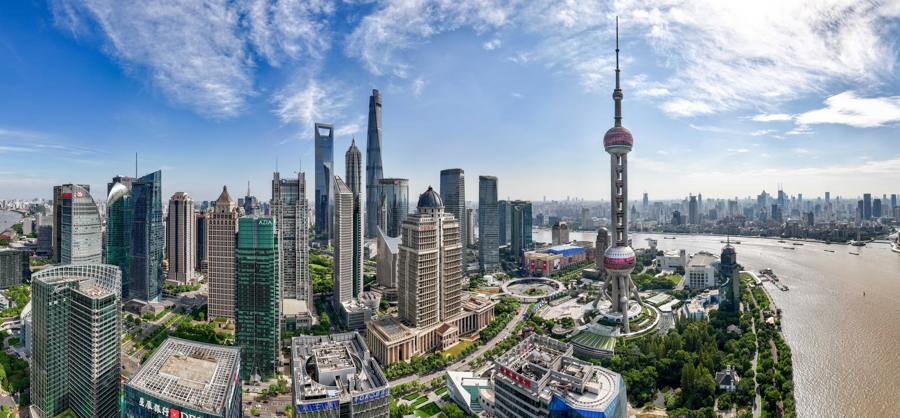
Shanghai has recently released the plan for building the second phase of linked innovation zones under the China (Shanghai) Pilot Free Trade Zone, marking another major step in advancing institutional innovation and deepening regional coordination.
The new plan identifies eight key areas: Hongqiao International Central Business District, Shanghai International Resort, Jing'an, Changning, Putuo, Qingpu, Jiading, and Jinshan. It also includes five national-level economic and technological development zones: Minhang Economic and Technological Development Zone, Shanghai Hongqiao Economic and Technological Development Zone, Jinqiao Economic and Technological Development Zone (non-FTZ area), Shanghai Chemical Industry Park, and Songjiang Economic and Technological Development Zone.
These areas are tasked with extending the FTZ's institutional innovations across the city, aligning reform achievements with local strengths, promoting distinctive industries, and driving high-quality economic growth.
Policy highlights
Investment
- Simplify domestic reinvestment procedures: If the investee or equity transferor is registered in a pilot area, no additional registration is required.
- Support qualified foreign institutions in applying for domestic financial licenses and allow eligible asset managers to join QFLP programs.
- Allow performance agencies registered in FTZs or Linked Innovation Zones, with over two years of large-scale commercial event experience, to engage in foreign-related performance business without time limits.
- Support the establishment of wholly foreign-owned hospitals and joint or cooperative medical institutions by international investors.
Trade
- Expand inclusion of local enterprises in offshore trade business lists and support digital platforms linking with the China (Shanghai) International Trade Single Window.
- Implement tiered management for art institutions and exempt eligible inbound exhibition artworks from guarantee deposits.
- Support enterprises with actual needs to engage in bonded R&D, design, and other bonded business models within special customs supervision areas.
Finance
- Consider broadening the scope and simplifying the application for FT account access beyond the FTZ.
- Deepen the integrated RMB and foreign currency cash pool pilot for MNCs, allowing master accounts to handle centralized receipts and payments for domestic and overseas subsidiaries.
- Permit qualified banks to lend short-term RMB funds to overseas financial institutions under relevant regulations.
- Allow pilot-region financial leasing companies and their SPVs to share foreign debt quotas.
Data
- Under the national cross-border data management framework, permit financial institutions to transmit regulator-approved operational data overseas.
- Optimize management of cross-border scientific data flows and explore standards for data trading, transfer, and protection.
- Support new models such as "data processing for import", which converts overseas data into tradable digital products or services.
Sci-tech innovation
- Promote the "lump-sum management" system for R&D project funding to enhance flexibility and efficiency.
- Grant researchers greater autonomy in the distribution of income from commercializing R&D innovations.
- Facilitate customs clearance for imports and exports of technology service enterprises.
- Encourage innovation in IP pledge financing and expand market-oriented IP securitization (ABS) pilots.
Talent
- Shorten the required practice period for foreign lawyers serving as foreign legal consultants from three to two years, and pilot special partnership systems in law firms, extending eligibility to tax and AI professionals.
- Recognize overseas professional qualifications in planning, design, and other fields after filing, and acknowledge corresponding work experience.
- Support key enterprises in recruiting foreign high-tech, skilled, and industry-aligned talent, granting up to five-year work and residence permits for them and their families, with access to education and healthcare services.
- Pilot electronic port visas, allowing foreign professionals invited for major research, exchanges, or business activities to apply for long-term, multiple-entry visas.
- Promote integrated processing of work permits and work-related residence permits.
Regional focus areas
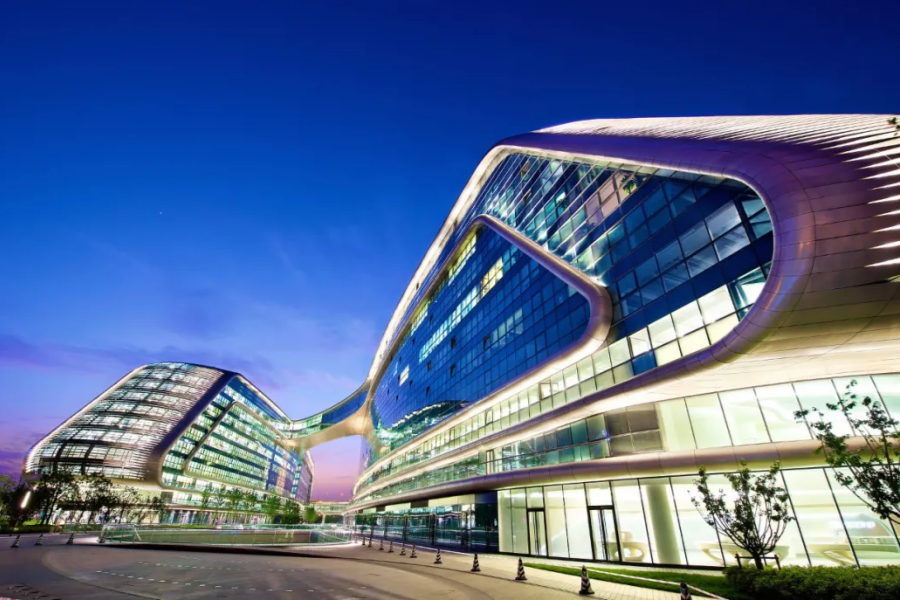
Hongqiao International CBD
Focus on developing cross-border e-commerce. Support digital supervision pilots for e-commerce enterprises, the establishment of a customs technical service center, and foreign visa service centers within Hongqiao.
Shanghai International Resort
Promote new tourism and consumption experiences. Support leading domestic and international brands in opening first stores, hosting first launches and exhibitions, and exploring the creation of bonded art galleries and cultural exhibition halls.
Jing'an
Build a model zone for international consumption. Upgrade digital supervision of Zhangyuan's bonded warehouses, set up refund-upon-purchase centralized service counters, and allow qualified cosmetics companies to provide personalized cosmetic services.
Changning
Advance the platform and digital economy. Support aviation trade digitalization, construction of trusted data spaces, and the "Digital Silicon Alley" incubator for electronic materials innovation. Strengthen smart supervision of livestreaming commerce.
Putuo
Focus on production-oriented internet service platforms. Support the development of integrated supply chain platforms and encourage leading enterprises to expand overseas logistics and warehousing facilities.
Qingpu
Promote the development of the digital economy, healthcare, and trade. Accelerate the construction of the Oriental Life Harbor Qingpu Hongqiao Park and Qingpu New City Park, and establish the Silk Road e-commerce center and an overseas brand incubation center.
Jiading
Drive smart and connected vehicle industry growth. Advance autonomous driving algorithm R&D, expand application scenarios, and pilot smart taxis, unmanned shuttles, autonomous sanitation, unmanned delivery, and smart parking projects.
Jinshan
Focus on developing new chemical materials. Support the construction of new material incubators, accelerate planning for the East China drone airport, and promote the development of an AI computing center integrating local chip, computing, and application capabilities.
Sources: Shanghai Municipal Development and Reform Commission, Hongqiao International Central Business District
Note: The above content is for reference only. In case of any discrepancies, the Chinese version shall prevail.